
Lab-Grown Diamond vs Cubic Zirconia: Key Differences


Lab-grown diamonds are chemically and physically identical to mined diamonds. Cubic zirconia (CZ) is a synthetic lookalike that’s cheap and not built to last. If you want brilliance and meaning that endures, lab-grown wins every time.
Here’s a quick breakdown of how they compare:
-
Durability: Lab-grown diamonds are a 10 on the Mohs scale, CZ is only 8–8.5 and scratches easily.
-
Sparkle: Diamonds sparkle from brilliance and fire. CZ often looks “glassy” or overly rainbow-like.
-
Certification: Lab-grown diamonds are graded by IGI or GIA. CZ has no official grading.
-
Longevity: Diamonds last a lifetime. CZ clouds and chips in just a few years.
-
Value: Diamonds hold resale value. CZ has none.
-
Sentiment: Diamonds are symbols of love. CZ is a placeholder at best.
At Mikado Diamonds, we help you skip the confusion, gimmicks, and regrets. Whether you're buying your first ring or upgrading a placeholder, we’ll walk you through the real facts, no pressure, just honest guidance.
Keep reading to learn the deeper differences, and why thousands of couples are choosing lab-grown over CZ every single day.
What Are Lab-Grown Diamonds and Cubic Zirconia, Really?
To the untrained eye, lab-grown diamonds and cubic zirconia (CZ) might seem similar. They both shimmer under store lights.
They both come in engagement ring settings. But beneath the surface, they’re fundamentally different.
Lab-Grown Diamonds Explained

Lab-grown diamonds are real diamonds.
They’re created in labs using either HPHT (High Pressure High Temperature) or CVD (Chemical Vapor Deposition) technology, processes that replicate the natural forces that form diamonds deep within the earth.
The result? A stone that’s chemically, physically, and optically identical to a mined diamond.
These diamonds aren’t just beautiful, they’re certified by the same grading labs used for natural diamonds, like GIA and IGI. That means buyers get full transparency: cut, clarity, color, carat, it’s all documented and held to rigorous standards.
Helpful Resource -> Lab-Grown vs Natural Diamond: Which One Is Right for You?
What Is Cubic Zirconia (CZ)?
Cubic zirconia, on the other hand, is a diamond lookalike, nothing more, nothing less. Made from zirconium dioxide. CZ is always synthetic and doesn’t share any of the same properties as real diamonds. It’s softer, less brilliant, and far less durable.
CZ became popular because it’s cheap and easy to manufacture. You’ll often find it in fashion jewelry, travel rings, or budget-friendly placeholders. It serves a purpose, but it’s not a diamond.
Visual Differences: Can You Tell Them Apart?

At first glance, lab-grown diamonds and cubic zirconia can look remarkably similar, especially under bright lights.
But when you take a closer look (or live with the ring for a while), the differences in how they catch the light, age, and interact with their setting become obvious.
Brilliance, Fire & Sparkle
A well-cut lab-grown diamond reflects white light (brilliance) and flashes of colored light (fire) in a way that feels dynamic, crisp, and refined. It’s that balanced sparkle that catches the eye without looking too flashy.
CZ, on the other hand, tends to give off a “rainbow” effect due to its higher light dispersion. While that might sound like a perk, it often ends up looking overly artificial or glassy, especially under natural light.
It sparkles, yes, but not in the same way.
Clarity & Color
Lab diamonds, just like mined ones, come with a wide range of clarity and color grades. Some have tiny inclusions. Some have a soft hint of warmth. Each stone is unique, which gives it character and realism.
CZ is flawless and colorless by design, no inclusions, no tints. But that “perfection” can work against it. To the trained eye (and even to some wearers), it looks too perfect, like costume jewelry trying to impersonate something it’s not.
Durability and Daily Wear
Sparkle might catch your attention, but it’s durability that keeps a ring looking beautiful years down the line.
If you're shopping for something meant to be worn every day, especially an engagement ring, this is where the gap between lab-grown diamonds and CZ becomes impossible to ignore.
Hardness (Mohs Scale)
Lab-grown diamonds score a perfect 10 on the Mohs hardness scale, the highest possible rating. That means they’re incredibly resistant to scratches, chips, or everyday wear-and-tear. It’s the same durability that makes natural diamonds last for generations.
Cubic zirconia falls between 8 and 8.5. While that might sound close, in practice, it’s a massive difference. CZ scratches easily, especially when worn daily. Toss it in a jewelry box with other pieces, and you’ll likely see the wear start to show.
Longevity
Lab-grown diamonds don’t just last, they age gracefully. With minimal care, they retain their fire and brilliance for life. Many customers pass them down as heirlooms, just like mined diamonds.
CZ, on the other hand, has a short shelf life. It’s common for these stones to cloud up, lose their sparkle, or even chip within a few years, especially with daily wear.
Helpful Resource -> Are Lab-Grown Diamonds as Hard as Natural Ones?
Price Comparison: The Real Cost of That Sparkle

If you’re shopping with a budget in mind (and most people are), the price difference between lab-grown diamonds and cubic zirconia is going to jump out fast.
But what that price tag doesn’t show you is the long-term value, or lack of it.
A 1-carat lab-grown diamond typically costs between $2,000 and $4,000, depending on cut, color, and clarity. That’s significantly more affordable than a mined diamond of the same specs, and it’s still a real diamond, with the certification and durability to back it up.
A 1-carat cubic zirconia, on the other hand, might run you $30 to $100. Sounds like a steal, right? But here’s what you’re really paying for: a mass-produced, ungraded stone that starts losing its sparkle and surface polish within months of daily wear.
CZ is inexpensive because it’s not rare, not valuable, and not designed to last. It’s pumped out in huge quantities with very little quality control. There’s no lab report, no market demand, and no resale value. It's jewelry you buy knowing it’s disposable.
Lab-grown diamonds, by contrast, are graded, certified, and trusted in the fine jewelry market. Their value holds up not just in sentiment, but in substance. They’re not just “cheaper than mined”, they’re smarter for what you actually get.
Tip: Just because it’s cheap doesn’t mean it’s a good deal. When it comes to jewelry that’s meant to last a lifetime, that “deal” can turn costly real fast.
Resale, Sentiment & Prestige: What You Can’t See But Will Feel

When people compare stones, they usually start with sparkle and price. But what about the part that can’t be measured? The emotional weight. The symbolism. The legacy. That’s where lab-grown diamonds and CZ live in two completely different worlds.
Lab-grown diamonds carry real resale value, and not just because they’re beautiful. They’re certified, graded, and recognized by jewelers and buyers alike. If life changes and you ever need to upgrade or trade in, your lab-grown diamond has a place in the resale market.
Cubic zirconia? There is no resale market. CZ is typically treated as throwaway fashion jewelry or costume filler. No one buys CZ expecting it to hold value, and no jeweler will take it on trade.
But beyond resale, let’s talk about what these stones represent.
Lab-grown diamonds are used in real proposals, milestone gifts, and family heirlooms. They symbolize commitment, intention, and care, everything you want in a moment that matters.
CZ, meanwhile, is often used as a placeholder.
A travel ring. A “we’ll upgrade later” option. And while there’s nothing inherently wrong with that, many people find themselves second-guessing the decision when the sentiment doesn’t match the symbol.
Ethical & Environmental Factors
In today’s world, how your jewelry was made can matter just as much as how it looks. And for many of our clients at Mikado Diamonds, the decision to go lab-grown isn’t just about sparkle, it’s about values.
Lab-grown diamonds have a clear edge when it comes to ethics and sustainability. They’re created in controlled environments without the destructive environmental impact of traditional diamond mining. No strip mining. No conflict zones. No human rights concerns. Just innovation and integrity.
Cubic zirconia, while also lab-created, doesn’t come with the same story. It’s inexpensive, easy to manufacture, and has a relatively low environmental footprint. But here’s the thing: it doesn’t carry the same ethical weight.
There’s no certification, no standards, no transparency around how it’s made or who’s making it. CZ might be “non-mined,” but it’s not part of a bigger shift toward responsible fine jewelry the way lab-grown diamonds are.
In short, lab-grown diamonds don’t just look good, they feel good to give. You can stand behind the symbol knowing it reflects your commitment not just to your partner, but to the planet and the people on it.
That’s the kind of sustainability that goes beyond surface level.
Use Cases: When to Choose What
Not every ring needs to last a lifetime. But if it’s meant to represent something meaningful, an engagement, an anniversary, a moment that matters, you’ll want to make sure the stone matches the sentiment.
Here’s how lab-grown diamonds and cubic zirconia stack up in real-life scenarios:
|
Situation |
Best Option |
Why |
|
Engagement Ring |
Lab-Grown Diamond |
Lasts, holds value, and carries real sentiment. |
|
Travel or Temporary Ring |
Cubic Zirconia (CZ) |
Affordable and easy to replace if lost. |
|
Fashion Jewelry |
Cubic Zirconia (CZ) |
Trendy, fun, and not meant for daily wear. |
|
Heirloom Piece |
Lab-Grown Diamond |
Built to last and be passed down. |
|
Tight Budget |
CZ (Short-Term) |
Works as a placeholder until you’re ready to upgrade. |
Expert Buying Advice: How to Choose Wisely

If you’re comparing lab-grown diamonds and cubic zirconia, it’s easy to get caught up in surface-level details: price, carat size, or how shiny a stone looks under bright lights. But after 15+ years helping clients choose the perfect ring, I can tell you, the smartest buyers dig deeper.
What Jewelers Wish You Knew
The sparkle you fall in love with? It comes from the cut, not just carat or clarity.
Even a flawless diamond can look dull if the cut is off. That’s why we personally inspect every lab-grown diamond we source at Mikado, making sure the angles, proportions, and polish maximize brilliance.
A well-cut lab-grown diamond will outperform a higher carat stone with poor proportions every time. And if you’re going CZ? Cut matters there, too, though mass production means most CZ stones lack the precision of fine-cut diamonds.
Common Mistakes to Avoid
-
Believing all sparkly stones are the same. They’re not. Lab-grown diamonds have the optical and physical qualities of mined diamonds. CZ just imitates the look for a while.
-
Thinking clarity equals brilliance. It doesn’t. Brilliance comes from how the light moves through the stone, not whether it’s internally flawless.
-
Ignoring certification. Lab-grown diamonds should always come with a grading report (IGI or GIA). CZ? No reputable certifications apply, so what you’re told is often just marketing fluff.
Bottom line: If you want a ring that stuns in real life, not just in staged photos, pay attention to cut quality, grading, and the reputation of the jeweler. That’s how you make a smart, lasting choice.
Still Deciding? Book a Free Ring Consultation

Choosing between lab-grown diamonds and cubic zirconia isn’t just a technical decision; it’s an emotional one. And you deserve to make it with clarity and confidence.
We offer professional, pressure-free consultations where you can ask anything, see real stones and settings, and explore options that match both your vision and your budget.
Whether you’re ready to buy or just starting to explore, we’re here to help you make a choice that feels right, not rushed.
Because this isn’t just another ring. It’s your story. Let’s make it one worth telling.
FAQs That Google Doesn’t Fully Answer
We get these questions all the time, especially from smart shoppers trying to weigh every option. Here’s what you really need to know:
Can CZ fool a diamond tester?
Nope. CZ fails both thermal and electrical conductivity tests. Diamond testers easily identify it as a simulant. If authenticity matters, and for most engagement rings, it does, CZ won’t pass the test.
Is moissanite better than CZ?
Yes, in terms of durability and brilliance. Moissanite ranks 9.25 on the Mohs scale and sparkles more intensely than CZ. But it still isn’t a diamond, lab-grown or otherwise. If you're after a true diamond alternative with lasting value, lab-grown is still the best pick.
Helpful Resource -> Is Moissanite a Lab-Grown Diamond?
Can you insure a lab diamond ring?
Absolutely. Lab-grown diamonds can be appraised, insured, and even resold, just like mined diamonds. We provide documentation that helps clients insure their rings with confidence.
Do jewelers judge CZ rings?
At Mikado? Never. But elsewhere, some jewelers do treat CZ with less care, especially if it needs repair or resizing. That’s another reason many of our clients choose to start with lab-grown: they want a ring that will be respected and supported long-term.
Mikado Collection
Hand Crafted Engagement Rings, Loose Natural and Lab-Grown Diamonds and a Fashion Jewelry Collection of Rings, Necklaces, Bracelets, and Earrings.

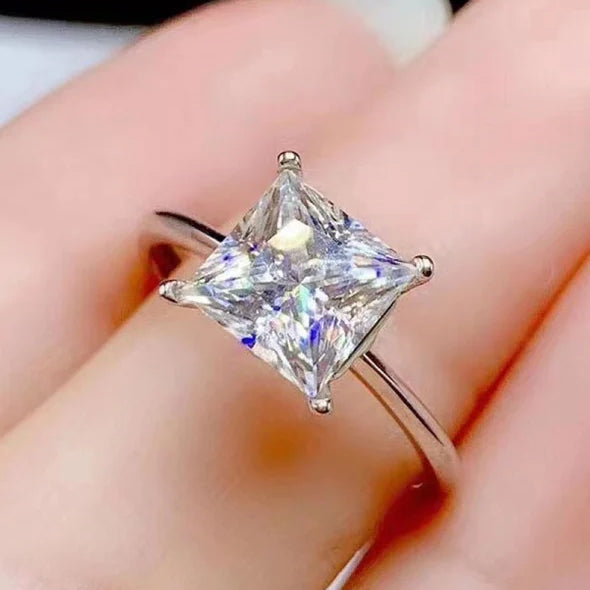
Complete Engagement Rings
Choose a ring with a diamond hand selected by a trained jeweler.


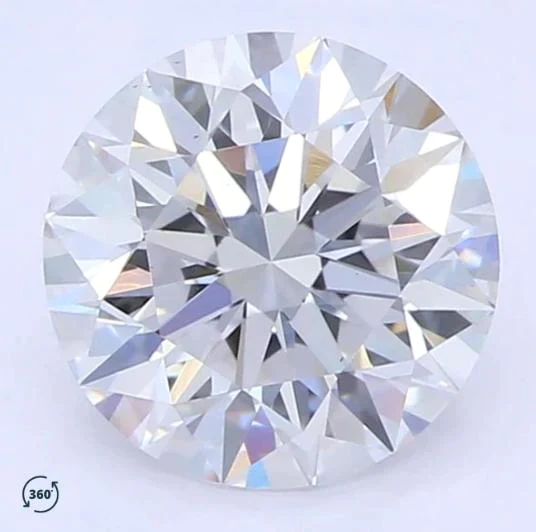
Loose Diamonds
Shop a huge selection of certified natural or lab-grown diamonds. On Sale Now!

Fashion Jewelry
Fashion rings, necklaces, bracelets & earrings. Take your style to a new level.


Comments