
Are Lab-Grown Diamonds as Hard as Natural Ones?


Yes, lab-grown diamonds are just as hard and durable as natural diamonds.
Both rank 10 on the Mohs hardness scale and are built for daily wear. Lab diamonds don’t just look like the real thing; they are the real thing, chemically and physically identical to mined diamonds. That means the same atomic structure, the same hardness, and the same performance in everyday wear.
We specialize in custom engagement rings using premium lab-grown diamonds. Over the years, I’ve helped hundreds of couples choose stones that stand the test of time, on fingers, not just on paper.
If you're looking for more than surface-level sparkle, I’ll show you exactly why lab-grown diamonds are just as tough as their mined counterparts. And how to choose one that lasts.
Keep reading for the deep dive.
Are Lab-Grown Diamonds as Hard and Durable as Natural Diamonds?

Let’s cut to the chase.
Lab-grown diamonds are just as hard as natural ones. Both rank a perfect 10 on the Mohs hardness scale, the highest rating possible. That means whether it’s mined from the earth or grown in a lab, a diamond is still the hardest known natural material.
But here’s where most people get tripped up.
Hardness doesn’t mean indestructibility. It means resistance to scratching.
A diamond can handle metal, glass, ceramics, and even concrete without getting a mark. But hit it at just the right angle (or drop it onto a tile floor). And yes, it can chip.
That’s true for any diamond, lab-grown or not.
So no, lab-grown diamonds aren’t “softer,” “fake,” or “fragile.” They’re real diamonds, full stop. Built for everyday life, just like the love they represent.
What Is the Mohs Scale, and Why Should You Care?
The Mohs scale is the industry’s go-to method for ranking mineral hardness.
It’s a simple 1–10 scale that tells you how resistant a material is to being scratched. Chalk is a 1. Your fingernail is about a 2. Steel? Maybe a 5 or 6. Diamond? Always a 10.
So what does that mean in practice?
It means a lab-grown diamond won’t scratch from daily wear. It can rub against keys, countertops, or a gym dumbbell and come out spotless.
In fact, the only thing that can scratch a diamond... is another diamond.
That’s why even though diamonds are incredibly durable, you should still avoid tossing a few into the same jewelry box without dividers.
We recommend storing them separately, or better yet, wearing them proudly, one at a time.
Do Lab-Grown Diamonds Wear the Same in Real Life?

Absolutely.
Lab-grown diamonds wear just like natural ones, because structurally, they are natural ones. They resist scratching, dulling, and everyday wear with the same unshakable strength.
Still, I hear this concern a lot: “Won’t a lab-grown diamond chip more easily?”
The worry makes sense, especially when shopping online or comparing prices.
But here’s the truth: any diamond, whether grown or mined, can chip under the right (or wrong) conditions. That’s not a quality issue; it’s just physics.
Diamonds have what we call “cleavage planes”, tiny structural zones where the atomic bonds are slightly less tight.
A hard enough blow at the right angle, say, knocking your ring against granite or dropping it from a height, can cause a chip. It’s rare, but possible.
And it has nothing to do with whether the diamond was grown in a lab or dug from the earth.
We’ve seen thousands of lab-grown diamonds worn daily for years, on hands that cook, clean, lift weights, and wrangle toddlers. When properly set and cared for, they stand up beautifully. Just like the real relationships they’re made to represent.
What Makes Lab-Grown Diamonds So Strong?
The secret to a diamond’s strength lies in its structure, and lab-grown diamonds are identical to natural ones at the atomic level. Both are made of carbon atoms arranged in a tight tetrahedral lattice. That’s what gives them their legendary hardness.
Lab diamonds are created using one of two advanced methods: HPHT (High Pressure, High Temperature) or CVD (Chemical Vapor Deposition).
HPHT replicates the intense heat and pressure deep within the Earth. CVD, on the other hand, grows the diamond layer by layer in a plasma chamber using carbon-rich gas.
Some jewelers still peddle the myth that HPHT diamonds are “brittle” or less durable. Not true. Both HPHT and CVD methods produce diamonds that are chemically, physically, and optically the same as mined diamonds.
And in fact, because lab environments are tightly controlled, lab diamonds can sometimes have fewer internal stress points than their natural counterparts.
We work with both HPHT and CVD stones,
But more importantly, we help you select the best one for your setting, budget, and lifestyle. Whether your diamond was born underground or in a lab, what matters most is how it’s cut, set, and cherished.
Aren’t Simulants Like Moissanite the Same Thing?

Nope, not even close.
Simulants like moissanite or cubic zirconia might look like diamonds at a glance. But they’re not made of the same stuff. They’re not carbon-based, they don’t share a diamond’s structure, and they don’t come close in terms of hardness or long-term performance.
To make this clear, here’s how they compare on the Mohs hardness scale:
|
Material |
Mohs Hardness |
|
Lab-Grown Diamond |
10 |
|
Natural Diamond |
10 |
|
Moissanite |
8.5–9.25 |
|
Cubic Zirconia (CZ) |
8–8.5 |
Only a diamond, lab or mined, hits that perfect 10. That means anything less is more prone to scratching, clouding, or general wear over time. In short, lab-grown diamonds are real diamonds. Simulants are imitations.
We don’t deal in fakes. When you choose one of our lab-grown diamonds, you’re getting the same composition, the same sparkle, and the same hardness that’s made diamonds the go-to for engagement rings for generations.
But Can You Really Trust a Lab-Grown Diamond to Last?

You bet.
Lab-grown diamonds hold up beautifully, not just in labs or in theory, but in real life, on real fingers, every single day.
We’ve seen hundreds of customers wear lab-grown engagement rings, anniversary bands, and even heirloom redesigns with zero durability issues.
One of our clients, for instance, has worn her 3.5-carat lab-grown oval in a hidden halo setting for five years, and she’s a nurse who works with her hands every day. Her words? “It still looks brand new.”
Online, people often ask: “Do lab-grown diamonds wear down over time?”
The answer is no. Their crystal structure and chemical stability are the same as mined natural diamonds, so they don’t lose hardness, change shape, or fade with age.
If you’re shopping for something meant to last a lifetime, or longer, you don’t have to compromise.
A lab-grown diamond, chosen wisely and set securely, will shine just as strongly 20 years from now as it does today.
So, Why Do Some Jewelers Still Say Natural Is Better?
Let’s be honest, some jewelers push mined diamonds not because they’re better, but because they’re part of an outdated system built on markups, middlemen, and misinformation.
One of the most common talking points? “Lab diamonds don’t hold their value.”
Here’s the thing.
Resale value has nothing to do with durability or quality.
Most diamonds, lab or natural, don’t resell for what you paid. That’s the reality of luxury goods. And if you’re buying a ring based on how easily you can sell it later…you might be missing the point.
We don’t believe your engagement ring should be an investment vehicle. It should be a reflection of your relationship, something beautiful, meaningful, and made to last.
We’ve built our business around transparency and personal service, not commission-driven sales tactics or diamond “status” myths.
Choosing lab-grown isn’t about compromise. It’s about seeing through the noise and focusing on what really matters: love, longevity, and getting more beauty for your budget.
Choosing a Lab-Grown Diamond Ring: What to Look For

Not all diamonds are created equal, even when they rank a perfect 10 on the Mohs scale.
If you want your lab-grown diamond to hold up (and turn heads), here’s what we tell every Mikado customer:
-
Go for an excellent cut. A diamond’s cut determines how it reflects light, and poorly cut stones can hide flaws or create stress points. A well-cut lab diamond is not only more brilliant, but also more durable in daily wear.
-
Pay attention to the setting. Prongs should be secure and protective, especially for fancy shapes with sharp points (like marquise or pear). Low-profile or bezel-set designs can offer more protection for active lifestyles.
-
Lab vs. mined? Go with what aligns with your values. If you want the same quality without the environmental baggage, lab-grown wins every time. But if you’re buying a natural diamond for personal or sentimental reasons, we’ll help you find a great one, no judgment either way.
Need help sorting through options? Book a consultation with us. Whether you’re dreaming up a custom ring or narrowing down your shortlist, we’re here to guide you, no pressure, just real advice.
Lab-Grown Diamonds Are Built to Last

If you take away one thing from this article, let it be this: lab-grown diamonds aren’t just comparable to natural diamonds, they are diamonds. Same hardness. Same strength. Same everyday reliability.
The diamond you choose should reflect your values, not outdated myths. And if it can shine brighter, cost less, and carry less ethical baggage?
That’s not compromise, that’s confidence.
-
Book a pressure-free consultation today: Whether you’re just getting started or refining your dream ring, I’d love to help you choose a lab-grown diamond that’s not only beautiful but built to last.
-
Explore our lab-grown diamond collection: From 3 to 10+ carats, we carry premium lab diamonds in oval, radiant, emerald, and rare cuts, each hand-selected for quality and sparkle.
-
Learn more about our custom ring process: Every Mikado ring is designed one-on-one, built around your love story, and backed by our no-BS guidance. Because the right ring deserves more than guesswork.
FAQs
Can lab diamonds chip more easily?
No. All diamonds, lab or mined, can chip if they’re struck at the right angle, especially on a cleavage plane. That’s just the nature of the material, not the origin.
Will lab-grown diamonds lose hardness over time?
Not at all. Their crystal structure is stable and permanent. A lab-grown diamond will stay just as hard and brilliant decades down the line.
Is one method (CVD vs. HPHT) more durable?
Both methods produce diamonds with identical hardness and durability. The main differences lie in the growth process and appearance, not strength.
Do color-treated lab diamonds lose strength?
No. Color treatments, like irradiation or coating, affect appearance, not structural integrity. The diamond remains a solid 10 on the Mohs scale.
Mikado Collection
Hand Crafted Engagement Rings, Loose Natural and Lab-Grown Diamonds and a Fashion Jewelry Collection of Rings, Necklaces, Bracelets, and Earrings.

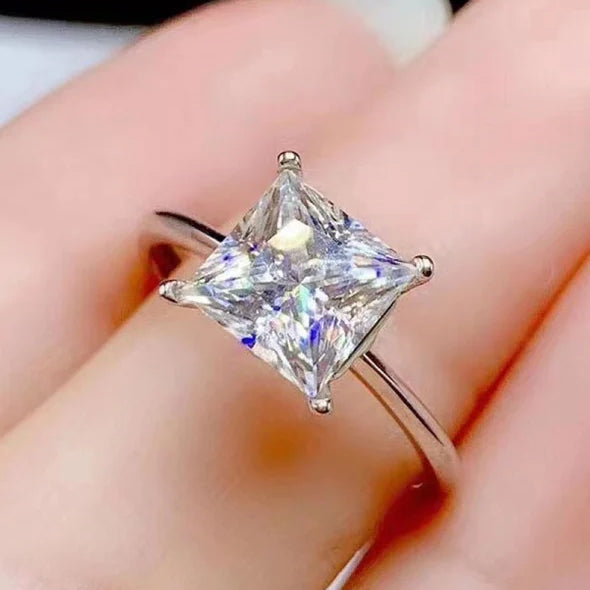
Complete Engagement Rings
Choose a ring with a diamond hand selected by a trained jeweler.

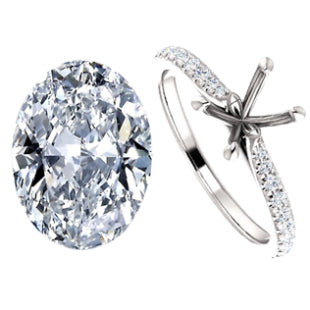

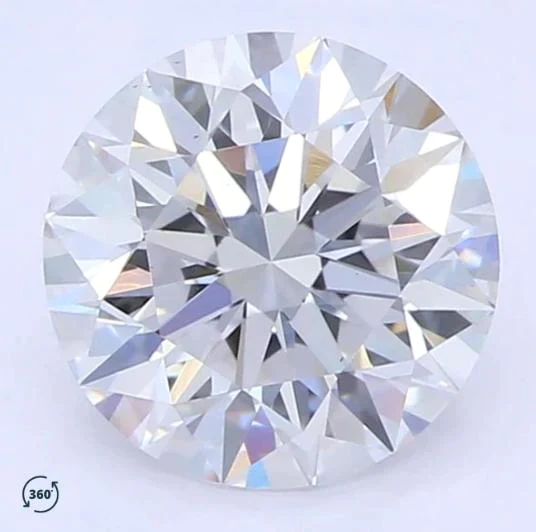
Loose Diamonds
Shop a huge selection of certified natural or lab-grown diamonds. On Sale Now!

Fashion Jewelry
Fashion rings, necklaces, bracelets & earrings. Take your style to a new level.


Comments