
Can You Insure Lab-Grown Diamonds? Yes. Here’s How


Yes, lab-grown diamonds can be insured just like natural diamonds. In fact, many buyers today are opting for full coverage to protect their ethical, cost-effective rings.
Whether you're protecting a recently purchased lab-grown engagement ring or preparing to propose with confidence, jewelry insurance can cover theft, loss, damage, and even mysterious disappearance.
But here’s the thing most people don’t realize.
Not all policies treat lab-grown diamonds equally. From appraisal quirks to replacement rules, the fine print matters.
We help our clients secure insurance the right way, from same-day appraisals to insured FedEx shipping and expert guidance through every step of your purchase. You’re not just buying a ring, you’re protecting a moment that matters.
Want to know how lab-grown diamond insurance really works (and how to avoid the gotchas)? Let’s break it down.
Can You Insure Lab-Grown Diamonds? (Yes, Here’s What to Know)
Let’s cut right to it: lab-grown diamonds are fully insurable. Whether your stone is mined or made, insurance providers recognize its value, and policies exist to protect it.
Just like any other fine jewelry. That means coverage for loss, theft, damage, and even mysterious disappearances is well within reach.
But, and this is where things get tricky, not every insurer knows how to handle lab-grown diamonds correctly. And not every ring owner realizes how easy it is to fall through the cracks.
So let’s walk through exactly what you need to know to get your lab diamond protected the right way.
Why You Should Insure Your Lab-Grown Diamond Ring

Buying a lab-grown diamond is usually a mix of smart math and big feelings. You’re getting more size and sparkle for your budget, plus peace of mind knowing it's ethically made.
But the value isn’t just in the price tag, it’s in what the ring represents. A proposal. A story. A promise.
That’s exactly why insurance matters.
We’ve seen firsthand what happens when someone loses an uninsured ring. It’s a financial loss.
It’s also the emotional gut punch that you “could’ve” protected something irreplaceable. And unfortunately, one of the biggest myths about lab-grown diamonds is that they’re not valuable enough to insure.
That couldn’t be further from the truth.
Today’s lab-grown diamonds routinely top three, four, even seven carats. These aren’t throwaway stones; they’re significant investments. And yes, they absolutely qualify for full insurance coverage.
So, will insurance companies cover lab-grown diamonds?
Yes, but you have to work with the right providers. Some general insurers still treat lab diamonds like off-brand alternatives, which can lead to lower appraisals or vague replacement terms.
Mikdao steers clients toward insurers who understand the true market value and replacement process for lab-grown stones, because no one wants to fight for coverage after a loss.
Yes, Lab Diamonds Are Insurable, Here’s What’s Covered
When insured properly, a lab-grown diamond policy covers the same major events as a natural one:
-
Theft: If your ring is stolen, your policy can reimburse you or replace the item.
-
Loss, Lost it on vacation? Insurance has you covered (with the right documentation).
-
Accidental Damage, from chipped stones to bent prongs, such damage is insurable under most plans.
You’ll also want to look for policies that include “mysterious disappearance” coverage.
That’s industry speak for when you can’t say exactly how the ring went missing, but you know it’s gone.
Surprisingly, not all policies cover this, even though it’s one of the most common loss scenarios. (Ever taken off a ring at a hotel and forgotten where? Exactly.)
Another big benefit: worldwide protection. Whether you're proposing at Machu Picchu or honeymooning in Santorini, the best jewelry insurance travels with you.
That said, double-check your policy for travel exclusions. Not all basic plans cover international loss or outdoor mishaps.
How Lab-Grown and Natural Diamond Insurance Compare

You might be wondering: “Are premiums or coverage different for lab-grown stones?”
The answer is, yes, in a good way.
Because lab-grown diamonds cost less to replace than mined diamonds of the same size and quality, insurance premiums are often lower, too.
Most providers calculate jewelry premiums based on replacement cost, not emotional or resale value.
So, if your 3-carat lab-grown stone costs $6,000 and a mined equivalent would cost $18,000, your premium reflects the lower number.
That’s one of the underrated perks of going lab-grown: you can ‘insure’ a showstopping ring at a fraction of the cost.
But does that mean coverage is limited?
Not at all. Legitimate providers don’t discriminate based on origin. Once a diamond is appraised and documented, the policy covers it like any other valuable.
Here’s a quick breakdown:
|
Feature |
Lab-Grown Diamonds |
Natural Diamonds |
|
Replacement Cost |
Lower |
Higher |
|
Insurance Premiums |
Lower (avg. 1–2% of value) |
Higher (avg. 1–2% of value) |
|
Market Fluctuation |
More volatile |
More stable |
|
Resale Value |
Lower |
Higher |
|
Coverage Eligibility |
Fully eligible |
Fully eligible |
|
Provider Familiarity |
Varies |
Universally understood |
Still, not all insurers are equally familiar with lab-grown stones. Some may undervalue them or default to outdated perceptions.
That’s why it pays to work with experienced jewelers (like us) who can guide you to the right providers and help document your piece properly.
Don’t Skip This: Appraisals Matter More Than You Think

Insurance coverage starts with one critical step: the appraisal.
Before any provider will insure your ring, they need to know its value. And that means a professional assessment of the 4 Cs (cut, clarity, color, carat) plus setting details, certification, and even condition.
A strong appraisal not only secures coverage but also makes claims faster and more accurate.
For lab-grown diamonds, we recommend working with reputable labs like IGI (International Gemological Institute) or GIA (Gemological Institute of America).
These are the gold standards in certification, and insurers trust them.
We often provide same-day appraisals via our integration with Brite.Co, streamlining the insurance process from day one.
Now here’s where things get sticky.
Who should you trust for an appraisal, your jeweler or a third party?
If your jeweler specializes in lab-grown stones (like we do), they likely understand current pricing, craftsmanship, and what insurers look for.
But if you’re in a rural area or working with a generalist appraiser, be cautious.
We’ve seen appraisals come back undervalued because the appraiser wasn’t familiar with lab-grown market dynamics. That’s a quick way to end up underinsured.
Our advice?
Pair your purchase with a jeweler-backed appraisal at the time of sale, and ask whether they’re familiar with insuring lab-grown pieces. A good appraisal should include:
-
Diamond cut, color, clarity, and carat weight
-
Type of diamond (lab-grown vs. mined)
-
Setting style and metal
-
Certification number (if applicable)
-
High-resolution photos
-
Retail replacement value
A weak appraisal is like having a passport with your name misspelled. It can delay or derail your ability to prove value when it matters most. Don’t leave it up to guesswork.
How to Buy Insurance for Your Lab-Grown Ring

Once you’ve got your appraisal in hand, the next step is securing the right policy, and it pays to know your options.
You can either:
-
Add a jewelry rider to your homeowner’s or renter’s insurance, or
-
Buy standalone jewelry insurance from a specialized provider.
While homeowners' riders might seem convenient. They often come with limitations. For instance, low payout caps, exclusions for mysterious disappearance, or restrictions on travel coverage.
That’s why we usually recommend dedicated jewelry insurers like Jewelers Mutual or Brite.Co.
These companies understand how to value and replace lab-grown diamonds correctly, without second-guessing your ring’s legitimacy or worth.
Mikado clients love Brite.Co in particular because of how seamlessly we integrate with them. Many of our customers secure a policy the same day they receive their appraisal, no extra phone calls, no confusion.
Questions to Ask Before You Buy
-
When does my coverage start? (Some policies don’t activate until paperwork clears.)
-
Does it cover loss, theft, and mysterious disappearance?
-
Can I choose my replacement jeweler, or will they assign one?
-
What’s the claims process like, and how long does it take?
And here’s a question we get a lot.
“Do I need to insure the whole ring or just the stone?”
We recommend insuring the entire ring, including the center stone, setting, and any accent diamonds. Even if the center stone is the priciest part, a damaged or lost setting can still cost thousands to replace.
A comprehensive appraisal will reflect the value of the full ring.
Mikado’s Take: What We Recommend to Our Clients

We believe that protecting your ring is just as important as picking it out.
That’s why we recommend insuring your ring immediately after purchase, before resizing, engraving, or wearing it around. That early window is when rings are most vulnerable (think travel, shipping, and life in general).
Waiting even a few days can be risky.
Through our partnership with Brite. Co., we make it easy for clients to get insured from day one. Most of our customers receive an official appraisal and an insurance quote within hours of finalizing their ring.
Need help gathering paperwork or understanding coverage options?
We’re happy to walk you through it. From documentation support to digital copies of certifications, our team ensures nothing gets lost in the shuffle.
And we go beyond just paperwork. Every Mikado ring comes with:
-
Fully insured FedEx delivery (you’re covered before the box even lands)
-
Free resizing and adjustments
-
Six-month warranty that covers lost side stones or minor repairs
-
Ongoing support for upgrades, appraisals, or design modifications
💬 Book a virtual consult today, and we’ll help you get insurance-ready, without the guesswork.
FAQs
How much does it cost to insure a lab diamond?
Typically a 1–2% of the ring’s appraised value per year. A $6,000 lab-grown ring might cost $60–$120 annually to insure.
Does insurance cover resizing or repairs?
Most policies don’t, but Mikado’s 6-month warranty covers sizing, accent stone replacement, and minor repairs, an often-missed value.
Can you insure a secondhand or gifted lab diamond?
Yes, as long as you can get it appraised. Ownership or gift status doesn’t affect eligibility, but documentation is crucial.
What if I lose the diamond but still have the ring?
Insurance can cover partial loss, but only if your appraisal breaks down the value of the center stone and the setting separately.
How often should I update my appraisal?
Every 2–3 years, or immediately after upgrades or changes. Lab-grown pricing can shift, so staying current keeps your coverage accurate.
Mikado Collection
Hand Crafted Engagement Rings, Loose Natural and Lab-Grown Diamonds and a Fashion Jewelry Collection of Rings, Necklaces, Bracelets, and Earrings.

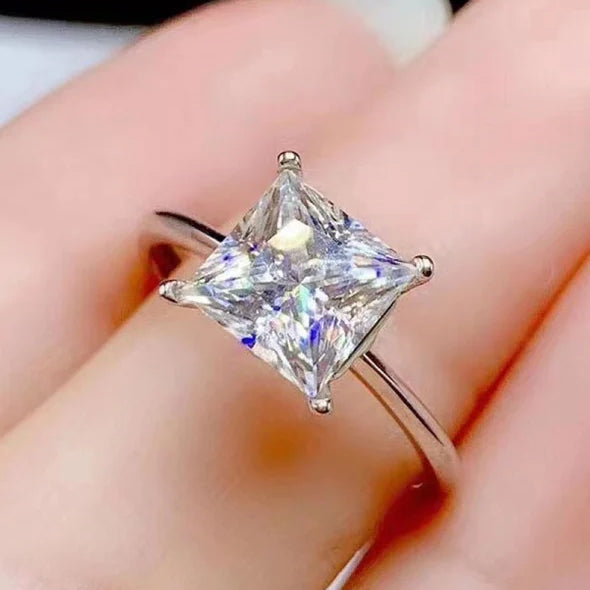
Complete Engagement Rings
Choose a ring with a diamond hand selected by a trained jeweler.


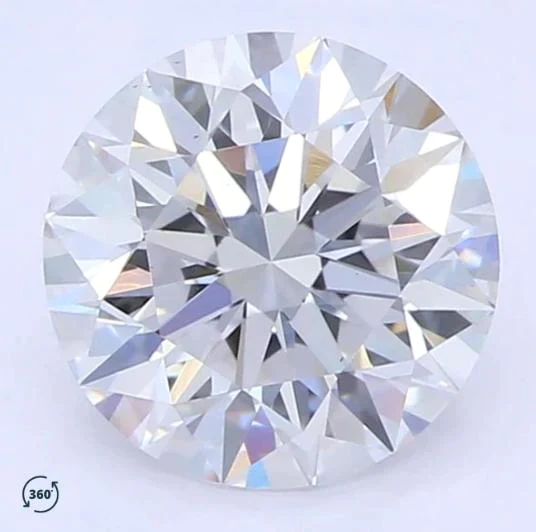
Loose Diamonds
Shop a huge selection of certified natural or lab-grown diamonds. On Sale Now!

Fashion Jewelry
Fashion rings, necklaces, bracelets & earrings. Take your style to a new level.


Comments