
Lab Grown Diamond Sizes: Buying Guide


Lab-grown diamonds come in every size from 0.25ct to over 30ct, with popular shapes like oval and radiant often appearing larger than their weight. With better pricing than mined stones, lab diamonds let you size up, but bigger isn’t always better. Here’s how to choose smart.
What really determines how big a diamond looks?
-
Face-up dimensions matter more than carat weight. A 2ct diamond can look dramatically different depending on cut depth and proportions.
-
Elongated shapes (like oval or radiant) can appear 10–15% larger than rounds of the same weight.
-
Your finger size changes everything. A 2.5ct might feel massive on a size 4.5 finger, but balanced on a size 8.
-
Cut quality impacts visual size and sparkle. A poorly cut stone might look dull and smaller, even if it weighs more.
-
Setting style plays a huge role. Thin bands, halos, and hidden halos can all enhance the visual spread without needing a higher carat.
That’s where Mikado Diamonds comes in. We don’t just sell you the biggest stone; we help you find the diamond that looks and feels just right for you. With expert guidance and zero pressure, you’ll understand every size nuance before you ever say yes.
Keep reading to see how different carat sizes actually look on the hand, what trends we’re seeing in 2025, and how to avoid “size regret” when buying or upgrading.
Why Size Confusion Happens (And How Lab Diamonds Change the Game)

Let’s clear up one of the most common sources of frustration for diamond shoppers: carat weight isn’t the same as diamond size.
A 2-carat round and a 2-carat oval won’t look the same on the hand. In fact, two 2-carat rounds can even appear different if one is cut deeper or has a thicker girdle.
That’s because what you see from the top, called the “face-up size”, depends just as much on the diamond’s shape and proportions as it does on weight.
Millimeters Matter More Than Carats
Carat weight tells you how heavy a diamond is, not how large it appears. Think of it like stepping on a scale; it doesn’t tell anyone your height or your shoe size.
When choosing a diamond, you’ll want to look at the millimeter (mm) measurements across the top. That’s what actually affects how big the stone looks once it’s set.
We always share these dimensions with our clients upfront because they’re often more helpful than the carat number alone, especially when comparing fancy shapes like ovals or emeralds.
Lab-Grown vs. Natural: Same Carat, Bigger Opportunity

For the same carat weight, lab-grown and mined diamonds will be the same physical size. What’s different is the price tag, and that changes everything.
Lab-grown stones are usually 60–80% less expensive than their mined counterparts. That means if your budget once stretched to a 1.25ct natural diamond, it may now afford you a 2.5ct lab-grown option.
And with that kind of upgrade potential, it’s no wonder we’re seeing more clients reach for 3ct center stones than ever before, especially in value-maximizing shapes like ovals and radiants.
Cut Proportions & Illusions of Size
Not all diamonds with the same carat face up the same.
A shallow-cut diamond may look larger from the top, but it can sacrifice light performance and sparkle. Conversely, a deeply cut diamond may appear smaller despite being heavier, a common frustration we hear from clients comparing stones side by side.
This is why we always guide buyers to focus on beauty, not just dimensions. A well-cut 2.0ct diamond that catches light beautifully will make a stronger impression than a dull 2.5ct with poor angles.
Helpful Resource -> Emerald Cut Diamond Size Chart: Carat Size Guide
How Settings Influence Perception
If you’re trying to make a diamond look larger, your setting choice matters.
Thin bands create contrast, making the center stone appear bigger. Halo settings, especially hidden halos like we design at Mikado, can dramatically boost visual size without changing the diamond’s actual carat.
We’ve even had clients upgrade to lab-grown diamonds not because they wanted something “better,” but because they wanted a size that matched the visual impact they’d seen on Instagram or Pinterest.
The trick? Many of those “Insta-rings” use clever settings and elongated shapes that cheat the eye, a trend we help demystify for every shopper.
Helpful Resource -> The Most Secure Ring Settings (Ranked & Explained)
Size Guide: How Lab-Grown Diamonds Measure Up
Carat to Millimeter Size Chart (Face-Up Size Comparison)
If you want to know how big a diamond will look rather than just what it weighs, this is the chart that matters. Below are average face-up dimensions for popular shapes at common carat weights.
Keep in mind that the millimeter size can vary slightly depending on proportions and depth, but this gives you a solid visual reference.
|
Carat |
Round (mm) |
Oval (mm) |
Emerald (mm) |
Radiant (mm) |
|
0.25ct |
4 mm |
5 x 3 mm |
4.3 x 3 mm |
4.3 x 3.0 mm |
|
0.50ct |
5 mm |
6 x 4 mm |
6 x 4 mm |
6 x 4.0 mm |
|
1.00ct |
6.5 mm |
7.7 x 5.7 mm |
7.0 x 5.0 mm |
7 x 5.0 mm |
|
2.00ct |
8 mm |
9 x 7 mm |
8.5 x 6.5 mm |
8.2 x 6.2 mm |
|
3.00ct |
9.1 mm |
12 x 8 mm |
9.3 x 7.5 mm |
9.5 x 7.5 mm |
|
5.00ct |
11 mm |
12.0 x 10.0 mm |
11.0 x 9.0 mm |
11.0 x 9.0 mm |
|
ct |
14 mm (10.49ct) |
16 x 14 mm (11.88 ct.) |
16.0 x 12.0 mm (14.22 ct.) |
14.0 x 12.0 mm (12.14 ct.) |
This is exactly the kind of data we walk our Mikado clients through during consultations. A 2ct radiant, for example, might not sound that big on paper, but once you see it next to a similar round, the spread difference is clear.
Hand Visuals & Finger Size Impact

Here’s a truth that surprises many people: your finger size changes how big a diamond looks.
A 1ct round might look substantial on a size 4.5 finger, but barely make a statement on a size 8.
We’ve had multiple customers come in asking for a 2.5ct diamond, only to realize on their size 5 finger, it looked overwhelmingly large, even “fake” in their own words.
On average:
-
1ct looks elegant and balanced on most finger sizes.
-
2–2.5ct gives you a more luxurious look without overdoing it.
-
3ct+ on smaller fingers (size 4–5) can begin to look theatrical or heavy if not paired with the right setting.
For wider fingers, going larger often helps maintain proportion and presence. We often recommend elongated shapes like oval or marquise, which maximize face-up size and visual flow across the hand.
Why Shape Changes Everything
Not all carats are created equal, especially when it comes to shape. Elongated cuts like oval, pear, and marquise can look 10–15% larger than rounds of the same carat weight because of how they stretch across the finger.
If you’re after a stone that makes a big visual impact, shapes like:
...tend to give you the most “size for your spend.”
Conversely, shapes like Emerald and Asscher carry more depth and a smaller face-up area, so they often look smaller than their weight suggests. Though their hall-of-mirrors sparkle is in a class of its own.
So if you’ve ever looked at two 2ct diamonds and thought, “Why does that one look way smaller?”, it’s likely a shape and cut-depth issue.
How Big Can a Lab Diamond Get? (And Should You Go That Big?)

Technical Limits of Lab Growth
The largest lab-grown diamond ever produced tipped the scales at over 150 carats. But before you start picturing a fist-sized rock on your finger, let’s zoom in on what that actually means for jewelry buyers.
In reality, most gem-quality lab diamonds sold for engagement rings and fine jewelry top out around 10–15 carats. That’s still massive.
But anything larger becomes increasingly rare, not because it’s impossible to grow, but because it’s impractical. The bigger the diamond, the more difficult it becomes to grow it without visible inclusions or structural strain.
In our experience, once you pass the 4ct mark, the availability of well-cut, eye-clean stones starts to thin out. We’ve had clients request 6 or 7ct stones, and while we can source them, it often takes extra time and patience to find something that meets our standards.
Lab vs Natural for Large Stones
This is where lab diamonds shine, literally and financially.
Want a 3.0ct natural diamond? Expect to pay $45,000+. Want the same size in a certified lab-grown?
It could be as little as $7,000 to $10,000, depending on cut and clarity. That’s not a small price gap; that’s a lifestyle gap. A difference that lets you prioritize design, setting, or even savings without compromising on size.
Plus, lab-grown production allows growers to aim for specific carat targets, so getting exactly what you want (a 2.8ct oval or a 3.2ct radiant) becomes more feasible than hoping to find that perfect mined diamond at a showroom.
That said, it’s important to recognize a few trade-offs. Ultra-large lab diamonds can sometimes exhibit stronger fluorescence, and if cut too quickly to maximize yield, they may have compromised symmetry or polish.
Going Too Big: The Aesthetic Ceiling
Here’s where the conversation gets real. Just because you can go big doesn’t mean you should.
We’ve had customers come in wanting a 5ct center stone, and later scale back to 3ct after trying it on and realizing it looked overwhelming. We’ve also had clients fall in love with 4ct ovals, only to return and say, “It felt too flashy for me” or “It kept catching on things.”
There’s a point where a diamond shifts from “elegantly bold” to “cocktail ring energy.” And while some people love that, others find it impractical for daily wear.
Things to consider if you're sizing way up:
-
Comfort: Larger diamonds can rotate or lean, especially on smaller fingers. They also sit higher and may feel bulky.
-
Security: Heavier stones demand secure settings. We often recommend bezel or halo styles for stability.
-
Durability: Bigger diamonds with shallow cuts (done to increase face-up size) may be more prone to chipping at the edges.
-
Perception: Some clients worry a 4–5ct lab diamond may raise eyebrows or feel “too good to be true.” If that’s a concern, we’ll help you find a size that feels impressive but believable.
We don't just sell you the biggest stone you can afford; we help you choose the one that fits. Your hand, your lifestyle, and your comfort level.
Whether that’s a bold 3.5ct radiant or a sleek 1.8ct oval in a hidden halo, the right size is the one you’ll love wearing every day.
What’s the Most Popular Size for Lab Diamonds Right Now?

We’ve seen a clear trend: most shoppers today are choosing lab-grown diamonds in the 4 to 5 carat range. That would’ve been unthinkable just a few years ago, especially for engagement rings.
But thanks to price drops and shifting expectations, what used to be “celebrity size” is quickly becoming the new normal.
The standout?
The 5-carat oval. It offers a long, elegant silhouette that looks even bigger than its carat weight suggests. For many of our clients, it's the ideal balance, bold enough to feel luxurious, but still wearable for everyday life.
This shift started gaining real momentum after 2021, when lab diamond prices began dropping significantly. Suddenly, a 2.5ct or 3ct lab diamond became more affordable than a 1.5ct mined stone, with no visible compromise in quality.
We’ve helped countless couples upgrade from their original 1.0–1.5ct mined diamonds to a larger, brighter lab-grown center, often for less than they paid the first time around.
And the surprise doesn’t stop there. Many first-time buyers come in expecting that a 4ct diamond will be out of reach, only to find out it now costs what a 2ct mined diamond did just a few years ago.
The result? A new wave of confident, size-savvy shoppers who are getting more sparkle for their money than ever before.
This isn’t about chasing carats for clout. It’s about value, visibility, and knowing what’s possible. And if you’ve been dreaming of a ring that makes a statement without blowing your budget, now is the best time in history to explore your options.
Buying the Right Size for Your Style, Budget & Setting

Choosing the right diamond size isn’t just about the numbers; it’s about you.
Your hand, your lifestyle, your design preferences. Whether you’re starting from scratch or upgrading an existing piece, the goal is to pick a size that feels like you every time you look down at it.
For Engagement Rings
Let’s start with the most personal piece of jewelry most people ever buy: the engagement ring.
-
1.0ct is a timeless classic, always elegant, always appropriate.
-
1.5–2.5ct has become the new standard among lab-grown buyers. It offers extra presence without feeling showy.
-
3.0ct and above makes a bold, eye-catching statement. We recommend simple solitaire or hidden halo settings to keep the focus on the diamond while ensuring long-term comfort and stability.
For Earrings or Pendants
When it comes to earrings and pendants, proportion is everything.
-
0.5–1.0ct per ear tends to be the sweet spot, elegant, versatile, and timeless.
-
1.5ct+ pendants or studs are bold, high-impact pieces, perfect for milestones, red carpets, or just treating yourself.
We frequently build lab-grown pendant upgrades for clients celebrating promotions or anniversaries. The added carat weight is noticeable, and often far more affordable than mined options in the same range.
For Upgrades & Anniversaries
Lab-grown diamonds are perfect for upgrades, whether you're honoring a milestone or simply ready for a change.
Many Mikado clients come to us wanting to upgrade a ring they bought five or ten years ago, often with a 1.0–1.5ct mined diamond. Today, that same budget can get them a 2.5–3ct lab-grown diamond with better brilliance and custom craftsmanship to match.
When upgrading, we always advise considering the original setting. Some rings can be modified to fit a larger stone; others may benefit from a full redesign.
Either way, we make sure the result honors your original piece while elevating its presence.
Lab Diamond Prices by Size: What You Get for Your Budget
Price Comparisons

Lab-grown diamonds aren’t just a more ethical or sustainable choice; they’re also a game-changer when it comes to price.
On average, a 1ct lab-grown diamond costs about 70% less than a 1ct natural diamond of the same quality. That means a budget that once only covered a modest mined stone can now comfortably stretch into 2.0ct or even 3.0ct territory.
Let’s break it down:
-
1.0ct lab-grown: ~$1,000–$2,000
-
1.0ct mined: ~$5,000–$6,500
-
2.0ct lab-grown: ~$3,000–$5,000
-
3.0ct lab-grown: ~$7,000–$9,000
-
2.0ct mined: ~$12,000–$18,000
That’s not just a price difference; that’s an entirely different tier of visual impact, flexibility in setting choice, and personalization potential.
We’ve found the 1.5–2.5ct range to be the ultimate value zone. You get a visually impressive diamond that feels luxurious, without tipping into the “too big” or “too expensive to feel comfortable” territory.
It’s also the range where cut quality and brilliance remain more consistent across our curated inventory.
Ready to Pick Your Perfect Diamond?

You don’t need to guess your way through this.
At Mikado, we’ve helped thousands of clients move from overwhelm to clarity, whether they’re choosing their first engagement ring or upgrading to something that finally feels “just right.” We break down carat, cut, shape, and setting into simple, visual, real-world choices, so you never feel stuck or second-guess your decision.
Ready to see what your perfect diamond size could be?
Mikado Collection
Hand Crafted Engagement Rings, Loose Natural and Lab-Grown Diamonds and a Fashion Jewelry Collection of Rings, Necklaces, Bracelets, and Earrings.

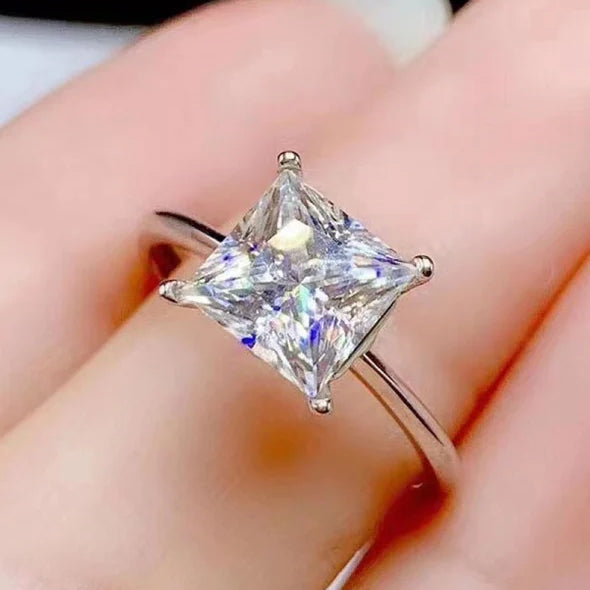
Complete Engagement Rings
Choose a ring with a diamond hand selected by a trained jeweler.


Loose Diamonds
Shop a huge selection of certified natural or lab-grown diamonds. On Sale Now!

Fashion Jewelry
Fashion rings, necklaces, bracelets & earrings. Take your style to a new level.


Comments