
Top 7 Durable Stones for Engagement Rings


Diamonds are the hardest, but Moissanite, sapphires, and rubies also hold up beautifully to daily wear. This guide breaks down the most durable gemstones.
So your ring stays as stunning in year ten as it did on day one.
But picking a stone that lasts isn’t just about Mohs scale numbers. It’s about balancing beauty with function, sparkle with strength, and making sure your ring can handle everything from gym sessions to dish duty.
We’ll cover which stones truly stand the test of time, what settings protect them best, and how to choose the right one for your lifestyle and budget.
Whether you're eyeing a 3-carat lab-grown diamond or a sapphire center with a hidden halo, we specialize in crafting custom rings that combine durability, elegance, and personal meaning.
Want to know which stones will actually hold up to real life? Let’s dive in.
What Are the Most Durable Stones for Engagement Rings?
Let’s face it, an engagement ring isn’t something you take off when life gets messy. It’s there through workouts, road trips, daycare pickups, dishwashing marathons, and everything in between.
That’s why durability shouldn’t be an afterthought. It should be the foundation.
\Whether you’re drawn to classic diamonds or curious about lab-grown color, this guide will walk you through which stones hold up best in the real world, and which ones need extra care to survive it.
Why Durability Should Be Non-Negotiable in an Engagement Ring

You’re not buying a piece of art to hang on a wall. You’re buying something meant to be worn, touched, and lived in every single day.
So let’s talk durability. There are three things that determine whether a gemstone can handle daily life:
-
Hardness: How resistant it is to scratching (measured on the Mohs scale).
-
Toughness: How well it holds up to chips, cracks, or blunt force.
-
Stability: How resistant it is to heat, light, and chemicals like soaps, lotions, and cleaning agents.
Daily life is tougher on rings than most people realize. Even something as ordinary as household dust ranks a 7 on the Mohs scale, meaning it can scratch anything softer. If your ring sits below that threshold, regular wear will take its toll fast.
Gemstone Durability 101: Understanding the Mohs Scale and More
Most people hear that diamonds are a “10” on the Mohs scale and assume they’re invincible. But here’s what that number really means:
The Mohs scale (ranging from 1 to 10) measures a stone’s resistance to scratching, not breaking, not cracking, just scratching. Diamond tops the list, yes, but it’s also brittle. Hit it at the wrong angle? It can chip.
This is where toughness comes in.
Toughness is a stone’s ability to resist shattering or breaking. Some stones score high in hardness but low in toughness (like topaz or diamond). Others are tougher but softer (like jade).
So what’s the magic number for daily wear? 7.5 or above. Anything less, and you’re risking long-term surface damage, even from your own hands.
We walk every client through these basics because understanding them leads to smarter, more satisfying ring choices. Durability isn’t just a technical detail; it’s peace of mind, long after the “yes.”
Top 7 Most Durable Engagement Ring Stones (Ranked by Real-Life Wearability)

Forget trends, this list is built on science, not social media.
When it comes to an engagement ring, your stone needs to look stunning and stay stunning, whether you're navigating a toddler meltdown, a kettlebell swing, or just a particularly enthusiastic round of hand-washing.
Below are the top gemstones that can handle daily life with grace. These picks combine hardness, toughness, and real-world staying power, so your forever ring truly lasts forever.
1. Diamond (Mohs 10)
Pros: Unmatched hardness, timeless beauty, strong resale value
Cons: Can still chip if struck, high price tag
Best for: Traditionalists, heirloom lovers, everyday wear
Diamond is still the undefeated heavyweight when it comes to scratch resistance. With a perfect 10 on the Mohs scale and serious sparkle to match, it’s no wonder it’s been the go-to for generations.
That said, even diamonds can chip if hit the wrong way, especially in sharp, exposed cuts like princess or marquise. The key is pairing your diamond with a strong setting (more on that soon).
2. Moissanite (Mohs 9.25)
Pros: Extremely durable, brighter sparkle than diamond, affordable
Cons: Slightly different brilliance (double refraction), lacks diamond prestige
Insider tip: Holds up better than diamonds during heat repairs, with less risk of damage
Moissanite isn’t just a budget diamond; it’s a powerhouse in its own right. It ranks just under diamond on the hardness scale, but actually resists cracking better in some situations.
For couples looking to maximize size and sparkle without maxing out their budget, it’s an ideal pick, especially for stones over 3 carats, where lab-grown moissanite shines both literally and financially.
3. Sapphire (Mohs 9)
Pros: Classic, colorful, and incredibly hard; excellent for active lifestyles
Cons: Inclusions can appear in lower-quality stones; price varies with color and clarity
Best for: Buyers who want beauty and durability in any color of the rainbow
Sapphire isn’t just blue; it’s pink, green, yellow, and even white.
And no matter the shade, it holds its own under daily wear. That’s why it’s a favorite for vintage lovers, royals, and practical romantics alike.
4. Ruby (Mohs 9)
Pros: Bold color, excellent durability, rich symbolism
Cons: High-quality rubies are rare and pricey
Best for: Passionate personalities who want something different but lasting
Rubies are a form of corundum, just like sapphire, and they carry the same incredible durability. What sets them apart is their deep, fiery hue, symbolic of love, strength, and vitality. They’re not for everyone, but when someone chooses Ruby, they rarely look back.
5. Spinel (Mohs 8)
Pros: Excellent toughness, affordable, wide range of colors
Cons: Still under the radar, but growing in popularity
Spinel used to be mistaken for ruby; it's that vibrant. But what really sells it is its durability and affordability. If you're looking for something different that punches above its weight, spinel is your gem.
6. Alexandrite & Chrysoberyl (Mohs 8.5)
Pros: Rare, color-changing beauty; strong durability
Cons: Difficult to source and often pricey
Best for: Collectors, individualists, lovers of “hidden” beauty
These gems are like magic in a ring.
Alexandrite changes color from green to purplish-red under different lighting, and chrysoberyl (its more common cousin) shares impressive toughness.
For clients who want something meaningful and unexpected, these stones are an incredible conversation starter and performer.
7. Topaz (Mohs 8)
Pros: Bright brilliance, budget-friendly
Cons: Can split or crack if struck (cleavage planes)
Best for: Occasional wear or rings with protective settings
Topaz might surprise some on this list.
It’s hard, but not tough. That means it resists scratches but can split with a hard knock. If you love topaz, consider it for accent stones or wear it in a low-profile setting to reduce the risk.
Durable Diamond Alternatives That Don’t Feel Like Compromises
If you’re not set on a traditional diamond, good news: you’ve got options.
And not the kind that requires constant caution or weekly repairs. Today’s alternatives deliver real durability, without sacrificing beauty, ethics, or budget.
Let’s clear something up first.
Moissanite is not cubic zirconia. CZ might look good for a few months, but it clouds up quickly, scratches easily, and wears down fast.
Moissanite, on the other hand, ranks a stellar 9.25 on the Mohs scale. It maintains its fire, holds up under heat (ideal during resizing), and stays brilliant for decades.
Another category worth exploring? Lab-grown sapphires and rubies.
These stones are chemically identical to their natural counterparts, which means the same legendary hardness and beauty, minus the mining.
We’ve designed dozens of custom rings using lab-grown sapphire centers that offer stunning color and long-term performance at a fraction of the cost.
And for those who crave color without compromise, lab-grown colored diamonds are rising stars. From vibrant pinks to champagne tones, they give you rare hues without the price hikes or fragility of heavily treated stones. And yes, they’re just as hard as natural diamonds.
Stones to Avoid for Everyday Engagement Rings (and Why)

Some stones, though beautiful, just aren’t built for everyday life. They fall below the safe threshold for daily wear or have structural issues that make them prone to damage.
Opal, Pearl, Emerald, Morganite, Amethyst
All of these gems either rank below 7.5 on the Mohs scale or have internal vulnerabilities that can spell trouble in an engagement ring:
-
Opals and pearls are incredibly soft and porous. Opals can absorb water, change color, or crack. Pearls can scratch just by rubbing against a desk or zipper.
-
Emeralds, while harder (7.5–8), often contain microscopic fractures that make them vulnerable to chips and cracks, especially if the ring is worn daily.
-
Morganite and amethyst may look dreamy, but they scratch easily over time, dulling their luster and increasing repair needs.
That said, if your heart is set on one of these gems, all is not lost.
Don’t Forget the Setting, Your Stone’s First Line of Defense
Even the hardest stone can chip if the setting fails. That’s why we always tell our clients: durability starts with design.
Bezel and halo settings offer serious protection.
A bezel wraps around the stone’s edge, shielding it from bumps and drops. Halo settings surround the center stone with smaller gems, adding sparkle and acting like a shock absorber.
If you love delicate stones like emerald or morganite, this kind of protection is non-negotiable.
Tension settings, the ones that make the stone appear to float, are stunning, but risky.
They apply pressure to hold the gem in place and expose more surface area. That works fine for diamonds or moissanite. But if you're using a softer or fracture-prone gem, it’s an accident waiting to happen.
Metal choice also matters. Gold is beautiful, but softer. Over time, thin gold prongs can bend, loosen, or wear down, especially if you’re hard on your hands. In contrast, platinum and titanium offer more strength and require less maintenance.
Pro tip: White gold needs periodic rhodium redipping to maintain its shine. That process wears down the metal over time, something many jewelers forget to mention.
We custom-build our settings with longevity in mind. Reinforced claws, hidden bezels, thick bands where needed, we design for real life, not just the showroom.
Which Stones Are Best for Active Lifestyles (Nurses, Athletes, Parents)?

Your lifestyle should play just as big a role in your ring choice as your budget or style. If your hands are your tools, whether you’re a nurse, mechanic, teacher, or parent, you need a ring that can roll with the punches.
Best picks?
-
Moissanite – Tougher under blunt impact than diamond, and heat-resistant during repairs.
-
Diamond – Classic, hard, and durable if properly set.
-
Sapphire – Hard and tough, perfect for those who want color without compromise.
But the stone alone isn’t enough. The setting makes or breaks it.
We’ve built countless rings for people with active hands using hidden halos (which add cushion without bulk) and flush settings that lower the profile, keeping the stone out of harm’s way.
How to Care for Durable Stones So They Stay That Way
Just because your stone is hard doesn’t mean it’s invincible. One of the biggest myths I see in this industry is that durability equals zero maintenance. That’s simply not true.
Here’s how to keep even the toughest stones looking flawless for years:
-
Clean smart: Use a soft toothbrush, mild soap, and warm water. Avoid ultrasonic cleaners for anything with inclusions (like emeralds) or treated stones.
-
Avoid impact while cleaning: One careless knock against a sink or countertop is all it takes to chip an edge, especially on exposed cuts like pear or marquise.
-
Get regular inspections: At Mikado, we recommend clients have their settings professionally checked once a year. Loose prongs can go unnoticed until your stone’s missing.
-
Yes, even diamonds need insurance: Accidents happen. A chipped diamond or lost ring is painful and costly. Protect your investment.
And don’t underestimate the little things.
Household dust, yes, the stuff that settles on your windowsill, is around Mohs 7. That means softer stones like garnet, fluorite, or opal can slowly scratch over time just from being worn out in the world.
Durability buys you peace of mind. Care keeps it that way.
Still Overwhelmed? Here’s How to Choose the Right Durable Stone

Feeling like it’s all too much? You’re not alone. But the good news is, there’s a perfect stone out there for every lifestyle, style, and budget, and I’ve helped hundreds of couples find theirs.
Here’s how to narrow it down:
-
Lifestyle first: Do you cook a lot? Work out? Chase kids? Work with tools? If yes, skip fragile gems and go for moissanite, diamond, or sapphire with a low-profile setting.
-
Budget = more options than ever: You don’t need to spend $10K for a lasting stone. Lab-grown diamonds, sapphires, and moissanite all deliver top-tier durability for under $2K.
-
Style matters: Love color? Sapphire or spinel might be your match. Prefer sparkle and size? Moissanite can give you a 3+ carat look with zero guilt.
-
Thinking big? Moissanite and lab-grown diamonds scale up without sacrificing strength, so you can go bold and durable.
We guide you through all of this with zero pressure. We’ll look at your lifestyle, goals, and design preferences, and build something that fits you. Because your forever ring should feel just as good on your finger as it looks in your heart.
Where to Buy Durable Stones You Can Actually Trust

Let’s be honest, most jewelers are still selling based on sparkle alone.
But what about structure?
What about how that ring will look five years from now after yoga, yard work, and parenting?
That’s why where you buy matters just as much as what you buy.
Work with specialists who understand that durability isn’t optional, it’s foundational. We prioritize long-term wearability just as much as aesthetics. Because when you’re building something that’s meant to last forever, there’s no room for shortcuts.
Here are five questions we love when clients ask during consults (and yes, your jeweler should be able to answer all of them confidently):
-
What’s the Mohs hardness and toughness of this stone?
-
Is this cut prone to chipping or wear?
-
What setting will protect it best?
-
How will this metal hold up over time?
-
What kind of maintenance or care will this ring need?
If your jeweler can’t answer those or brushes them off, run.
As for materials?
We often recommend lab-grown diamonds for clients who want big, brilliant, and durable. They’re just as hard as natural stones, hold up beautifully, and allow you to size up without blowing your budget.
Final Thoughts: A Beautiful Ring Is One That Lasts

Yes, your engagement ring should be breathtaking. But it should also be battle-tested. The stone you choose, and how it’s set, should carry you through workouts, weddings, late-night diaper changes, and everything in between.
Because when a ring is truly durable, it means:
-
Fewer repairs.
-
Less worry.
-
More moments fully lived.
We don’t believe you should have to choose between beauty and strength. We specialize in custom engagement rings that look incredible and live fearlessly.
If you're ready to find a ring that fits your style and your lifestyle, we’re here to help. Book a consult with Mikado to explore lab-grown diamonds and designs that are built to last, and love.
Mikado Collection
Hand Crafted Engagement Rings, Loose Natural and Lab-Grown Diamonds and a Fashion Jewelry Collection of Rings, Necklaces, Bracelets, and Earrings.

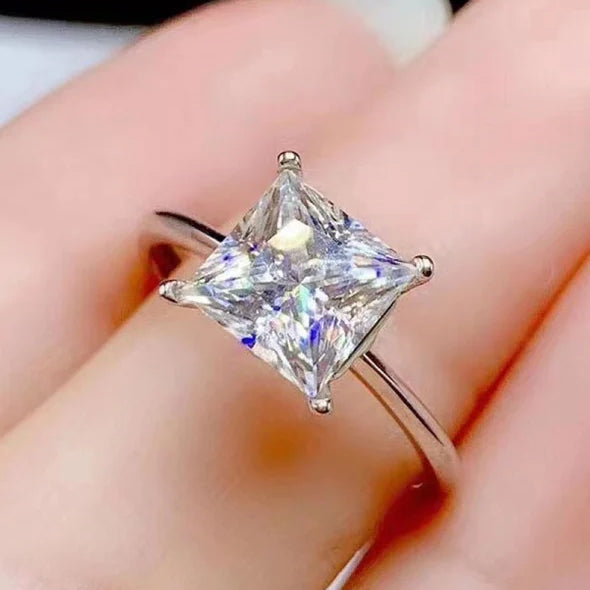
Complete Engagement Rings
Choose a ring with a diamond hand selected by a trained jeweler.


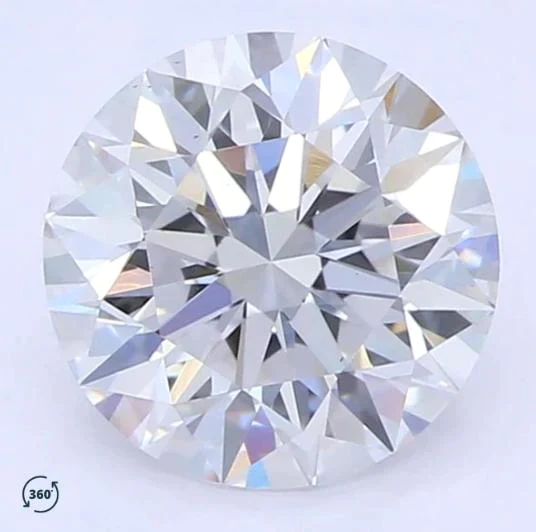
Loose Diamonds
Shop a huge selection of certified natural or lab-grown diamonds. On Sale Now!

Fashion Jewelry
Fashion rings, necklaces, bracelets & earrings. Take your style to a new level.


Comments