
Do Lab-Grown Diamonds Hold Their Value?


Lab-grown diamonds are real diamonds but typically have low resale value, often just 10–20% of the purchase price, if that. Unlike mined diamonds, they aren’t rare and are cheaper to produce, making them a beautiful but emotional, not financial, investment.
If you’re weighing your options between a mined diamond and a lab-grown one, you might be wondering: will this hold its value down the road? Can you resell it later, or will you be stuck with something no one wants? These are fair, smart questions, and ones I hear every week from engaged couples trying to get it right.
Here’s the truth: no diamond, lab or mined, is a great “investment.” But that doesn’t mean lab-grown diamonds aren’t worth buying. In fact, they offer the kind of ethical, affordable brilliance that today’s buyers are actually asking for.
What Determines a Diamond’s Value, Anyway?

The 4Cs Still Matter, But So Does Origin
When it comes to understanding a diamond’s value, we start with the basics: the 4Cs. Carat, cut, clarity, and color are the global standard for grading diamonds, and they absolutely apply whether the diamond is mined or lab-grown.
- Carat refers to the weight of the diamond. Bigger doesn’t always mean better, but it often means more expensive.
- Cut is the most important of the four. It determines how well the diamond reflects light, aka, how much it sparkles.
- Clarity measures internal and external imperfections, called inclusions and blemishes.
- Color ranges from colorless (the most rare and valuable) to faint yellow or brown hues.
But there’s a fifth factor that quietly shapes value: origin.
Whether a diamond is grown in a lab or pulled from the earth makes a big difference, not in quality, but in perception. While lab-grown diamonds are chemically and optically identical to mined diamonds, they aren’t considered “rare,” and rarity is what props up traditional resale markets.
Gold has value because it’s scarce. Diamonds, at least mined ones, have been marketed the same way. Lab-grown diamonds challenge that model. They aren’t rare. And because they can be produced more efficiently and at scale, the market treats them differently, regardless of how beautiful or well-cut they are.
In the end, resale isn’t about just quality, it’s about perception and supply. A flawless lab-grown diamond may technically outperform a lower-quality mined one, but its resale value will likely be far lower because the market simply doesn’t view it the same way. That’s not fair, but it’s how the resale landscape currently works.
Why “Value” Isn’t Always Financial
Here’s something I tell nearly every couple I work with: a diamond’s real value isn’t what someone else will pay for it, it’s what it means to you. You’re not just buying a rock. You’re buying a story. A moment. A symbol that says, “this is the one.”
Financially, lab-grown diamonds aren’t known for their resale power. You might get 10–20% back, if you can sell it at all. That’s a hard truth for anyone hoping it’ll hold value like gold or stocks. One buyer said it best: “Buy it, wear it & enjoy it. It’s not an investment.” And honestly, they’re right.
But then there’s emotional value, the kind you can’t measure in dollars. That moment someone says “yes.” The way the light catches when they smile. The fact that you made a thoughtful choice, not a pressured one. That’s the value most people care about when they look at their hand every day.
Still, the question lingers for many: “What if I need to sell it later?” Maybe the relationship ends. Maybe your style changes. Or maybe you just want to upgrade. We’ll get into what resale actually looks like below, but just know this: buying a lab-grown diamond isn’t irresponsible. It’s intentional. And for many, that makes it priceless.
Lab-Grown vs. Natural Diamonds, How Resale Compares

Most natural diamonds resell for 30–60% of what you originally paid, depending on quality, certification, and market timing. That might sound okay, until you realize that means you’ve still lost half your money on a so-called “investment.”
For lab-grown diamonds, expect 10–20% of the original price, if you’re able to sell it at all. Many traditional jewelers won’t take lab-grown diamonds back, even with certification and like-new conditions. The resale market is limited, unstructured, and often reliant on peer-to-peer platforms.
We’ve heard firsthand stories of people trying to resell their lab-grown diamonds online and hitting a wall. One seller managed to offload a certified 2-carat stone for 15% of the retail price, only after weeks of negotiating with multiple buyers. Another was turned away by every jeweler they approached, despite presenting IGI paperwork and pristine quality.
The problem isn’t that the diamonds aren’t beautiful. It’s that the secondary market hasn’t caught up yet. Most buyers still expect resale value to be tied to rarity. And because lab diamonds can be produced at scale, they’re seen as less “collectible” by resellers, even if they sparkle just as brilliantly.
That’s not a reflection of their worth to you. But it is a reality if you’re planning to recoup your costs someday.
Why Lab Diamonds Drop in Value
There are three core reasons why lab-grown diamonds don’t hold value the way many people expect:
- They’re not rare: At the heart of resale value is scarcity. Mined diamonds are priced, and resold, based on the idea that they’re limited. Lab-grown diamonds, on the other hand, can be produced as needed with the right technology. That lack of rarity means resale demand stays low, no matter how beautiful or well-cut the stone is.
- Technology keeps improving, and that’s lowering prices: The cost to create lab diamonds has dropped significantly over the past decade. What used to be cutting-edge is now relatively affordable. And as production becomes more efficient, retail prices continue to fall.
- Most jewelers won’t take them back: Unlike natural diamonds, lab-grown stones often don’t qualify for trade-in programs, upgrades, or buybacks. Some jewelers won’t even look at them. One frustrated buyer summed it up: “Not a single jeweler I know will buy a LG back.” That’s a common experience, and it leaves resale hopefuls turning to online marketplaces or private sales, where prices are usually rock bottom.
Do Larger Lab Diamonds Resell Worse?
Absolutely. In most cases, larger lab-grown diamonds are even harder to resell than smaller ones.
It’s a supply-and-demand issue.
Big stones already come with higher price tags, even in the lab-grown world. But when you try to resell one, the number of potential buyers who both want and trust a large pre-owned lab diamond is tiny. Many are wary due to resale misconceptions, concerns about certification, or simply because they assume a deal that is good must be “too good to be true.”
Should You Still Buy One? Absolutely, Here’s Why
You’re Not Buying It to Flip It
No one’s buying an engagement ring to day-trade it. You’re not planning to resell it next quarter. You’re not looking for dividends or watching diamond prices on the stock ticker.
You’re buying something that marks one of the most meaningful moments in your life. A piece that reflects who you are, who you love, and what you believe in. And when you think about it that way, resale value starts to take a back seat to what actually matters.
Most of our clients at Mikado Diamonds don’t walk in asking how much they’ll get back if things don’t work out. They ask how to make their partner cry, in the best way. They want a stone that sparkles like their love story. One they can feel proud of ethically, financially, and emotionally.
Lab-grown diamonds check those boxes. You get a bigger, better-looking diamond for less. You skip the mining, the markup, and the pressure. And you walk away with something that’s every bit as real as the moment you’re about to create.
So yes, the resale math may not look amazing on paper, but the value you get in love, ethics, and unforgettable reactions? That’s the kind of ROI that actually matters.

Bigger Stone, Smaller Price Tag
Thanks to advances in technology and reduced production costs, it’s now possible to get a stunning 3-carat lab-grown diamond for less than what you’d pay for a 1.5-carat mined stone of similar quality. That’s not marketing spin, that’s real math. And it’s one of the main reasons more couples are choosing lab diamonds every year.
At Mikado Diamonds, we’ve seen this shift firsthand. The average carat size we sell has gone up, but the average price hasn't. That means our clients are getting more sparkle, more presence, and more joy for the same, or even less, than what they would’ve spent just a few years ago.
It’s one of the clearest examples of how lab-grown diamonds are changing the game. You’re no longer forced to sacrifice size for quality, or ethics for affordability. With the right guidance, you can have it all.
Ethical Beauty Without Compromise
Lab-Grown diamonds are conflict-free, eco-conscious, and chemically identical to mined diamonds. You don’t have to compromise on sparkle, brilliance, or longevity. In fact, no one, not even most jewelers, can tell the difference without specialized equipment.
But what really sets them apart is how they align with modern values. If you’ve ever felt a twinge of guilt about the ethics of mining, or pressure from family who insist a “real” diamond must be dug out of the ground, you’re not alone. We’ve had plenty of couples walk into consultations at Mikado Diamonds unsure if lab-grown was the “right” choice… only to leave completely confident in their decision.
Because here’s the truth: you don’t need your ring to prove something to anyone but the two of you. Choosing a lab-grown diamond doesn’t mean you’ve settled. It means you’ve thought it through. You’ve chosen beauty without baggage. Sustainability without sacrifice. And love without the markup.
Still Want to Make a Smart Choice? Here’s How Mikado Helps
We get it, you want to make a smart, meaningful choice, not get caught up in sales fluff or pricing games. That’s why everything we do is built around one thing: trust. With a dedicated team and streamlined process, we deliver beautiful, custom engagement rings in a fraction of the time others take, without sacrificing quality or care.
We offer no-pressure, expert-backed guidance to help you navigate the diamond world with clarity and confidence. Whether you’re customizing a ring from scratch or picking the perfect lab-grown stone, you’ll never be rushed or sold something you don’t understand.
Our transparent pricing means no markup games, no mystery, and no “you have to act today” urgency. Just honest value. And because lab-grown diamonds let you go bigger without the premium.

Buy the Diamond You’ll Love to Wear
In the end, you’re not buying a bond, you’re buying a moment, a memory, a promise. Something you’ll see every day. Something that says, “this is us.”
Lab-grown diamonds may not hold their value in dollars, but they hold their value in meaning. They’re not meant to sit in a vault. They’re meant to be worn. To sparkle and remind you what matters.
Want to see what your budget can really get you?
Book a free consultation with Mike at Mikado Diamonds. We’ll help you create something unforgettable.
FAQs About Lab-Grown Diamonds Value Analysis
Q: Are Lab-Grown Diamonds Worth Buying?
A: Absolutely, if you’re buying for the right reasons. Lab-grown diamonds are ideal for those who value beauty, ethics, and personalization over the hope of turning a profit later.
Q: Are Lab Diamonds a Good Investment?
A: Like a new car, lab-grown diamonds start losing resale value the moment you walk out with one. Their price is tied to demand, not rarity, and that makes them a poor fit for anyone hoping to resell at a profit.
Q: Can You Resell a Lab Diamond?
A: Most jewelers won’t buy lab-grown stones, and pawn shops usually offer pennies on the dollar. Some sellers have had limited success on platforms like eBay or Facebook Marketplace, especially with GIA or IGI-certified stones.
Q: Do Jewelers or Pawn Shops Buy Lab Diamonds?
A: Almost never. Jewelers typically avoid buying them back due to resale uncertainty and market stigma. Pawn shops may take them, but at extremely low offers.
Mikado Collection
Hand Crafted Engagement Rings, Loose Natural and Lab-Grown Diamonds and a Fashion Jewelry Collection of Rings, Necklaces, Bracelets, and Earrings.

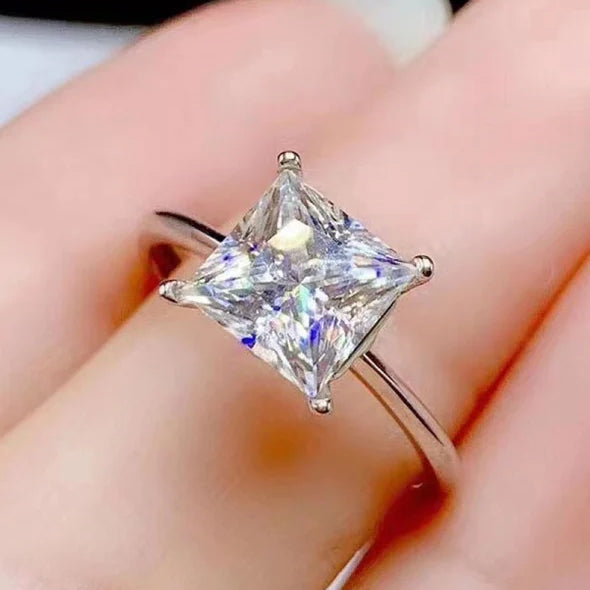
Complete Engagement Rings
Choose a ring with a diamond hand selected by a trained jeweler.


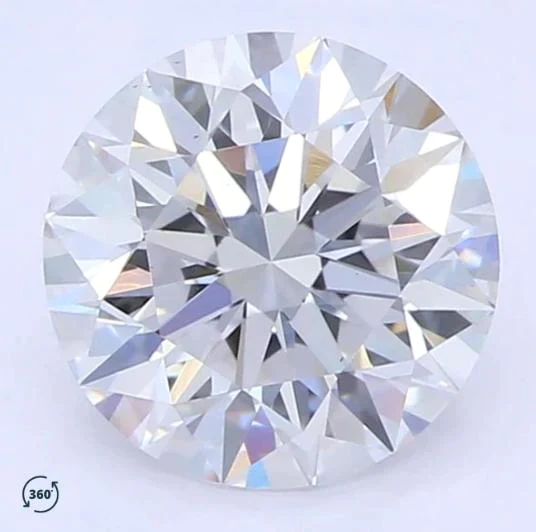
Loose Diamonds
Shop a huge selection of certified natural or lab-grown diamonds. On Sale Now!

Fashion Jewelry
Fashion rings, necklaces, bracelets & earrings. Take your style to a new level.


Comments