
Lab Grown Diamond Buying Guide: How to Buy Smarter


Lab-grown diamonds have changed the way people buy. They’re real, affordable, and make larger, better stones possible, but shopping can still feel confusing. This guide breaks down what matters so you can buy with confidence.
Here’s what you need to know upfront:
- Cut quality is everything, sparkle beats specs on paper
- Lab-grown = bigger stones (3–5 carats) without luxury pricing
- Don’t overpay for color or clarity grades you won’t notice
- Always check videos, certificates don’t tell the full story
- Avoid big-box trade-in traps; custom often costs less
At Mikado Diamonds, we simplify the process, showing you what really matters and filtering out the noise. You’ll see real options, real differences, and make a choice that feels right.
Keep reading to learn how to shop smarter, skip the mistakes, and find a diamond that looks incredible on the hand and on your budget.
What to Look for in a Lab Diamond
Let’s cut through the confusion. If you're new to diamonds, you've probably come across the 4 C’s: Cut, Color, Clarity, and Carat. They’re not just marketing buzzwords. These are the criteria used by grading labs like GIA and IGI to evaluate every diamond, lab-grown or mined.
But here's the part most people get wrong: the 4 C’s don’t all matter equally.

Cut: Where the Magic Happens
If you take away one thing from this guide, let it be this: cut is king. A poorly cut diamond will look dull and lifeless, even if it has top-tier clarity and color.
A well-cut stone, on the other hand, will explode with light. It’s the most important factor in determining brilliance, and sadly, it’s the one buyers overlook most often.
Color: Know Your Sweet Spot
Color is graded from D (colorless) to Z (noticeable yellow or brown tint). While D-F gets all the attention, G-H diamonds often look just as white to the naked eye, especially when set in yellow or rose gold. They offer much better value without sacrificing beauty.
Clarity: Don’t Pay for What You Can’t See
People often chase high clarity grades like VVS1 or IF, thinking it means the diamond will look clearer. Truth is, most inclusions at VS2, or even SI1, are invisible without magnification. Focus on whether a stone is "eye-clean," not whether it’s “flawless” on paper.
Carat: Bigger Isn’t Better (Unless It’s Well-Cut)
Lab diamonds have made 2, 3, even 4-carat stones financially realistic. But remember, carat weight means nothing without good cut and proportions. A massive stone with a flat cut will look glassy and underwhelming. Bigger isn’t better unless it sparkles.
Beyond the Basics, What the Labs Won’t Tell You
Most people think once they’ve seen a GIA or IGI certificate, the hard work is done. But here’s what I tell every client: a lab report is just the starting point. It’s useful, but it doesn’t tell you the whole story, especially with lab-grown diamonds.
Let’s dig into what the charts don’t explain.
HPHT vs. CVD: Two Ways to Grow a Diamond
Lab diamonds are created using either HPHT (High Pressure High Temperature) or CVD (Chemical Vapor Deposition).
Both are legitimate methods, each with their own characteristics:
- HPHT diamonds are known for their durability and may display a slight blue nuance due to boron.
- CVD diamonds sometimes show brownish undertones or strain lines, but those can be minimized with post-growth treatments.
Neither is “better” across the board. What matters is how the individual diamond looks, and that’s why visuals matter more than charts.
Post-Growth Treatments: Read the Fine Print
Some CVD diamonds undergo treatments to improve color and clarity after growth. That’s not inherently bad, but it should be disclosed. Always check the lab report for terms like “post-growth treatment” or “HPHT-annealed.”
If a seller isn’t transparent about this, walk away.
Blue Nuance and Brown Tint: What You Won’t See on Paper
You might be shocked at how many diamonds look great on paper but feel off in person. Sometimes a G-H color diamond has a bluish or grayish cast. Other times, a VS1 stone looks hazy or cloudy despite great specs.
Why?
It comes down to nuance. Lab reports can’t capture undertones, milkiness, or sparkle. That’s why I insist on 360° videos or high-res imaging for every stone we show at Mikado, so you can judge with your eyes, not just numbers.
Crown and Pavilion Angles
You’ll see cut grades like “Excellent” or “Ideal,” but those terms can be misleading, especially for fancy shapes (oval, emerald, radiant, etc.).
What actually affects fire and brilliance are the crown and pavilion angles, and how they work together.
Lab Grown vs. Natural Diamonds

If you’re weighing lab-grown diamonds against mined ones, you're not alone. I talk to people every week who wonder: “Is this too good to be true?” Spoiler: it’s not. But you deserve the facts, not sales fluff.
Let’s break it down clearly: what’s the same, what’s different, and whether you’ll regret going lab-grown (you won’t).
Where They’re the Same
Appearance
Lab-grown and mined diamonds are identical in brilliance, sparkle, and clarity, because they’re made of the exact same stuff: carbon atoms arranged in a crystal lattice. Even gemologists need advanced tools to tell them apart.
Chemical and Physical Properties
Same hardness (10 on the Mohs scale), same durability, same beauty. You’re not getting a “fake” or “simulant”, you’re getting a real diamond, just created differently.
Grading and Certification
Both can be certified by respected labs like IGI and GIA. In fact, GIA recently updated its grading practices for lab-grown diamonds, applying the same standards it uses for mined stones.
Where They Differ
Cost
This one’s obvious: lab-grown diamonds cost significantly less. On average, you’ll save 40–70% compared to a mined diamond of the same size and quality. That budget flexibility means you can afford a 3+ carat diamond without blowing your savings, or invest more in a custom setting.
Environmental Impact
Mined diamonds require massive land movement, water use, and energy. Lab diamonds? Minimal environmental disruption and no mining scars. It’s the cleaner, more sustainable option by far.
Can I Trade In a Lab Diamond Later?

Some jewelers refuse lab diamond trade-ins or upgrades. At Mikado, we work with you long-term. We’re not a one-and-done store; we’re part of your story.
While resale programs vary by seller, we believe in providing ongoing support, whether it’s resizing, restyling, or designing an anniversary upgrade down the road.
How to Shop Smart
This part matters. Because as exciting as it is to buy a diamond, it’s also where most people get overwhelmed, or worse, ripped off. Between influencer ads, automated diamond selectors, and confusing jargon, it’s no wonder buyers second-guess themselves.
So here’s how to protect your wallet and your peace of mind.
Always Get a GIA or IGI Certificate

Every lab-grown diamond should come with a grading report from a trusted third party, ideally GIA or IGI. These labs assess the 4Cs and disclose details like cut proportions, fluorescence, and lab origin. If there’s no report (or it’s from an off-brand lab), it’s a no-go.
Ask for a 360° Video, Not Just Photos
A still image hides a lot. Cloudiness, blue nuance, or dead sparkle won’t show in glamor shots. At Mikado, we send high-res videos of every diamond we recommend, so you can see how it actually performs in motion and light.
Work with a Jeweler Who Explains, Not Pressures
The best jewelers are educators, not salespeople. You should feel guided, not pushed. Look for someone who walks you through every detail: proportions, angle combinations, setting compatibility, and how it’ll wear over time. If they’re rushing the sale or dodging questions? Walk away.
Don’t Assume All “Excellent” Stones Are Equal
This is one of the biggest misconceptions I see. Two diamonds can both be labeled “Excellent” and yet look completely different. Why?
Because cut grades don’t tell the full story, especially with fancy shapes where there’s no universal cut standard. Always compare videos and proportions, not just the label.
Watch for Red Flags (Especially Online)
Be cautious with platforms like Etsy or Instagram, where anyone can sell a “certified diamond” with limited oversight.
Look for clear return policies, real customer reviews, and contact info. If it feels vague or too good to be true, it probably is.
Common Mistakes First-Time Buyers Make

If you’re shopping for a lab-grown diamond for the first time, you’re probably feeling a mix of excitement and stress. That’s normal. But I’ve seen enough buyers fall into the same traps to know which ones to look out for, and how to avoid them.
Let’s walk through the most common mistakes.
Obsessing Over Clarity Instead of Cut
This is hands down the biggest one. People zoom in on clarity grades like they’re buying a microscope. But the truth is, a VS2 or SI1 stone that’s eye-clean will look identical to a VVS1 in real life, and cost thousands less. What you can’t fake is a good cut. That’s what makes the diamond sparkle.
Trusting the Certificate Too Much
A grading report is essential, but it’s not everything. You won’t find notes about cloudiness, poor light performance, or weird tint on a GIA or IGI report. Two stones with identical specs can perform very differently in person. Always go beyond the paper.
Overpaying for D–F Color When G–H Looks the Same
Colorless sounds impressive, but G–H is the sweet spot where value meets beauty. In most lighting conditions, and in the right setting, you’d never notice a difference. But your wallet will.
Getting Distracted by Size and Ignoring Sparkle
Bigger isn’t always better. A 3-carat diamond with poor proportions won’t shine like a well-cut 2-carat diamond. Sparkle comes from symmetry and light return, not just carat weight. Prioritize beauty, not bragging rights.
Buying Without Seeing Video (Especially for Fancy Shapes)
Still images hide a lot. If you’re considering an oval, emerald, radiant, or any fancy shape, video is non-negotiable. It shows you bowties, windowing, and overall light performance, things you can’t see in a static photo.
Believing Resale Value Should Matter
Here’s the honest truth: most diamonds, mined or lab, don’t resell for what you paid. Unless you’re buying as an investor (you’re not), focus on meaning and quality, not future trade-in value. This is a love story, not a stock purchase.
Ready to Find Your Diamond?

Buying a diamond doesn’t have to be stressful, confusing, or filled with sales gimmicks. With lab-grown diamonds, you can finally get the size, sparkle, and quality you’ve dreamed of, without overpaying.
At Mikado Diamonds, we make the process simple. We hand-pick options, explain the details that matter, and help you choose a diamond that looks incredible on the hand and fits your budget. No pressure, no guesswork, just expert guidance every step of the way.
Book a free virtual consultation today and let’s find the lab-grown diamond that’s perfect for your story.
Mikado Collection
Hand Crafted Engagement Rings, Loose Natural and Lab-Grown Diamonds and a Fashion Jewelry Collection of Rings, Necklaces, Bracelets, and Earrings.

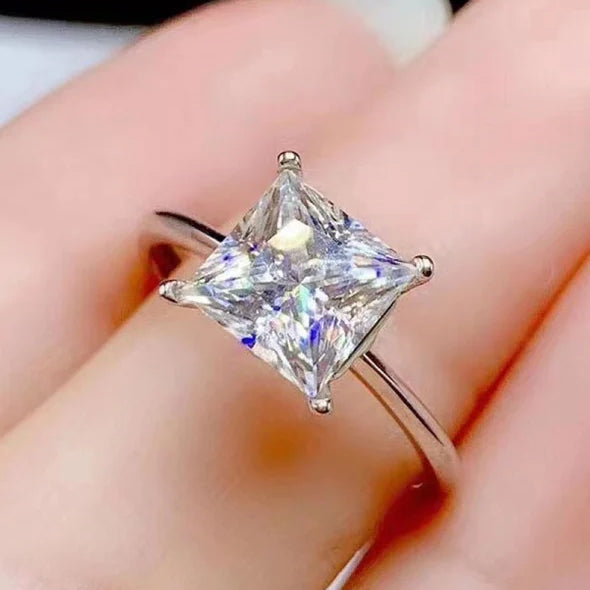
Complete Engagement Rings
Choose a ring with a diamond hand selected by a trained jeweler.

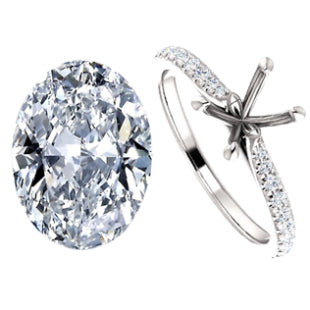

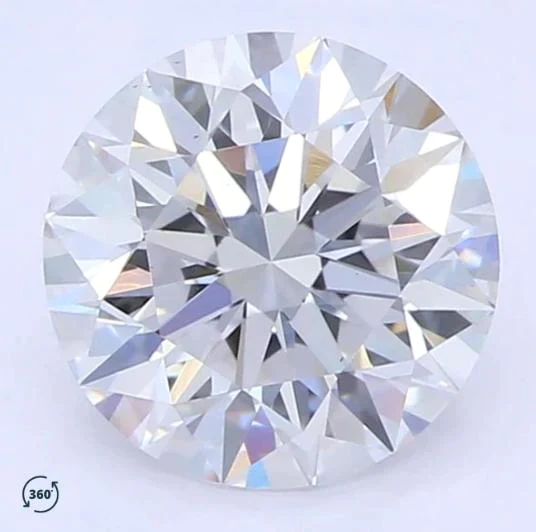
Loose Diamonds
Shop a huge selection of certified natural or lab-grown diamonds. On Sale Now!

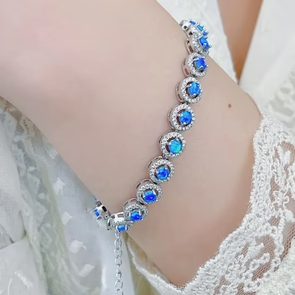
Fashion Jewelry
Fashion rings, necklaces, bracelets & earrings. Take your style to a new level.


Comments