
Are Lab-Grown Diamonds the Same as Cubic Zirconia?


No, lab-grown diamonds and cubic zirconia are not the same. Lab-grown diamonds are real diamonds with the same carbon structure, durability, and sparkle as mined diamonds. Cubic zirconia is a man-made diamond simulant that looks similar but lacks the hardness, brilliance, and long-term value.
Here’s the quick breakdown:
- Lab-grown diamonds are chemically identical to mined diamonds
- CZ is a simulant with a different structure and short-term sparkle
- Only lab-grown diamonds can be certified and insured
- Diamonds (lab or mined) retain durability and heirloom quality
- CZ is inexpensive but scratches, clouds, and loses value quickly
At Mikado Diamonds, we help clients cut through the confusion. Many jewelers blur terms like “lab-created” or “synthetic,” leaving buyers unsure of what they’re actually getting. We make sure you understand the difference, and choose a diamond that truly lasts.
Keep reading to learn the key differences between lab-grown diamonds and cubic zirconia, and why one is a smart investment, while the other is just a placeholder.
What Exactly Is a Lab-Grown Diamond?

When we talk about lab-grown diamonds, we’re not talking about imitations or substitutes. We’re talking about real diamonds. Chemically, physically, and optically, they are identical to mined diamonds.
Both are made of pure crystallized carbon, with the same crystal structure that gives diamonds their legendary sparkle and unmatched durability.
So how are they created? Scientists use advanced technology to replicate the same conditions that form diamonds deep within the earth. Two primary methods are used:
- HPHT (High Pressure, High Temperature): A diamond “seed” is placed under extreme heat and pressure, mimicking the forces of nature.
- CVD (Chemical Vapor Deposition): Carbon-rich gases are introduced in a chamber, where layers of carbon gradually bond to the seed crystal, building a diamond atom by atom.
The result is a diamond indistinguishable from one pulled out of the ground. In fact, only advanced gemological equipment can tell them apart.
What Is Cubic Zirconia (CZ)?
Cubic zirconia, or CZ, isn’t a diamond at all. It’s a synthetic gemstone made from zirconium dioxide, created in labs to mimic the look of a diamond. Unlike both mined and lab-grown diamonds, CZ contains no carbon and has a completely different chemical structure.
For many, CZ carries a sense of nostalgia. In the 1980s and 1990s, it became the go-to affordable gemstone for earrings and fashion jewelry. If you remember browsing the earring carousels at Claire’s as a teen, chances are you’ve seen cubic zirconia sparkle under the lights.
That affordability came with trade-offs:
- On the Mohs hardness scale, CZ ranks 8–8.5 (respectable, but far softer than diamond).
- It’s prone to scratches, abrasions, and clouding over time, even with regular cleaning.
- From a value standpoint, CZ is virtually disposable, often priced under $100 with little to no resale market.
Because of this, jewelers typically suggest CZ only for short-term or casual use, think travel rings, fashion accessories, or statement pieces worn occasionally.
Unfortunately, not all retailers are upfront. Some blur the lines by marketing CZ as “lab-created gems,” which leads to confusion and disappointment when buyers realize they didn’t purchase a real diamond.
Lab-Grown Diamond vs. Cubic Zirconia: The Core Differences

While lab-grown diamonds and cubic zirconia may look similar at first glance, they are fundamentally different stones. Here’s a side-by-side comparison to make those differences crystal clear:
|
Category |
Lab-Grown Diamond |
Cubic Zirconia (CZ) |
|
Composition |
Pure crystallized carbon, identical to mined diamonds |
Zirconium dioxide, an entirely different synthetic material |
|
Durability |
10 on Mohs scale, the hardest natural substance, resistant to scratches and daily wear |
8–8.5 on Mohs scale, more prone to scratches, chips, and permanent clouding |
|
Brilliance |
Reflects mostly white light, producing the classic diamond sparkle with fire and scintillation |
Produces a strong rainbow effect, often appearing artificial under direct light |
|
Color |
Graded on the D–Z diamond scale (from colorless to faint yellow); can be customized in fancy colors |
Naturally colorless but lacks grading; rainbow flashes make it appear less natural |
|
Carat/Weight |
True-to-size, measured by weight and dimensions like mined diamonds |
Denser material, so at the same carat weight, a CZ will look slightly smaller |
|
Resale Value |
Retains some value; can be certified, insured, and appraised |
Near-zero resale value; considered a disposable stone |
|
Price Point |
50–70% less than mined diamonds, making them a strong investment for fine jewelry |
Extremely inexpensive (often under $100 for large stones); short-term sparkle only |
The takeaway is simple: lab-grown diamonds are real diamonds, with all the durability, brilliance, and value that implies. Cubic zirconia is a simulant, a lookalike with temporary shine, but not built to last or hold meaning in the same way.
How to Avoid Being Misled at Purchase
One of the most common fears I hear from clients is that they’ll unknowingly pay for a cubic zirconia when what they really want is a diamond. The good news? With a few practical steps, you can protect yourself and shop with confidence.
Ask the Right Question
Never hesitate to ask directly: “Is this a lab-grown diamond or cubic zirconia?” A trustworthy jeweler will answer clearly. If the response feels vague or evasive, that’s your signal to walk away.
Demand Certification
Every genuine diamond, mined or lab-grown, can be graded by respected institutions such as the GIA (Gemological Institute of America) or IGI (International Gemological Institute).
Certification not only verifies that your stone is a diamond, it also details the 4Cs (cut, color, clarity, carat). Cubic zirconia cannot be certified as a diamond, so the absence of paperwork is a major red flag.
Watch Out for Language Tricks
Some retailers blur the lines by lumping CZ and lab-grown stones together under terms like “lab-created gems” or “synthetics.” This is misleading.
Do a Visual Test
If you can compare stones side by side, there’s a simple tell. Diamonds, whether mined or lab-grown, reflect white light with brilliance and fire.
Cubic zirconia, by contrast, produces more of a rainbow sparkle, which can look artificial. Under good lighting, this distinction is usually clear even to the untrained eye.
Are Lab-Grown Diamonds the Same as CZ?

Let’s be crystal clear: no, lab-grown diamonds are not the same as cubic zirconia.
A lab-grown diamond is a real diamond, with the exact same carbon structure, hardness, and brilliance as a mined diamond. It can be certified, insured, cherished, and passed down just like its earth-formed counterpart.
Cubic zirconia, on the other hand, is a simulant. While it can mimic sparkle at first glance, it lacks the durability, authenticity, and emotional weight that a diamond carries. Over time, CZ scratches, clouds, and loses its luster, making it a short-term stand-in rather than a lasting symbol.
Your love story deserves more than a guess.
Book a consultation today and let us help you choose the diamond that feels right for your budget, your style, and your future.
Mikado Collection
Hand Crafted Engagement Rings, Loose Natural and Lab-Grown Diamonds and a Fashion Jewelry Collection of Rings, Necklaces, Bracelets, and Earrings.

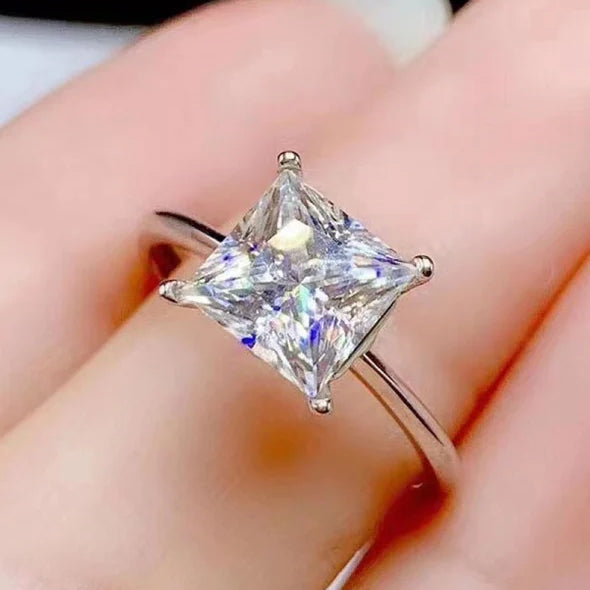
Complete Engagement Rings
Choose a ring with a diamond hand selected by a trained jeweler.


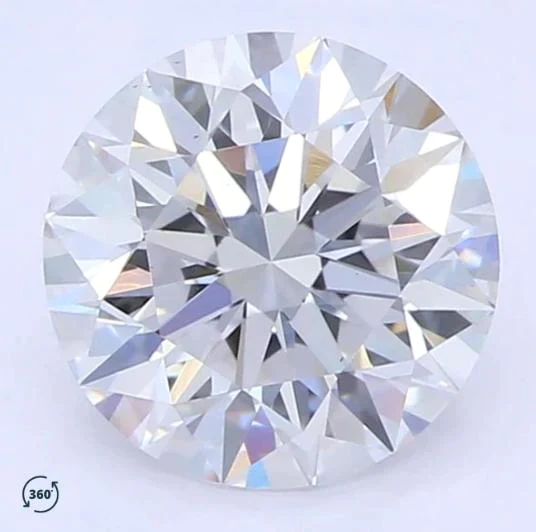
Loose Diamonds
Shop a huge selection of certified natural or lab-grown diamonds. On Sale Now!

Fashion Jewelry
Fashion rings, necklaces, bracelets & earrings. Take your style to a new level.


Comments