
What Does GIA Certified Mean? Why It Matters


A GIA-certified diamond has been graded by the most trusted lab in the world using strict, unbiased standards for cut, color, clarity, and carat. It’s the gold standard for evaluating a diamond’s quality and authenticity.
What GIA Certification Means for You:
- Independent, lab-based grading
- Trusted 4Cs evaluation: cut, color, clarity, carat
- Added resale and insurance value
- Laser inscription + online verification = peace of mind
- Not all certifications are created equal; GIA is the most reliable
At Mikado Diamonds, we proudly offer GIA-graded diamonds so you can shop with total clarity and confidence.
Keep reading to learn how certification impacts sparkle, value, and the long-term trust you’re placing in your diamond.

What a GIA Certificate Tells You, and What It Doesn’t
When you look at a GIA grading report, you’re not just seeing random numbers or industry jargon; you’re seeing a complete profile of your diamond’s objective qualities.
The report covers the 4Cs (cut, color, clarity, and carat weight), along with fluorescence, measurements, symmetry, polish, clarity characteristics, and any treatments the stone may have undergone.
You’ll also see a unique report number, often laser-inscribed on the diamond’s girdle, and a diagram of any visible inclusions or blemishes.
Some reports even include security features like QR codes and microtext, helping you confirm its authenticity through GIA’s online Report Check.
But, and this is a big but, what’s not on the report is just as important as what is.
The Fine Print
You might see two diamonds with identical 4C grades and assume they’ll look the same. That’s a common mistake. The GIA report gives you the framework, but not the full story.
For example:
- A VS1 clarity grade doesn’t reveal where the inclusion is; it could be off to the side or dead center.
- A diamond with strong fluorescence might look milky in certain lighting, even if everything else is “ideal.”
- A “Very Good” cut might still lack sparkle if the proportions aren’t well-balanced.
These subtleties can dramatically affect how a diamond looks in real life, how much it’s worth, and how confidently you can pass it down or resell it later.
What GIA Reports Don’t Show
Here’s what GIA grading doesn’t capture:
- Light performance: how well the diamond handles brilliance, fire, and scintillation.
- Eye cleanliness: whether a flaw is visible without magnification.
- Face-up appearance: how the diamond looks to the naked eye from the top view.
- Actual photos or videos of the diamond (unless provided separately by the seller).
That’s why finding a jeweler you trust is just as important as the certification itself.
At Mikado Diamonds, we help you go beyond the report, matching you with a GIA-graded diamond that looks just as good in person as it does on paper. Because when you’re making a decision this personal, you deserve honesty, clarity, and expert guidance every step of the way.
GIA vs IGI, EGL, and Other Labs: Why It Matters

While GIA remains the gold standard in diamond grading, it’s not the only name in the game. Labs like IGI (International Gemological Institute) and EGL (European Gemological Laboratory) also issue grading reports, but their standards, speed, and pricing vary significantly.
And that’s where things get tricky for buyers.
Why So Many Lab Diamonds Are IGI Graded
In recent years, IGI has become the default lab for grading lab-grown diamonds, thanks to faster turnaround times and lower costs. For many mass-market sellers, it’s quicker and cheaper than waiting for a GIA report.
But that convenience often comes at a cost to you, the buyer.
The Problem with “Grading Inflation”
Industry insiders know this well: IGI tends to grade more generously than GIA. A diamond labeled “VS1” by IGI might only score “SI1” from GIA. This grading inflation can distort pricing, impact resale value, and leave you with a stone that doesn’t perform as expected in real life.
Why Some Jewelers Rely on IGI
Softer grading lets some jewelers advertise “better” diamonds for less, on paper. Add faster processing and cheaper fees, and it’s easy to see why IGI dominates the lab diamond space.
But for you? That “deal” might not hold up under scrutiny.
Mikado’s Take: GIA Graded
At Mikado Diamonds, we proudly offer diamonds graded by the Gemological Institute of America, the most trusted name in diamond certification. GIA’s strict, consistent standards help ensure you’re getting a diamond with real value, not just impressive specs on paper.
Because when it comes to something this important, trust matters.
How to Verify a GIA-Certified Diamond (And Not Get Duped)

A GIA report is only as trustworthy as the diamond it’s matched with, which is why verification matters just as much as certification.
Step 1: Match the Report Number to the Laser Inscription
Every GIA-graded diamond comes with a unique report number, and most will have that number microscopically laser-inscribed on the girdle (the thin outer edge of the diamond). This is your first layer of protection.
Ask to see the inscription under magnification, or better yet, request a high-resolution video. The number should match exactly with what’s on the physical or digital GIA report.
Step 2: Use GIA’s Online Report Check
GIA offers a free tool on their website called GIA Report Check, where you can enter the report number and pull up the full grading details.
This confirms the report is authentic, up-to-date, and wasn’t altered or fabricated. (Yes, fake GIA reports exist, and they’re surprisingly common.)
Step 3: Get a Trusted Expert’s Opinion
Even with a real GIA report and inscription, you still need a trained eye. We’ve seen cases where a diamond was swapped after grading, or where a seller used a genuine report but paired it with a different stone.
Because here's the truth: a report doesn’t tell the whole story.
Ready to Find a Diamond You Can Trust?

GIA certification is one piece of the puzzle. To find a diamond that truly delivers on beauty, value, and confidence, you need a jeweler who knows how to read between the lines.
At Mikado, we combine GIA-certified quality with real-world expertise, so you get a diamond that looks as good in person as it does on paper.
Here’s your next step:
- Explore our GIA-graded lab-grown diamonds for maximum sparkle and value.
- Book a virtual consultation for expert, one-on-one guidance.
Because the right diamond isn’t just certified. It’s chosen well.
FAQ
Does GIA certification affect diamond price?
Yes, GIA-graded diamonds often cost more, but for good reason. They come with stricter grading standards, which helps justify the price.
Buyers know what they’re getting, and the diamonds tend to hold value better over time.
Why doesn’t GIA include pictures of the diamond in the report?
GIA grading reports are designed to be technical, not visual. They include diagrams of clarity characteristics, but not actual photos.
That’s why it’s smart to ask your jeweler for high-resolution images or videos.
Should I get insurance if my diamond is GIA certified?
Absolutely. A GIA report doesn’t replace an appraisal, which is what insurance providers require to assign value.
But it makes the appraisal more accurate and credible, especially if the diamond is ever lost or stolen.
Can jewelers fake a GIA certificate?
Unfortunately, yes. Some sellers use fake or outdated reports, or pair real reports with the wrong diamonds.
Always check the inscription, verify the number online, and work with a jeweler who insists on transparency.
Mikado Collection
Hand Crafted Engagement Rings, Loose Natural and Lab-Grown Diamonds and a Fashion Jewelry Collection of Rings, Necklaces, Bracelets, and Earrings.

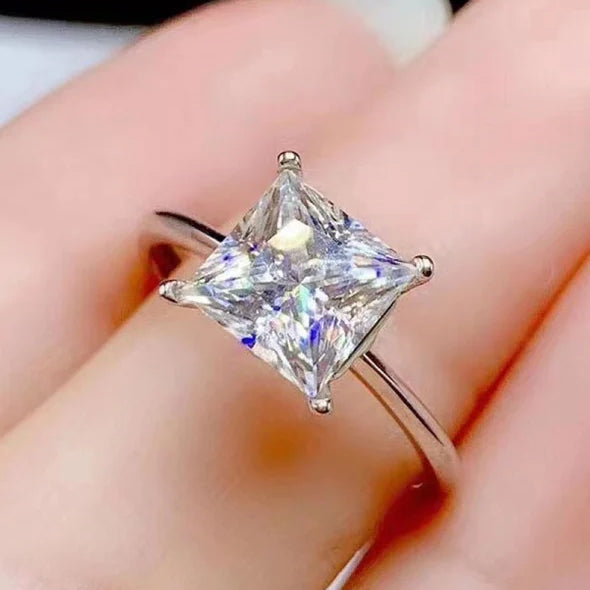
Complete Engagement Rings
Choose a ring with a diamond hand selected by a trained jeweler.

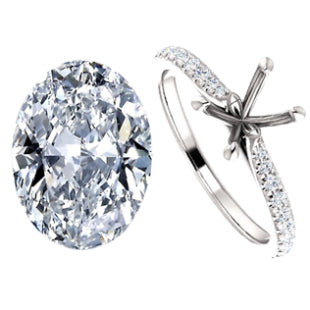

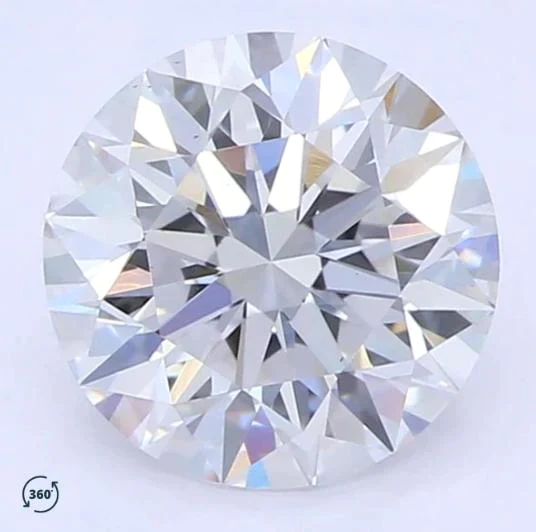
Loose Diamonds
Shop a huge selection of certified natural or lab-grown diamonds. On Sale Now!

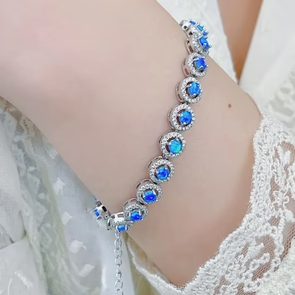
Fashion Jewelry
Fashion rings, necklaces, bracelets & earrings. Take your style to a new level.


Comments