
Diamond Color Scale Explained: Save Smart, Choose Right


Have you ever looked at two diamonds and wondered why one costs thousands more than the other, despite looking nearly identical? The diamond color scale can be one of the most confusing parts of shopping for a ring.
And with every letter from D to Z carrying a different price tag, it’s no surprise many people feel overwhelmed.
Here’s the key in short:
-
D–F: Colorless
-
G–J: Near Colorless
-
K–M: Faint Color
-
N–Z: Very Light to Light Yellow/Brown
Most of what affects a diamond’s beauty isn’t what’s on paper; it’s how it looks in real life. A perfectly cut H color diamond in yellow gold may look identical to a D color diamond in platinum.
And understanding those nuances? That’s how you protect your budget and your vision.
We walk couples through these choices every day. Our custom rings and lab-grown diamonds are matched not to the highest grade on a chart, but to what genuinely looks best on your hand, in your setting, and within your price range.
Want the full breakdown, from how the color scale works to how to choose the right grade for your ring? It’s all below. Let’s demystify diamond color together.
Understanding the GIA D-to-Z Diamond Color Scale
If the diamond color scale has ever confused you, it’s nothing new.
And yes, it really does start at “D.” Why?
Because when the Gemological Institute of America (GIA) formalized diamond grading, older systems used A, B, and C inconsistently. To avoid overlap and reset the standard, they began fresh, with D as the new gold standard for “colorless.”
The Color Grading Tiers, What Each Letter Really Means

-
D–F: Colorless: These diamonds have virtually no color to the naked eye. D is the rarest (and priciest), while E and F offer nearly identical beauty with slightly more value.
-
G–J: Near Colorless: These diamonds appear white in most settings, especially in yellow or rose gold. G and H are considered a sweet spot for beauty and value.
-
K–M: Faint Color: You’ll notice a soft warmth or slight yellow hue, especially in white gold. But when set in yellow gold or vintage-inspired styles, these can still look beautiful.
-
N–Z: Very Light to Light Yellow/Brown: These diamonds show noticeable color and are rarely used in fine jewelry unless intentionally chosen for their warmer, antique feel.
Myth Buster: “Does Color = Sparkle?”

Not even close. Color refers to the body tint of the diamond, not how sparkly it is. A J color diamond can outshine a D if the cut is better. Brilliance is all about the angles and precision of the cut, not the color grade.
Let’s go deeper into how that color actually looks in real life, because that’s where things get interesting.
How Diamond Color Actually Looks in Real Life
Color grades are useful, but they don’t tell the whole story. What looks slightly yellow in a lab under magnification might appear perfectly white on your hand. Here’s why.
Why That ‘J’ Diamond Looks Yellower Online
Online photos can be incredibly misleading.
Diamonds are often photographed with extreme zoom, bright lighting, and high-resolution editing, making minor tints look more dramatic than it is. You’re seeing a level of detail that you’d never notice in real life.
And here’s something most buyers don’t realize: diamonds are graded loose, not in their setting.
Once a diamond is mounted, especially in a colored metal, its appearance changes. That “J” you saw online might look different once it’s set in a yellow gold solitaire.
No surprise then that one of the most common questions we get is, “Why does my diamond look more yellow at home than it did in the store?”
It’s all about lighting. Warm indoor bulbs tend to emphasize tint, while cool showroom lights can make any diamond appear whiter.
When Lower Grades Still Look Stunning

Here’s the good news: you don’t need a D color to have a diamond that looks bright and white.
-
Yellow and rose gold settings naturally blend with warmer diamonds, helping grades like H–J appear colorless to the eye.
-
Round brilliant cuts scatter light more effectively, which masks color better than step cuts like emerald or Asscher.
-
Cut quality is king. A well-cut J color diamond can outshine a poorly cut F. That’s why cut should always come before color in your decision-making.
Does Color Grade Really Affect Price?

Absolutely, but maybe not in the way you’d expect.
The price gap between one color grade and the next can be steep, even when the visual difference is barely noticeable. D color diamonds are the rarest, less than 1% of the market, and that rarity drives up the cost.
You’re not just paying for appearance; you’re paying for exclusivity.
By contrast, G–I grades offer the best value, especially in near-colorless ranges. These diamonds still look bright and white in most settings, especially when paired with the right cut and metal.
Yet the price drop from F to G can be hundreds, or even thousands, of dollars.
To give you an idea:
-
A 1ct D color lab-grown diamond may range from $5,600–$12,000, depending on other specs.
-
That same diamond in G–H color? Closer to $3,800–$7,000.
Many buyers can't tell the difference between them. As one client told me, “I paid $3,000 more for a D and I still can’t see how it’s better than the H I almost bought.”
When it comes to lab-grown diamonds, color becomes even more important, not because they're worse, but because they’re often larger. A 3-carat J will show more body tint than a 1-carat G, purely because of the surface area.
But with more budget flexibility, you can choose a better cut or more flattering setting to balance it out.
In short? Yes, color affects price. But if you want beauty and value, chasing a high letter grade might not be the smartest investment.
Choosing the Right Diamond Color for Your Ring Style
Color doesn’t exist in a vacuum. How “white” a diamond looks depends heavily on the metal you choose, the setting style, and the diamond’s shape. That’s why two diamonds with the same grade can look totally different once they’re set.
Match Color to Metal
One of the most effective ways to stretch your budget without sacrificing beauty is by matching your diamond’s color to the tone of your metal.
-
Yellow and rose gold naturally blend with warmer diamonds. In these metals, even an H, I, or J color diamond will appear bright and harmonious.
-
White gold or platinum are cooler metals that tend to reveal more of a diamond’s body color. If you’re going this route, stick with D through G for that icy-white look.
Consider the Setting and Design
Your ring’s architecture plays a big role in how color shows up.
-
Halo settings surround your center stone with smaller diamonds, amplifying sparkle and deflecting attention from warmth. They can make a J look like an H.
-
Solitaire settings leave the diamond fully exposed. If you’re going lower on the color scale, you’ll want to prioritize cut and consider a warmer metal.
-
Diamond shape matters, too.
-
Round brilliants are the most forgiving.
-
Cushion and pear shapes tend to show color in their tips.
-
Step cuts like emerald and Asscher highlight clarity and color more than sparkle, so aim higher in color if you’re choosing one of those.
Lab-Grown vs. Natural: Does Color Grade Matter Differently?

Color is color, whether your diamond was grown in a lab or formed underground a billion years ago. Both types are graded using the same standards by labs like GIA and IGI, and both follow the D-to-Z scale.
But here’s where it gets interesting: lab-grown diamonds tend to be larger. Because they’re more affordable per carat, most buyers choose bigger stones, often 2ct, 3ct, even 5ct and beyond.
And the larger the diamond, the more visible any tint becomes.
That doesn’t mean you need a D grade, though. In fact, a perfectly cut H or I color lab-grown diamond can outperform a dull, poorly cut D, and still save you thousands.
We often see customers lean into H–J range diamonds in the 3ct+ category because they balance size, sparkle, and value beautifully.
In short: yes, color matters a bit more when your diamond is bigger, but what matters most is how the whole package comes together. With lab-grown, you’ve got more room to customize that package your way.
Fluorescence and Color: Friend or Foe?

If you’ve seen the term “fluorescence” on a diamond certificate and felt unsure, you’re right to be confused. It sounds technical, maybe even like a flaw. But in many cases, fluorescence is actually your ally.
What Is Fluorescence?
Fluorescence refers to how a diamond reacts under ultraviolet (UV) light. Around 25–35% of diamonds naturally emit a soft glow, usually blue, when exposed to UV. This glow is invisible in most normal lighting but can impact how the diamond looks.
Blue Fluorescence = Budget Hack
Here’s the good news: blue fluorescence can make slightly tinted diamonds (like J or K color) appear whiter in certain lighting, especially daylight. That means you can go lower on the color scale and pay less, while still getting that crisp white look.
So when people ask, “Can fluorescence actually help my lower-color diamond look whiter?”, the answer is: Yes. And it can save you money.
But What About Cloudiness?
In rare cases, strong fluorescence can cause a diamond to look hazy or oily, especially in very high-color stones (like D–F).
This is why it’s essential to view the diamond in person or request a video, especially for stones with “strong” or “very strong” fluorescence noted on their grading report.
We don’t shy away from fluorescence; we evaluate it. If it enhances the stone’s beauty and saves you thousands? That’s a win in our book.
What the Experts Recommend (Without the Sales Pitch)
You don’t need a lab coat or a sales pitch to make a smart decision about diamond color. You just need honest context.
We’ve helped hundreds of couples find that sweet spot between beauty and budget. And here’s what we’ve found works best:
-
G–I color often delivers the best value in yellow or rose gold. The warm tone of the metal softens any slight tint, and these grades look stunning when paired with a great cut.
-
For platinum or white gold, we typically recommend D–F if you’re aiming for a clean, icy look, especially in solitaires or step-cut stones like emerald or Asscher.
-
That said, there is no universal “right” color. The right choice depends on your setting, your diamond shape, and most importantly, how it looks to you.
I always say: “AI can’t choose your diamond for you.” Algorithms don’t know your taste, your ring style, or the way a particular diamond catches your eye in person.
That’s why every custom ring at Mikado starts with a real conversation, not a filter.
Trust the process, not the grade. We’ll help you navigate the nuances so you end up with a diamond that’s not just technically “correct”, but visually perfect for you.
Final Buying Tips (So You Don’t Regret Your Decision)

By now, you know that diamond color grading isn’t black and white, literally. But when it comes time to actually choose, here are a few expert-level tips to help you feel confident, not second-guessing.
-
Always view the diamond in real lighting, or at the very least, ask for a high-quality 360° video. A diamond that looks crisp under studio lighting may appear warmer in your bedroom lighting at night.
-
Use GIA or IGI certification as a baseline, not the final word. Color grading is done by humans, and even certified labs can have slight inconsistencies. It’s a guide, not a gospel.
-
Let your eyes lead. The best diamond isn’t the one with the highest letter grade, it’s the one that looks right to you in the setting you’ve chosen.
-
Work with a jeweler you trust, and ask questions. This is where we at Mikado shine. We’re not here to push you toward a grade or upsell you on a number. We’re here to help you fall in love with a diamond that feels like yours.
Because when the moment comes, and that ring box opens, you won’t be thinking about color codes or lab reports. You’ll be thinking: this is the one. And that’s exactly how it should be.
Ready to Choose a Diamond Color with Confidence?

The truth is, there’s no perfect color grade, only the perfect choice for you.
Whether you’re eyeing a glowing J in yellow gold or a crisp G in platinum, what matters most is how it looks on your hand, in your light, and in the context of the ring you’ve been dreaming about.
We specialize in guiding you through these decisions with clarity and care. No pressure. No gimmicks. Just straight answers, expert insights, and stunning lab-grown diamonds you can feel good about, from both a budget and ethical standpoint.
📞 Book a consultation to get honest, 1:1 advice about your diamond options, or start exploring our collection of certified lab-grown diamonds in your preferred color range.
Your story deserves a ring that looks just as right as it feels. Let’s build it together.
Mikado Collection
Hand Crafted Engagement Rings, Loose Natural and Lab-Grown Diamonds and a Fashion Jewelry Collection of Rings, Necklaces, Bracelets, and Earrings.

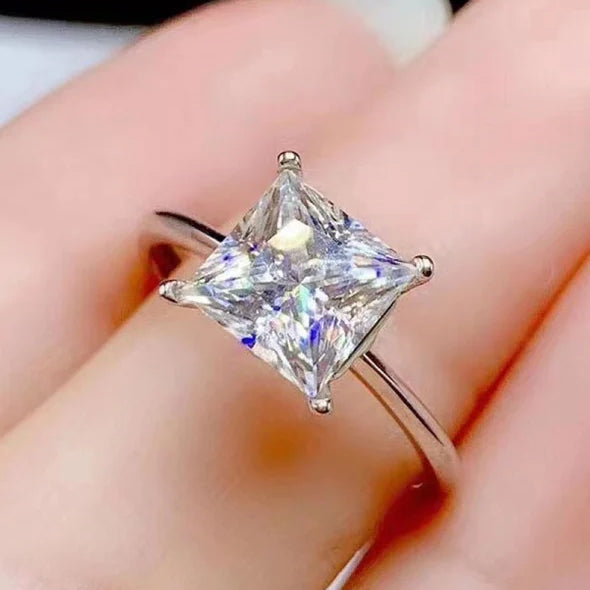
Complete Engagement Rings
Choose a ring with a diamond hand selected by a trained jeweler.


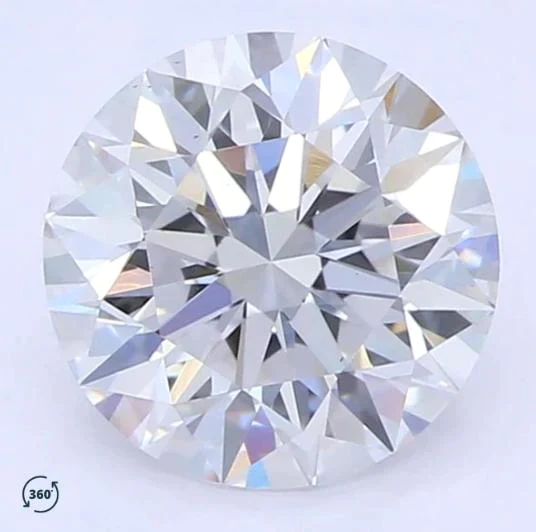
Loose Diamonds
Shop a huge selection of certified natural or lab-grown diamonds. On Sale Now!

Fashion Jewelry
Fashion rings, necklaces, bracelets & earrings. Take your style to a new level.


Comments