
What Is Diamond Cut? The Key to Sparkle & Brilliance


Diamond cut refers to how well a diamond’s facets are proportioned and aligned, not the shape. It’s the #1 factor that determines sparkle, brilliance, and beauty. A poorly cut diamond can look dull, even if it’s flawless. Prioritize cuts to get the most wow for your money.
If you’re shopping for an engagement ring or researching diamonds for the first time, understanding the cut is essential.
It’s the one “C” that controls how stunning your diamond actually looks in real life. While most people obsess over size or clarity, the secret to eye-catching sparkle is almost always cut.
Want the full breakdown? Keep reading.
Let’s Clear Something Up, Cut ≠ Shape
You’re not alone if you’ve heard “cut” and thought, Oh, like round or oval, right? That’s one of the most common misconceptions in diamond shopping, and one that can lead to costly mistakes.
Here’s the truth: cut and shape are two completely different things.
- Shape refers to the outline of the diamond, round, oval, emerald, pear, marquise, etc. It’s the silhouette you see from above.
- Cut, on the other hand, refers to how well the diamond’s facets are proportioned and polished, how deep or shallow the stone is, how symmetrical the angles are, and how effectively it reflects light.
So yes, you can have a round diamond with a poor cut and an oval diamond with a brilliant one. And the round with a poor cut?
It might technically be higher in clarity or color, but it’ll still look lifeless compared to a well-cut stone.
If you only remember one thing from this guide, let it be this: cut determines sparkle, not shape. You can’t fake brilliance with carat or color.
Why Diamond Cut Is the Most Important “C” of All

When people talk about the 4 Cs, cut, color, clarity, and carat, cut is often listed first. That’s not by accident. While color and clarity might affect a diamond’s grading report, cut is what your eye actually sees.
Let’s break it down.
Cut Controls the Sparkle You See
There’s a reason some diamonds seem to dance with light while others just sit there. That magic, the sparkle, the fire, the brilliance, is 90% cut.
- Brilliance: This is how well the diamond reflects white light back to your eye. It’s the crisp, bright flashes that make a diamond look “alive.”
- Fire: Those rainbow-colored sparkles? That’s fire. A diamond disperses light into its spectral colors when it’s cut with precision.
- Scintillation: This is the sparkle you see as the diamond moves, those glittering flashes that make people do a double-take.
And this is where people often go wrong. I’ve seen clients fall for a diamond that looks great online, nice size, decent clarity, and yet, when they see it in person, it’s… meh.
Not broken. Just dull. That’s when they realize: a pretty diamond on paper can still suck in real life.
Don’t Let Light Leak Out, Cut = Light Performance
Diamonds are meant to reflect light back through the top. But when a diamond is poorly cut, light leaks out the bottom or sides, like a flashlight pointed in the wrong direction.
- Too deep? Light escapes through the bottom. The diamond looks dark and smaller than it is.
- Too shallow? Light leaks from the sides. You get that glassy, see-through look, zero sparkle.
Most of this doesn’t show up in photos. You might look at two diamonds and think, they both look fine. But when you see them side-by-side? One will flash like crazy, and the other will sit there like a rock.
How Cut Is Graded (And What to Look For)
So now that we know cut is everything when it comes to sparkle, how exactly is it graded? What separates an “Excellent” cut from one that just looks… average?
Let’s start with the most trusted source in the diamond world: GIA (Gemological Institute of America).
The 5 GIA Cut Grades (For Round Brilliants Only)

GIA only assigns cut grades to round brilliant diamonds, which have the most standardized geometry for light performance. The grading scale breaks down into five tiers:
- Excellent – Maximum brilliance, fire, and sparkle. Proportions and symmetry are optimized. Less than 1% of diamonds earn this.
- Very Good – Still reflects light very well, though some minor compromises in symmetry or angles may exist.
- Good – Passable for some jewelry, but may start to lose visible sparkle.
- Fair – Noticeably less brilliance. Often appears dull or lifeless, especially in certain lighting.
- Poor – Too deep or too shallow. Leaks light. Avoid at all costs unless you’re buying for educational purposes.
Expert Tip: If you’re shopping for an engagement ring, start at Very Good, but ideally aim for Excellent. That one-word difference on paper is a world of difference on the finger.
It’s worth noting that GIA doesn’t assign cut grades for fancy shapes (like ovals or emeralds), which we’ll cover next. But for round brilliants, the most popular cut, this system gives you a trustworthy baseline to start from.
Why Fancy Shapes Don’t Get Cut Grades
Here’s something most first-time diamond buyers don’t realize: GIA doesn’t assign cut grades for fancy shapes. That includes ovals, emeralds, cushions, radiants, pears, and marquises, basically everything except round brilliants.
Why? Because these shapes aren’t cut to a single set of ideal proportions like rounds are. The math isn’t as standardized, so grading them objectively is far more complex.
That means you won’t see “Excellent” or “Very Good” on the GIA report for fancy shapes, and this is where things get tricky.
“How can I check cut quality if it’s not graded?” That’s a smart question, and one I hear a lot.
The answer: you have to evaluate the diamond with your own eyes, or with an expert’s. High-resolution photos, 360° videos, ASET light performance imagery, and direct comparisons are essential when buying fancy shapes.
So if you’re choosing an oval, emerald, or radiant, don’t go it alone. That’s where mistakes (and regrets) happen.
Understanding Cut Proportions (Without Needing a Math Degree)
Let’s be honest, diamond reports can read like science homework. Table percentages, crown angles, depth ratios… it’s easy to feel overwhelmed.
But here’s the good news: you don’t need to memorize formulas to understand why one diamond sparkles more than another.
You just need to know which features impact light performance, and how they work together.
Key Cut Features to Know

Here’s a simple breakdown of the major elements that influence how well a diamond reflects light:
- Table % – The size of the flat top surface. If it’s too large or too small, light won’t reflect properly. Think of it as the “window” into the diamond.
- Depth % – The total height of the diamond from table to culet (bottom point). Too deep or too shallow? Light leaks out.
- Crown & Pavilion Angles – These angles determine how light enters and exits the diamond. The wrong combo means poor sparkle, even in an “Excellent” graded stone.
- Girdle Thickness – The edge between the top and bottom. Too thick = wasted weight. Too thin = fragile and prone to chipping.
- Culet Size – The tiny facet at the bottom. Large culets can cause visible dark spots. Ideally, this should be small or “none.”
- Symmetry & Polish – Symmetry ensures all facets are aligned to bounce light cleanly. Polish is about surface smoothness. Both contribute to brilliance.
Popular Diamond Cuts Explained (And What They’re Best For)
Now that we’ve covered what cut means and how it’s graded. Let’s talk about the shapes, or more specifically, the cut styles, that impact a diamond’s overall look and personality.
Each style has its strengths. Whether you want maximum sparkle, vintage elegance, or something uniquely yours, the right cut style can bring it all to life.
Brilliant Cuts (For Maximum Sparkle)
If sparkle is your non-negotiable, brilliant cuts are your best friend.
These diamonds are designed with multiple facets arranged to reflect as much light as possible. The result? Brilliance, fire, and head-turning scintillation.
- Round Brilliant – The industry gold standard for sparkle and the only shape with formal GIA cut grading.
- Cushion – Soft square or rectangular shape with a romantic, pillow-like look. Often used in vintage or halo settings.
- Oval – Elongated version of a round brilliant. Offers great finger coverage and visual size boost.
- Radiant – A hybrid between brilliant and step cuts. Crisp edges with tons of sparkle.
Tip: If you're after the most consistent sparkle and proven light performance, the round brilliant is the safest and most dazzling bet.
Step Cuts (For Elegance & Clarity)

Step cuts emphasize clean lines and broad flashes of light. Think less “twinkle” and more “hall-of-mirrors.” These cuts are understated and sophisticated, ideal for those who value elegance over brilliance.
- Emerald – Rectangular with beveled corners and long facets. Timeless, architectural, and serene.
- Asscher – A square version of the emerald cut with a more vintage vibe.
Tip: Because step cuts don’t hide inclusions well, aim for VS2 clarity or better for a clean, glass-like appearance.
Mixed Cuts
These are a blend of brilliant and step-cut features, offering the best of both worlds, or something entirely different.
- Princess – Square and modern with sharp corners and great sparkle.
- Marquise – Eye-shaped with pointed ends. Creates a bold, elongating look on the hand.
- Pear – A teardrop silhouette that’s both elegant and unique.
- Lozenge, Kite, Hexagonal – Less conventional and highly geometric cuts that we work with often at Mikado Diamonds, especially for clients looking for something custom and different.
Whether you want the bold look of a kite or the symmetry of a hexagon, we’ll help you find something unforgettable and cut to perform, not just look cool.
Common Mistakes People Make When Evaluating Diamond Cut

Even smart, research-savvy buyers fall into traps when it comes to evaluating diamond cut. And it’s totally understandable, cut can be one of the most confusing parts of the buying process.
Especially when you're staring at certificates, carat weights, and side-by-side listings that all look similar online.
Here are some of the biggest pitfalls I’ve seen clients run into (and how to avoid them):
1. Assuming Bigger = Better
A 3-carat diamond with a poor cut can look dull, glassy, and lifeless, while a 1.5-carat stone with an excellent cut can explode with light. Carat tells you weight, not beauty. Bigger isn’t better if it doesn’t sparkle.
2. Ignoring Depth and Table Ratio
Most people have no idea what table % or depth % means, and that’s fine. But those measurements are the secret sauce of light return.
Diamonds that are too deep or too shallow might look okay on paper but fall flat in real life.
3. Believing All “Excellent” Cuts Look the Same
This is a big one. Just because two diamonds are labeled “Excellent” doesn’t mean they’ll sparkle the same way. Cut grade is a spectrum, not a guarantee.
That’s why our team always evaluates symmetry, polish, and actual performance with light imagery, because the difference between a top-tier Excellent and a bottom-tier one can be night and day.
4. Buying Based Only on Shape Preference
“She wants an oval.” “He likes emerald cuts.” That’s a great starting point, but don’t stop there. Shape sets the vibe, but cut quality defines the performance.
I’ve had clients fall in love with a shape, only to realize it needs a whole lot more than the right outline to look amazing.
Ready to See the Difference a Great Cut Makes?

At Mikado Diamonds, we don’t just sell diamonds; we help you avoid the “meh” moments that come from choosing the wrong one. Every stone we source is hand-selected for brilliance, not just specs on paper. Whether you’re going for a classic round or something more daring like a kite or hexagon, cut is always king, and we’ll make sure yours dazzles.
- Book a free, no-pressure consultation to get expert eyes on your diamond selection.
- Explore our custom engagement ring process and start building a ring that reflects your story, sparkle included.
Mikado Collection
Hand Crafted Engagement Rings, Loose Natural and Lab-Grown Diamonds and a Fashion Jewelry Collection of Rings, Necklaces, Bracelets, and Earrings.

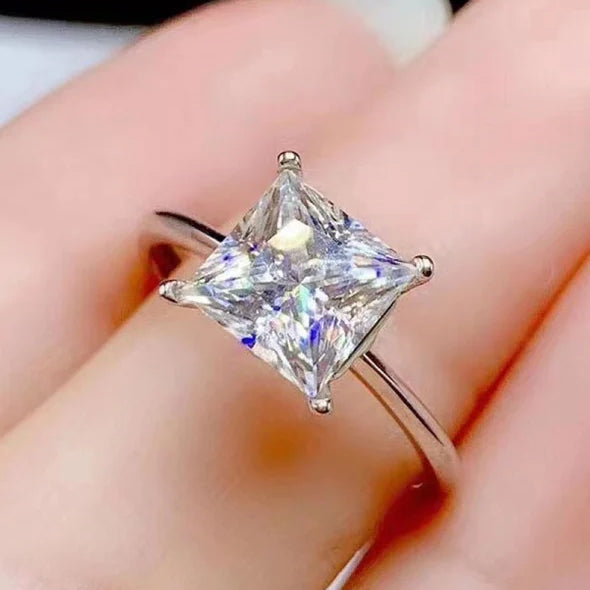
Complete Engagement Rings
Choose a ring with a diamond hand selected by a trained jeweler.

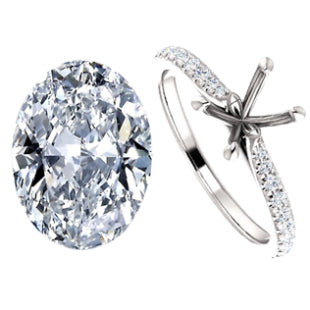

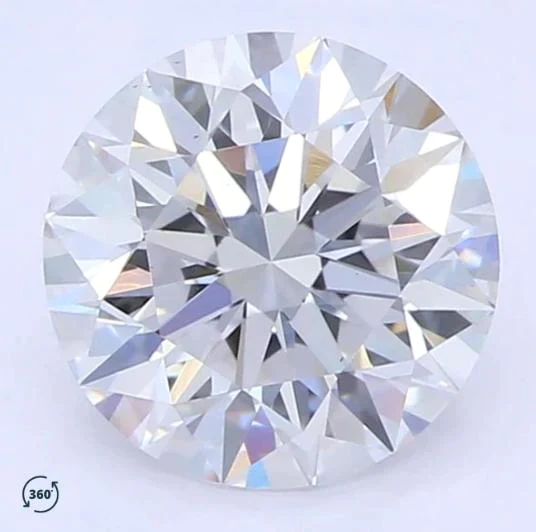
Loose Diamonds
Shop a huge selection of certified natural or lab-grown diamonds. On Sale Now!

Fashion Jewelry
Fashion rings, necklaces, bracelets & earrings. Take your style to a new level.


Comments