
What Are the 4 C’s of Diamonds? Cut Through the Confusion


The 4 C’s of diamonds are cut, color, clarity, and carat. These are the key factors that determine how a diamond looks, sparkles, and what it costs. If you want to choose confidently, you need to know what each one really means.
Quick breakdown:
- Cut controls sparkle (and it’s the most important factor)
- Color affects price more than appearance in most cases
- Clarity only matters if flaws are visible to the eye
- Carat means weight, but not all diamonds look the same size
At Mikado Diamonds, we help clients navigate these decisions every day. No pressure. No upselling. Just honest advice based on what actually matters.
Keep reading to learn how to avoid the most common mistakes and find the diamond that’s right for you.

Cut – The Make-or-Break of Diamond Brilliance
Cut is the most important of the 4 C’s. It controls how much your diamond sparkles, far more than carat, clarity, or color.
What Cut Really Does
Cut determines how light moves through the diamond. When it’s done right, the stone reflects light back with fire and brilliance. When it’s off, light leaks out the sides or bottom, and the diamond looks dull, even with perfect specs.
Key cut factors include:
- Facet angles
- Proportions and symmetry
- Polish and finish quality
Don’t Trust the “Excellent” Label
“Excellent” on a GIA report doesn’t guarantee beauty. It’s a broad range. Two diamonds with that grade can look totally different in person.
We review every diamond by eye to check for:
- Actual light performance
- Visible brilliance and fire
- Any red flags like windowing or poor symmetry
We don’t guess based on paper. Cut is the first thing we evaluate, and the most common place buyers get misled.
Color – What the Grade Actually Tells You

Color grade has less impact on beauty than most people think. G–J diamonds often look identical to D–F stones once they’re set, especially to the naked eye. That makes color one of the best places to save without sacrificing appearance.
Understanding the D–Z Scale
The scale runs from D (colorless) to Z (noticeable yellow or brown tint). Here’s what matters:
- D–F: Colorless
- G–J: Near-colorless (and great value)
- K–M: Slight warmth, which can still look beautiful in the right setting
In real-world lighting, the difference between a G and a D is barely noticeable, unless you’re comparing them side by side under magnification.
Choose Metal Strategically
The setting metal affects how diamond color is perceived:
- Yellow or rose gold hides warmth, great for diamonds in the K–M range
- White gold or platinum emphasizes color, better paired with G–I stones
These small decisions can stretch your budget further without sacrificing visual impact.
Color Doesn’t Equal Beauty
You don’t need a D color diamond for it to look stunning. Many clients prefer warmer tones, especially in fancy shapes like ovals and radiants, where a slight hue can add depth and character.
Helpful Resource -> Diamond Color Scale Explained: Save Smart, Choose Right
Clarity – Don’t Let This Grade Confuse You

Clarity is where a lot of buyers overpay without getting anything extra in return. The reality? Most diamonds graded VS2 or SI1 look flawless in real life, and cost thousands less than “perfect” stones.
What Clarity Actually Means
Clarity measures two things:
- Inclusions (internal flaws)
- Blemishes (surface marks)
Most of these can’t be seen without magnification. That’s why we focus on what really matters: eye-cleanliness.
What’s “Eye-Clean”?
An eye-clean diamond has no visible flaws when viewed without magnification. That’s all most people need. You’re not proposing with a loupe.
We often recommend:
- VS2 or SI1: Best value, usually eye-clean
- SI2: Case by case, some are fine, others aren’t
This is where expert help matters. Some SI2s are beautiful and budget-friendly. Others have distracting black inclusions that ruin the look.
The Trap of “Flawless”
FL (Flawless) and IF (Internally Flawless) diamonds sound impressive. But the visual difference is… basically nothing.
What they definitely do: inflate the price.
Many clients downgrade clarity, then use the savings to:
- Upgrade the cut (which affects sparkle)
- Go bigger on carat
- Add custom design details
Reminder: Clarity ≠ Sparkle
One of the biggest myths in diamond buying is that higher clarity = more sparkle.
That’s false.
- Sparkle comes from cut.
- A flawless diamond with a bad cut? Flat.
- An SI1 diamond with an excellent cut? Stunning.
The only time inclusions really matter is if they interfere with light performance, like a cloud or a dark spot near the center.
Helpful Resource -> What’s the Best Clarity for a Diamond?
Carat – Why Size Isn’t Everything
Carat is the most emotionally loaded of the 4 C’s. It’s also the most misunderstood.
Most people think carat means size. In reality, it measures weight, not how big the diamond looks on the hand.
A 1.00ct emerald cut might look smaller than a 0.90ct oval because of how the weight is distributed. Some shapes just face up larger—and some cuts are deeper, hiding weight below the surface where you can’t see it.
This is why people often say, “I want a 1-carat diamond,” when what they really want is a diamond that looks impressive. That’s where cut, shape, and setting come into play.
How to Make Carat Work for Your Budget
You don’t need to chase round numbers. In fact, the smartest buyers avoid them.
- Pricing jumps at 0.50ct, 1.00ct, 1.50ct, etc.
- A 0.90ct diamond can cost significantly less than a 1.00ct and look nearly identical in size
- The same logic applies at higher weights (1.40ct vs. 1.50ct)
Certain shapes also give you more size for your spend:
- Ovals, pears, radiants, and marquise cuts tend to look larger per carat than rounds
- A thoughtfully designed setting can enhance size even more
We guide clients through these choices every day to help them get the most visual impact for their investment.
The takeaway? Don’t get stuck on the number. A slightly smaller, better-cut stone can outshine a bigger one every time.
Helpful Resource -> How Many Carats Is Too Big for an Engagement Ring?
How to Prioritize the 4 C’s Based on Budget

Let’s face it, most people aren’t working with an unlimited budget. And that’s okay.
You can still walk away with a stunning diamond if you know how to prioritize what actually matters. Over the years, I’ve helped thousands of couples make smart, meaningful choices, and here’s the formula I always come back to.
The No-Regrets Formula (From a Jeweler Who’s Seen It All)
If you want maximum beauty and value, here’s how to stack the 4 C’s in order of importance:
- Cut → Always prioritize. It’s the engine behind Sparkle. A great cut makes everything else look better. Period.
- Color → Balance it with your metal choice. Warm metals like yellow gold can handle warmer diamonds. Cool metals like platinum pair best with whiter stones.
- Clarity → Go “eye clean.” You don’t need flawless. You just need it to look clean to the naked eye.
- Carat → Go just below the psychological price jumps. A 0.90ct diamond can deliver the same look as a 1.00ct without the markup.
This approach helps you avoid the most common mistake: chasing a perfect report instead of a beautiful diamond.
Want a Second Set of Eyes on Your Diamond Pick?

We’ve helped thousands of people just like you cut through the noise and find the diamond that actually fits, not just your budget, but your story.
Book a no-pressure consult, and let’s walk through it together. We’ll review real stones, explain what matters (and what doesn’t), and make sure you walk away confident and excited for what’s next.
FAQ
Why is cut not graded on fancy shapes?
Because there’s no universal cut standard for fancy shapes. You need expert review to judge light performance, symmetry, and sparkle.
Do lab-grown diamonds get graded the same way?”
Yes. They’re graded using the same 4 C’s and lab standards as mined diamonds, just priced lower.
How can I compare two diamonds with the same grades?
Certificates don’t show everything. Use video, side-by-side views, and expert help to see real differences.
Do I need GIA certification?
Yes, for high-value stones, GIA (or IGI) reports confirm you’re getting what you paid for.
Mikado Collection
Hand Crafted Engagement Rings, Loose Natural and Lab-Grown Diamonds and a Fashion Jewelry Collection of Rings, Necklaces, Bracelets, and Earrings.

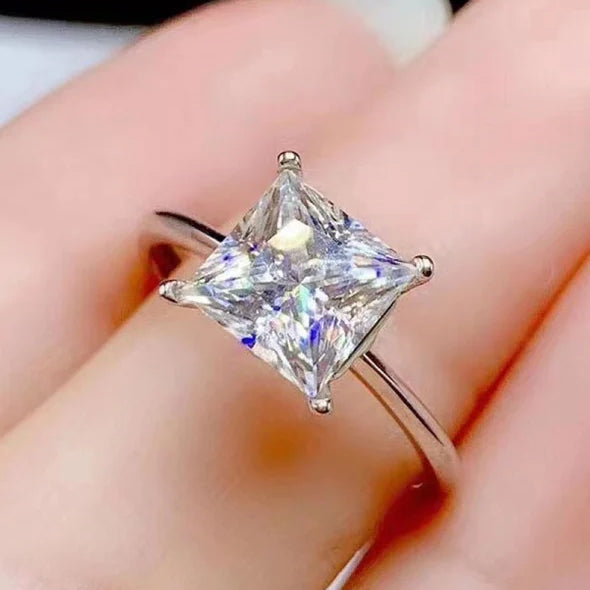
Complete Engagement Rings
Choose a ring with a diamond hand selected by a trained jeweler.


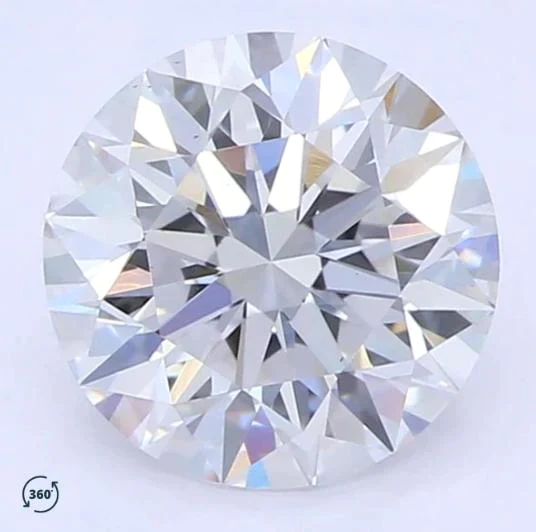
Loose Diamonds
Shop a huge selection of certified natural or lab-grown diamonds. On Sale Now!

Fashion Jewelry
Fashion rings, necklaces, bracelets & earrings. Take your style to a new level.


Comments