
Lab-Grown VS. Natural Diamonds: Can You Tell the Difference?


No, you can’t tell the difference between lab-grown and natural diamonds. Lab-grown diamonds are visually, chemically, and structurally identical to natural ones. The only way to detect their origin is with specialized equipment used by gem labs.
Here’s what you should know:
-
Lab diamonds are real diamonds, period. No quotes, no caveats.
-
They’re indistinguishable to the naked eye, even under magnification.
-
The cut, carat, and overall design impact beauty far more than origin ever could.
-
You get more size and brilliance for your budget, without compromising quality.
That’s where Mikado Diamonds comes in.
We help you make sense of all this with expert guidance, ethically grown diamonds, and one-on-one support to create a ring that’s entirely yours.
Keep reading to learn how to choose a lab-grown diamond with confidence, and never second-guess your decision.
So… Can You Actually Tell the Difference? (Short Answer: No)

What the Eye Sees vs. What Science Knows
Let’s get this out of the way: if someone showed you a lab-grown diamond and a natural one side-by-side, same cut, same carat, same color, you wouldn’t be able to tell the difference.
Not with your eyes. Not even if you squint under perfect lighting.
They sparkle the same. They have the same fire, brilliance, and beauty.
That’s because both lab-grown and mined diamonds are made of pure carbon, arranged in an identical crystal structure. In every visual sense, they are twins.
Even trained gemologists can’t eyeball the difference without help. So, if you’re worried someone will “spot” your lab diamond, they won’t. Not unless they’re bringing lab equipment to dinner.
What Tools Can Detect (and What Can’t)
Now, can the difference be detected? Yes, but only with specialized tools in a gem lab.
We’re talking spectroscopy, UV fluorescence testing, or scanning electron microscopes. These can pick up subtle markers like:
-
Growth patterns are unique to how lab diamonds form
-
Trace elements like nitrogen (typically present in mined diamonds, but absent in many lab ones)
-
Metallic inclusions from the lab-growing process
Standard diamond testers, the kind jewelers use to check for moissanite or cubic zirconia, won’t tell you whether a diamond was grown in a lab or pulled from the earth. They're designed to verify if it’s a diamond, not where it came from.
Bottom line: unless someone is analyzing your ring under magnification with lab-grade equipment, your lab-grown diamond is visually and structurally indistinguishable from a mined one.
And really, who’s doing that?
How Professionals Identify Lab vs. Natural Diamonds
So if the average person, and even most jewelers, can’t tell the difference with the naked eye, how do professionals actually know what’s what?
Laser Inscriptions and Girdle Markings
The simplest way gem labs and ethical jewelers identify a lab-grown diamond is through microscopic laser inscriptions placed on the girdle (the thin outer edge of the diamond).
These marks often include the grading lab’s initials and a unique report number, clearly indicating it’s lab-created.
Here’s the key: these inscriptions are not legally required, but they’re standard practice among reputable vendors. Every lab-grown diamond we offer includes a visible laser inscription unless otherwise noted.
Can it be removed?
Technically, yes.
But doing so would require repolishing the diamond, which could impact its proportions or brilliance. And if that inscription is gone, even a professional may not be able to determine the diamond’s origin without lab tools.
What Grading Labs (GIA/IGI) Look For
The Gemological Institute of America (GIA) and International Gemological Institute (IGI) treat lab-grown and natural diamonds with equal respect. They apply the same 4Cs grading system, cut, color, clarity, and carat, to both.
The only difference? They clearly state the diamond’s origin as “lab-grown” or “laboratory-created” in the grading report.
This means you can shop lab diamonds with just as much confidence as you would natural ones, assuming, of course, you're buying from a transparent, certified source.
CVD vs. HPHT – Can You Spot the Method?

Lab-grown diamonds are made using two main processes: CVD (Chemical Vapor Deposition) and HPHT (High Pressure High Temperature).
CVD tends to produce diamonds with fewer inclusions and more consistent color, while HPHT mimics the natural formation process more closely. Both produce real diamonds. Both result in stones that are visually identical to natural diamonds.
The differences?
Only detectable under magnification. CVD diamonds may show subtle growth lines, and HPHT diamonds might contain metallic traces from the growth chamber, but again, you won’t see any of this without a gemologist’s scope.
In fact, most retail jewelers don’t bother checking. That’s why certification matters. It’s the only way to know, for sure, what you’re buying, whether you’re shopping mined or lab-grown.
Why Some People Still Think They Can Tell
Let’s be honest, when people say they “can tell” a lab diamond apart, what they usually mean is they feel like they should be able to tell. And that feeling? It’s driven more by perception than by proof.
Social Perception and Status Bias
There’s a lingering myth out there that natural diamonds are inherently more “romantic” or valuable. But that idea didn’t come from science; it came from decades of marketing campaigns designed to position mined diamonds as luxury status symbols.
In reality, lab-grown diamonds are chemically, optically, and physically identical. The sparkle is the same. The strength is the same. The “cheap vs. real” narrative? That’s pure bias rooted in tradition, not facts.
And yet, many people still hesitate, because deep down, they’re worried about what others will think.
Emotional vs. Rational Buying
Here’s the internal tug-of-war many engagement ring shoppers feel:
-
The rational voice says: “This lab diamond looks perfect, is half the price, and lets me afford a bigger stone with better clarity.”
-
The emotional voice says, “But what if someone thinks I cut corners? What if it doesn’t feel real?”
This is the unspoken fear: Will people judge my ring? Will my partner be disappointed?
We’ve walked hundreds of couples through this exact moment. What we’ve found is that once people see the ring, once they witness the sparkle, the design, and the emotion behind it, that fear dissolves.
Because a beautiful diamond isn’t defined by its origin. It’s defined by the meaning you give it.
What Matters More Than Origin: Cut, Carat, and Confidence

At this point, you know lab and natural diamonds look the same. But here’s the truth most shoppers don’t hear enough: origin isn’t what makes a diamond stunning.
It’s the cut. It’s the carat. It’s the confidence you feel knowing you chose what’s right for you.
Why Cut Quality Trumps Origin
If there’s one thing I’ve learned in over 15 years of working with diamonds, it’s this: a poorly cut natural diamond won’t sparkle nearly as much as a well-cut lab one.
The cut determines how light enters the diamond, how it bounces, and how much brilliance you actually see. It’s what gives a diamond that head-turning flash, the thing people really notice.
But here’s the catch: most shoppers overlook cut.
They focus on origin or clarity or color… and miss the one factor that makes all the difference. Here, cut is our first priority, because a dull diamond isn’t romantic, no matter how it was formed.
You’ll Get More Size for Your Budget
Lab-grown diamonds are typically 20–50% less expensive than their mined counterparts. That means your budget goes further, way further.
Want a 3-carat oval with a hidden halo? You can have that.
Want to upgrade to a custom yellow gold setting or add pave accents? You can do that, too.
The magic of lab-grown diamonds isn’t just that they look amazing; it’s that they free you up to design the ring you’ve been dreaming about, without compromising on quality or size.
In a world where natural diamonds still carry inflated pricing and outdated expectations, lab diamonds open the door to bigger, bolder, more meaningful choices, and we’re here to help you make them with confidence.
What to Consider Before You Buy
This isn’t just about lab vs. natural, it’s about clarity. Not the kind on a grading report, but the kind that helps you sleep at night knowing you made the right call.
Let’s walk through the key things to keep in mind before you buy.
Want It to Be Indistinguishable?
If your goal is to wear a ring no one can visually distinguish from a mined diamond, choose a certified lab-grown diamond from a reputable source, period.
That means:
-
Verified GIA or IGI certification
-
Visible laser inscription with the report number
-
No gimmicks like "premium lab-grown" or “near-colorless” without clarity
And please, avoid mystery sellers or generic online marketplaces. A beautiful diamond starts with trust, not a flash sale.
Want to Be Able to Tell?
Some buyers actually like the idea of knowing their diamond is lab-created. Whether it’s for ethical reasons, sustainability, or personal pride, that’s perfectly valid.
In that case:
-
Ask for the grading report from the gem lab
-
Make sure the laser inscription is visible and preserved in the setting
That’s your proof, and a quiet badge of pride that your diamond didn’t come from a conflict zone or a 300-foot-deep open-pit mine.
What About Resale Value?
Let’s bust this myth: most people never sell their engagement ring. And when they do, it’s rarely for a profit.
In fact, the resale market for natural diamonds isn’t great either. You’ll typically get 20–40% back on a stone, if that. So, unless you’re treating this like a financial asset (which we wouldn’t recommend), Origin won’t protect your wallet.
This is about love. About the moment. About a ring that reflects your story, not your portfolio.
Buy the diamond that makes you feel something. That’s where the real value lives.
Why We Believe Lab Diamonds Are the Future

We’ve seen the shift happen firsthand. Couples are smarter, savvier, and more intentional than ever. And when they discover that lab-grown diamonds are:
-
Chemically identical to mined diamonds
-
Ethically superior, with none of the environmental destruction or supply chain murkiness
-
Affordably beautiful, allowing them to prioritize cut, size, and setting over status
…they start to rethink everything they thought they knew about diamonds.
We believe lab-grown diamonds aren’t just an alternative, they’re an upgrade. They represent a modern kind of romance.
One rooted in meaning, not marketing. One where every dollar goes toward what you value: beauty, integrity, personalization, not inflated price tags.
And when you custom-design a ring with us, it becomes even more than that. It becomes yours. A ring no one else has, crafted from a diamond that reflects your story, not someone else’s tradition.
Lab-grown diamonds give you the freedom to choose boldly, to celebrate your love with confidence, and to create something unforgettable, without compromise.
Still Debating Lab vs. Natural? Let’s Talk It Through

You don’t have to figure it all out on your own. If you’re still weighing the options, have a few lingering questions, or just want someone to walk you through the process, we’re here for that.
You’ll talk to a real human who knows diamonds inside and out (no scripts, no showroom tricks). We’ll help you find a certified lab-grown diamond that fits your budget, your style, and your story, so you feel confident every step of the way.
We’re ready when you are:
Let’s make this moment yours.
FAQ
Let’s tackle a few of the biggest questions we hear from clients every week, because it’s totally normal to feel unsure when you’re making a once-in-a-lifetime decision.
Can Lab Diamonds Turn Yellow Over Time?
No. Lab-grown diamonds are just as stable and durable as mined ones. They won’t change color, fade, or develop a yellow tint. If a diamond looks off-color, it’s due to its original grading, not its origin.
Will My Ring Look Obviously Lab-Grown?
Only if someone points it out, and even then, they’ll need a microscope.
There’s nothing visibly different about a lab-grown diamond. The only way to “tell” is by checking the microscopic laser inscription on the girdle. And let’s be real, no one’s doing that at brunch.
If you don’t want anyone to know? They won’t.
Do Lab Diamonds Chip More Easily?
Absolutely not. Lab-grown diamonds score a 10 on the Mohs scale, just like natural diamonds. They’re the hardest substance on Earth, no matter where they came from.
So, unless you’re planning to swing a hammer at your ring, durability isn’t something you need to worry about.
What If the Laser Inscription Is Removed?
Then the diamond’s origin becomes virtually undetectable, even to professionals. That’s how identical lab and natural diamonds really are.
We believe in full transparency. We’ll always show you the inscription, your grading report, and answer every question you have, no pressure, no guesswork.
Do Lab Diamonds Sparkle Less?
Nope. Sparkle is determined by cut quality, not whether your diamond was mined or made.
A poorly cut natural diamond can look dull, while a well-cut lab diamond will absolutely light up a room. This is why we hand-pick every stone we offer, because brilliance isn’t just about origin. It’s about beauty.
Mikado Collection
Hand Crafted Engagement Rings, Loose Natural and Lab-Grown Diamonds and a Fashion Jewelry Collection of Rings, Necklaces, Bracelets, and Earrings.

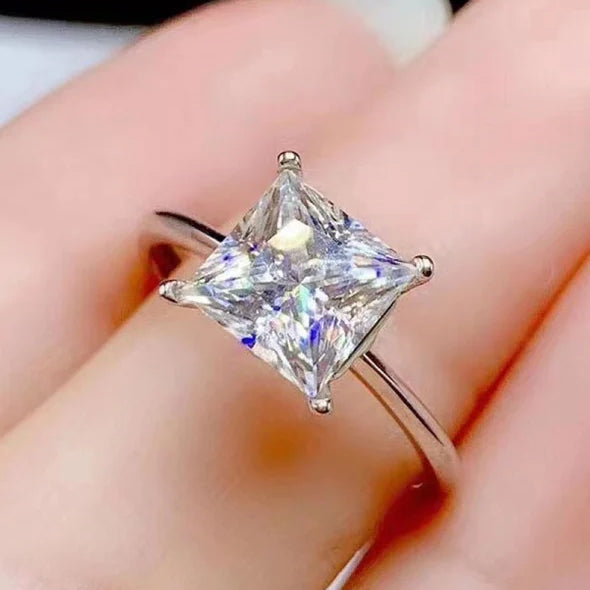
Complete Engagement Rings
Choose a ring with a diamond hand selected by a trained jeweler.

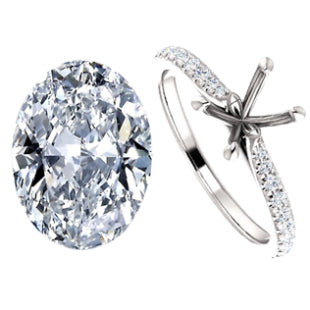

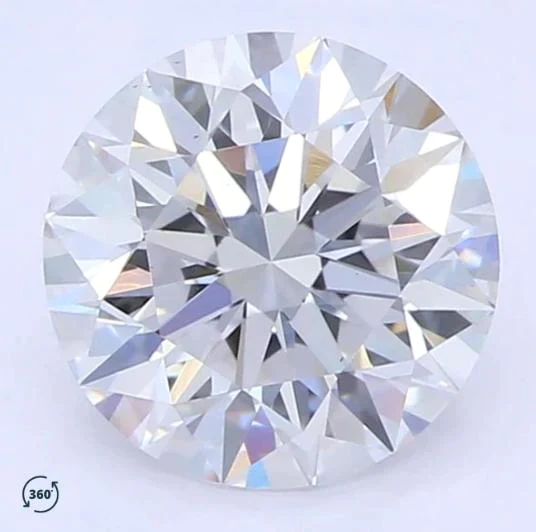
Loose Diamonds
Shop a huge selection of certified natural or lab-grown diamonds. On Sale Now!

Fashion Jewelry
Fashion rings, necklaces, bracelets & earrings. Take your style to a new level.


Comments