
How Big is a 5 Carat Diamond? Pricing & Buying Guide


A 5-carat diamond is an extraordinary gem – extremely large and rare compared to typical engagement ring stones. In this guide, we’ll explain what a “5-carat” diamond really means in size and visual impact, discuss 5-carat diamond prices (comparing natural vs. lab-grown), give tips on choosing a 5ct diamond (balancing the 4Cs at this size), recommend the best ring settings for such a large diamond, and examine the investment and value considerations (including resale value and why lab-grown offers a big look for less). This factual, data-driven overview will help you make an informed decision on a 5-carat diamond purchase.
What Does a 5-Carat Diamond Mean?
A 5-carat round diamond (~11 mm diameter) next to a dime (18 mm diameter), illustrating its substantial size on a finger. “5 carats” refers to the weight of the diamond. One carat equals 200 milligrams, so a five-carat stone weighs about 1 gram. In practical terms, a well-cut 5ct round diamond measures roughly 11 mm across, giving it a much larger face-up size than commonplace 1ct diamonds (around 6.5 mm). For perspective, a U.S. dime coin is 18 mm in diameter, so a 5ct diamond, while smaller than a dime, will cover a good portion of the finger. The difference in visual impact is dramatic – a 5-carat diamond commands attention with its size and sparkle.
Such a large diamond will not only look sizable – you’ll feel the weight when wearing it. Five-carat diamonds are exceptionally rare; even seasoned jewelers may encounter few truly fine 5ct stones in their careers. In an engagement ring, a 5ct center stone is unquestionably eye-catching and extravagant. It’s well above the average engagement diamond size (around 1 carat or less), so a 5ct diamond signifies a level of luxury and status in its own league. In short, a 5-carat diamond ring will be a stunning showpiece with unforgettable presence.
5 Carat Diamond Price (Natural vs. Lab-Grown)
The price of a 5-carat diamond varies widely based on quality and whether it’s natural or lab-grown. Natural 5ct diamonds are extremely rare and expensive – their price tags range from tens of thousands up to hundreds of thousands of dollars. In general, a well-cut natural 5-carat diamond can cost around $50,000 on the low end (for lower color/clarity) and well over $200,000 for a high-quality stone. For example, industry data shows natural 5ct diamonds ranging roughly from $36,000 up to $220,000 or more, depending on the 4Cs. Truly exceptional stones (D color, flawless clarity, top cut) from luxury brands can even exceed $300,000 in price. In short, natural five-carat diamonds are one of the costliest gems you can buy, reflecting their rarity.
By contrast, lab-grown 5-carat diamonds are dramatically more affordable. You can get the same 5-carat size for a fraction of the cost if the diamond was created in a lab. Lab-grown 5ct diamonds generally range from around $9,000 to $38,000 in today’s market, a tremendous discount compared to natural. Some lower-grade lab 5ct stones might even be priced below $10k. As technology improves, large high-quality lab diamonds have become more available and prices continue to be competitive. The key point: a lab-grown diamond offers a similar wow-factor in size and sparkle for far less money than a mined diamond of the same carat weight. For buyers who prioritize size and brilliance over origin, lab-grown is an attractive option.
It’s important to note that the 4Cs (Cut, Color, Clarity, Carat) still heavily influence price within those ranges. For natural diamonds, a 5ct with modest color (say J/K) and visible inclusions might be “cheaper” (~$50k), whereas a 5ct that is colorless (D) and flawless can be astronomically expensive (well into six figures). Lab-grown diamonds also see price variation for quality, but even top-grade lab stones tend to cost a small fraction of equivalent natural stones. In summary, expect roughly $50k+ for any decent natural 5ct (often $100k and up for excellent quality), versus perhaps $10–30k for a good lab-grown 5ct. The sticker shock of natural 5-carat diamonds is why many shoppers consider lab-grown alternatives to achieve that big look without a multi-six-figure budget.
Choosing a 5ct Diamond – Balancing the 4Cs
When buying a diamond as large as five carats, the 4Cs become even more critical. Tiny differences in quality are magnified at this size, but there are smart trade-offs to get the best value. Here are key tips for choosing a 5ct diamond wisely:
-
Cut is King: Prioritize an Excellent/Ideal cut grade. Cut quality has the greatest impact on sparkle and beauty, especially for a large diamond. An expertly cut 5ct diamond will out-shine a poorly cut one, so never sacrifice cut – it’s worth every penny for maximizing brilliance.
-
Clarity – Aim for Eye-Clean: Due to the stone’s size, inclusions can be more noticeable. You don’t necessarily need “Flawless,” but opt for ~VS2 or VS1 clarity which is typically eye-clean (no visible flaws to the naked eye). A VS2/VS1 will look as clean to your eyes as an IF in most cases, but at a much lower cost. Avoid heavily included (I grade) diamonds in this carat weight – big diamonds show imperfections more easily.
-
Color – Near-Colorless Sweet Spot: Large diamonds also reveal color tints more readily. For a white-looking stone without the huge price of a D color, consider the G–H color range (near-colorless). A well-cut 5ct in G or H will face-up icy white, especially in white metal settings, at a much better value than a D. If you don’t mind a touch of warmth (or you plan a yellow/rose gold setting), even I or J color can still look beautiful and save a lot of money.
-
Shape and Cut Style: Round brilliants are the most popular but also the priciest shape per carat (due to demand and cutting waste). If budget is a concern, you can get a larger-looking 5ct or save money by choosing a fancy shape like oval, cushion, pear, or princess cut. These shapes tend to cost less per carat and can face-up big for their weight (oval and marquise, for example, appear elongated and large). Pick a shape that you love, but remember it can impact price.
-
Certification is a Must: Always buy a 5-carat diamond that comes with an independent certification report (ideally from GIA, AGS, or another reputable lab) verifying its 4Cs grades. A stone of this value must have pedigree. The cert assures you of what you’re paying for and is essential for insurance and resale down the line. Avoid any 5ct diamond without a formal grading report – insist on seeing the GIA/AGS certificate number.
-
Compare and Budget Wisely: Because 5ct stones are such a major purchase, take time to compare similar diamonds across vendors. Small differences in color/clarity can mean big price jumps. Set a realistic budget (prices can range from ~$30k to $200k+ as noted) and decide which C’s to prioritize for your needs. For instance, you might drop from F to H color to afford a better cut or slightly larger stone. Know that slight compromises in grade (while staying within high quality ranges) can save tens of thousands without visibly changing the look. It’s all about finding the right balance for a stunning result.
Above all, focus on quality. At five carats, diamonds are less forgiving – an “okay” stone can look dull or tinted, whereas a carefully chosen diamond will be breathtaking. It often pays to buy a bit smaller or of slightly lower grade in one area if it means significantly better cut or overall appearance. With the right choices, your 5-carat diamond will have optimal fire, brilliance, and white sparkle for the budget.

Best Settings for a 5-Carat Diamond Ring
How you set a 5ct diamond is crucial for both security and style. A five-carat gem is heavy and valuable, so the ring setting must hold it securely while showcasing its beauty. Here are some of the best setting options and considerations for large diamonds:
-
Six or Eight-Prong Solitaires: A classic prong setting can securely grasp the diamond and let in maximum light. For a 5ct stone, use at least 6 prongs rather than 4 for extra security. Many jewelers recommend even 8 prongs for very large or elongated stones. Additional prongs help distribute the weight and protect the diamond if one prong fails. Often the prongs will be made of sturdy platinum for strength. A well-made six-prong solitaire puts the 5ct diamond front and center, but with peace of mind that it’s firmly held.
-
Bezel Settings: A bezel setting encircles the diamond’s perimeter with a metal rim. This is one of the most secure settings for a large diamond because it protects the entire edge (girdle) from being exposed. A full bezel (or even a half-bezel/U-shape) locks in the diamond and prevents snagging or chipping of any edges. The bezel look is sleek and can make the diamond appear even larger by outlining it. It’s a great choice if you want ultimate protection for everyday wear of a 5ct ring.
-
Halo Settings: A halo surrounds the center diamond with a ring of smaller diamonds. This can be a smart design for a 5-carat stone – the halo not only adds extra sparkle and visual size (making your center look even more impressive), but it also offers a buffer of protection around the stone. The halo’s metal and diamonds help shield the center 5ct diamond’s edges from impact. Additionally, halo or hidden-halo styles can accentuate the big stone and create a stunning effect without requiring additional carat weight on the center. Many 5ct engagement rings use a halo for its combined aesthetic and protective benefits.
-
Sturdy Bands & Mountings: No matter the style, ensure the ring’s band and head are built to support a heavy gem. Cathedral settings (which have arching metal that rises to support the stone) or thick tapered shanks can provide stability. Double prongs (paired prongs at each corner) are often used for large fancy shapes (like pear or princess cuts) to secure any pointed corners. The goal is to prevent a big diamond from rocking or loosening over time. Always choose a well-crafted setting from a reputable maker for a diamond of this caliber – it should be designed to handle the weight and keep the diamond safe for a lifetime.
-
Avoid Tension/Suspension Settings: Certain modern styles that hold the diamond by pressure (tension rings) or minimal metal are not recommended for 5-carat stones. They simply do not provide enough security for such a large, heavy gem. The risk of the diamond coming loose or the metal deforming is higher with significant carat weight. It’s best to stick with time-tested setting styles (prongs, halos, bezels, baskets) that fully support a 5ct diamond.
In summary, security is paramount for a 5ct diamond ring setting. A six-prong or bezel setting in a strong metal will give you confidence that the diamond is protected during wear. At the same time, thoughtful design elements like halos or creative prong arrangements can enhance the diamond’s appearance. Work with an experienced jeweler to choose a setting that balances durability and beauty, so your 5-carat dazzler is shown off safely and spectacularly.
Investment & Value Considerations
Beyond the initial price, it’s wise to consider the long-term value and resale prospects of a 5-carat diamond, especially when comparing natural vs lab-grown:
-
Natural Diamonds – Rarity and Resale: A natural 5ct diamond is a rare asset, and that rarity can translate to better value retention. However, keep expectations realistic – the resale market for any diamond (even large ones) is typically well below retail. You might recoup only on the order of 20% to 60% of what you paid if you sell, depending on the stone’s quality and market conditions. High retail markups and the niche demand for very large stones can limit resale prices. That said, an ultra-high quality 5ct (especially with top grading and from a noted source) will always have buyers in the global market due to its scarcity. Think of a natural 5-carat diamond as a store of value – not a guaranteed investment gain, but a tangible asset that holds significant worth. It’s wise to insure such a purchase and keep all certification paperwork to aid its value.
-
Lab-Grown Diamonds – Big Look, Lower Resale: The trade-off for the low cost of a lab-grown 5ct diamond is that it has minimal resale value. Lab diamonds are not limited by nature; more can be produced anytime, so they don’t appreciate and can even decline in price as technology advances. If you try to resell a 5ct lab-grown diamond, you may find offers significantly lower than what you paid (or no market at all in some cases). As one industry guide notes, lab-grown diamonds “don’t hold the same resale value” as natural diamonds. In other words, a lab 5-carat is not an investment piece – it’s best viewed as a way to get a gorgeous, sizable diamond for personal enjoyment at a relatively bargain price. The upside is you save tremendously upfront; the downside is you shouldn’t count on recouping money later.
Which is right for you? If you want a 5-carat diamond for the “wow” factor and personal pleasure, and resale or heirloom value is not a priority, a lab-grown stone offers unmatched bang for your buck. You’ll get the brilliance and drama of a 5ct rock without spending six figures. On the other hand, if you place importance on the enduring rarity and value of the diamond (or you want it to hold its value for future generations), a natural diamond is the classic choice. Natural 5ct diamonds will continue to be rare, and while you pay a steep premium, you own something truly unique from the earth. In either case, ensure you buy from a trusted jeweler with proper certification. A 5-carat diamond – whether mined or lab-created – is a significant purchase, and doing your homework on quality and pricing (as you’ve done by reading this guide) is the best way to make a wise, confident decision.
Mikado Collection
Hand Crafted Engagement Rings, Loose Natural and Lab-Grown Diamonds and a Fashion Jewelry Collection of Rings, Necklaces, Bracelets, and Earrings.

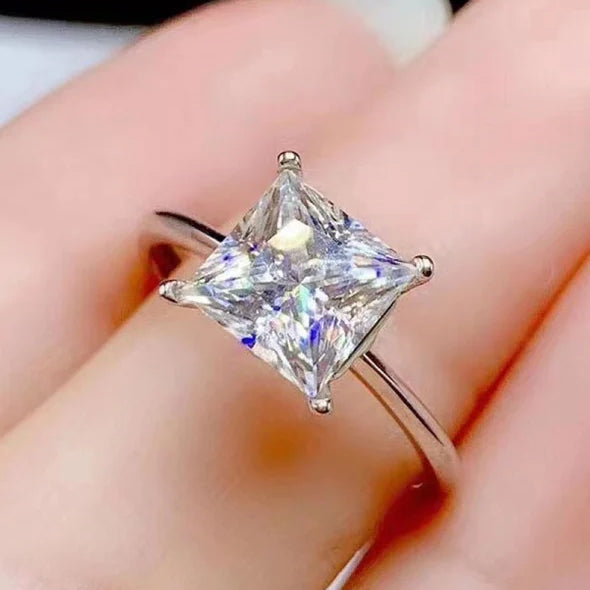
Complete Engagement Rings
Choose a ring with a diamond hand selected by a trained jeweler.


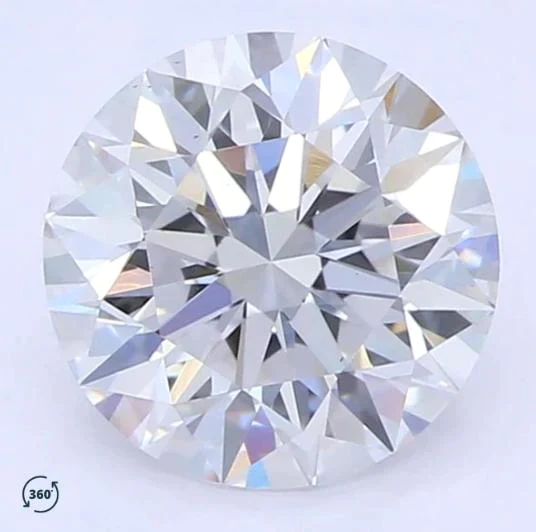
Loose Diamonds
Shop a huge selection of certified natural or lab-grown diamonds. On Sale Now!

Fashion Jewelry
Fashion rings, necklaces, bracelets & earrings. Take your style to a new level.


Comments