
Emerald Hardness vs Diamond: Which Gem Is More Durable?


Diamonds are about 140 times harder than emeralds. On the Mohs scale, diamonds rank a perfect 10,and emeralds sit at 7.5 to 8. That difference means diamonds resist scratches like champions, while emeralds demand more care.
So what does this mean for your engagement ring?
Let’s break it down with a few quick facts:
-
Diamonds don’t scratch, they’re the hardest natural material on Earth.
-
Emeralds are stunning but fragile, especially with daily wear.
-
Hardness ≠ toughness, diamonds are harder, but emeralds are more likely to chip due to internal fractures.
-
Setting matters, a protected mount can make or break an emerald ring.
And if you’re wondering how to actually choose between beauty and durability without second-guessing every decision, this is exactly where Mikado can help.
We walk you through it all, one step at a time. No sales pitch. Just honest advice, beautiful options, and a ring that works for your life.
Still unsure which one fits your life best? Keep reading, we’re about to make that decision a whole lot easier.
Emerald vs Diamond Hardness: What You Need to Know
Let’s start with the numbers.
On the Mohs scale of mineral hardness, diamonds sit at a perfect 10, the highest rating possible. Emeralds, in comparison, fall between 7.5 and 8.
That may sound close on paper, but in real-world durability? The gap is massive.
Hardness on this scale isn’t linear; it’s exponential.
A diamond isn’t just a little harder than an emerald. It’s roughly 140 times harder. For context, even sapphires (rated 9 on the Mohs scale) aren’t in the same league as diamonds when it comes to resisting scratches and abrasions.
This hardness is why diamonds hold up so well in engagement rings worn every day.
They don’t scratch. They don’t wear down. They maintain their polish and sparkle for decades, even lifetimes.
Emeralds, on the other hand, are beautiful but far more vulnerable to everyday wear, especially from things like dust (yes, even that’s hard enough to scratch them).
So if you're asking, “How much harder is a diamond than an emerald?”, the answer is: a lot. And that difference directly impacts how long your ring stays beautiful without chipping, dulling, or needing repair.
Hardness ≠ Toughness
Here's where things get a little more nuanced.
Hardness refers to a gem’s resistance to scratches. Toughness, on the other hand, measures how well a stone resists breaking or chipping under impact.
They’re not the same, and both matter when choosing a ring for everyday wear.
Diamonds are incredibly hard, but they’re not indestructible. A sharp hit at the wrong angle, usually on a pointed corner like in a princess or marquise cut, can still chip them. That said, it’s rare.
Emeralds?
They’re a different story. While still considered “hard” compared to many gems, emeralds are not tough.
Almost all emeralds contain internal fractures or inclusions (referred to charmingly as jardin, French for “garden”) that compromise their structural integrity.
These inclusions make them more likely to chip or crack, especially if they're not set securely or handled gently.
Helpful Resource -> Are Lab-Grown Diamonds as Hard as Natural Ones?
Why Are Emeralds So Fragile? Inclusions, Oils, and All That Jazz

Unlike diamonds, which are graded and valued in part for their clarity, emeralds are expected to have inclusions.
It's part of what gives them their organic, antique character. But those same inclusions make them fragile.
To improve their appearance, almost all emeralds are treated with oil. This process fills in the fractures and enhances clarity and color.
But the oil isn’t permanent. Over time, with wear and cleaning, it can degrade or even leak out, leaving the stone cloudy and more vulnerable.
Setting Style Can Make or Break an Emerald
Emeralds can absolutely be worn every day, but only if they’re treated with respect and protected properly.
For emeralds, the safest settings are bezels, halos, and low-profile prong mounts. These styles provide coverage and structural support, helping to shield the edges and reduce the risk of chips.
A well-designed diamond halo, for example, acts like a bumper against life’s little accidents.
The worst offenders?
High prongs and tension settings. While they may look modern and sleek, they expose the stone to pressure and impact, especially risky for emeralds with natural fractures.
Emeralds that come back cracked almost always live in vulnerable settings.
Helpful Resource -> The Most Secure Ring Settings (Ranked & Explained)
Emerald vs Diamond: Looks, Symbolism, and Price

Not everything is about durability. Sometimes, it’s about meaning.
Emeralds radiate a vintage, romantic charm. Their deep green hue has been tied to Venus, love, rebirth, and wisdom for centuries.
They make a bold statement, elegant, mysterious, and timeless. That symbolism is what draws many of our clients to them, even with the added care they require.
Diamonds, meanwhile, are the classic engagement favorite. They’re brilliant, adaptable, and carry their own symbolic weight, often linked to strength, commitment, and eternity.
And with today’s lab-grown options, they’re also far more accessible in size and clarity than they once were.
High-quality emeralds can actually cost more per carat than diamonds. Especially those with vivid color and minimal treatment.
But supply is inconsistent, and finding a perfect emerald is often harder than sourcing a stunning lab-grown diamond.
Pro tip: If you’re drawn to green but want everyday durability, consider green sapphires or lab-grown green diamonds. They offer similar aesthetics with fewer fragility concerns.
Lab-Grown Options: A Middle Ground

For couples torn between visual beauty and everyday practicality, lab-grown gemstones offer an excellent compromise.
Lab-grown emeralds are typically created under controlled conditions that reduce the number of inclusions, making them structurally stronger than many natural emeralds.
While they still require care, they offer more predictability in both durability and color consistency, which is a huge help when designing custom rings.
Lab-grown diamonds, on the other hand, are chemically identical to mined diamonds, with the same unbeatable hardness and brilliance, but cost significantly less.
They’re also the most ethical and sustainable option available today, free from the environmental and human concerns tied to mining.
We’ve seen a consistent trend. Clients initially captivated by the rich green of emeralds often switch to lab-grown diamonds for long-term wearability. They still get the sparkle, the size, and the symbolism, without sacrificing peace of mind.
Helpful Resource -> Do Lab-Grown Diamonds Hold Their Value?
So, Which Gemstone Should You Choose?

At the end of the day, the best gemstone isn’t the one with the highest price tag; it’s the one that fits your daily life, your love story, and your priorities.
If you have an active lifestyle, work with your hands, or want a ring you never have to worry about, a diamond is the smart pick. Its durability is unmatched, and you’ll be able to wear it without second-guessing every knock or bump.
If you’re drawn to rich color, symbolic beauty, and don’t mind taking extra care, emerald can be a stunning, meaningful choice, especially when designed with protection in mind.
Want both?
Many of our clients opt for a diamond engagement ring and then choose an emerald anniversary ring or right-hand ring later on, making both practicality and sentiment part of the journey.
Still Torn? Mikado Can Help

If you're stuck between emerald's allure and diamond's resilience, let’s talk.
We’ll guide you through custom designs, protective settings, and options you might not even know exist, all without pressure.
Schedule a consultation today, and let's make sure your ring is as strong and stunning as your story.
FAQ
Is white gold strong enough for emerald settings?
Yes, but yellow gold or platinum tends to show less wear and adds an extra layer of visual warmth that pairs beautifully with green tones.
Can emeralds be insured?
Absolutely, and you should. Because emeralds are more prone to chipping and treatment wear, insuring them offers peace of mind for life’s unexpected moments.
Can a cracked emerald be repaired?
In most cases, no, not to its original clarity or strength. Minor chips can sometimes be repolished, but fractures usually reduce both appearance and value significantly.
Mikado Collection
Hand Crafted Engagement Rings, Loose Natural and Lab-Grown Diamonds and a Fashion Jewelry Collection of Rings, Necklaces, Bracelets, and Earrings.

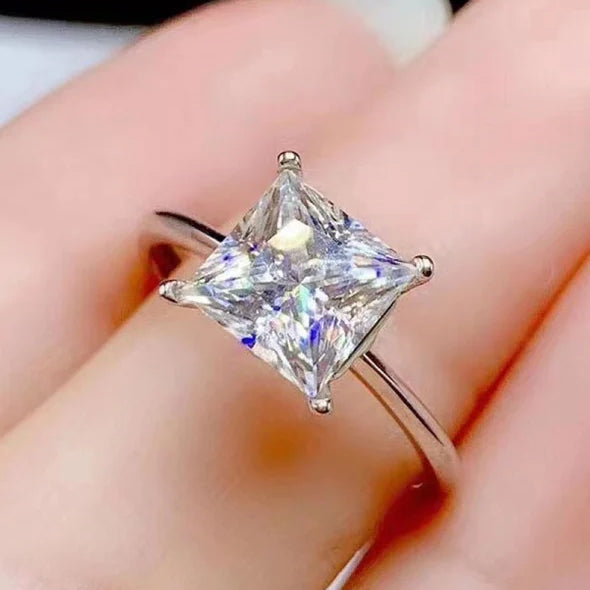
Complete Engagement Rings
Choose a ring with a diamond hand selected by a trained jeweler.


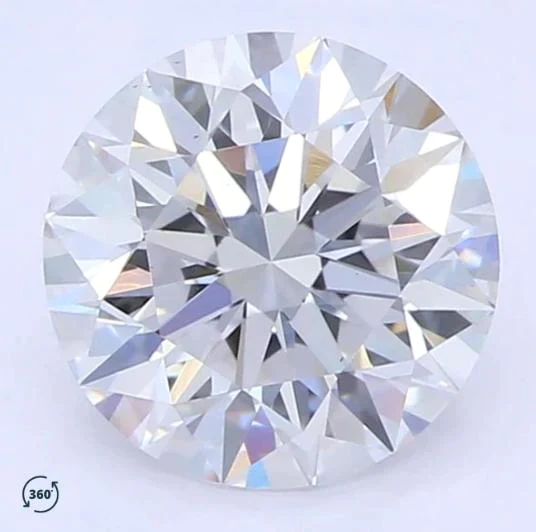
Loose Diamonds
Shop a huge selection of certified natural or lab-grown diamonds. On Sale Now!

Fashion Jewelry
Fashion rings, necklaces, bracelets & earrings. Take your style to a new level.


Comments