
What Is Fluorescence in a Diamond?


Fluorescence in a diamond is the soft glow some stones emit under ultraviolet (UV) light. It usually appears blue, though it can also appear yellow, green, or white. It’s a natural characteristic, not a flaw, and it can influence both appearance and price.
Key things to know up front:
- Fluorescence is caused by trace elements in the diamond’s structure
- It’s graded on a five-point scale: None, Faint, Medium, Strong, Very Strong
- In some cases, it makes diamonds look whiter
- In rare cases, strong fluorescence can cause haziness
- Diamonds with fluorescence often cost less, making them a hidden value
At Mikado Diamonds, we help clients see past the myths and understand when fluorescence is an advantage.
Keep reading to learn how fluorescence really works and how to use it to your benefit when buying a diamond.
What Is Fluorescence in a Diamond? (And Should You Worry?)
Fluorescence 101: What It Is & Why It Happens

Fluorescence is the soft glow some diamonds emit under ultraviolet (UV) light. It’s caused by trace elements, usually nitrogen, within the diamond’s crystal structure. This is a natural characteristic, not a defect.
- Most fluorescence appears blue
- Rarely, it can show as yellow, green, or white
- It’s invisible under normal lighting like candles, LEDs, or indoor lamps
- It may appear in UV-heavy settings such as sunlight, nail salons, or blacklights
To make it easier to evaluate, the Gemological Institute of America (GIA) uses a five-point grading scale:
- None
- Faint
- Medium
- Strong
- Very Strong
These grades are always listed on GIA and IGI certification reports, giving buyers a reliable reference point.
The key takeaway: fluorescence isn’t a flaw. It’s simply one of many natural traits a diamond can have, and when understood properly, it can even be an advantage.
Helpful Resource -> Do Lab-Grown Diamonds Glow Under UV Light?
Color Enhancement or Hazy Nightmare?

Fluorescence can influence how a diamond looks, but the effect depends on color grade and the strength of the glow.
When Fluorescence Helps
In I–K color diamonds, medium to strong blue fluorescence can:
- Reduce yellow undertones
- Make the diamond appear whiter, especially in daylight
- Improve overall look without increasing cost
Think of it as a built-in filter that works in your favor.
When Fluorescence Might Hurt
In D–F color diamonds (the colorless range), very strong fluorescence can sometimes:
- Cause a hazy or milky appearance
- Dull the diamond slightly under certain lighting
This is rare. Most well-cut diamonds with fluorescence, even strong fluorescence, look perfectly clear.
Other Factors to Consider
- View before buying: Always check the diamond in person or through high-quality video.
- Shape matters: Fancy cuts like emerald, radiant, and pear tend to mask fluorescence effects better than round brilliants, thanks to their faceting patterns.
Helpful Resource -> Diamond Color Scale Explained: Save Smart, Choose Right
Sparkle, Fire, and Brilliance

Let’s clear up one of the biggest myths in diamonds: fluorescence does not kill sparkle.
A diamond’s brilliance, fire, and scintillation all come down to one thing: cut quality, not whether it glows under UV light.
- A dull diamond is almost always poorly cut
- A well-cut diamond with strong fluorescence can still sparkle like crazy
- The glow doesn’t affect performance under normal lighting
Fluorescence only becomes an issue if it visibly impacts appearance. In most cases, it doesn’t. And sometimes, it even works in your favor.
How Fluorescence Affects Price & Value
Here’s where smart buyers win.
Diamonds with medium to strong fluorescence often sell for 10–20% less than similar stones without it, not because they’re worse, but because of outdated perceptions.
This creates opportunity:
- Get a whiter-looking I-color diamond for the price of a J
- Stretch your budget without compromising appearance
- Potentially upgrade to a larger carat without spending more
We call it fluorescence arbitrage, and we’ve used it to help clients get more sparkle for less, especially with lab-grown diamonds, where transparency and value matter more than old-school rules.
What About Resale Value?
Some traditional jewelers undervalue fluorescent diamonds. They assume buyers will avoid them.
But that mindset is shifting.
- Some collectors actively seek strong blue fluorescence for its rarity
- Vintage cuts with visible fluorescence are often prized for their character
- In the high-end world, uniqueness can boost desirability, not reduce it
Why Some Jewelers Still Push “No Fluorescence”
This usually comes down to pricing strategy.
- “No fluorescence” diamonds often carry a markup
- Big-box stores avoid fluorescence to reduce questions and speed up sales
- Telling you it’s a red flag makes the upsell easier
Fluorescence isn’t bad. It’s just misunderstood.
Smart Buying Tips for Fluorescent Diamonds
Fluorescence isn’t risky if you know what to check:
- View it in daylight and under UV. Ask for videos when shopping online.
- Watch for haze, not just glow. Cloudiness is the issue, not fluorescence itself.
- Don’t rule out medium or faint fluorescence. It can enhance appearance and save money.
- Stick with certified stones. GIA or IGI reports will clearly note fluorescence.
Still Not Sure? Let’s Talk Diamonds.

Fluorescence is one of the most misunderstood diamond traits but it can also be a smart opportunity if you know what to look for.
At Mikado Diamonds, we break it down clearly. You’ll see real examples, get honest answers, and know exactly how fluorescence affects appearance and value.
Book your free consultation today and get expert guidance on choosing the diamond that’s right for you.
Mikado Collection
Hand Crafted Engagement Rings, Loose Natural and Lab-Grown Diamonds and a Fashion Jewelry Collection of Rings, Necklaces, Bracelets, and Earrings.

Complete Engagement Rings
Choose a ring with a diamond hand selected by a trained jeweler.


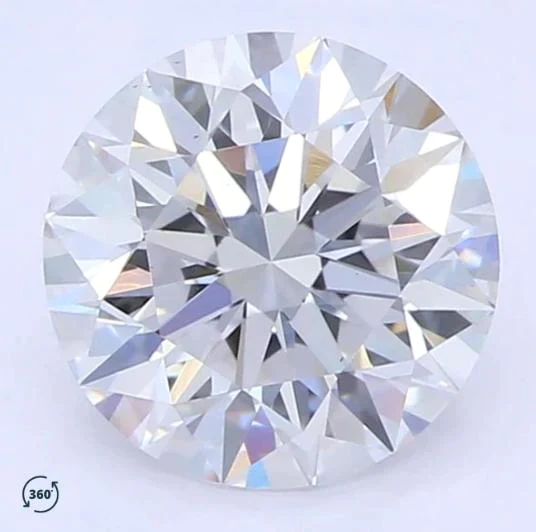
Loose Diamonds
Shop a huge selection of certified natural or lab-grown diamonds. On Sale Now!

Fashion Jewelry
Fashion rings, necklaces, bracelets & earrings. Take your style to a new level.


Comments