
Do Lab-Grown Diamonds Glow Under UV Light?


Yes, lab-grown diamonds can glow under UV light, just like natural ones.
It’s called fluorescence, and it’s totally normal, not a sign of a fake. Want to know what that glow means, how it differs from natural diamonds, and if it affects value?
Let’s break it down:
- Lab-grown diamonds can glow under UV light, just like natural diamonds.
- The glow comes from fluorescence, not from being “fake” or flawed.
- It’s completely normal, and usually invisible in everyday lighting.
- Want to avoid surprises? Just ask about fluorescence before you buy.
Do lab-grown diamonds glow under UV light?
We get this question a lot. And we love it, because it means you’re paying attention. You want to make an informed choice.
If you’re looking for a deeper grasp of why some diamonds glow (and others don’t), what that means for authenticity, appearance, or price, and how to shop smart without second-guessing, keep reading.
This guide is for you.
Why Do Some Diamonds Glow Under UV Light?
Fluorescence Explained, Without the Gemology Degree

When you shine UV light on certain diamonds, think of blacklights at concerts, clubs, or even some jewelry stores, they can suddenly glow.
That glow is called fluorescence, and it’s caused by trace elements inside the diamond reacting to ultraviolet light.
The result?
A soft blue, green, yellow, or even orange glow that disappears as soon as the UV light is turned off.
Here’s the simplest way to think about it:
Fluorescence means the diamond glows during UV exposure.
Phosphorescence, which is much rarer, means it keeps glowing for a few seconds after the UV light is gone.
Both effects are natural. They don’t affect a diamond’s durability or sparkle, and they’re not exclusive to lab-grown stones.
In fact, roughly 30% of natural diamonds fluoresce too. It’s just one of those fascinating quirks that makes diamonds, well, magical.
So… Do Lab-Grown Diamonds Glow? (And How Is It Different From Natural Diamonds?)
Yes, They Can, Here’s How
Lab-grown diamonds absolutely can glow under UV light, and sometimes even more vividly than their natural counterparts. That glow isn’t random.
It’s the result of trace elements like nitrogen or boron that get incorporated into the diamond during its formation in the lab.
Depending on how a lab diamond was grown, either HPHT (High Pressure High Temperature) or CVD (Chemical Vapor Deposition), you might see it glow blue, green, yellow, orange, or even red under UV light.
CVD diamonds often glow in stripes or patches, while HPHT stones may show more centralized or cross-shaped patterns.
And here’s a fun surprise!
Some lab-grown diamonds, especially those made using the HPHT method, keep glowing for a few seconds after the UV light is turned off. That’s phosphorescence, and it’s a rare trait in natural diamonds.
Comparing the Glow: Lab vs. Natural Diamonds
Most natural diamonds, if they fluoresce at all, tend to glow blue under long-wave UV light. It’s subtle and usually not visible unless you’re looking for it.
Lab-grown diamonds, on the other hand, can fluoresce in a wider range of colors and often glow more strongly, especially under short-wave UV.
While that might seem like a giveaway, it’s not foolproof. Both lab and natural diamonds can fluoresce.
And, there’s enough overlap that you can’t use UV glow alone to tell them apart.
The real differentiator?
That afterglow you sometimes see in HPHT lab diamonds. It’s one of the few UV-based clues gemologists use when identifying a diamond’s origin.
But it requires a trained eye and specialized equipment, not something you’d notice casually.
Should I Be Worried If My Diamond Glows? (Spoiler: Probably Not)
When Fluorescence Is Totally Fine (Even Kinda Cool)

A glowing diamond might catch you off guard at first, but it’s not a problem.
In fact, many diamonds glow under UV light, whether they’re natural or lab-grown. It’s just how certain trace elements react to ultraviolet energy. Nothing scary. Nothing “off.”
Some of our customers even get excited when they discover their diamond lights up at concerts or under blacklights, a secret sparkle, like a hidden superpower.
And yes, we’ve had people specifically request a diamond that “does the glow thing.” It’s a unique touch that adds a bit of personal flair.
When It Might Matter
That said, there are rare cases where very strong fluorescence can cause a diamond to look a little hazy or milky, especially in colorless stones (grades D–F).
This has more to do with how the diamond handles light than the glow itself, and it’s only visible under certain conditions, like bright UV-rich lighting or specific angles.
It won’t affect your everyday sparkle, and most people never notice it. But it’s worth being aware of, particularly if you’re shopping for a high-color-grade stone.
“Mine glows orange in the dark… is that bad?”
Not at all.
While blue is the most common fluorescence color, orange, green, and even red are possible, especially in lab-grown diamonds.
They’re rare but harmless, and to some buyers, they make the diamond feel even more special. One client told us their orange-glowing diamond felt like it had a “hidden fire”, and honestly, we love that.
Can You Use UV Glow to Spot Fakes or Lab Diamonds? (Let’s Bust Some Myths)
The Short Version
Let’s cut through the noise: just because a diamond glows under UV light doesn’t mean it’s lab-grown or fake.
In fact, around 30% of natural diamonds fluoresce, most commonly in blue. It’s a natural variation that occurs in both lab and earth-created stones.
So if someone tells you, “A glowing diamond must be synthetic,” they’re misinformed.
Now, there are specific fluorescence patterns, like cruciform shapes in HPHT diamonds or striped zones in CVD stones, that trained gemologists use to help determine a diamond’s origin.
But these aren’t things you can spot at home with a blacklight flashlight. They require advanced lab equipment and expertise.
How Experts Use UV to Identify Lab Diamonds
Here’s how it works behind the scenes:
- HPHT diamonds often fluoresce in a centralized or cross-like pattern and may even exhibit phosphorescence, glowing faintly for a few seconds after the UV light is turned off.
- CVD diamonds, on the other hand, usually show a striped or patchy glow under short-wave UV. These patterns relate to how the diamond was built layer by layer in the lab.
To detect these differences, professionals use deep-UV imaging and spectroscopic analysis, tools that can analyze the unique fingerprint of a diamond’s fluorescence.
For gem labs, it's one of many signals used to distinguish lab-grown from natural.
For buyers? It’s not a reliable at-home test.
In short, don’t judge a diamond’s authenticity by its UV glow alone. If you want to know the origin, ask for the lab report.
We provide all the documentation you need to shop confidently, no mystery here.
Does Fluorescence Affect Value or Quality? (And Should You Care?)
Not Always, But It Can Impact Price Slightly
Fluorescence doesn’t automatically make a diamond better or worse, but it can influence how a diamond is priced, especially when you get into top-tier color grades.
In colorless diamonds (D–F), strong blue fluorescence might slightly reduce the value, not because it affects durability or brilliance, but because it can cause a hazy or oily look in rare cases.
For that reason, some buyers and appraisers treat it as a discount factor.
But here’s the twist: in near-colorless diamonds (H–J), a touch of blue fluorescence can actually be a visual boost, making the stone appear whiter and brighter than its grade suggests.
In those cases, fluorescence becomes a hidden perk, not a flaw.
In fact, we’ve had clients specifically ask for faint to medium fluorescence for that exact reason; it adds value visually without impacting everyday wear or beauty.
Buyer Tip: Always Ask These Questions

If you’re shopping for a diamond, here are a few smart questions to ask up front, especially if you want to avoid any surprises under UV:
- Does this diamond have fluorescence?
- How strong is it, faint, medium, strong, or very strong?
- Can I see it under UV light?
- Bonus: Ask, Does it glow after the UV light is off? That subtle afterglow (phosphorescence) is a cool quirk of some HPHT lab diamonds, and can be a fun bonus or a helpful clue depending on your curiosity level.
We’ll walk you through these answers without the salesy spin. Whether you want a glow or want to avoid it, we’ll help you find a stone that feels right for you, with total transparency.
What About Phosphorescence? Glow That Lingers
What It Is and Why It Happens
Phosphorescence might sound technical, but it’s actually a simple (and kind of magical) effect: some diamonds keep glowing for a few seconds after the UV light turns off.
Unlike regular fluorescence, which vanishes the moment the UV light disappears, phosphorescence lingers, fading slowly like a tiny ember.
This lingering glow is most common in HPHT lab-grown diamonds and is extremely rare in natural stones.
It’s caused by how the diamond was formed in the lab and the specific trace elements that got trapped during its rapid crystallization.
Here’s the key takeaway: It’s totally harmless.
It doesn’t affect the diamond’s structure, sparkle, or everyday appearance. You’ll only notice it in a dark room immediately after UV exposure, and even then, it fades quickly.
We occasionally see clients fall in love with this unexpected trait.
Is UV Glow a Deal-Breaker? (Nope. Here’s What Matters More)
Focus on What You Can See Every Day

Let’s be real: unless you’re walking around with a UV flashlight in your pocket, fluorescence isn’t something you’ll notice in day-to-day life. Under normal lighting, sunlight, candlelight, and LED, it’s completely invisible.
What will matter every single day?
- Cut: The biggest factor in how much your diamond sparkles.
- Clarity: How clean it looks to the eye.
- Carat: The size and presence on the hand.
- Color: The hue and how bright or tinted the stone appears.
Fluorescence? It’s a footnote, unless you’re specifically looking for it.
We always guide our clients to prioritize cut quality first. A well-cut diamond, lab or natural, will dance in the light. And if yours happens to have a gentle glow under UV? That’s just its own little secret.
Final Thoughts: Don’t Let UV Glow Scare You Off
Here’s What We Want You to Know
If your lab-grown diamond glows under UV light, that’s not a red flag. It’s not a flaw. And it’s definitely not a sign you’re being scammed.
Fluorescence is normal.
It’s common in both lab and natural diamonds, and it’s usually invisible unless you go looking for it. In some cases, it even enhances how the diamond looks.
In others, it just adds a little surprise sparkle when the lights go low.
So here’s the truth: a diamond with fluorescence isn’t “less than.” It’s just different.
We believe buying a diamond should never feel like decoding a mystery. We walk you through everything, from UV traits to color performance to sparkle, in plain English.
No gimmicks, simply honest expertise to help you make a decision you’ll feel great about every time you look at your ring.
Still Not Sure? Let’s Talk It Through

Book a consultation with us.
Whether you’re deep in research mode or just stumbled into the world of diamond fluorescence, we’re here to help.
Get clarity on fluorescence, cut quality, and value, without the BS.
We’ll show you exactly what matters, what doesn’t, and how to find a lab-grown diamond that checks every box for beauty, meaning, and confidence.
Because at the end of the day, you’re not just buying a diamond. You’re building a moment that lasts forever.
Let’s make sure it starts with transparency, trust, and maybe even a little glow.
FAQ: Lab-Grown Diamonds & UV Light
Do Lab-Grown Diamonds Glow Under UV Light?
Yes. Like natural diamonds, many lab-grown diamonds fluoresce under UV light due to trace elements inside them.
What Causes This Glow?
It’s called fluorescence. It happens when trace elements like nitrogen or boron react to UV light, producing a glow, usually blue, but sometimes green, yellow, orange, or red.
Is Fluorescence Bad?
Not at all. It’s normal and invisible in everyday lighting. In rare cases, strong fluorescence can make colorless diamonds look hazy, but most people never notice.
Can Fluorescence Help Identify Lab-Grown Diamonds?
Only sometimes. Specific glow patterns (like stripes or crosses) can hint at lab origin, but you’d need lab equipment and expertise to confirm. UV glow alone isn’t a reliable test.
What Is Phosphorescence?
It’s a rare effect where a diamond continues glowing for a few seconds after UV light is turned off. It’s more common in HPHT lab diamonds and is completely harmless.
Does Fluorescence Affect Diamond Value?
Sometimes. In D–F color grades, strong fluorescence might reduce value slightly. But in H–J stones, it can actually enhance appearance by making them look whiter.
Can I Request A Diamond That Glows?
Absolutely. Some clients love the secret glow and request diamonds with faint to medium fluorescence for a touch of personality.
Should I Worry About Glow When Buying?
Nope. Focus on cut, clarity, carat, and color. Fluorescence is a bonus trait, not a flaw.
Mikado Collection
Hand Crafted Engagement Rings, Loose Natural and Lab-Grown Diamonds and a Fashion Jewelry Collection of Rings, Necklaces, Bracelets, and Earrings.

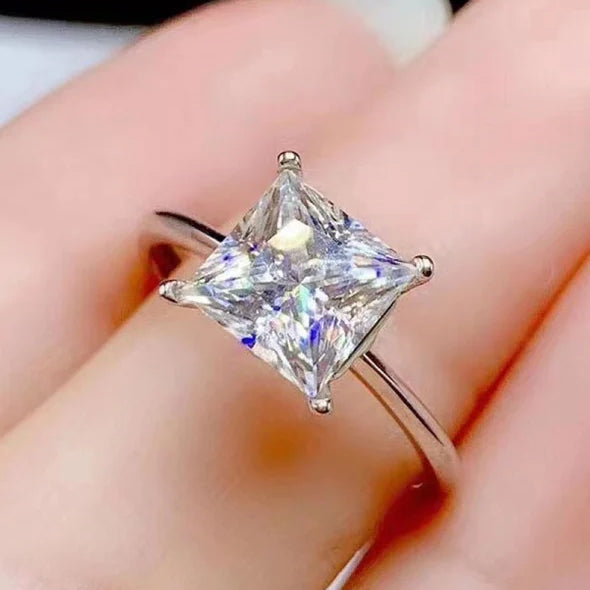
Complete Engagement Rings
Choose a ring with a diamond hand selected by a trained jeweler.


Loose Diamonds
Shop a huge selection of certified natural or lab-grown diamonds. On Sale Now!

Fashion Jewelry
Fashion rings, necklaces, bracelets & earrings. Take your style to a new level.


Comments