
Things I Wish I Knew Before Buying an Engagement Ring


Most people buying an engagement ring for the first time make the same mistakes: they overpay for clarity, chase the wrong specs, and fall for high-pressure sales tactics. It doesn’t have to be that way.
Here’s what we hear most often from clients who came to us after a bad experience:
- “I wish someone had told me cut matters more than carat.”
- “I thought clarity meant sparkle, turns out it doesn’t.”
- “I had no idea lab-grown diamonds were real.”
- “The jeweler just pushed whatever they had in stock.”
- “I spent more than I should have and still didn’t love the ring.”
At Mikado Diamonds, we’ve built our entire process around fixing these exact problems.
We combine expert, one-on-one guidance with complete transparency, so you feel confident every step of the way. Whether you're shopping for your first ring or upgrading to something that truly reflects your style, we're here to help you avoid the usual traps and walk away with something unforgettable.
Keep reading to learn the biggest engagement ring myths, the truths most jewelers won’t tell you, and how to get real value without the pressure or confusion.
Ring Regrets Are Common, Here’s How to Avoid Them

If you're buying an engagement ring for the first time, chances are you're making more guesses than decisions. I see it all the time: people walk in thinking size, clarity, or brand name is what matters most, only to realize later they were focused on the wrong things.
These are three of the biggest surprises that catch clients off guard, and how we guide them through it:
Cut Over Everything
The most misunderstood factor in diamond shopping? Cut. Not carat. Not clarity. Cut.
Cut determines how a diamond interacts with light, how much sparkle, brilliance, and fire it throws off. Even a smaller, lower-clarity diamond can look stunning if it’s well-cut. On the flip side, a poorly cut diamond (even with perfect specs on paper) can look flat and lifeless.
We always prioritize cut first, because that’s what you, and everyone else, actually sees.
Don’t Overpay for Clarity
There’s a persistent myth that higher clarity means more sparkle. It doesn’t.
Clarity grades refer to internal characteristics (inclusions) and surface blemishes, most of which aren’t visible to the naked eye. Many of the diamonds we recommend fall in the VS2 to SI1 range and look flawless in person, while costing significantly less than “perfect” stones.
Unless you’re viewing your ring under a jeweler’s loupe every day, eye-clean is all you need.
Lab-Grown? No-Brainer
This is one of the most common “a-ha” moments we see during consultations. People are still surprised to learn that lab-grown diamonds are real diamonds, chemically, physically, and visually identical to mined ones.
What they don’t come with? The inflated price tag, the environmental footprint, or the mined diamond mystery.
Lab-grown diamonds give you more size, more sparkle, and more value, without compromising beauty or ethics. Once clients see the side-by-side comparison, most never look back.
Budget Smart, Not Big: Forget the 3-Month Rule

You’ve probably heard the “three months’ salary” rule.
It’s one of the most persistent myths in the jewelry world, and it needs to go. That rule wasn’t created by jewelers, or by couples, or by anyone with your best interests in mind. It was invented by advertisers decades ago to sell more diamonds.
What you actually spend should come down to your budget, your priorities, and your partner’s style, not a marketing slogan. I've worked with clients spending $2,000 and others spending $20,000. Both got rings that made their partner cry, in the best way.
What You Actually Need to Spend
There’s no magic number. A ring that’s meaningful, personal, and beautifully crafted doesn’t need to cost more than your car.
Here’s a quick breakdown of what you can expect:
- $2,500–$5,000: A gorgeous lab-grown center stone (1.5–2 carats), simple gold or platinum setting
- $5,000–$8,000: High-quality lab-grown or smaller natural diamond, elegant hidden halo or pave design
- $10,000+: Larger or specialty-cut stones, custom designs, colored diamonds, premium settings
The right budget is the one that won’t keep you up at night, and still gives you a ring that feels like you.
How to Get the Most Value for Your Budget
Here’s where things get fun: you don’t need to spend more to get more. You just need to know where value hides.
- Fancy shapes like oval, radiant, and pear often look 10–15% larger per carat than round brilliants, and typically cost less.
- Halo settings can make even a modest center stone appear huge by adding sparkle and visual impact around the edges.
- Custom design isn’t just for the wealthy. Many of our clients find that creating a custom ring actually saves them money compared to name-brand designs with inflated markups.
Buying smart is better than buying big.
Avoid These Pricing Traps
It’s easy to get swept up in the excitement and overspend without realizing it. Keep an eye out for these common traps:
- Vague pricing: If the jeweler can’t explain what’s driving the cost, or won’t give a full breakdown, walk away.
- Hidden fees: Some stores add charges for resizing, maintenance, or even cleaning. Ask what’s included up front.
- Inconsistent markups: One of the most frustrating things I hear from clients is, “Why are online and in-store prices SO different?” The answer: some jewelers mark up based on what they think they can get away with, not what the piece is worth.
A good jeweler is transparent, honest, and focused on helping you get the best ring, not just the biggest sale.
Jewelers Won’t Tell You These Things (But I Will)

When I started Mikado Diamonds, it was because I’d seen too many people walk out of big-name stores feeling confused, pressured, or flat-out misled.
And I get it, most jewelers are trained to sell, not to educate. But this ring? It’s not just another purchase. You deserve transparency.
Let’s talk about what many jewelers won’t tell you.
Some Jewelers Push What’s Best for Them
The minute you walk into certain stores, the clock starts ticking. The sales pitch begins. Limited-time deals, “exclusive” upgrades, diamonds already set in one-size-fits-all mountings. It’s easy to feel like you’re being sold to, because you are.
Here’s what to watch for:
- High-pressure language like “This deal ends today” or “You won’t find this anywhere else”
- Vague grading details, especially when they skip showing actual lab reports
- Sketchy return policies or “all sales final” fine print
If something feels off, trust your gut. A good jeweler will slow down, explain things clearly, and make sure you feel confident, not cornered.
Certification ≠ Beauty
Here’s a myth I wish more people understood: a diamond’s certificate (even from GIA) is not the full story.
Two diamonds with identical specs on paper, same cut, clarity, color, and carat, can look very different in person. One might have better light performance. The other might have a visible inclusion dead center.
That’s why it’s so important to see the actual stone, not just the certificate. At Mikado Diamonds, we never choose based on paper alone.
Every diamond we recommend has been hand-reviewed for cut precision, symmetry, and visual appeal, because what matters most is how it looks to the eye, not just under a microscope.
Ask These Questions Before You Buy
You should never feel awkward asking questions. This is a big decision, and the right jeweler will welcome your curiosity.
Here are a few to start with:
- “What’s included in the total price?” (Ask about resizing, engraving, cleaning, and appraisals.)
- “What’s your resizing or exchange policy?”
- “Is this stone available in other shapes or settings?”
And one that often gets overlooked: “Are warranties worth it or just another upsell?” Some are. Some aren’t.
Look closely at what the warranty actually covers: routine maintenance?
Prong tightening?
Loss or damage? Don’t just accept a feel-good phrase. Read the fine print.
When you're buying a ring, you deserve the full picture, not just a polished pitch. That’s why we’re here to answer your questions, even the ones you didn’t know you should ask.
Maintenance, Upgrades, and Longevity: What I Missed
One of the most overlooked parts of buying an engagement ring is what happens after the proposal. It’s easy to focus on the big moment and forget about the years of wear ahead. But the truth is, rings aren’t “set it and forget it.”
They’re worn daily, often for decades, and that means they need care, flexibility, and thoughtful planning.
Engagement Rings Need Ongoing Care

Diamonds are hard, but rings aren’t indestructible. Over time, prongs can loosen, metals can scratch, and even the most brilliant stones collect dust and grime from everyday life.
Without regular maintenance, even the most stunning ring can start to look tired, and worse, could be at risk of losing its center stone.
A solid maintenance plan includes:
- Regular professional cleaning (usually every 6–12 months)
- Prong and setting inspections
- Re-polishing or rhodium plating for white gold
- Clear instructions for safe daily wear and storage
We guide clients through the full lifecycle of their ring, including how to protect and care for it long after that “yes” moment.
You May Want to Upgrade Later
Here’s something most people don’t talk about: your style can evolve. And that’s okay.
Many couples upgrade their ring down the line, whether it’s a bigger stone for an anniversary, a new setting to reflect changing tastes, or resetting a family heirloom into something fresh.
I’ve had clients tell me, “I wish I knew my style would evolve. I would've planned for flexibility.”
Planning for the possibility of future upgrades (like choosing a setting that can accommodate different stone shapes or sizes) gives you room to grow, without starting from scratch.
Resizing Isn’t Always Easy
Getting the right ring size up front is important, but life happens. Weight fluctuates. Weather changes finger size. Sometimes, you just need a resize. But not all rings make that simple.
Intricate designs like pavé bands, split shanks, or eternity settings can be difficult (and sometimes impossible) to resize without altering the look or weakening the ring’s structure.
That’s why we recommend thinking long-term when choosing your setting.
Ask yourself: “If I need to resize later, will this design allow it?” We walk you through those pros and cons early, so you're not stuck with a stunning ring that doesn’t fit in five years.
Smart now saves stress later.
Quick Checklist: Things to Know Before You Buy

Feeling overwhelmed? Here’s your at-a-glance cheat sheet, built from years of client experiences, Reddit confessions, and hard-earned lessons. If you walk into a jewelry store (or a consultation call) with this list in mind, you’re already ahead of 90% of buyers.
- Know your budget and stick to it: Don’t let sales tactics or shiny things pull you off course. Set a max number you’re comfortable with, then let your jeweler help you make the most of it.
- Understand cut > clarity > color: Cut is king when it comes to sparkle. Most people can’t see tiny clarity differences, but they will notice a dull or lifeless stone.
- Consider lab-grown diamonds: They’re real, stunning, and significantly more affordable. You can go bigger, better, or just save money, all without compromising ethics or beauty.
- Think long-term: resizing, upgrades, maintenance: The ring isn’t just for the proposal, it’s for life. Make sure it can evolve with you.
- Vet the jeweler, not just the diamond: Certs and specs matter, but so does who’s guiding you. Choose someone who wants to educate you on the best options.
- Ask your partner (or her friends) for style clues: Instagram saves, Pinterest boards, casual convos, they’re all goldmines for getting the look right without ruining the surprise.
If you check these boxes, you’re not just buying a ring, you’re buying clarity, confidence, and peace of mind.
Ready to Buy Smarter, Not Harder?

You’ve got the insights, the checklist, and the confidence to avoid the usual regrets. Now it’s time to take the next step, with support that actually makes this fun, not frustrating.
Book a pressure-free virtual consultation with Mikado Diamonds. We’ll help you navigate the noise, avoid the traps, and design a ring that’s actually unforgettable, cut, carat, clarity, story, and all. No upsells. No showroom games. Just expert guidance on your terms.
Mikado Collection
Hand Crafted Engagement Rings, Loose Natural and Lab-Grown Diamonds and a Fashion Jewelry Collection of Rings, Necklaces, Bracelets, and Earrings.

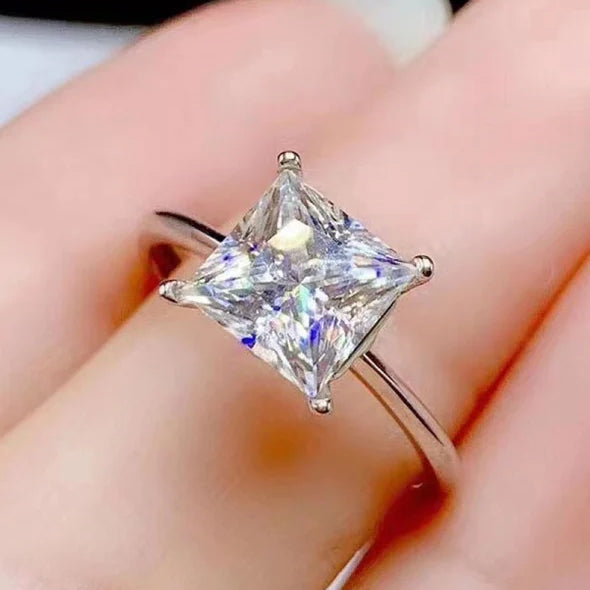
Complete Engagement Rings
Choose a ring with a diamond hand selected by a trained jeweler.


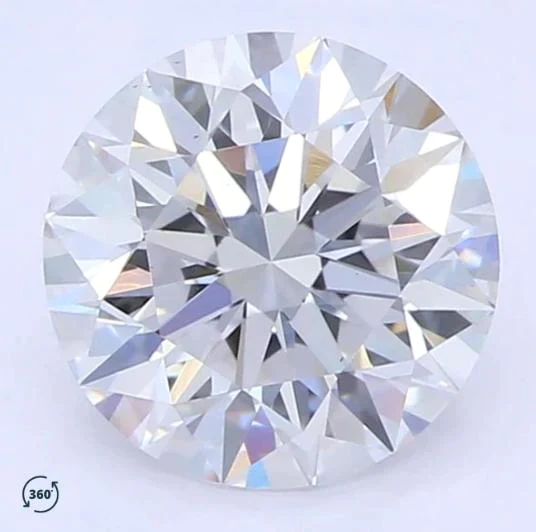
Loose Diamonds
Shop a huge selection of certified natural or lab-grown diamonds. On Sale Now!

Fashion Jewelry
Fashion rings, necklaces, bracelets & earrings. Take your style to a new level.


Comments