
What Is a Marquise Diamond? Pros, Cons & Buying Guide


A marquise diamond is an elongated, football-shaped stone with pointed ends that maximizes visual size per carat. It's bold, elegant, and uniquely flattering on the hand. Learn why it's trending again, what to watch for (like the bowtie effect), and how to choose the best one for your ring.
If you’re considering a marquise diamond for your engagement ring, here’s what you need to know upfront.
Quick Facts for Fast Decisions:
- A marquise diamond is an elongated shape with pointed tips, known for making your finger look longer and the diamond look bigger.
- It dates back to French royalty and stands out for its vintage-meets-modern versatility.
- Ideal length-to-width ratio: 1.75–2.00 (our clients often prefer 1.7–1.85 for a fuller look).
- The bowtie effect (a shadow in the center) is real, but manageable with expert selection.
- It’s one of the best values for carat-to-finger coverage.
- Prong protection is a must, those tips can chip if not properly set.
- Often more affordable than rounds or ovals, and it’s finally getting the attention it deserves.
At Mikado Diamonds, we design marquise engagement rings with lab-grown diamonds, giving you more diamond for your budget without the pressure. From east-west settings to hidden halos and matching bands, we help you create rings that feel intentional and one of a kind.
If you’re just browsing, that’s okay. But if you want to know why the marquise diamond is quietly becoming one of the boldest, most romantic choices out there, keep reading.
What Is a Marquise Diamond?

The marquise diamond is an elongated shape with pointed ends, sometimes called “navette” or boat-shaped. It dates back to 18th-century France when King Louis XV commissioned a cut to mimic the lips of his mistress, the Marquise de Pompadour. That backstory alone gives it a romantic edge no round diamond can match.
Technically, a marquise has 58 facets, just like a round brilliant, but the spread is different. The length helps it appear much larger than its carat weight. So if you're after size without going up a budget tier, this cut makes a lot of sense.
Why People Choose Marquise Diamonds
In our experience, most people don’t start their search thinking marquise. But once they see how it looks on the hand, they’re hooked.
- Visual Impact: It covers more surface area than any other shape at the same carat.
- Finger-Flattering Shape: The elongation creates a slimming, elegant effect.
- Not Cookie-Cutter: If you're someone who doesn’t want the same ring as everyone else, this is your shape.
- Looks Great in Yellow or Rose Gold: Warmer tones bring out the softness in the diamond, especially helpful for hiding faint color at the tips.
We've had countless clients tell us they were surprised how bold even a 1.5ct marquise looked once they saw it on their hand. It’s the definition of visual leverage.
Are Marquise Diamonds Dated?
We hear this often: “Aren’t marquise diamonds a little... 1980s?”
Honestly, that stigma’s outdated. We’ve seen a huge resurgence in interest, especially with modern settings like east-west orientation or hidden halos. Celebrities have worn them. Designers are reintroducing them. And when paired with a clean band or pavé detail, the style reads more runway than retro.
In fact, many of our younger clients choose marquise precisely because it’s not round, princess, or oval. It’s bold. It’s elegant. It’s personal.
What’s the Ideal Ratio (and Why It Matters)

When people ask, “What’s the ideal shape for a marquise?”, what they’re really asking is about the length-to-width ratio. This determines whether the stone looks narrow and elongated or fuller and softer.
- Industry sweet spot: 1.85–2.00.
- Mikado client preference: 1.7–1.85.
Why the difference? A slightly wider marquise (closer to 1.7) tends to feel more balanced on the hand. It fills the setting more gracefully and doesn’t feel too narrow or exaggerated. Of course, some clients want that high-drama elongation, and that’s where a 2.0+ ratio shines.
In either case, it’s not about right or wrong. It’s about what looks best on your hand.
What About Clarity and Color?
Marquise diamonds tend to show more body color at the tips. That means color grades like G–J can appear slightly warmer, especially in whiter metals like platinum or white gold. If you’re setting in yellow or rose gold, that warmth blends in, and can even enhance the look.
We often recommend:
- G–H for white gold or platinum.
- I–J for yellow or rose gold.
As for clarity, marquise cuts do a great job of hiding inclusions. You don’t need VVS to get a stunning look. Most of our clients choose SI1 clarity, eye-clean and budget-friendly. That way, you can put more into the carat or setting where it really shows.
The Bowtie Effect: What You Need to Know
This is one of the top worries we hear, and for good reason.
The bowtie is a dark shadow that runs across the center of a marquise diamond. It's caused by the way light reflects (or doesn't) through the stone. And yes, every marquise has some level of bowtie, but not all are distracting.
Does It Sparkle Like Other Cuts?
Short answer: Yes, if it’s cut right.
Marquise diamonds are part of the brilliant cut family, so they’re capable of serious sparkle. But because of their unique shape, the light performance is different than a round or oval. You’ll hear a lot about something called the bowtie effect, a shadow that appears across the center of the diamond when it’s not reflecting light properly.
Here’s the deal: every marquise has some level of bowtie. The difference is whether it’s distracting or not. This is why we never recommend buying a marquise (or any fancy shape, really) based on lab reports alone.
Protecting Those Pointy Ends
Those iconic pointed tips? They’re stunning, but they’re also vulnerable. A marquise cut is more prone to chipping if it’s not properly set.
That’s why prong protection is non-negotiable. We typically use:
- V-shaped prongs that wrap the tips securely.
- Bezel-style ends for added coverage in active lifestyles.
- Hidden halos to add sparkle and structural support.
Protecting the diamond is about more than durability, it’s about keeping your ring beautiful for decades to come.
Are Marquise Diamonds Really Cheaper?
Compared to round diamonds, yes. And it’s not because they’re lower quality, it’s because they’re less in demand. That creates an opportunity.
A well-cut marquise gives you:
- More finger coverage per carat.
- A distinctive silhouette.
- A lower price-per-carat than most brilliant shapes.
We’ve helped clients get stunning 2.5ct marquise lab-grown diamonds for what a 1.5ct round would cost, without sacrificing brilliance or style. That’s part of why we’ve seen so many wedding ring upgrades move toward this shape. The visual return on investment is massive.

One of the best things about this shape is how versatile it is. Whether you want minimalist or ornate, marquise adapts beautifully.
We also design custom wedding bands that contour around the marquise for a perfect fit, especially popular with east-west and halo styles.
Lab-Grown Marquise: More Choice, Better Value

Here’s the truth: most jewelers understock fancy shapes in lab-grown diamonds, especially marquise. You’ll find dozens of rounds or ovals before you see a single marquise.
We’ve flipped that. At Mikado, we’ve curated an entire section of high-quality lab-grown marquise diamonds, including rare shapes in:
- Pink.
- Yellow.
- Over 3 carats.
Why? Because that’s what our clients are asking for. And we believe marquise diamonds deserve more shelf space, especially when they offer such incredible visual value.
Are East-West Settings Better?
They’re not better, they’re just different. And right now, they’re one of our most popular requests.
Turning the marquise sideways creates a ring that feels more modern, even edgy. It lays flatter on the hand, which some people prefer. And it gives off a subtle “I thought this through” vibe without being flashy.
We’ve built custom east-west designs with hidden halos, pavé bands, contoured guards, and even matching wedding bands. If you’re looking for something unique but timeless, this is an easy win.
What Makes Our Process Different
We get that shopping for a marquise diamond, especially online, can feel overwhelming. You’re trying to compare sparkle, symmetry, setting options, and cut quality… with nothing but a grading report and a stock photo.
That’s not how we do things.
When you book a consultation with us, we show you actual diamonds on video, not generic samples. We walk through ratio, bowtie, clarity, and what matters for your style. You’ll never get a surprise in the mail, because nothing moves forward without your full sign-off.
Is a Marquise Right for You?
We’ve worked with clients who came in skeptical, and walked out obsessed. Marquise isn’t for everyone, and that’s exactly why it works.
You might love this cut if:
- You want your ring to stand out (but not scream).
- You like vintage flair with modern twists.
- You care about finger-flattering shapes.
- You want max visual size without jumping price tiers.
You might skip it if you’re drawn to perfectly symmetrical sparkle (that’s round territory) or if you’re nervous about tip durability and not open to prongs.
When in doubt, we’ll show you side-by-side options to help you decide. There’s no pressure. Just real diamonds, real answers, and support that makes the decision feel easy, not stressful.
If you're curious about how a marquise might look on your hand, or just want help comparing stones without pressure, book a free consult with us.
Because your ring should feel like you, not like a compromise.
Mikado Collection
Hand Crafted Engagement Rings, Loose Natural and Lab-Grown Diamonds and a Fashion Jewelry Collection of Rings, Necklaces, Bracelets, and Earrings.

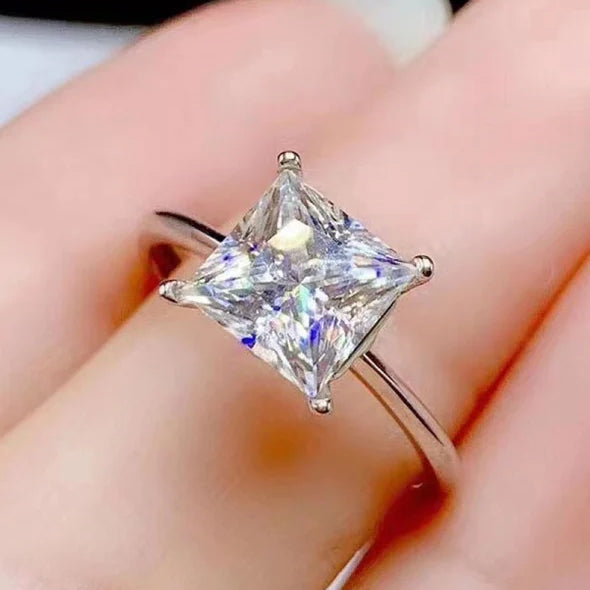
Complete Engagement Rings
Choose a ring with a diamond hand selected by a trained jeweler.


Loose Diamonds
Shop a huge selection of certified natural or lab-grown diamonds. On Sale Now!

Fashion Jewelry
Fashion rings, necklaces, bracelets & earrings. Take your style to a new level.


Comments