
What Is a Radiant Cut Diamond? Pros, Ratios, Clarity Tips


A radiant cut diamond is a square or rectangular diamond with trimmed corners and brilliant-style facets, combining the shape of an emerald cut with the sparkle of a round. It's known for intense brilliance, versatility in settings, and the ability to hide inclusions better than most cuts.
Let’s break this down just like I would for a client sitting across the table, asking what makes a radiant cut diamond different, and why they should consider one.
Why Radiant Cut Diamonds Are Worth a Closer Look:
- Radiant cuts combine the shape of an emerald with the sparkle of a round, best of both worlds.
- Square or rectangular shape with cropped corners for better durability.
- Up to 70 facets means serious fire and brilliance.
- Often 10–30% less expensive per carat than round diamonds.
- Perfect for halos, hidden halos, and solitaires, especially in yellow gold.
- Great at hiding inclusions; less pressure to overpay for clarity.
- Most radiant cuts aren't graded for cut, so expert guidance matters more than ever.
At Mikado Diamonds, we select lab grown radiant cut diamonds, often over 3 carats, based on actual brilliance, not just specs on a lab report. We show you real videos, flag hidden flaws, and help you build something truly unique.
If you're the kind of person who wants a stunning ring but doesn't want to get burned by confusing jargon or online guesswork, we should talk.
What Is a Radiant Cut Diamond?

Radiant cut diamonds are hybrids, by design. They blend the clean lines of an emerald cut with the brilliant sparkle of a round. Created in 1977 by Henry Grossbard, the goal was simple: combine elegance with fire.
What sets the radiant apart is its versatility. It can be square or rectangular, typically with a 1.00 to 1.30 length-to-width ratio. That means you get to choose how bold or soft it looks on the hand.
And then there’s the sparkle. Radiants have between 58 and 70 facets, more than a round brilliant. That gives them an edge in light performance and fire, especially when well cut.
Unlike some shapes that prioritize symmetry or minimalism, the radiant cut is all about vibrancy. If you want a diamond that catches light from every angle without losing structure or sophistication, this shape checks every box.
Why So Many People Are Choosing Radiant Over Round
Let’s be honest, round brilliants get all the glory. But they’re also the most expensive per carat. What most people don’t realize is that a radiant cut can look just as sparkly, often larger, and cost 10–30% less for the same carat weight.
We see a lot of clients who come in thinking they want a round, then fall for a radiant once they compare side by side. The elongated shape makes fingers look longer. The large table gives it a strong face-up presence. And the cropped corners? That makes them less prone to chipping than princess cuts or pears.
For lab-grown diamonds, radiants are becoming a go-to shape. At Mikado, our best-selling radiant diamonds are over 3 carats, and they look massive without blowing up your budget.
Why Radiant Cuts Work So Well with Lab-Grown Diamonds

Radiant cuts and lab-grown diamonds are an ideal pairing. Many of our clients who choose a radiant cut also go with a lab-grown stone, and it’s easy to see why.
Lab-grown diamonds offer more size and better quality for the price. That means you can go for a 3 or 4 carat radiant and still stay within budget. Since radiant cuts already appear larger than rounds due to their broad table and elongated shape, combining the two gives you maximum visual impact for your money.
Here’s what else makes this combo work:
- Cut quality is key. Radiant cuts aren’t graded for cut by most labs, so you need more than a report. We hand-pick lab-grown options based on how they actually perform in real light, not just how they look on paper.
- Color needs a close look. Some lab-grown radiant cuts, especially in lower color grades, can show more warmth. We help you review side-by-side comparisons and real videos so you can see the differences clearly before you choose.
- Clarity is more forgiving. The brilliant faceting of radiant cuts helps mask inclusions. This allows you to opt for a slightly lower clarity grade in a lab-grown diamond and still end up with a stone that looks clean to the eye.
Lab-grown diamonds bring out the best in radiant cuts. You get bold sparkle, generous size, and more freedom to focus on what really matters, how the ring looks and feels when it's yours.
Radiant vs. Cushion, Emerald, and Princess
- Cushion vs. Radiant: Both are square-ish and full of sparkle. But cushion cuts have a pillowy softness, where radiants offer crisper lines and more structured brilliance. If you want definition and drama, radiant wins.
- Emerald vs. Radiant: Emerald cuts are about clarity and subtlety. Radiants bring fire and flair. We often see clients drawn to emeralds initially, then switch to radiant for more visual impact and forgiveness of flaws.
- Princess vs. Radiant: Princess cuts have sharp corners, great for boldness, not so much for durability. Radiants give you a similar modern shape with more sparkle and corner protection.
That said, don’t just compare them on paper. Some radiant cuts have sparkle that beats a technically “better” cushion or princess. Especially in lab-grown stones, it’s not just about specs, it’s about how it actually looks.
What Makes a Radiant Sparkle, and What Can Go Wrong
Radiant diamonds get their fire from those 70 tiny, precise facets. But it’s a double-edged sword. Cut too deep and the stone hides its weight in the belly, looking small for its carat. Cut too shallow and you lose depth and fire.
And then there’s the bowtie. Some radiants show a dark shadow across the center, what’s called a bowtie effect. It's not always a dealbreaker, but we steer clients away from stones where it’s too obvious.
Here’s the other tricky part: GIA and most labs don’t grade radiant cuts for cut quality. That means you can’t rely on a report to tell you if the stone will sparkle, it won’t. You need video. You need a jeweler who can tell the difference between fire and fluff.
At Mikado, we’ve passed on hundreds of radiant diamonds that looked good on paper but just didn’t light up in person. If a diamond doesn’t pass the eye test, we won’t recommend it. It’s that simple.
How Color and Clarity Work Differently in Radiant Cuts

Radiants trap light. That’s part of what makes them beautiful, but it also means they can trap color.
If you're looking for icy white, we usually recommend sticking with D–F grades in radiant cuts. G–H can still look great, especially in white gold or platinum. But go lower, and you may start to see yellow or brown undertones, especially in lab-grown stones.
This is one of the biggest mistakes we see: choosing a diamond based only on the color grade. Not all Gs are created equal. Some have warmth, some have undertones that show up under daylight. You don’t know until you see the actual stone or a real video.
As for clarity, radiants are more forgiving. Because of their facet pattern, they hide inclusions well. We’ve helped clients find gorgeous SI1 or SI2 stones that look flawless once mounted. That’s budget you can reallocate to a bigger carat or better setting.
How to Choose the Right Radiant Cut Diamond
Radiant cuts are stunning, but only when you know what to look for. Because they aren't graded for cut, this decision leans more on the eye than the lab report.
Here’s what we walk clients through every day:
- Length-to-width ratio: 1.00–1.05 gives you a square shape; 1.20–1.30 feels more rectangular and elongating. Choose based on what looks best on your hand.
- Depth and table: Avoid overly deep stones, they’ll carry weight in the belly and look smaller than they should. A well-proportioned radiant maximizes sparkle without hiding size.
- Symmetry and polish: Even though they’re not cut-graded, symmetry still matters. Misaligned facets or uneven corners throw off the sparkle.
- 360° video review: Always ask to see the diamond in motion. If the seller can’t provide a video of that exact stone, move on.
At Mikado, we personally review every radiant before we recommend it. We look for fire, proportion, and how the diamond behaves in real light.
The Hidden Power of Settings with Radiants
Settings can make or break a radiant cut.
- Hidden halo: This is one of our most requested pairings. It adds sparkle from the side view without overwhelming the center stone.
- Four or six-prong settings: These protect the cropped corners and help maintain structure without distracting from the shape.
- Solitaire or pavé: A radiant diamond has enough fire to carry a minimalist solitaire, but it also pairs beautifully with pavé bands for a full sparkle effect.
- Yellow gold: This metal softens lower color grades and adds warmth. Radiant cuts look incredible against the richness of yellow gold.
We help clients customize every detail, band thickness, prong style, setting height, so the diamond sits just right. Even a simple tweak in the band can dramatically shift the look and feel.
We Built Mikado Diamonds to Make the Process Better

Buying a radiant cut diamond online shouldn’t feel like guesswork. You shouldn’t have to gamble on a grainy photo, trust a generic grading report, or wonder if that bowtie shadow is normal.
Every radiant we recommend has been seen, reviewed, and vetted by us, not just uploaded by a vendor. We’ll walk you through carat, color, sparkle, and setting, not to upsell you, but to get it right.
Because when the ring reflects the story, the sparkle feels different.
Book Your Free Consultation and explore Radiant-Cut Engagement Rings!
Mikado Collection
Hand Crafted Engagement Rings, Loose Natural and Lab-Grown Diamonds and a Fashion Jewelry Collection of Rings, Necklaces, Bracelets, and Earrings.

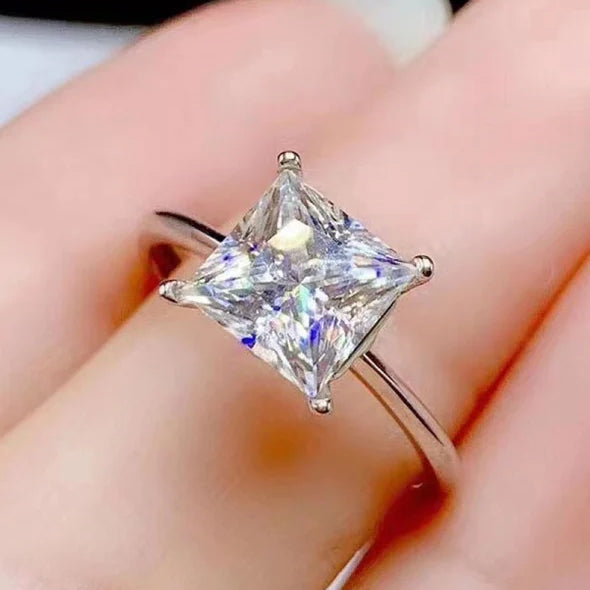
Complete Engagement Rings
Choose a ring with a diamond hand selected by a trained jeweler.

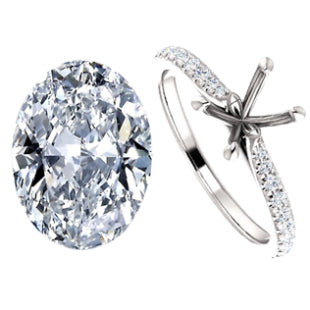

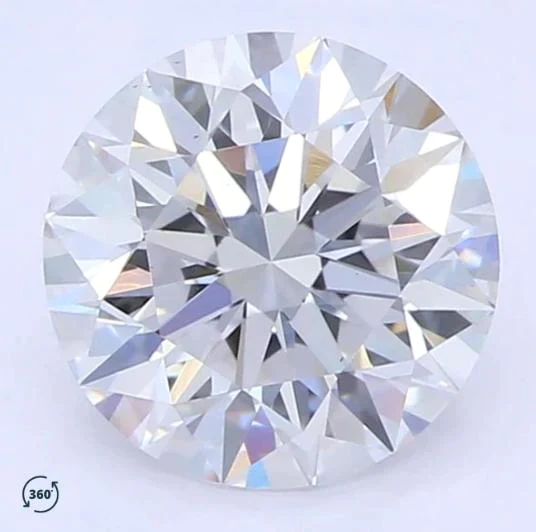
Loose Diamonds
Shop a huge selection of certified natural or lab-grown diamonds. On Sale Now!

Fashion Jewelry
Fashion rings, necklaces, bracelets & earrings. Take your style to a new level.


Comments