
What Is a Lab Grown Diamond? Science, Savings, Sparkle


A lab grown diamond is a real diamond created in a laboratory using advanced technology that replicates natural diamond formation. These diamonds have identical chemical composition, physical properties, and brilliance to mined diamonds.
Understanding these key points helps you make informed decisions:
- Lab grown diamonds are chemically identical to natural diamonds (pure carbon crystal structure)
- HPHT and CVD methods recreate natural formation processes in controlled environments
- GIA and IGI certify lab grown diamonds using the same grading standards
- They offer up to 80% cost savings while maintaining identical durability and beauty
Mikado Diamonds specializes in custom engagement rings featuring certified lab grown diamonds with IGI and GIA documentation.
Their expert-guided process includes diamond selection first, followed by custom design with detailed renderings, transparent pricing, and personalized consultation to create rings reflecting your unique love story.
The diamond industry has changed dramatically with lab grown technology. Keep reading to discover how these diamonds compare and why certification matters for your investment.
The Scientific Definition of Lab Grown Diamonds

Lab grown diamonds are chemically identical to natural diamonds, consisting of pure carbon atoms arranged in the same crystal lattice structure. This means they share the exact same molecular composition as diamonds formed deep within the Earth over billions of years.
The physical properties are indistinguishable between lab grown and natural diamonds:
- Hardness: Both measure 10 on the Mohs scale, making them the hardest natural substance
- Brilliance: Identical light refraction creates the same sparkle and fire
- Durability: Equal resistance to scratching, chipping, and everyday wear
- Thermal conductivity: Both conduct heat at the same rate
How Laboratory Technology Creates Real Diamonds
Lab grown diamonds form in controlled laboratory environments using two primary methods that replicate natural diamond formation. High Pressure High Temperature (HPHT) recreates the intense conditions found 100+ miles beneath Earth's surface, while Chemical Vapor Deposition (CVD) uses carbon-rich gases to grow diamonds layer by layer.
These advanced technologies produce diamonds that are scientifically indistinguishable from mined diamonds. Professional gemologists require specialized equipment to detect the subtle differences in trace elements that indicate laboratory origin.
Why the Scientific Identical Nature Matters
The identical chemical and physical properties mean lab grown diamonds offer the same beauty, durability, and symbolism as natural diamonds.
They can be cut into any shape, from classic rounds to rare forms like kite or hexagonal cuts, and are available in the full spectrum of colors including pink, blue, yellow, and green.
At Mikado Diamonds, we work with certified lab grown diamonds that meet the same grading standards as natural stones. This scientific equivalence allows couples to choose larger, higher-quality diamonds for their custom engagement rings while maintaining the same lasting beauty and meaning.
The laboratory origin doesn't diminish the diamond's authenticity.
It simply represents a more controlled, predictable method of creating the same carbon crystal structure that nature produces randomly over geological time.
How Lab Grown Diamonds Are Created

Lab grown diamonds are created using two primary methods that replicate the extreme conditions found deep within the Earth. Both processes start with a tiny diamond seed and use advanced technology to grow full-sized diamonds in controlled laboratory environments.
HPHT (High Pressure High Temperature) Method
The HPHT method mimics natural diamond formation by recreating the intense pressure and heat found 100 miles beneath Earth's surface. Here's how it works:
- A small diamond seed is placed in a chamber with carbon material
- Temperatures reach 2,700°F (1,500°C)
- Pressure increases to 1.5 million pounds per square inch
- Carbon atoms attach to the seed crystal, growing layer by layer
- The process takes 2-4 weeks to create a rough diamond
HPHT typically produces diamonds with slight metallic inclusions, making it ideal for creating colored diamonds like yellow and blue varieties.
CVD (Chemical Vapor Deposition) Process
CVD uses a different approach, growing diamonds from carbon-rich gas:
- A diamond seed is placed in a sealed chamber
- The chamber fills with carbon-rich gases (typically methane)
- Microwaves heat the gas to 1,800°F (980°C)
- Carbon atoms separate and deposit onto the seed
- Diamonds grow vertically, layer by layer
CVD diamonds often have fewer metallic inclusions and can produce exceptional clarity grades. This method works particularly well for creating larger stones and unique shapes like hexagonal or kite-cut diamonds.
Timeline: Weeks vs Millions of Years
While natural diamonds take 1-3 billion years to form, lab grown diamonds reach full size in just 2-6 weeks. This dramatic difference in timeline doesn't affect quality. Both methods produce diamonds with identical chemical composition (pure carbon in a crystal lattice structure) and physical properties to mined diamonds.
At Mikado Diamonds, we work with both HPHT and CVD diamonds, selecting the best method based on the specific size, shape, and characteristics you want for your custom engagement ring.
Our lab grown diamonds receive the same IGI and GIA certifications as natural diamonds,
ensuring you get verified quality and value.
Are Lab Grown Diamonds Real Diamonds?

Yes, lab grown diamonds are absolutely real diamonds. This is one of the biggest misconceptions in the diamond industry, and it's important to clear this up right away.
The confusion often comes from the word "lab grown" making people think these are synthetic imitations or diamond simulants like cubic zirconia. That's completely wrong.
What Makes Lab Grown Diamonds Scientifically Real
Lab grown diamonds are identical to natural diamonds in every measurable way:
- Same chemical composition: Pure carbon arranged in a crystal lattice structure
- Same physical properties: Hardness rating of 10 on the Mohs scale
- Same optical properties: Identical brilliance, fire, and scintillation
- Same durability: Will last forever with proper care
The only difference between lab grown and natural diamonds is their origin story. One formed in the earth over billions of years, the other was created in a laboratory in weeks using advanced technology that replicates natural diamond formation.
Professional Certification Confirms They're Real
Both the Gemological Institute of America (GIA) and International Gemological Institute (IGI) certify lab grown diamonds using the same rigorous standards as natural diamonds. These certifications evaluate the exact same characteristics: cut, color, clarity, and carat weight.
At Mikado Diamonds, we work exclusively with IGI and GIA certified lab grown diamonds because these certifications provide the quality assurance our clients deserve. When you receive your certification, it clearly states "laboratory grown" to distinguish origin, but confirms these are genuine diamonds in every other respect.
Diamond Quality Matters More Than Origin
In my 15+ years of diamond expertise, I've seen countless clients amazed when they compare lab grown and natural diamonds side by side. Even trained gemologists cannot tell the difference without specialized equipment.
This means you can focus on what really matters: getting the best cut, color, and clarity for your budget. With lab grown diamonds, that budget often goes much further, allowing for larger stones or higher grades in our custom engagement ring designs.
Lab Grown vs Natural Diamonds: Key Differences

While lab grown and natural diamonds are chemically identical, there are three major differences that matter when you're shopping for an engagement ring.
Price: Lab Grown Diamonds Cost Up To 80% Less
The most significant difference is price. Lab grown diamonds typically cost up to 80% less than natural diamonds of comparable quality. This means you can get a stunning 2-carat lab grown diamond for the same budget as a 0.5-carat natural diamond.
Here's what this price difference means for your engagement ring:
- Larger center stones: Many couples choose lab grown diamonds that are 1-2 carats larger than they could afford with natural stone
- Higher quality grades: You can afford better color and clarity grades within the same budget
- More customization budget: The savings allow for more elaborate custom settings and design details
At Mikado Diamonds, we've seen couples use their lab grown diamond savings to create truly unique custom engagement rings that would have been impossible with natural diamond pricing.
Environmental Impact: Lab Grown Diamonds Are More Sustainable
Lab grown diamonds require significantly less environmental disruption than mining. They're created in controlled laboratory environments without the need for large-scale earth excavation, habitat disruption, or the massive water usage associated with diamond mining operations.
For environmentally conscious couples, this difference often becomes a deciding factor in their diamond selection.
Availability: Better Access to Large Sizes and Rare Colors
Lab grown diamonds offer superior availability in two key areas:
- Larger sizes: Finding natural diamonds over 3 carats becomes exponentially more expensive and rare. Lab grown diamonds can be created in larger sizes more consistently, making statement engagement rings more accessible.
- Rare colors: Natural colored diamonds like pink, blue, or green are extremely rare and expensive. Lab grown colored diamonds offer the same stunning beauty at a fraction of the cost, opening up creative possibilities for truly unique engagement rings.
We regularly work with clients who choose lab grown colored diamonds for custom rings that would cost tens of thousands more with natural stones.

Common Myths About Lab Grown Diamonds Debunked
Despite growing acceptance, several persistent myths continue to confuse shoppers considering lab grown diamonds. Let's address the most common misconceptions with facts.
Myth: Lab Grown Diamonds Aren't as Durable
Truth: Lab grown diamonds have identical hardness to natural diamonds.
Both lab grown and natural diamonds score 10 on the Mohs hardness scale. They share the exact same crystal structure and physical properties, making them equally resistant to scratching and chipping.
This means your lab grown diamond engagement ring will maintain its brilliance and withstand daily wear just like any natural diamond. The durability concerns stem from confusion with diamond simulants like cubic zirconia, which are completely different materials.
Myth: Lab Grown Diamonds Don't Hold Value
Truth: They offer a better value proposition for consumers.
While lab grown diamonds don't retain resale value like natural diamonds, this creates significant advantages for buyers:
- Larger stones for your budget - Get 2-3 times the carat weight
- Higher quality grades - Afford better color and clarity
- More customization options - Invest savings into unique ring designs
At Mikado Diamonds, we see customers choosing stunning 3+ carat lab grown diamonds that would cost $50,000+ in natural stones. The "value" lies in getting your dream ring now, not treating it as an investment.
Myth: You Can Tell the Difference Visually
Truth: It's impossible to distinguish them without specialized equipment.
Even experienced jewelers cannot identify lab grown diamonds by sight alone. Both types require identical certification processes from GIA or IGI, and both exhibit the same optical properties:
- Same refractive index and brilliance
- Identical fire and scintillation patterns
- Same color grading standards
The only way to identify origin is through advanced spectroscopy equipment that detects microscopic growth patterns. When properly certified, lab grown diamonds are indistinguishable in every aspect that matters for beauty and performance.
Lab Grown Diamond Certification and Quality Standards

Just like natural diamonds, lab grown diamonds receive professional grading and certification from the same respected gemological institutes.
The two most trusted names in diamond certification are the Gemological Institute of America (GIA) and the International Gemological Institute (IGI), both of which grade lab grown diamonds using identical standards to natural stones.
Do Lab Grown Diamonds Use the Same Grading System?
Yes, lab grown diamonds are evaluated using the exact same 4Cs system: Cut, Color, Clarity, and Carat weight. A certified lab grown diamond receives the same detailed analysis as a natural diamond, with one key difference on the certificate.
The grading report clearly identifies the stone as "laboratory grown" to distinguish it from natural diamonds.
IGI has become particularly prominent in lab grown diamond certification, often providing more detailed reports for these stones. GIA also certifies lab grown diamonds but with slightly different report formatting. Both certifications carry the same weight and credibility in the industry.
Why Certification Matters for Your Investment
Proper certification protects your investment in several critical ways:
- Insurance coverage: Insurance companies require certified appraisals, and certified diamonds are easier to value accurately
- Resale confidence: Buyers trust certified stones, making future resale more straightforward
- Quality assurance: Certification confirms you're getting exactly what you paid for
- Fraud protection: Certificates prevent misrepresentation of diamond quality or origin
At Mikado Diamonds, we provide IGI or GIA certification for all our lab grown diamonds, ensuring you receive proper documentation for insurance and peace of mind.
This certification becomes especially important when designing custom engagement rings, as it guarantees the center stone meets the exact specifications we discuss during your design process.
The certification also matters when upgrading wedding rings later. Many couples now upgrade to larger lab grown diamonds because of their affordability, and having proper certification makes the trade-in process transparent and fair.
Finding Your Perfect Lab Grown Diamond

Understanding what lab grown diamonds truly are is the first step toward making a confident purchase decision. Many couples still worry about legitimacy, quality, and value when considering lab grown options for their engagement ring.
Without proper knowledge, you might miss out on identical diamond quality at significantly lower prices.
That's why Mikado Diamonds specializes in certified lab grown diamonds, offering IGI and GIA certified stones in traditional shapes like oval, radiant, and emerald, plus rare cuts like kite and hexagonal.
With so many of our engagement rings customized to each couple's vision, we provide expert guidance to help you create something truly unique while maximizing your budget.
Mikado Collection
Hand Crafted Engagement Rings, Loose Natural and Lab-Grown Diamonds and a Fashion Jewelry Collection of Rings, Necklaces, Bracelets, and Earrings.

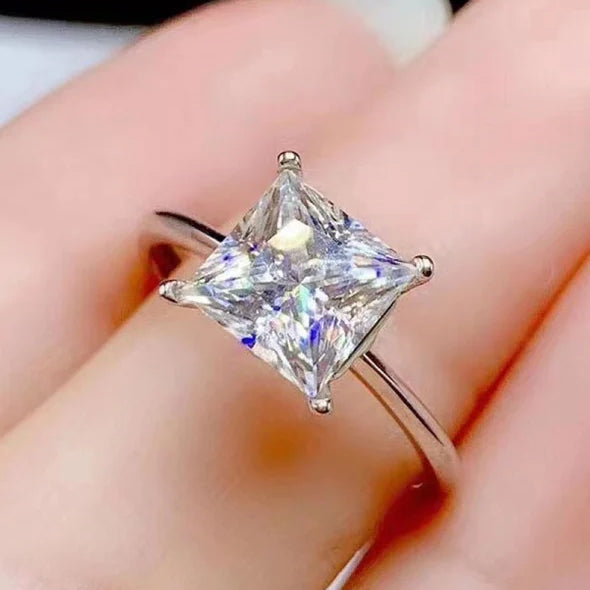
Complete Engagement Rings
Choose a ring with a diamond hand selected by a trained jeweler.

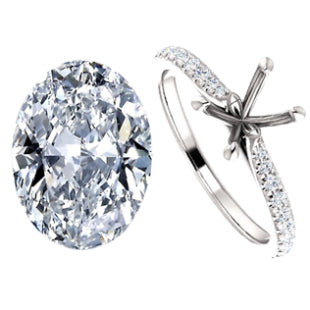

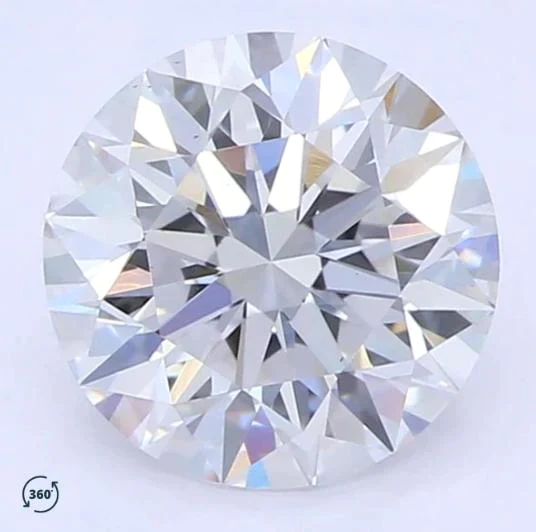
Loose Diamonds
Shop a huge selection of certified natural or lab-grown diamonds. On Sale Now!

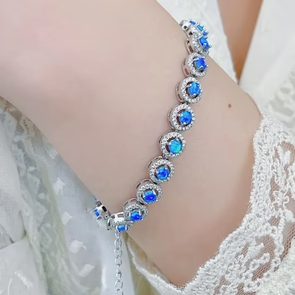
Fashion Jewelry
Fashion rings, necklaces, bracelets & earrings. Take your style to a new level.


Comments