
How Big Can a Lab Grown Diamond Be?


Lab-grown diamonds can exceed 60 carats with current CVD tech. We offer stones up to 60 carats, including rare pink diamonds over 25 carats. Large lab diamonds are possible, but cost, quality, and growth time scale quickly. Here's what you need to know before going big.
Let’s talk size. We get this question a lot, especially from clients looking for something bold, unforgettable, and different from the typical 1.5-carat solitaire.
How Big Can a Lab-Grown Diamond Really Be? Here’s the quick version:
- Lab diamonds can exceed 60 carats with advanced CVD technology.
- We offer colorless and fancy-colored lab diamonds up to 60 carats.
- Pink diamonds are the most common option over 25 carats.
- Growth method, time, and clarity directly impact size and availability.
- Bigger isn’t always better, visual size doesn’t scale like carat weight.
At Mikado Diamonds, we work directly with growers and cutters to source large-format lab diamonds, especially rare, fancy-colored options.
Whether you're looking for a 4-carat showstopper or a custom 30-carat pink centerpiece, we guide you through the process with clear pricing, real video, and expert consultation. No pressure. No fluff.
Curious how lab-grown diamonds reach these massive sizes, or what it takes to actually wear one? Keep reading. We’ll break it all down for you: the science, the tradeoffs, and what “big” really looks like on the hand.
What’s the Largest Lab-Grown Diamond Ever Made?

Let’s set the record straight. The largest lab-grown diamond ever created (as of now) clocked in at an astonishing 155 carats, grown using CVD (chemical vapor deposition) methods.
While this was largely a technology flex, not something anyone’s putting in a ring, it shows how far lab-grown technology has come.
Most production-level large stones cap around 25–35 carats for HPHT methods and 40–60+ carats for CVD. But just because you can grow a 60-carat diamond doesn’t mean it will meet gem-grade standards.
The larger the stone, the more difficult it becomes to grow without structural defects, strain lines, or visible inclusions.
What Affects the Size of a Lab-Grown Diamond?
Size isn't just about ambition, it’s about science, stability, and time.
Seed Size
Every diamond starts with a seed. Bigger seeds mean more room for the crystal to grow outward and upward. For large, clear lab diamonds, especially those over 10 carats, the seed has to be incredibly pure, usually Type IIA, and cut to withstand long growth periods without fracturing.
Growth Time & Conditions
Here’s the reality: you can grow a 1.5-carat lab diamond in a couple of weeks. But for a 10-carat stone, you’re looking at 3–4 months of precise, stable growth. For 30 carats or more, it can take over half a year. The longer a diamond is grown, the more likely it is to develop inconsistencies, internal strain, or color zoning.
Plasma & Gas Ratios (CVD-Specific)
In CVD growth, controlling gas mix and plasma temperature is everything. Any hiccup, too much methane, slight temperature shift, can introduce flaws that disqualify the diamond from gem use. That’s why massive, high-clarity lab diamonds are still rare.
How Big Can You Actually Buy? Here’s where science meets shopping.

We offer lab-grown diamonds up to 60 carats, including a growing selection of pink and fancy-colored stones. Most retailers won’t even show you options over 10 carats. Why? They either don’t have access, or the quality control is too inconsistent.
At Mikado, we’ve sourced and sold colorless diamonds over 15 carats, and pink lab-grown diamonds up to 30+ carats. Pink, in particular, is the most common color when you’re going really big. They’re vibrant, rare, and often come with cleaner growth results in the 25+ range.
That said, the most common sweet spot for our clients is 2–5 carats, big enough to turn heads, small enough to wear comfortably.
Why Bigger Isn’t Always Better
Let’s slow down and address the elephant in the room.
A 10-carat lab diamond might sound like the dream, but do you really want one?
- Weight doesn’t scale visually: A 4ct diamond isn’t twice the size of a 2ct. It’s bigger, yes, but not linearly.
- Settings must be custom-engineered: Bigger stones require thicker bands, sturdier prongs, and elevated mountings.
- Too much flash? Some clients worry that 8ct+ diamonds look “over the top” for everyday wear, and in some cases, they’re not wrong.
Our job isn’t to push you toward a giant rock. It’s to help you find the size that feels powerful and wearable, something you’ll love for decades, not just Instagram.
CVD vs. HPHT: Which Grows Bigger?
Not all lab diamonds grow the same way.
- CVD (Chemical Vapor Deposition) is ideal for growing large, high-clarity stones. It’s slower and more finicky, but it allows growth in wide, even layers. That’s how we get to 30, 40, even 60 carats.
- HPHT (High Pressure High Temperature) grows faster and often produces diamonds with fewer metallic inclusions, but it maxes out around 25–35 carats before pressure distortion and cracking occur.
At Mikado, we rely on CVD-grown diamonds for anything over 10 carats. They offer better control, cleaner clarity at scale, and fewer post-growth treatments.
What Large Lab-Grown Diamonds Really Cost
Once we get into the 5–20 carat range, the economics shift. Production time grows exponentially, and so does the risk of defects. That’s why the cost curve isn’t linear.
A few realities we walk clients through:
- Larger diamonds grow more slowly which ties up equipment for months.
- Past 5 carats, clarity becomes harder to maintain, increasing the failure rate.
- Type IIA seed crystals cost significantly more, but they’re required for clean, high-quality growth.
- Cutting risk increases dramatically. One mistake on a 20-carat rough diamond is a catastrophic loss.
Even so, lab-grown diamonds still offer unbeatable value compared to natural stones. We routinely save clients up to 80% versus the price of a similar natural diamond, even in high-carat configurations.
It’s why many Mikado clients go bigger than they originally planned, because they can finally afford the size they’ve always wanted, without the impossible price tags tied to mined diamonds.
Certification, Quality, and What Changes at Larger Sizes
Certification is standard with any diamond, but when you get into 5–50 carats, everything intensifies:
- GIA, IGI, and GCAL use specialized equipment to grade stones over 10 carats.
- Color consistency matters more, because variations that disappear in small stones become visible in large ones.
- Clarity requirements tighten , an SI1 in a 1ct stone may be perfectly eye-clean, but in a 10ct stone it may be obvious.
- Symmetry and polish flaws stand out more, since there’s simply more surface area.
At Mikado, we personally pre‑screen every large stone before it ever reaches the client. That means you never waste time on low-clarity options, clouded stones, or diamonds with structural issues that won’t stand up to long-term wear.
Our clients lean on us because the stakes get higher as the diamond gets bigger.
Design Considerations for 5–60 Carat Diamonds

A large stone can’t simply be “dropped into” a standard engagement ring setting. It doesn’t work like that.
We engineer settings differently for oversized diamonds:
- Thicker bands for support
- Reinforced prong structures
- Deeper baskets to accommodate stone depth
- Hidden halos that stabilize the stone without overwhelming it
- Height-balanced mountings so the diamond doesn’t sit flat against the hand
Wearability matters. A 10-carat stone needs to be comfortable, stable, and secure. We’ve built custom settings for stones across the full spectrum, from elegant 3-carat solitaires to dramatic 25-carat pink diamonds meant for special‑occasion wear.
Your diamond’s engineering matters as much as its appearance.
Is a Massive Lab-Grown Diamond Right for You?
Big isn’t just about size, it’s about presence, personality, and story. That’s something we understand deeply.
We started Mikado Diamonds to change the experience we once struggled through ourselves. Today, we help clients across the country choose diamonds with confidence, not pressure. Whether you’re exploring a 3-carat upgrade or imagining a 30-carat pink diamond centerpiece, we guide you with clarity, honesty, and real expertise.
If you’re dreaming bigger than the traditional jewelry store allows, you’re in the right place.
Ready to Explore Diamonds Up to 60 Carats?

If you want to see what’s possible, or if you simply want guidance from someone who’s spent years helping clients find the stone that feels right, we’re here.
No pressure. Just real advice.
Start with a consultation! We’ll show you real videos, real options, and transparent pricing.
Or explore our collection. See what’s available now in 3–60 carats, including rare fancy colors.
Your diamond should feel like it was made for you. Let’s find the one that tells your story.
FAQs
Can lab-grown diamonds really reach 30, 40, even 60 carats?
Yes. We offer lab-grown diamonds up to 60 carats, with pink being the most common color in the 25–60 carat range.
Are bigger lab diamonds harder to grow?
Extremely. Longer growth cycles mean more opportunities for defects, color banding, or internal strain.
Do big lab diamonds look different from small ones?
They can. Larger stones often show light differently, and imperfections become more visible.
Will a 10+ carat diamond be too flashy?
That depends on the wearer. We help clients visualize scale so they choose something that excites them without feeling overwhelming.
Do big lab diamonds hold value?
Resale markets for ultra-large stones are limited across the industry, natural or lab-grown. Most people choose large stones for personal enjoyment, not investment.
Mikado Collection
Hand Crafted Engagement Rings, Loose Natural and Lab-Grown Diamonds and a Fashion Jewelry Collection of Rings, Necklaces, Bracelets, and Earrings.

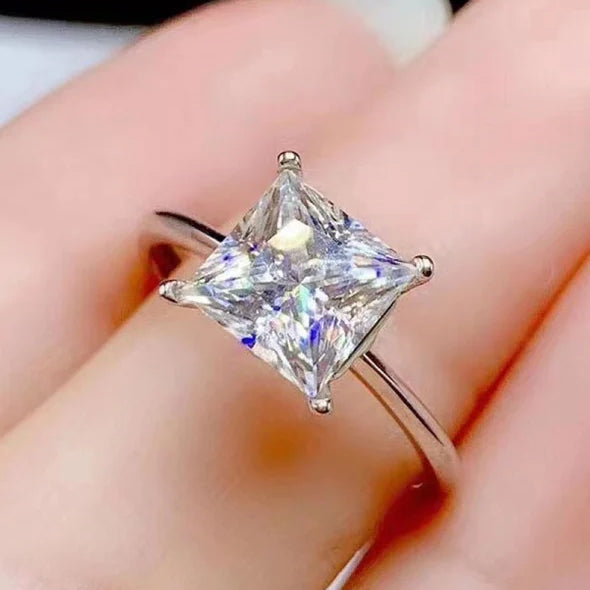
Complete Engagement Rings
Choose a ring with a diamond hand selected by a trained jeweler.


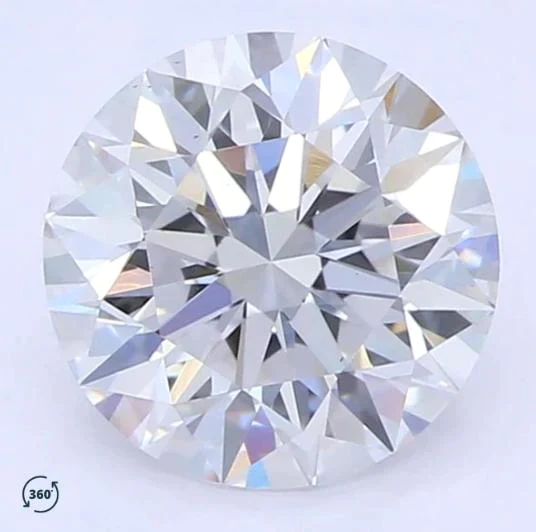
Loose Diamonds
Shop a huge selection of certified natural or lab-grown diamonds. On Sale Now!

Fashion Jewelry
Fashion rings, necklaces, bracelets & earrings. Take your style to a new level.


Comments