
What Is a Cathedral Ring Setting? Pros, Style, FAQs


A cathedral ring setting uses arches that rise from the band to hold the center stone, adding height, sparkle, and structure. It’s elegant, secure, and works with most diamond shapes. Perfect for those wanting a timeless, dramatic look, but know it may require special care and band pairing.
When someone first hears “cathedral setting,” they often picture something elaborate or overly formal. But what if I told you it’s one of the most powerful, practical ways to give your center diamond lift, light, and meaning, without overcomplicating the design?
This setting doesn’t just elevate the diamond. It elevates the entire experience.
Why Cathedral Rings Might Be for You:
- Arches rise from the band to support the diamond, adding height and structure.
- Adds visual size and sparkle to flatter shapes like emerald or oval.
- Ideal for clients who want elegance with symbolic weight, without going full halo.
- Customizable to reduce height or add hidden halo, filigree, or pavé.
- Not just for diamonds, works beautifully with lab-grown colored stones.
- Can require special care or a contour band depending on your lifestyle.
At Mikado Diamonds, we design every cathedral ring from scratch. We adjust the arch height, blend in hidden halos, or modify the under-gallery for a lower profile, all tailored to your diamond and how you wear it. No stock settings. No compromises.
If you just want a clear, honest explanation of what cathedral rings are and how they work, keep reading. But if you're curious about whether this setting is right for your diamond, your budget, and your style... I’ll walk you through it step by step.
What Is a Cathedral Ring Setting?

A cathedral ring setting uses arched metal shoulders that rise from the band and connect to the sides of the center stone. The design mimics the graceful, architectural curves of cathedral ceilings. Those arches don’t just look beautiful, they serve a purpose. They raise the diamond above the finger, allowing more light to pass through the stone, enhancing brilliance and creating a larger visual presence.
That elevation also carries emotional weight. At Mikado, many of our clients choose cathedral settings because they symbolize strength and support, two things every relationship needs. It’s not just structure. It's a story.
How a Cathedral Setting Compares to Other Styles
A lot of clients ask how cathedral settings stack up against more traditional or modern designs. Here’s how I explain it in consultations:
- Traditional solitaire: Usually lower in profile, with prongs that rise straight up from the band.
- Basket setting: Similar in elevation but relies on a metal basket under the stone, not arches.
- Cathedral setting: Arches extend from the shank, creating a more sculptural side profile and adding architectural flair.
If you love structure, silhouette, and drama, without overwhelming the stone, cathedral is the sweet spot. It pairs traditional craftsmanship with modern adaptability.
Is a Cathedral Setting Secure?
Short answer: yes, if it’s done right.
The arches don’t just lift the stone. They reinforce the prongs or bezel that hold it in place. In fact, cathedral settings can be more secure than some lower-profile alternatives, especially for larger diamonds. At Mikado, we often use cathedral settings to anchor 3–5 carat stones. Our CAD team can even tweak the prong style, arch depth, and tension to match your exact diamond’s proportions.
And if you're worried about the height making it fragile, don’t be. The extra metal can actually protect the diamond’s girdle in case of impact.
Can Cathedral Rings Catch on Clothing or Hair?

This is the #1 worry we hear, and it’s valid.
Cathedral rings sit higher on the finger, which means there’s more risk of snagging on sweaters, pockets, or gloves. But not all cathedral settings are created equal. At Mikado, we often customize the arch height and use softened prong tips to reduce catch points while preserving the look. Some clients also opt for a hybrid, where the cathedral arches are visible but the center stone sits a touch lower.
If you’re active or work with your hands, we’ll walk you through your options. Style shouldn’t come at the cost of daily wearability.
Will My Wedding Band Sit Flush?
Another smart question. Because cathedral settings elevate the center stone, they can leave a small gap between the engagement ring and a traditional flat wedding band.
That doesn’t mean they’re incompatible, but you may need a contoured or notched wedding band to get a seamless fit. The good news? We design both pieces together when you build with us. That way, you don’t end up surprised six months later when the wedding band doesn’t sit the way you hoped.
We’ve helped dozens of clients avoid this issue by planning ahead. It’s one of those small details that makes a big difference in the final stack.
Does It Look Bigger, or Smaller, on the Hand?
Visually, cathedral settings tend to make the diamond appear larger, especially when viewed from the side. That height creates presence, one reason why clients with flatter shapes like emerald or oval love the look.
But here’s something I often point out: from a straight top-down view, some people worry it makes the diamond look smaller because you see less of the surrounding setting. That’s not really a flaw, it’s a design choice. It focuses all the attention on the stone itself, framed by elegant negative space.
If you want maximum finger coverage from every angle, we can integrate a hidden halo or wrap the arches in pavé. That keeps the lift but adds width.
Can Cathedral Settings Be Customized?

Absolutely, and they should be. The most common mistake I see is people buying stock cathedral settings that aren’t built for their specific diamond size or shape. That’s when the proportions feel off or the ring looks bulky instead of refined.
At Mikado, we adjust everything:
- Arch height (more or less lift).
- Prong style (claw, double claw, rounded, etc.).
- Under-gallery shape (open, sculptural, or tension).
- Compatibility with halos, side stones, or colored gems.
- Choice of metal (yellow, rose, white gold, or platinum).
We’ve even done cathedral-style tension settings for clients who wanted the structural lines without a high profile. Your lifestyle and hand profile matter, and we build accordingly.
Are Cathedral Settings Modern or Vintage?
They’re both, and that’s what makes them so timeless.
Cathedral settings take their shape from Gothic architecture, which leans vintage and symbolic. But how you finish the ring determines the overall vibe. A clean solitaire with high arches in platinum? That’s modern minimalism. Add milgrain and filigree in yellow gold? Now you’re in vintage territory.
We’ve had clients inspired by antique French rings and others who wanted cathedral lines paired with razor-thin bands. It’s a flexible design language. Think of it as a foundation, not a constraint.
Are Cathedral Settings More Expensive?

Not necessarily. In fact, cathedral settings can be one of the most cost-effective ways to make a ring look bold and elevated, without paying for extra diamonds or accents.
Because the design itself adds drama and height, it lets the center stone carry the visual weight. That means you can skip side stones or halos and still have a standout ring. For many clients, that’s a smart way to balance budget and beauty.
Where you’ll see cost variation is in the metalwork. Intricate filigree, engraving, or custom under-gallery designs add labor. But a clean cathedral solitaire is often on par with standard prong settings.
Are They Good for Lab-Grown or Fancy Colored Diamonds?
They’re perfect for both. In fact, we use cathedral settings constantly for lab-grown diamonds over 3 carats, especially oval and radiant cuts. The extra metal helps support the stone without bulk, and the lift adds even more light return.
We also love pairing cathedral designs with yellow, pink, and blue lab-grown diamonds. The elevation gives these colored stones space to shine, almost like they’re on a pedestal.
Because we don’t push mass inventory, we can tailor the setting to fit any lab diamond’s dimensions or color vibe. It’s part of what makes the design feel intentional rather than cookie-cutter.
Can I Add a Hidden Halo to a Cathedral Setting?
Yes, and it’s one of our most requested combinations.
A hidden halo sits just below the center stone, often nestled between the cathedral arches. It adds surprise sparkle without taking over the look. From the top, all you see is the center stone. From the side, you get this glowing ring of diamonds floating just beneath it.
This hybrid design offers the best of both worlds: clean silhouette from above, architectural elegance from the side, and just enough shimmer to catch light with every movement.
We build many of our cathedral rings this way, especially when clients want something more subtle than a full halo but still want some extra wow.
What We Care About At Mikado Diamonds

At its core, a cathedral setting is more than a structure, it’s a story. It tells the world this diamond matters. That it’s held up, supported, honored.
Yes, there are things to think about. Height, flush fit, wearability. But when it’s built right, with your diamond, your hand, and your life in mind, a cathedral ring becomes something far more than just a setting. It becomes an anchor for your story.
We don’t do high-pressure. We don’t push trends. We sit down, we listen, and we help you design a ring that feels like it could only be yours.
Mikado Collection
Hand Crafted Engagement Rings, Loose Natural and Lab-Grown Diamonds and a Fashion Jewelry Collection of Rings, Necklaces, Bracelets, and Earrings.

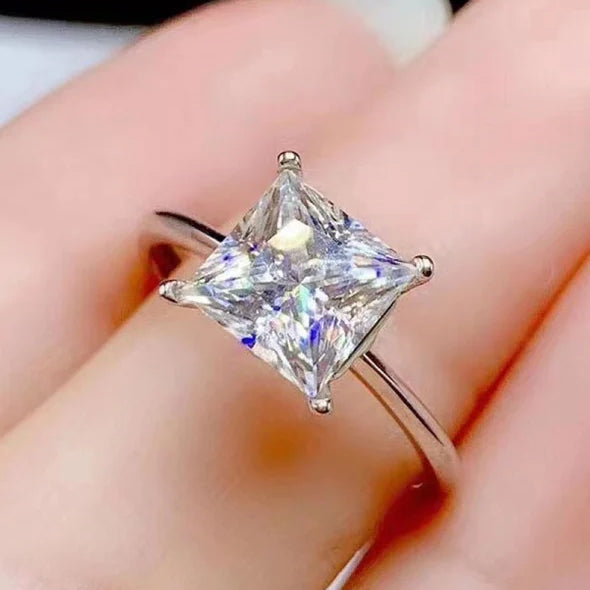
Complete Engagement Rings
Choose a ring with a diamond hand selected by a trained jeweler.

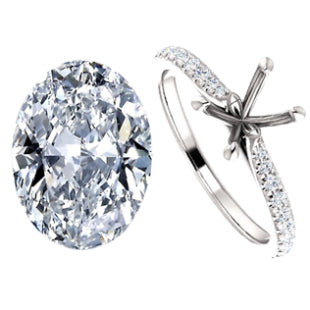

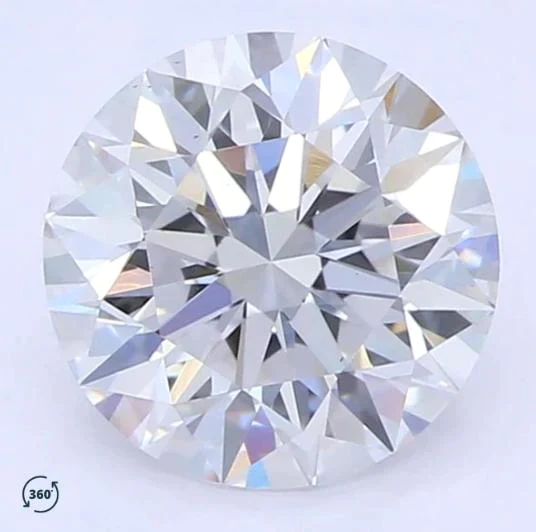
Loose Diamonds
Shop a huge selection of certified natural or lab-grown diamonds. On Sale Now!

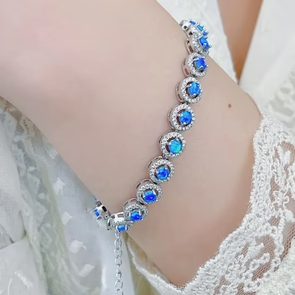
Fashion Jewelry
Fashion rings, necklaces, bracelets & earrings. Take your style to a new level.


Comments