
Oval Cut Diamonds: A Complete Guide to This Elegant Shape


Oval cut diamonds have surged in popularity for their blend of timeless sparkle and distinctive shape. They offer an elegant, elongated silhouette that gives engagement rings a unique yet classic appeal. In this comprehensive guide, we'll cover everything you need to know about oval cut diamonds – from their definition and origins to how they compare with round diamonds, tips for choosing a high-quality oval, and their pricing and value.
We're proud to offer a wide selection of both natural and lab-grown oval diamonds, as you'll see below.
What Is an Oval Cut Diamond?
An oval cut diamond is a fancy diamond (any shape other than round) characterized by its elongated, oval outline and brilliant faceting style. Like the traditional round brilliant, most oval diamonds have 57 or 58 facets arranged to maximize sparkle. This means a well-cut oval can exhibit fire and brilliance comparable to a round diamond. The oval shape has no sharp corners, which not only contributes to its graceful appearance but also makes it less prone to chipping or damage . The slender, oblong profile often gives an oval diamond the illusion of greater size – a 1 carat oval will appear larger than a 1 carat round of similar specs. The elongated shape can even make the wearer's fingers look a bit slimmer, adding to its elegant charm.

Origins: Oval diamonds in various forms have been around for centuries (early examples date back to the 1300s), but the modern oval brilliant cut as we know it was perfected in the late 1950s. In the early 1960s, a Russian-born diamond cutter named Lazare Kaplan developed the cutting technique that greatly improved the oval's brilliance. Kaplan’s innovation – essentially an elongated brilliant cut – set the standard for oval diamonds and is still used by diamond cutters today. Since then, oval cut diamonds have become a beloved choice for those seeking something a bit different from the classic round while retaining exceptional sparkle and beauty.
Oval Cut Popularity & History
Oval cut diamonds may have historic roots, but they've truly boomed in popularity in recent decades. By the late 1950s and 60s, after Kaplan’s refined cutting method, the oval gained a foothold in the market. Today, the oval cut is the second most popular diamond shape (behind only the round brilliant) and is the #1 most popular fancy shape among engagement ring buyers. In fact, recent industry data shows the oval accounts for roughly 16% of all diamond shape searches, compared to about 56% for round diamonds – a testament to its trending appeal. Many celebrities and trend-setters have chosen oval diamond rings, fueling interest in this shape as a modern yet vintage-inspired option.
Historically, oval diamonds were mentioned in jewelry literature as early as the 1800s, but they remained overshadowed by rounds and cushions for many years. It wasn’t until the mid-20th century that ovals exploded in popularity, thanks to their fresh look and practical benefits. Their popularity continues to grow due to their unique combination of brilliance, perceived size, and elegant style. For couples who want a classic sparkle with a twist, the oval offers the perfect balance of tradition and individuality.
Oval vs. Round Diamonds
How does an oval cut compare to the classic round brilliant diamond? Here’s a quick rundown of brilliance, bow-tie effect, and size appearance differences:
-
Sparkle: Both round and oval diamonds are brilliant cuts designed for maximum light return. The round cut is mathematically optimized for sparkle and is considered the benchmark for brilliance. However, an oval diamond with good proportions and 57-58 facets can deliver sparkle nearly on par with a round. Essentially, you don’t have to sacrifice fire or brilliance when choosing an oval – it can dazzle just as brightly in the right lighting.
-
Bow-Tie Effect: One key difference is the bow-tie effect. Almost all elongated shapes like ovals exhibit a bow-tie – a subtle dark shadow across the center of the stone visible from certain angles. This happens due to light not reflecting in the middle of an oval the same way it does in a perfectly symmetrical round. In some ovals the bow-tie is very faint, while in others it’s easily noticeable. A prominent bow-tie can distract from the diamond’s beauty, so it’s something to watch for (more on that below). Round diamonds do not have a bow-tie effect, thanks to their even symmetry. In summary, expect some bow-tie in any oval, but the goal is to choose one where the darkness is minimal and doesn’t detract from sparkle.
An oval cut diamond showing a visible "bow-tie" – the dark horizontal shadow across its center. Nearly every oval cut has some degree of bow-tie effect, though the severity varies. A well-cut oval will have only a faint bow-tie that doesn't diminish its beauty.
-
Visual Size: This is a big advantage of ovals. Oval diamonds tend to look larger than round diamonds of the same carat weight due to their elongated shape and greater surface area spread. The oval’s length makes it cover more finger real estate, often appearing about 10% bigger face-up than an equivalent weight round. If you place a 1 carat oval next to a 1 carat round, the oval’s outline will usually appear noticeably larger. Additionally, the oval’s slender shape draws the eye along the finger, creating an elegant, lengthening effect that many find flattering. Round diamonds, by contrast, have a more compact outline.
In the end, choosing between oval and round comes down to personal preference. The round is classic and maximizes balanced sparkle, while the oval offers a distinctive look, larger appearance, and a touch of modern flair. Both can be stunning – it’s about which shape speaks to you. (Need help deciding? Contact Mikado Diamonds and our experts can show you round and oval diamonds side by side to guide your choice.)
How to Choose an Oval Diamond
Selecting a beautiful oval diamond requires slightly different considerations than choosing a round, since there is no official cut grade for ovals and each stone’s shape is unique. Here are some key tips to keep in mind:
-
Cut & Shape: Because GIA doesn’t assign a cut grade for oval cuts, rely on your eyes and trusted experts. Look for an oval with an appealing shape – the ends should be nicely rounded (not too flat or pointy) and the overall outline should be symmetrical and pleasing. Avoid ovals that appear overly skinny or overly squat unless that is your preference. In general, most people find ovals with a length-to-width ratio around 1.3 to 1.5 to be the most beautiful balance. A ratio ~1.30 will look more “roundish” and plump, while ~1.50 will look more long and slender – there is no single "perfect" ratio, so choose what looks best to your eye.
-
Bow-Tie Check: Since some bow-tie darkness is inevitable in ovals, the goal is to pick one where it’s minimal. Always examine an oval diamond face-up (in person or via magnified video) to gauge the bow-tie effect. If the shadow across the middle is very pronounced or bothers you, consider another stone. Many oval diamonds have only a slight bow-tie that won't be obvious in normal viewing – those are ideal. Don't get too hung up on eliminating the bow-tie completely (that’s nearly impossible), but do ensure it doesn't overpower the stone’s sparkle.
-
Clarity: The good news is ovals are excellent at hiding inclusions. Thanks to the brilliant facet pattern and elongated shape, inclusions and blemishes are often hard to spot in an oval, especially near the ends or under prongs. This means you can save money by choosing a slightly lower clarity grade as long as it's eye-clean. Many experts recommend oval diamonds in the SI1–SI2 clarity range, which offer great value and appear clean to the naked eye. There’s usually no need to pay a premium for VVS clarity if the SI diamond looks flawless to you.
-
Color: Ovals tend to show color a bit more than rounds, but they can still face up very white if you choose wisely. For a colorless appearance, a general guideline is to opt for H color or better in an oval. An H, G, or F color oval will look icy-white in a white gold or platinum setting. If you prefer a yellow gold setting, you have more leeway – even a J or K color oval can still look beautiful and the warm tint may be masked by the gold hue. Ultimately, color is subjective, so evaluate the diamond in the setting color you plan to use and see if it appears white enough for your taste.
-
Certification & Vendor: Just as with any diamond, ensure your oval comes with a reputable lab certification (GIA, IGI, etc.) verifying its 4Cs. Because evaluating cut quality in ovals is subjective, it helps to buy from a vendor who provides detailed videos or images and has a generous return policy. At Mikado Diamonds, for example, we provide high-res images and personalized guidance for every oval diamond we sell, to help you choose one with gorgeous sparkle and minimal bow-tie. (Our GIA-trained gemologists are happy to assist in selecting the perfect oval – just ask!)
By keeping these tips in mind, you can zero in on an oval diamond that offers fantastic brilliance and beauty for your budget.
Pricing & Value of Oval Diamonds
One of the compelling advantages of oval cut diamonds is their value for size. In general, oval cuts are less expensive than equivalent round brilliant cuts, often by a significant margin. Analyses have found that ovals can be around 20-30% less costly per carat than a comparable round diamond. This price difference exists even when color, clarity, and other factors are the same. For example, if a 1.5 carat H/VS2 round costs $10,000, an oval of the same specs might cost roughly $7,000–$8,000. The savings can be substantial.
There are a couple of reasons for this price gap. Firstly, demand plays a role – round diamonds are the most in-demand shape, so they command higher prices. Secondly, and importantly, cutting efficiency favors ovals. Crafting a perfectly round diamond wastes more of the rough crystal (up to 40% can be lost in cutting a round). Ovals, by contrast, use more of the original rough stone, resulting in less waste. This means a diamond cutter can yield a heavier oval from the same rough that would produce a smaller round, translating to a lower cost per carat. In other words, with an oval you are paying more for actual diamond and less for what was cut away, making it a smart value choice.
Beyond the dollar cost, remember that oval diamonds give you more visual size per carat (thanks to their larger face-up area). So not only do they typically cost less – they look bigger too! You get an excellent "spread" for the weight, which is a major win for budget-conscious buyers who still want a big look. An oval can often pass for a diamond a few tenths of a carat heavier when compared to other shapes.
Lab-Grown Oval Diamonds: If you’re looking to maximize size for your money, consider lab-created oval diamonds. Lab-grown diamonds have the same chemical and physical properties as mined ones, but they come at a much lower price point. In fact, lab-grown diamonds generally cost 30% to 50% less than their natural counterparts. This means you could afford a significantly larger oval diamond (or a higher color/clarity) by choosing a lab-grown stone for the same budget. For example, the price of a 2 carat lab-grown oval might be what you’d pay for a 1 carat natural oval – a huge difference for the size-conscious shopper. Lab-grown ovals thus offer an incredible opportunity to get the ring of your dreams without breaking the bank.
At Mikado Diamonds, we specialize in lab-grown diamonds alongside natural diamonds, so you have options. Our lab-grown oval diamonds can give you that show-stopping size and sparkle at a fraction of the cost. Browse our collection to see how far your budget can go.
In summary, oval cut diamonds deliver outstanding brilliance, distinctive style, and excellent value. They have a rich history and a trendy modern appeal as the second most popular shape today. With their larger appearance per carat and lower price compared to rounds, ovals are a savvy choice for engagement rings. By paying attention to shape, bow-tie, and the 4Cs as outlined above, you can find a breathtaking oval diamond that will delight you for a lifetime. Whether you choose a natural or lab-grown oval, this elegant cut offers size, sparkle, and sophistication that truly stand out.
Ready to find your perfect oval? Explore Mikado Diamonds' oval diamond collection or reach out to our expert team for one-on-one guidance. An oval cut diamond engagement ring is a stunning symbol of your unique love – and with the right knowledge (and jeweler) in hand, you’re sure to choose one that radiates beauty from every angle.
Mikado Collection
Hand Crafted Engagement Rings, Loose Natural and Lab-Grown Diamonds and a Fashion Jewelry Collection of Rings, Necklaces, Bracelets, and Earrings.

Complete Engagement Rings
Choose a ring with a diamond hand selected by a trained jeweler.

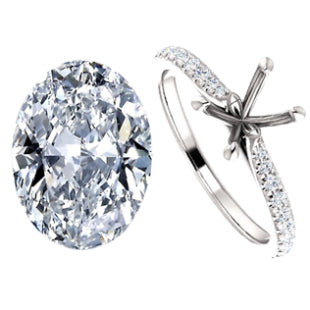

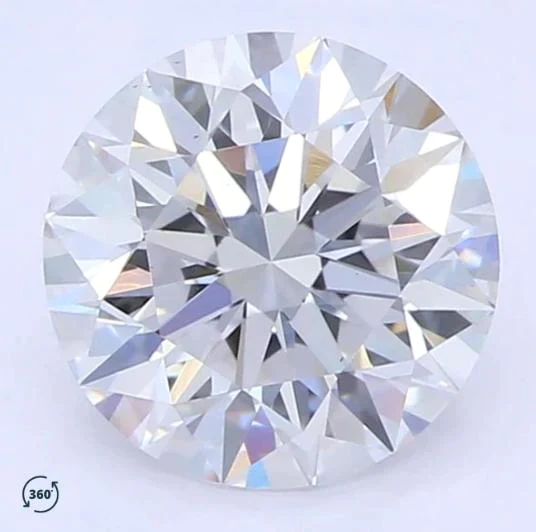
Loose Diamonds
Shop a huge selection of certified natural or lab-grown diamonds. On Sale Now!

Fashion Jewelry
Fashion rings, necklaces, bracelets & earrings. Take your style to a new level.


Comments