
What Is Moissanite? Sparkle, Value & Honest Comparison


Moissanite is a lab-created gemstone made of silicon carbide that closely resembles a diamond, but at a fraction of the cost. It’s nearly as hard, sparkly, and durable, making it a popular alternative for engagement rings.
If you’re wondering what it is and why it’s everywhere in engagement ring searches, here’s a quick breakdown:
- Moissanite is not a fake diamond or CZ, it’s a real gemstone.
- It scores 9.25 on the Mohs scale, making it harder than sapphire.
- Its sparkle is bold, fiery, and unmistakable, more than a diamond.
- It’s lab-created, ethical, and completely conflict-free.
- It costs 80–90% less than a similar-looking diamond.
At Mikado Diamonds, we don’t push moissanite as a “dupe.” We offer it as a smart, beautiful option for couples who care about value, sparkle, and intentional design, without the inflated pricing or pressure of a traditional jewelry store.
Curious if moissanite is right for your forever ring? Keep reading, we’ll walk you through everything you need to know.
Where Moissanite Comes From: A Gem Born in the Stars, Perfected in Labs

Moissanite is a gemstone made from silicon carbide, a compound that doesn’t occur naturally in large enough quantities to be mined for jewelry.
It was first discovered in 1893 by Nobel Prize-winning chemist Henri Moissan while examining rock samples from a meteorite crater. At first, he thought he had found diamonds. It wasn’t until years later that he identified the crystals as something entirely different.
That “something different” turned out to be moissanite, one of the rarest naturally occurring minerals on Earth.
Because natural moissanite is so scarce, every gem used in jewelry today is lab-created. But don’t confuse “lab-created” with “fake.” This isn’t glass or cubic zirconia. Moissanite is a real gemstone with its own distinct chemical structure, optical properties, and brilliance.
It may look similar to a diamond at first glance, and that’s why many people start comparing the two. But once you understand moissanite on its own terms, you’ll realize it’s not trying to be a diamond.
It’s a category of its own: fiery, durable, ethical, and accessible.
We don’t treat moissanite like a substitute; we treat it like a valid option for people who care about beauty, value, and intentional design. Some clients love it for fashion rings or travel jewelry.
Others want it in their engagement ring because it means they can prioritize size or setting over tradition. Whatever the reason, it deserves more than a side-eye or a sales gimmick. It deserves understanding.
How Moissanite Compares: Sparkle, Strength, and Side-by-Side With Diamonds

When someone asks me, “How close is moissanite to a diamond?” my answer is: close enough to confuse most people, but different enough to stand on its own. Let’s break down why.
Sparkle and Fire
Here’s where moissanite really turns heads. It has a higher refractive index than diamond, 2.65 compared to diamond’s 2.42. That means it bends and reflects more light, creating what gemologists call fire.
Translation? Moissanite gives off brilliant, rainbow-colored flashes when it catches the light.
It also exhibits double refraction, which enhances that sparkle even further. To some, it’s dazzling, like fireworks in a stone.
To others, it can feel like a bit much, especially in bright sunlight. I’ve had clients describe it as “too perfect” or “too rainbow” compared to the more muted elegance of a diamond.
This isn’t a flaw. It’s just the way moissanite is wired. And depending on your personality and preferences, it might be exactly what you’re looking for, or not.
Durability and Daily Wear
In terms of everyday wearability, moissanite scores a solid 9.25 on the Mohs scale of hardness. For context, diamonds are a 10, sapphires are a 9, and cubic zirconia trails far behind, around 8.
This means moissanite is extremely resistant to scratching and abrasion. It doesn’t get cloudy, foggy, or dull over time like cheaper diamond simulants.
Still, as with any gem, proper care matters.
Moissanite can handle heat better than many stones, but poor bench work or flawed prong settings can cause stress fractures. That’s why we’re meticulous with every setting we design at Mikado Diamonds. A great stone deserves great craftsmanship.
Appearance and Color
Modern moissanite is available in a range of color grades, typically colorless (D–F) and near-colorless (G–I), similar to the diamond scale. That said, some stones, especially larger ones, can show subtle undertones of yellow, green, or grey depending on lighting and cut.
In certain cuts, like marquise or crushed ice ovals, moissanite’s sparkle can lean “flashy” rather than soft. For those seeking a more diamond-like look, cuts like round brilliant or radiant tend to blend best.
Moissanite vs. Diamond vs. Cubic Zirconia: What’s the Difference?
If you're trying to figure out how moissanite stacks up against diamonds and cubic zirconia, you're not the only one. It’s one of the first questions clients bring up in our consultations.
Here’s how they compare:
Moissanite vs. Diamond

At first glance, moissanite and diamond can look nearly identical. Both are clear, sparkly, and available in classic cuts and settings. But the similarities stop there.
Moissanite has a more dramatic sparkle; it’s brighter, with flashes of color that can be especially noticeable in sunlight or under LED lights. Some love that pop; others prefer the subtle fire of a diamond, which tends to have a cleaner, more understated brilliance.
Then there’s the price. A high-quality moissanite stone can cost 80–90% less than a comparable diamond. That’s not a typo. We’ve had couples use that savings to upgrade to a larger stone, invest in a custom setting, or put the difference toward their wedding or honeymoon.
Moissanite vs. Cubic Zirconia

Here’s where the comparison gets lopsided.
Cubic zirconia (CZ) is a low-cost diamond simulant that’s often used in costume jewelry. It might look good for a few months, but it scratches easily, dulls over time, and can develop a cloudy appearance that no cleaning can fix.
It’s also much softer, around 8 on the Mohs scale, meaning it won’t last through daily wear.
Moissanite, by contrast, is in a completely different league. It holds its clarity and brilliance for years, doesn’t yellow or fade, and can endure decades of wear with proper care.
If a jeweler is selling you CZ as a “budget-friendly alternative” to moissanite or diamond, that’s a red flag.
Why Some People Choose Moissanite (And Others Don’t)
Like any good jewelry decision, choosing moissanite is personal. It’s not just about what’s sparkly, it’s about what fits your priorities, lifestyle, and values. For some people, moissanite checks every box. For others, it leaves a few unanswered questions. Let’s look at both sides.
The Upside
- Massive cost savings: This is one of the most obvious advantages. Moissanite allows you to go bigger and bolder without going over budget.
- Ethical sourcing, no mining: Every moissanite we work with at Mikado Diamonds is lab-grown, which means no environmental destruction, no unethical labor, no mystery supply chains. It’s a stone you can feel proud of, through and through.
- Customizable in nearly every cut and setting: From classic rounds to elongated cushions and even unique shapes like ‘kite’ or ‘hexagon.’
- Built to handle daily wear: Moissanite is tough enough for engagement rings, yet elegant enough for travel jewelry or fashion pieces.
The Downside
- It’s not a diamond: That matters to some people. Whether it’s tradition, symbolism, or a sense of legacy, some buyers just feel more connected to the idea of a diamond.
- Too much sparkle: Moissanite’s fire can be intense. In certain lighting, especially direct sunlight, it flashes rainbows in a way that some clients find overwhelming.
- No resale value: Moissanite is not an investment gem. There’s little to no resale market, and it doesn’t hold value like diamonds.
- Looks different in person: Lighting, cut, and even camera filters can skew the appearance. That’s why we always recommend seeing the stone, or a sample, before finalizing your design.
At Mikado Diamonds, we’ll walk you through all these nuances, honestly and without pressure. Because moissanite isn’t for everyone. But for the right person, it’s perfect.
Moissanite in Jewelry: Not Just for Engagement Rings

When people think of moissanite, they usually picture an engagement ring, and for good reason. It’s become one of the top alternatives for couples who want that bold, brilliant look without the diamond price tag.
Some of our most stunning solitaire and halo designs feature moissanite center stones, especially in sizes that would cost five times more in diamonds.
But moissanite doesn’t stop at engagement rings.
Because it’s durable, affordable, and flashy (in the best way), moissanite is an excellent choice for all kinds of jewelry:
- Fashion rings that let you show off your style without stressing over price.
- Earrings that don’t need to be taken off every time you hit the gym or go for a swim.
- Necklaces and pendants with larger center stones that make a statement.
- Travel jewelry for when you want to leave your heirlooms at home but still wear something beautiful.
Whether you’re going for everyday glam or something completely one-of-a-kind, moissanite opens the door to creative freedom most people don’t expect when they walk into a jewelry store.
What’s Next? Here’s Where to Go From Here

Still weighing your options? Good. Choosing a stone for your engagement ring, or any meaningful piece, shouldn’t feel rushed or confusing.
Moissanite isn’t for everyone. But for the right couple, it’s a bold, ethical, and budget-conscious way to say forever without compromise.
Want someone to walk you through the differences between moissanite and lab-grown diamonds?
👉Book a free consultation with Mikado Diamonds.
No pressure. Just honest answers, stunning rings, and expert support every step of the way.
Mikado Collection
Hand Crafted Engagement Rings, Loose Natural and Lab-Grown Diamonds and a Fashion Jewelry Collection of Rings, Necklaces, Bracelets, and Earrings.

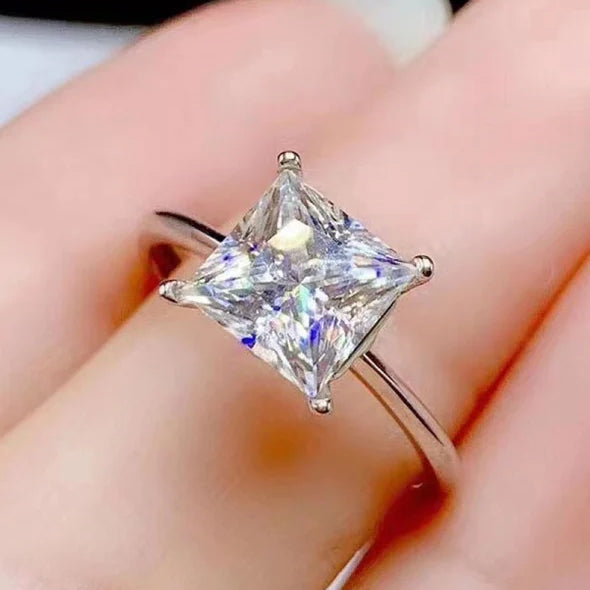
Complete Engagement Rings
Choose a ring with a diamond hand selected by a trained jeweler.


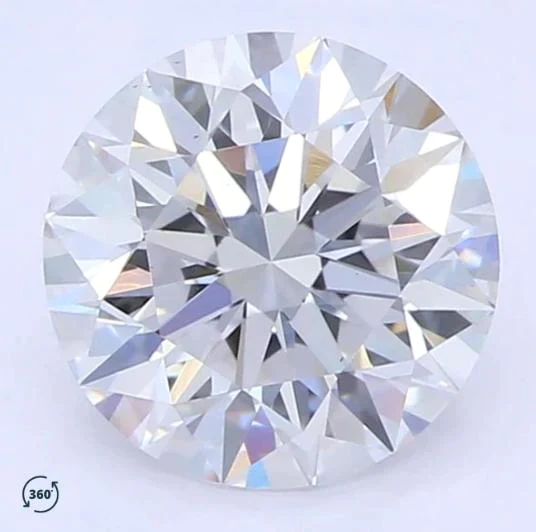
Loose Diamonds
Shop a huge selection of certified natural or lab-grown diamonds. On Sale Now!

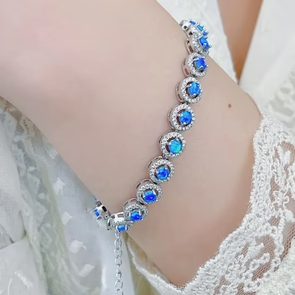
Fashion Jewelry
Fashion rings, necklaces, bracelets & earrings. Take your style to a new level.


Comments