
Morganite vs Diamond: Which Engagement Stone Wins?


Thinking about a morganite engagement ring? Wondering if it’s a smart swap for a diamond?
Here are the highlights:
- Morganite is romantic and affordable, but softer, best for occasional wear and careful lifestyles.
- Diamonds offer unmatched durability and sparkle, making them ideal for everyday rings that last forever.
- Lab-grown diamonds are a smart middle ground, giving you size, brilliance, and strength without the high price tag.
- Choose based on your lifestyle and values, not just trends; there’s no one-size-fits-all answer.
Morganite offers a romantic pink hue and serious savings. Diamonds promise unmatched durability and timeless sparkle. But which fits your lifestyle, values, and taste? That’s where things get personal.
We’ll compare them side-by-side on color, durability, brilliance, symbolism, resale value, and more, so you can feel great about whatever you decide to wear every day.
Want the full breakdown? Keep reading.
What Do Morganite and Diamond Look Like Side-by-Side?

The first thing most people notice is color.
And this is where Morganite stands out. With its soft peachy-pink hue, morganite brings a romantic, almost ethereal feel to an engagement ring.
It’s feminine without being flashy, and it pairs beautifully with rose gold, giving it that dreamy, vintage aesthetic that’s made it a favorite on Pinterest boards everywhere.
Diamonds, on the other hand, are classic for a reason.
Their colorless clarity and unmatched brilliance make them feel timeless and luxurious. They also come in rare fancy colors, like pink, yellow, or blue, but those can come with a hefty price tag.
One question I hear often is: “Will morganite look fake next to a diamond?” The short answer: No. It’s not fake, it’s just different. Morganite isn’t trying to be a diamond.
It’s offering a completely different vibe. If you’re after softness, romance, and something just a little unexpected, morganite might be exactly what you’re looking for.
That said, morganite does have limitations when it comes to long-term wear (more on that in the durability section).
So if you’re drawn to that pink tone but want the strength and sparkle of a diamond, consider a pink lab-grown diamond. It gives you that unique color and the durability to wear it confidently every day.
Which Sparkles More, Morganite or Diamond?
If sparkle is what makes your heart skip a beat, diamonds are hard to beat. They have the highest refractive index of any gemstone used in jewelry, meaning they bend and reflect light in a way that creates intense brilliance and fire.
Think flashes of rainbow light, sharp sparkle in every glance, and the kind of dazzle that turns heads across the room.
Morganite? It’s more of a soft glow.
Romantic, warm, and flattering, but not blinding. If diamonds are the spotlight, morganite is candlelight. It shimmers gently, which some people absolutely love.
But others find it underwhelming, especially when they see both stones side by side.
Here’s something most people don’t realize. Morganite’s sparkle can fade over time, not because the stone changes, but because it’s softer.
With a Mohs hardness of 7.5–8, morganite is more prone to scratches and surface wear.
Those micro-abrasions can dull its shine, especially if the ring is worn daily without careful maintenance.
I’ve had clients reach out saying their morganite “looked cloudy after a year.” That’s not unusual, particularly with poor settings that allow dirt and oils to build up, or if the stone isn’t cleaned regularly.
Diamonds, by contrast, maintain their brilliance even with minimal upkeep. And lab-grown diamonds? Same exact sparkle as natural ones, just without the markup or mining.
Bottom line is if sparkle is non-negotiable, go diamond. But if you love a softer, more subtle shine, and you’re okay giving it a little extra TLC, morganite might still work beautifully for you.
Can Morganite Handle an Engagement Ring’s Job?

Engagement rings are meant to last a lifetime, but not all gemstones are built for that kind of daily grind.
On the Mohs hardness scale, diamonds score a perfect 10.
They’re the hardest natural material on Earth, which means they resist scratches, chips, and wear better than any other gemstone. Morganite, while still durable enough for jewelry, falls between 7.5 and 8.
That might sound close, but in real life, it’s a big difference.
So what does that actually mean? It means morganite is more vulnerable to scratches, especially if you wear your ring during everyday tasks like working out, washing dishes, or gardening.
It can also chip or cloud over time, especially if it’s exposed to harsh chemicals, heat, or even just friction from daily wear.
Clients often ask me: “Can I wear a morganite ring every day?”
The honest answer?
Only if you’re extra careful, and okay with the stone developing a little “character” over time. If you work with your hands or tend to be tough on your jewelry, it might not be the best long-term match.
That said, there are ways to help protect morganite.
The right setting can make a huge difference. If you go this route, I highly recommend a bezel or halo setting, which adds a protective rim or diamond border around the stone. Not only does it enhance the overall look, but it also helps shield the gem from bumps and knocks.
Bottom line: Morganite can work as an engagement ring, but it demands gentleness. Diamonds, on the other hand, are tough enough for daily life, no matter what your day throws at you.
Morganite vs Diamond: How Much Will You Save?
Let’s talk numbers, because price is often what brings morganite into the conversation in the first place.
A 1-carat morganite typically ranges from $100 to $300. That’s not a typo. Meanwhile, a 1-carat diamond can start around $2,500 and climb past $15,000, depending on cut, clarity, color, and whether it’s lab-grown or mined.
So yes, Morganite gives you a much bigger look for less. In fact, because morganite is less dense, a 1-carat stone will also look physically larger than a 1-carat diamond.
That can be tempting when you want a bold center stone without blowing your budget.
But here’s where the price conversation gets more nuanced: bigger doesn’t always mean better, or smarter.
Morganite’s lower durability can lead to more maintenance costs over time. You may need more frequent cleanings, and some jewelers are hesitant to insure or even reset morganite rings due to their fragility.
Plus, the setting itself needs to be sturdier (and potentially pricier) to help protect the stone.
Meanwhile, lab-grown diamonds offer the same sparkle and hardness as natural diamonds, without the inflated cost. That means you can often get a 2–3 carat lab diamond for the price of a 1-carat mined one.
It’s a sweet spot for shoppers who want size, sparkle, and staying power, all without the diamond industry markup.
Want to see how far your budget goes with lab diamonds? Explore our most popular lab-grown stones here.
Forever vs. Feelings: What Each Stone Represents

Beyond the sparkle, the size, and the setting, there’s meaning. Because an engagement ring is also a symbol, not only a ring.
And that’s where morganite and diamond start to tell two very different stories.
Diamonds have long stood for tradition, eternity, and status. That’s no accident; it’s the result of decades of marketing, social norms, and cultural weight. To many, diamonds say “forever” in a way that few other stones can.
But morganite speaks a softer language.
Its blush-pink tone symbolizes compassion, warmth, and emotional connection. It’s less about legacy and more about love. For couples who want something unique, meaningful, and a little nontraditional, that message resonates deeply.
Still, I know the pressure is real.
People sometimes ask: “Will others judge me for not having a diamond?” My answer? Maybe.
But here’s the truth. The only opinion that matters is yours, and maybe your hand model’s on Instagram.
You’re the one wearing it every day. The sentiment behind the stone should feel authentic to you, not dictated by outdated rules or someone else’s expectations.
What It Takes to Keep Each Stone Looking New
Let’s be honest: no one dreams about high-maintenance jewelry. But when it comes to engagement rings, how a stone ages matters just as much as how it looks on day one.
Morganite requires extra care. It’s more porous and softer than diamond, which means it’s more prone to picking up residue from skin oils, lotions, soaps, and everyday grime.
Over time, that can make it look cloudy or dull, especially if the ring isn’t cleaned often.
To keep morganite looking fresh, you’ll need to gently clean it with warm water, mild soap, and a soft toothbrush, ideally once a week.
Avoid harsh cleaners and keep it away from chemicals (yes, even that spritz of perfume can do damage). Ultrasonic cleaners? Skip them. Morganite can crack under the vibrations.
Diamonds, by contrast, are far more forgiving.
Their hardness resists everyday wear, and they’re safe in ultrasonic cleaners. You can be more casual with them, and they’ll still shine, whether it’s been two weeks or two years.
One of the most common questions I get is: “Will my morganite engagement ring still look good in 10 years?” The honest answer? It depends on how you treat it. With care, it can still be beautiful.
But even then, you may notice some softening of the color or slight wear on the surface.
If you’re the kind of person who wants your ring to always look as flawless as the day you got it, with as little effort as possible, a diamond (especially lab-grown) might be the more practical choice.
What Happens If You Change Your Mind Later?
Let’s say five years from now, you want to upgrade your ring or turn your engagement stone into a pendant. What happens then?
Diamonds, especially lab-grown or certified natural stones, offer real flexibility. They tend to hold some resale value, and more importantly, they can be repurposed, resized, or reset without much risk.
Many jewelers, including us, offer upgrade programs specifically for diamonds, making it easy to evolve your ring as your style (or budget) grows.
Morganite is a different story. It has minimal resale value and is often excluded from upgrade programs due to its softer nature. Jewelers are also more cautious when working with morganite during resets or resizing.
That’s why we encourage long-term thinking, especially if you're considering morganite for your main engagement stone.
Why Lab-Grown Diamonds Offer Future-Proof Flexibility
Here’s where lab-grown diamonds shine, literally and figuratively. They offer the same brilliance and durability as mined diamonds, but at a lower cost.
And because they’re still diamonds, you get the same upgrade options, trade-in potential, and repurposing ease. Plus, no ethical baggage.
Who Should Choose Morganite, And Who Shouldn’t
After all the comparisons, here’s the honest truth. Morganite and diamond aren’t rivals. They’re just different solutions for different people.
Morganite is a beautiful choice if you:
- Love soft, romantic aesthetics
- Want something that feels unique or non-traditional
- Are budget-conscious and value getting a larger-looking stone
- Don’t plan to wear your ring during workouts, cleaning, or heavy hands-on tasks
But morganite may not be ideal if you:
- Want a stone that will hold up flawlessly to everyday wear and tear
- Plan to pass your ring down or repurpose it later
- Care about long-term value or potential upgrades
- Prefer low-maintenance jewelry you can “set and forget”
If that sounds like you, but you still love the idea of a pink stone, there’s a third option worth exploring:
💎Love morganite but want sparkle? Let us show you pink lab-grown diamonds.
They combine the color and romance of morganite with the brilliance and strength of a diamond, perfect for anyone who wants a little edge and endurance.
Visual Guide: Morganite vs Diamond at a Glance
Sometimes, the easiest way to decide is to see the facts side by side. Here’s how morganite stacks up against both natural and lab-grown diamonds on the things that matter most:
|
Features |
Morganite |
Lab-Grown Diamond |
Natural Diamond |
|
Durability |
7.5–8 on the Mohs scale |
10 (Very durable) |
10 (Very durable) |
|
Sparkle |
Soft glow, lower brilliance |
High brilliance and fire |
High brilliance and fire |
|
Color Options |
Peach-pink tones |
Colorless, pink, yellow, blue |
Colorless, rare fancy colors |
|
Cost (1ct) |
$100–$300 |
$1,000–$3,500+ |
$2,500–$15,000+ |
|
Resale Value |
Minimal |
Moderate (some trade-in value) |
Strong (especially certified) |
|
Maintenance |
Frequent cleaning needed |
Low maintenance |
Low maintenance |
Still Can’t Decide? Try This.

Choosing the right engagement stone depends on many things. Your lifestyle, your values, your vibe... it all matters.
Quick Checklist: Which Sounds More Like You?
- I want a stone that can handle everyday wear → Diamond (lab or natural)
- I’m drawn to romantic, soft-toned styles → Morganite
- I want something unique and non-traditional → Morganite or Pink Lab-Grown Diamond
- I plan to keep this ring forever (and maybe pass it down) → Diamond (lab or natural)
- I’d love to upgrade or repurpose my ring someday → Diamond (lab or natural)
- I want to stretch my budget as far as possible → Morganite or Lab-Grown Diamond
- I don’t mind a little extra maintenance → Morganite
- I’m a sparkle fanatic, brilliance is a must → Diamond (especially Lab-Grown for value)
The more boxes you check, the closer you are to your perfect match.
There’s No Wrong Answer, Just the Right Fit
At the end of the day, your engagement ring should feel like you. Whether you’re drawn to the timeless sparkle of a diamond or the soft romance of morganite, the right choice is about what makes you smile every time you look down at your hand.
You know your style. You know your values. And now, you know the facts.
If you're ready to explore your options, with zero pressure and plenty of support, I'm here to help. We don’t just sell rings. We help you create a moment that lasts.
Ready to Explore? We’re Here When You Are.
Take your time. Browse our collection of natural and lab-grown diamond rings to see what catches your eye.
When you’re ready for expert guidance (without the showroom pressure), book a free virtual consultation. I’ll walk you through everything, from stone options to custom design, to help you build something that actually fits your life.
Want a little more guidance? Check out our guide on “How To Take Care of Your Engagement Ring.” It’s packed with honest talk and the kind of advice I wish someone had given me when I was ring shopping.
Your forever ring starts here. Let’s make sure it feels just right.
FAQ: Morganite vs Diamond
Is Morganite Durable Enough For An Engagement Ring?
Morganite is durable for occasional wear but may scratch or chip with daily use. It’s best for low-impact lifestyles.
Does Morganite Get Cloudy Over Time?
Yes, morganite can appear cloudy due to surface wear or buildup. Regular, gentle cleaning is required to maintain its look.
Can Morganite Be Reset Or Resized Safely?
It can, but there's a higher risk of cracking during handling. Always choose an experienced jeweler.
Do Lab-Grown Diamonds Sparkle Like Natural Ones?
Yes. Lab-grown diamonds have identical brilliance and fire because they’re chemically the same as mined diamonds.
What’s More Budget-Friendly: Morganite Or Lab-Grown Diamond?
Morganite is cheaper upfront, but lab-grown diamonds offer better long-term value and durability.
Is Morganite Considered A Real Gemstone?
Yes, morganite is a natural gemstone from the beryl family, like emerald and aquamarine.
Which Stone Is Better For Resale Or Upgrades?
Diamonds hold value and are eligible for upgrades. Morganite typically isn’t.
Does Morganite Require More Maintenance Than A Diamond?
Yes. Morganite is softer and more sensitive to chemicals and oils, so it needs frequent, gentle care.
Mikado Collection
Hand Crafted Engagement Rings, Loose Natural and Lab-Grown Diamonds and a Fashion Jewelry Collection of Rings, Necklaces, Bracelets, and Earrings.

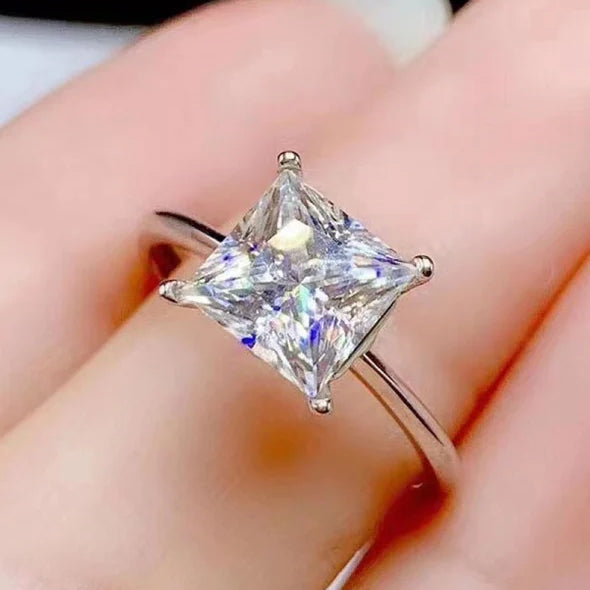
Complete Engagement Rings
Choose a ring with a diamond hand selected by a trained jeweler.


Loose Diamonds
Shop a huge selection of certified natural or lab-grown diamonds. On Sale Now!

Fashion Jewelry
Fashion rings, necklaces, bracelets & earrings. Take your style to a new level.


Comments