
Do Lab Diamonds Test as Real? Here’s the Honest Answer


Yes, lab-grown diamonds test as real. They’re chemically and physically identical to mined diamonds. So standard diamond testers recognize them as genuine. But only advanced lab tools can reveal the origin.
If you're shopping for an engagement ring or thinking about switching to lab-grown, it’s natural to ask: Will a tester confirm it's real? Could a jeweler mistake it for fake?
The answer is nope.
Lab diamonds pass the same tests as natural ones. The full story, though, is even more fascinating.
I’ve spent over 15 years helping couples design rings they feel proud to wear, and lab-grown diamonds have completely changed the game. But with that comes confusion, especially around testing.
So let’s break it down with zero fluff and zero pressure.
Do Lab Diamonds Test as Real?

If you’re holding a lab-grown diamond and wondering if it’ll pass the “real test,” take a breath, it absolutely will.
Lab diamonds are real diamonds. They’re made of the same pure carbon, crystallized in the same structure, and they react to diamond testers exactly like mined diamonds do.
This means whether you walk into a jeweler with a thermal conductivity tester or use a pocket-sized device at home, a lab-grown diamond will test positive as real.
The only time confusion arises is when people use the wrong tool, or the tester isn’t calibrated for high-tech diamond alternatives like HPHT.
And if you're worried about hearing “this isn’t real” at a jewelry counter?
That fear comes up a lot. But as someone who’s tested thousands of stones, I can confidently say: if it’s a genuine lab diamond, it’ll pass just like its mined counterpart.
How Diamond Testers Work: The Science Without the Jargon
If you've never seen a diamond tester in action, it's a surprisingly simple tool. But to understand why lab diamonds pass, you first need to understand how these testers work.
Thermal Conductivity Testers (aka Heat Testers)
These are the most common tools used by jewelers. They measure how quickly heat moves through the stone. Diamonds, whether mined or lab-grown, are excellent heat conductors.
When the tester touches the diamond, it sends a tiny pulse of heat and measures how fast it travels.
Because lab diamonds conduct heat just like mined ones, they pass this test without a hitch. This is why so many people are shocked to learn there’s no “special” tester needed for lab diamonds.
If it’s a real diamond, regardless of where it came from, it behaves the same.
Electrical Conductivity Testers
Some high-end testers use electrical conductivity instead of or alongside thermal conductivity. These are especially useful for identifying moissanite (a common diamond simulant), which can fool cheaper testers.
Again, lab-grown and natural diamonds both test as real because their electrical properties are identical.
The difference lies not in how they react to electricity, but in how they were formed, something standard testers can’t detect.
Cheap Testers = Risky Readings?
Here’s where it gets tricky. Not all testers are created equal.
Inexpensive testers, especially those bought online, can sometimes produce false negatives. HPHT lab diamonds in particular have been known to trip them up due to trace metallic inclusions that influence conductivity.
This has led to people questioning their diamond’s authenticity when, in fact, the tool is at fault.
And don’t forget. Testers need good contact with the stone. If the tip touches a prong, or if the stone is small (like a melee diamond), the reading may fail, not because the diamond isn’t real, but because the conditions weren’t right.
So while home testing is possible (and often satisfying), be cautious with cheap tools.
For larger diamonds, especially those over 3 carats, like we often work with, a professional-grade test or certified documentation is the most reliable route.
Can You Tell Lab from Natural in a Test?

No, Not with Standard Tools
Here’s where things get interesting, and where a lot of confusion creeps in.
Diamond testers can tell you if a stone is a real diamond, but they can’t tell you where it came from.
In other words, they’ll confirm that your lab-grown diamond is real, but they won’t say, “Hey, this one was grown in a lab in New Jersey.”
Why?
Because lab and mined diamonds have the same chemical structure, thermal and electrical properties, and visual appearance. To a standard tester, they’re identical.
That’s why trained jewelers (the good ones, at least) never rely on testers alone to verify origin; they rely on certification.
Here, every lab-grown diamond we sell is backed by a grading report from IGI, GIA, or GCAL. That’s your real proof, not a beep from a tester.
What Can Reveal a Diamond’s Origin?
To uncover a diamond’s origin, you need equipment that most jewelry stores don’t have.
We’re talking about advanced tools like:
-
Spectroscopy: Measures how a diamond absorbs and reflects light at various wavelengths, revealing subtle differences in growth structure.
-
UV Fluorescence & Phosphorescence: Lab-grown diamonds often fluoresce or phosphoresce differently under UV light compared to natural ones.
-
Microscopic Growth Patterns: CVD diamonds show distinctive striations or layering; HPHT diamonds may contain tiny metallic inclusions.
These aren’t features you can see with a loupe or even a microscope at your local jeweler.
They require specialized lab-grade equipment, tools used by organizations like the GIA, not your average storefront.
So if you want 100% certainty about a diamond’s origin, certification is key. Not a guess. Not a gut feeling. And definitely not just a tester.
Insider Tip: Check for Laser Inscriptions
Here’s a quick way to put your mind at ease: look at the diamond itself.
Most certified lab-grown diamonds are laser inscribed on the girdle (that’s the outer edge of the stone).
This tiny, microscopic inscription includes the diamond’s report number and a clear indicator that it’s lab-grown, usually something like “LABGROWN” or “LG.”
You won’t see it with the naked eye, but a 10x loupe or jeweler’s microscope will reveal it clearly.
If you’re buying a lab diamond, especially one over 2 or 3 carats, always ask the jeweler to point out the inscription. If they hesitate or don’t know what you’re talking about… walk away.
We verify every diamond’s inscription with you before you buy, so there’s never a question about what you’re getting.
What About Moissanite or Cubic Zirconia? Don’t Get Fooled

Lab-grown diamonds aren’t the only stones labeled as “diamond alternatives.” And that’s where people often get tripped up.
The biggest mistake we see? Confusing simulants like Moissanite or cubic zirconia with lab-grown diamonds, when in reality, they’re completely different categories.
Moissanite Can Fool Cheap Testers
Moissanite is a popular diamond alternative that’s incredibly sparkly, durable, and, on the surface, convincing. But it’s not a diamond.
The tricky part? Moissanite has similar thermal conductivity to a diamond, which means cheap thermal testers can be fooled. These tools are designed to test heat flow, not chemical makeup.
So you might touch the tester to a moissanite and get a “diamond” reading, leading you to believe it’s the real thing.
That’s why higher-end testers combine thermal and electrical conductivity.
Since Moissanite conducts electricity differently from diamonds, these dual testers can spot the difference.
A trained jeweler will also spot visual differences in brilliance and double refraction (Moissanite creates a blurry effect that real diamonds don’t).
Cubic Zirconia = Obvious Fake (If You Test)
Cubic zirconia (CZ), on the other hand, is the easiest to identify if you test it properly.
It fails both thermal and electrical conductivity tests. And it’s softer, heavier, and visually more “glass-like” than a real diamond.
Still, some unscrupulous sellers try to pass CZ off as lab-grown or “diamond simulant,” especially online.
The takeaway?
If it’s not certified and it seems suspiciously cheap, it’s probably not a real diamond. Ask questions, demand documentation, and test it with a reliable device.
Why Your Diamond Might “Fail” a Test, And Why That Doesn’t Mean It’s Fake

So what happens if you or your jeweler uses a tester and it says “not diamond”?
Don’t panic. Seriously.
We’ve seen this happen more than once with HPHT lab diamonds, especially on budget testers. These diamonds are grown under high pressure and high temperature, and they sometimes contain metallic inclusions that confuse low-end testing tools.
It doesn’t mean the diamond is fake; it means the tester is out of its depth.
Here are a few other reasons a real lab-grown diamond might appear to “fail”:
-
The tester tip touched the setting instead of the stone
-
The diamond is too small (like melee stones)
-
The tester isn’t calibrated properly
-
The battery is low, or the contact wasn’t held long enough
Even some jewelers get tripped up here, especially if they’re using outdated tools or don’t work with lab diamonds regularly.
We use professional-grade equipment, and more importantly, we verify each stone before it ever reaches your hands.
Want to test at home?
You can. Just choose a trusted brand, follow the instructions carefully, and always cross-reference with your certificate. If there’s a discrepancy, reach out.
A good jeweler should help you get answers, not pressure you into doubt.
What Jewelers and Students Need to Know
While most buyers just want to know if their diamond tests “real,” some want to dig deeper, especially jewelers, gem students, or anyone fascinated by the science of diamonds.
If that’s you, this section’s for you.
Differences Between HPHT and CVD Detection Methods
Lab diamonds are typically grown in one of two ways: High Pressure High Temperature (HPHT) or Chemical Vapor Deposition (CVD). Both methods create real diamonds, but they leave behind different microscopic clues that only advanced testing can reveal.
-
HPHT diamonds are grown under intense heat and pressure, mimicking the natural process. These diamonds may contain metallic inclusions or unique fluorescence patterns that can influence how they test, especially on cheaper devices.
-
CVD diamonds grow layer by layer from carbon gas, often exhibiting growth striations or internal graining visible under deep magnification or spectroscopy.
These growth traits don’t affect beauty or durability, but they can affect how the diamonds respond to advanced testing and may help labs distinguish lab from natural origin.
How Nitrogen Content Affects Results
Here’s a nuance few consumers (and even some jewelers) know: natural diamonds usually contain trace nitrogen, while lab diamonds often do not.
Some advanced testers try to detect nitrogen as a signal of natural origin. But this can backfire.
If a tester is designed to “expect” nitrogen and doesn’t detect it, it may wrongly flag a lab diamond as synthetic or “not real.”
This is one of many reasons why basic testers can mislead, especially with HPHT stones.
Why Most Stores Still Rely on Certification
Despite all the tech talk, most jewelers, Mikado included, don’t rely on advanced gemological testing to distinguish lab vs. mined diamonds in-store. We rely on certification from trusted labs like GIA, IGI, or GCAL.
Certification not only confirms that your diamond is real.
It clarifies whether it’s lab-grown or natural, what type it is (HPHT or CVD), and even includes laser inscriptions for traceability. It’s the most practical, scalable way to give consumers peace of mind.
GIA iD100: The Industry’s Go-To Origin Tool
For stores that do want to verify origin on the spot, the GIA iD100 is the standard. It uses advanced spectroscopic technology to detect subtle differences in fluorescence and phosphorescence between natural and lab-grown diamonds.
It’s fast, accurate, and widely trusted in high-end jewelry environments. But it's still a tool, not a replacement for third-party certification.
We focus on education, not mystery. Every diamond we offer is certified, laser-inscribed, and verified, so there’s no guesswork. Just real beauty, real science, and real clarity.
Should You Trust Lab Diamonds? Here’s Why We Do

If you’re still unsure whether lab diamonds are “real,” let me clear it up once and for all:
They are.
Lab-grown diamonds are made of the same material, have the same brilliance, hardness, and durability, and they test exactly the same. The only thing that’s different is their origin.
And that origin? It comes with benefits. No mining. No inflated prices. No vague supply chains. Just precision, beauty, and the chance to own a diamond that aligns with your values.
The old belief that “lab = fake” is an outdated myth, kept alive by legacy jewelers who profit from exclusivity.
But the truth?
Today’s lab diamonds are turning heads, stealing spotlights, and redefining what “luxury” means.
I see it every day, clients lighting up when they see the size, sparkle, and quality they can get without the markup or the mystery.
I trust lab-grown diamonds not just because of the science, but because of the joy they bring to the people who wear them.
How to Buy Smart: Lab Diamond Verification Checklist

If you’re shopping for a lab-grown diamond, especially one for an engagement ring, you want more than sparkle. You want certainty. Here’s how to get it:
Always Ask for Certification
Before anything else, ask to see the grading report. Trusted labs like GIA, IGI, and GCAL provide detailed reports confirming the diamond’s authenticity, origin (lab-grown vs. natural), clarity, color, cut, and more.
This document is your proof and protection.
Every lab-grown stone we offer comes fully certified, so there’s no ambiguity about what you’re buying.
Check for Girdle Inscriptions
Most certified lab diamonds are laser inscribed on the girdle with their report number and a lab-grown indicator. A
sk your jeweler to show you this under a loupe or microscope. It’s a quick and easy way to match your stone with its certificate.
If they can’t, or won’t, show it to you? That’s a red flag.
Test It (If You Want To), But Don’t Panic
Curious buyers often want to test their diamonds at home. Go for it, but remember:
-
Cheap testers can misread, especially with HPHT diamonds
-
Tester error is more common than actual fraud
-
Certification always overrides tester blips
If you ever have doubts, bring the stone to a jeweler who understands lab diamonds, or reach out to us. We’ll help you test it properly and explain every result.
Work With Jewelers Who Educate, Not Upsell
The best way to avoid confusion or disappointment? Work with someone who values transparency.
Here, education is at the core of what we do. I don’t just sell diamonds, I walk people through the science, the symbols, and the real stories behind what they’re buying.
You’ll never get pressure or jargon, just clarity, confidence, and a ring that feels right.
Real Doesn’t Have to Mean Mined

Some folks still feel like a diamond “has to come from the earth” to be meaningful. I get that. It’s a deeply personal thing.
But here’s what I’ve seen after 15 years in this industry: real isn’t about origin, it’s about intent.
A lab-grown diamond can shine with the same fire, brilliance, and emotion as any mined stone. It can celebrate love, commitment, and new beginnings. Just as powerfully.
And yes, it can absolutely pass the “real” test.
With the right guidance, you can create something stunning, ethical, and 100% real, inside and out.
Curious About Lab Diamonds? Book a Call with Our Diamond Experts
You don’t need to navigate this alone. Whether you’re comparing options, testing a stone, or dreaming up your perfect ring, we’re here to help.
-
Get real answers, without the sales pressure
-
Explore certified lab-grown diamonds over 3 carats
-
Start customizing a ring that’s as one-of-a-kind as your story
Let’s make this simple and unforgettable. Book your 1-1 consultation or a virtual consultation now.
FAQ
Let’s cut through the fog. These are some of the most common questions I hear from clients who are excited about lab-grown diamonds, but nervous about what happens when they test them.
You deserve clear, honest answers. So here they are.
Can I test my diamond at home?

Absolutely, if you’re using the right kind of tester.
There are thermal and electrical conductivity testers available for under $100 that can give you reliable results for standard diamonds, including lab-grown ones. But not all testers are created equal.
Cheaper models may struggle with certain lab diamonds, especially HPHT stones with unique inclusions.
Look for tools with both thermal and electrical testing modes, and always follow the instructions carefully. It’s also worth testing in a quiet, steady environment, no shaky hands or touching prongs.
Home testing is possible, and many of our clients do it. Just make sure you’re using a quality tool and cross-checking with your certification.
Can testers damage my ring?
No, diamond testers are safe for the stone and the setting.
They use a gentle tip that either emits a tiny amount of heat or measures conductivity. There's no pressure, scratching, or cutting involved.
That said, incorrect use can lead to misread results. If the tester touches a metal prong or slides off the stone, it might say “not diamond” even if your stone is flawless.
Use the tool properly, and you won’t harm anything, but do avoid drawing conclusions from a single blip.
Do settings (like platinum) affect test results?
Sometimes, yes.
If your tester tip doesn’t make direct contact with the diamond’s surface, especially on a ring with a tight or high-prong setting (like in platinum or bezel styles), it might register a false negative.
This is especially common with melee diamonds or stones under 0.30ct, where even slight tester misalignment can skew results.
In-store, a jeweler should remove the stone for accurate testing or test it before setting. We run every test before your stone is set, so you know it’s the real deal.
Why did my tester say ‘not diamond’ when it’s certified lab-grown?
This is one of the top concerns I hear, and it often comes down to three things:
-
Tester type: Cheap or outdated testers can struggle with HPHT diamonds.
-
User error: Metal contact, shaky hands, or poor contact can all throw off the reading.
-
Stone-specific quirks: Some lab diamonds have trace elements (like metallic inclusions in HPHT stones) that interfere with conductivity readings.
The important part?
Certification trumps tester results, every time. A certified lab-grown diamond from GIA, IGI, or GCAL is real. The tester’s job is to verify conductivity, not origin.
If your diamond is certified and still testing inconsistently, get it rechecked by a jeweler who’s familiar with lab diamonds.
And if you bought from Mikado?
We’re here to walk you through every step of that process, no stress, no guessing.
Mikado Collection
Hand Crafted Engagement Rings, Loose Natural and Lab-Grown Diamonds and a Fashion Jewelry Collection of Rings, Necklaces, Bracelets, and Earrings.

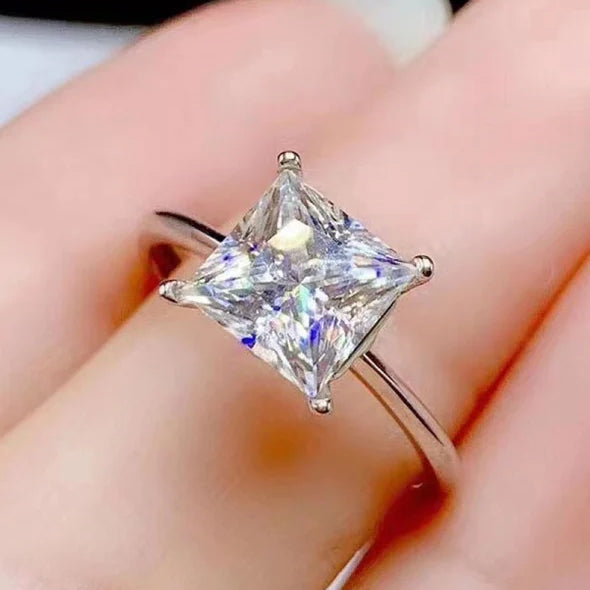
Complete Engagement Rings
Choose a ring with a diamond hand selected by a trained jeweler.


Loose Diamonds
Shop a huge selection of certified natural or lab-grown diamonds. On Sale Now!

Fashion Jewelry
Fashion rings, necklaces, bracelets & earrings. Take your style to a new level.


Comments