
When Did Lab Grown Diamonds Start?


Lab grown diamonds began in 1797 with early synthesis attempts, achieved industrial success in 1954 with General Electric's breakthrough, and reached gem quality by the 1980s. This 225-year evolution proves lab grown diamonds are established, reliable technology.
Understanding these key milestones helps you make informed decisions:
- First diamond synthesis attempts started in 1797 by scientist Smithson Tennant
- General Electric achieved the first successful lab diamonds in 1954 using HPHT technology
- CVD process introduced in the 1980s enabled true gem-quality diamond production
- Major certification bodies began grading lab grown diamonds in the 2000s
- Decades of technological refinement ensure today's lab grown diamonds match natural quality
Mikado Diamonds leverages this proven 70-year technology through custom engagement rings featuring premium lab grown diamonds, expert diamond selection guidance, personalized design renderings, and transparent pricing.
Keep reading to discover how this rich history validates your lab grown diamond choice.

The Surprising Origins: Lab Grown Diamonds Started in 1797
Most people assume lab grown diamonds are a modern invention, but the first attempts at creating diamonds in a laboratory actually began over 225 years ago. In 1797, British chemist Smithson Tennant made the groundbreaking discovery that diamonds are pure carbon, setting the stage for centuries of synthesis attempts.
Tennant's work was revolutionary because it gave scientists their first real understanding of what they were trying to recreate. Before 1797, diamonds were mysterious gemstones with unknown composition.
Once Tennant proved diamonds were crystallized carbon, the race began to artificially create them.
Why Did It Take 157 Years to Succeed?
The gap between understanding diamond composition and actually creating them reveals just how complex the process is:
- Extreme pressure requirements: Natural diamonds form 100-200 miles underground under pressures of 725,000 pounds per square inch
- Temperature challenges: Diamond formation requires temperatures between 2,000-2,200°F
- Technology limitations: 19th century equipment couldn't replicate these extreme conditions
- Chemical catalyst mysteries: Scientists didn't understand which metals could catalyze carbon crystallization
Early attempts failed because researchers tried heating carbon at normal atmospheric pressure. They didn't realize that both extreme pressure AND temperature were essential for diamond formation.
The Breakthrough Decades: 1950s-1970s Industrial Revolution
The diamond industry changed forever on December 16, 1954, when General Electric announced they had successfully created the first reproducible synthetic diamonds.
This wasn't just another laboratory experiment - it was a commercial breakthrough that would eventually revolutionize how we think about diamonds entirely.
General Electric's 1954 Game-Changing Achievement
GE's team, led by Tracy Hall, cracked the code that had stumped scientists for over 150 years. They developed a machine called "the belt" that could sustain the extreme conditions needed for diamond formation: temperatures exceeding 2,000°F and pressures over 1.5 million pounds per square inch.
The first successful diamonds were tiny, industrial-grade crystals. But they were real diamonds - chemically, physically, and optically identical to those formed deep in the Earth. This breakthrough proved that diamond creation was no longer nature's exclusive domain.
Gem Quality Evolution: 1980s-2000s Quality Transformation
The 1980s marked a revolutionary turning point when lab grown diamonds finally achieved the quality standards needed for fine jewelry. This was the breakthrough that transformed lab grown diamonds from industrial curiosities into legitimate gemstones.
The CVD Process Changes Everything
Chemical Vapor Deposition (CVD) technology, introduced in the 1980s, solved the major quality problems that had plagued earlier lab grown diamonds. Unlike the high-pressure, high-temperature methods that dominated the 1950s-70s, CVD allowed scientists to grow diamonds layer by layer in controlled environments.
This precision control meant fewer inclusions, better clarity, and more consistent color. For the first time, lab grown diamonds could match the optical properties that made natural diamonds so prized for engagement rings.
The Modern Era: 2010s Market Explosion and Consumer Acceptance
The 2010s marked a pivotal decade when lab grown diamonds transitioned from industrial curiosity to mainstream luxury choice. This period saw unprecedented market growth, with production increasing over 1,000% between 2010 and 2019.
When Did Major Retailers Start Selling Lab Grown Diamonds?
The retail revolution began in 2015 when Brilliant Earth became one of the first major online retailers to offer lab grown diamonds. This breakthrough moment proved consumer demand existed for ethically sourced alternatives.
By 2018, the floodgates opened. Traditional brick-and-mortar stores followed suit by 2019, with many regional jewelers adding lab grown inventory to meet customer requests.
How Did Celebrity Endorsements Change Public Perception?
Celebrity adoption accelerated mainstream acceptance dramatically. When Meghan Markle received a lab grown diamond tennis bracelet in 2018, searches for lab grown diamonds spiked 300% that month.
What Made Lab Grown Diamonds Suddenly Affordable?

The price accessibility revolution happened through improved production efficiency and economies of scale. In 2010, a 1-carat lab grown diamond cost roughly 80% of a natural diamond's price. By 2019, that same diamond cost just 30-40% of the natural equivalent.
At Mikado Diamonds, we've seen this affordability unlock incredible customization opportunities. Couples can now afford larger center stones or more elaborate custom settings that would have been budget-prohibitive with natural diamonds.
Our 3+ carat lab grown diamonds, for example, offer the same visual impact as natural stones at a fraction of the cost.
Why This History Matters for Today's Engagement Ring Buyers
Understanding lab grown diamonds' 225-year development timeline directly impacts your engagement ring decision today. This is proven science with decades of commercial refinement.
Technological Maturity Means Reliable Quality
Lab grown diamonds reached gem quality in the 1980s, giving the industry over 40 years to perfect production methods. Today's CVD and HPHT processes produce diamonds that are chemically, physically, and optically identical to mined diamonds.
This maturity translates to consistent results when you're shopping for your engagement ring. The days of unpredictable lab grown quality are long gone.
Modern lab grown diamonds undergo the same grading standards as natural diamonds, with GIA and other major certification bodies treating them with identical scrutiny.
Decades of Refinement Ensure Lasting Value
The technology improvements since the 1950s mean today's lab grown diamonds offer exceptional value stability. Early industrial diamonds couldn't compete with gem quality stones.
Now, lab grown diamonds often exceed natural diamond clarity and color grades at significantly lower prices.
At Mikado Diamonds, we've seen this evolution firsthand. Our lab grown diamond collection includes stunning oval, radiant, and emerald shapes that showcase decades of technological advancement.
The quality consistency allows us to offer competitive pricing with confidence in long-term satisfaction.
Industry Acceptance Validates Consumer Choice
Major jewelry retailers, certification bodies, and diamond manufacturers now fully embrace lab grown diamonds. This widespread acceptance didn't happen overnight. It's the result of proven technology earning trust through consistent performance over decades.
When you choose a lab grown diamond for your custom engagement ring, you're making a decision backed by established industry standards. The 70% of our customers who customize their rings often select lab grown diamonds specifically because the technology's proven track record allows for larger stones and more elaborate settings within their budget.
Explore Lab Grown Diamond Excellence

Understanding the rich history of lab grown diamonds reveals they're not a recent trend but a proven technology with over two centuries of development.
This established timeline demonstrates the legitimacy and quality refinement that makes lab grown diamonds a credible choice for engagement rings today.
That's why Mikado Diamonds specializes in lab grown diamonds, offering exceptional stones in sought-after shapes like oval, radiant, and emerald cuts, plus unique options like kite and hexagonal shapes.
With 70% of our engagement rings being customized, we combine this proven diamond technology with personalized design expertise.
Explore our extensive lab grown diamond collection today and discover how centuries of technological advancement translates into stunning, affordable engagement rings tailored to your vision.
Ready to explore what’s possible? Book a free consultation and let’s design your lab grown diamond ring together, custom, affordable, and unmistakably you. Schedule yours here →
Mikado Collection
Hand Crafted Engagement Rings, Loose Natural and Lab-Grown Diamonds and a Fashion Jewelry Collection of Rings, Necklaces, Bracelets, and Earrings.

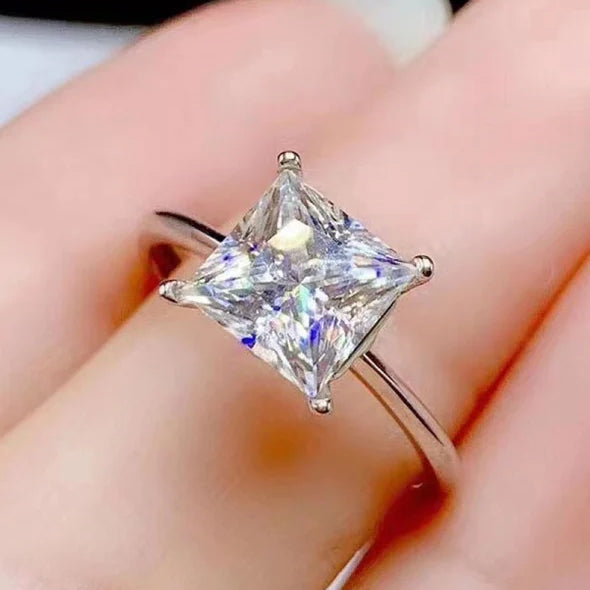
Complete Engagement Rings
Choose a ring with a diamond hand selected by a trained jeweler.

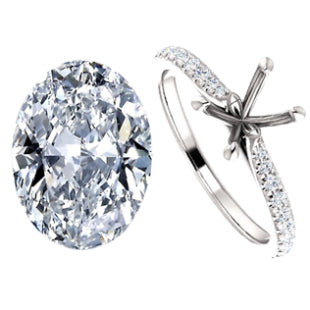

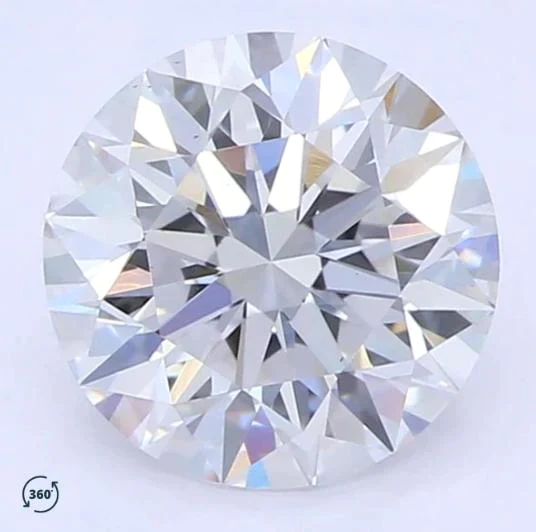
Loose Diamonds
Shop a huge selection of certified natural or lab-grown diamonds. On Sale Now!

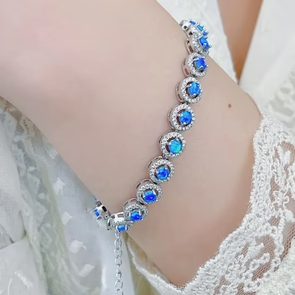
Fashion Jewelry
Fashion rings, necklaces, bracelets & earrings. Take your style to a new level.


Comments