
Buy the Natural Loose Diamonds First. The Setting Comes After.


There's a moment most people have standing in a jewelry store: they find something they almost love. The stone is right, but the setting is too generic. The setting has something to it but the stone feels like an afterthought. Buying a natural loose diamond flips that whole experience. You start with exactly the stone you want, in the cut that works for the way you dress, with the character you were actually looking for. The setting becomes a deliberate decision, not one you accept by default because it was the closest option in the case. That's the difference between wearing jewelry and wearing your jewelry.
Why the Natural Loose Diamond in a Display Case Wasn't Designed With You in Mind
Pre-set jewelry is built to sell at volume. Stores stock what moves, and what moves is what appeals to the broadest possible range of buyers. Rounds and cushions dominate because they're safe. Settings stay familiar because familiar gets the nod at the end of a thirty-minute visit. A natural loose diamond sitting in a grading envelope hasn't been constrained by any of that; no one has pre-decided what it should look like on a hand, what metal it should sit in, or what kind of person it's for.
When you walk into most jewelry stores, you're choosing between a handful of interpretations someone else made before you arrived. The range can feel wide until you realize how much was filtered out on your behalf before you even got there.
What Actually Opens Up When You Shop for a Natural Loose Diamond First
The shape conversation alone changes everything. Rounds are brilliant-cut and endlessly versatile, but once you're looking at loose stones, the full range is in front of you. Ovals elongate the finger and read quietly elegant. Emerald cuts have long open facets that reward high clarity and don't hide anything. Cushion cuts carry warmth and visual weight. Princess cuts feature sharp corners and clean geometry that read as contemporary. There are pear shapes, radiant cuts, marquise stones that date back centuries and still stand out as genuinely unusual on a hand. An asscher cut catches light in a completely different register than any of those. Hexagonal diamonds. A natural loose diamond in a step-cut style you've only ever seen on estate pieces. The inventory of what exists as loose stones is far wider than what ends up in display cases at most retailers, because display cases are stocked for general audiences, not for people with a specific vision.
The setting follows the stone. That reordering alone is worth a lot.
The Details That Decide Which Stone Is Actually Worth Buying
Quality carries more weight when the setting isn't doing any of the work. A stone in a simple solitaire or a clean bezel holds the entire visual weight of the ring. Selection should reflect that.
Start with stones that have independent documentation. GIA-certified diamonds come with reports from the Gemological Institute of America, which grades every stone against a consistent, auditable standard covering cut, color, clarity, and carat weight. Certified loose diamonds give you a paper trail you can actually read. You're buying the data alongside the stone, and that data is what makes a meaningful comparison possible. Most reputable sellers list the report number with the stone so you can pull the grading details independently before committing to anything.
The 4 Cs of a diamond explain why two stones with identical carat weights can look completely different and command very different price points. Loose diamond prices vary more than most buyers expect. A one-carat round at D/FL costs significantly more than a one-carat oval at G/VS2, and both can be stunning in the right setting. The question is which trade-offs fit your priorities, not which ones a retailer made for a finished piece months ago.
Provenance matters too. We work with conflict-free diamonds with clear, traceable sourcing. Untreated diamonds, meaning no heat treatment, no laser drilling, no clarity enhancement, hold their value and their integrity over time. Uncut diamonds have a place in certain design contexts, but for a finished ring, you want a stone that's been graded, cut to specification, and fully documented. When you buy loose diamonds online, transparent grading reports and a detailed filter system do the work that a case of finished pieces can't.
A Natural Loose Diamond That Was Never Going to Belong to Anyone Else
We built the process around this exact idea: the stone should drive every decision that follows. Choose your diamond, then choose a setting, then see the complete ring come together. That sequence is intentional. The clients who come to us with the clearest idea of what they want aren't starting from a finished piece. They're starting from a shape, a feeling, or a specific stone they saw and couldn't stop thinking about.
Some arrive knowing the cut and carat range down to the decimal. Others start with almost nothing except a pull toward one stone over another and build from there. Both work. What they share is that the result doesn't look like something pulled from a display case. It looks like something made for the person wearing it.
A natural, loose diamond commissioned into a custom setting is the version of the piece you reach for because it's yours. Not because it was the best available option behind glass.
Mikado Collection
Hand Crafted Engagement Rings, Loose Natural and Lab-Grown Diamonds and a Fashion Jewelry Collection of Rings, Necklaces, Bracelets, and Earrings.

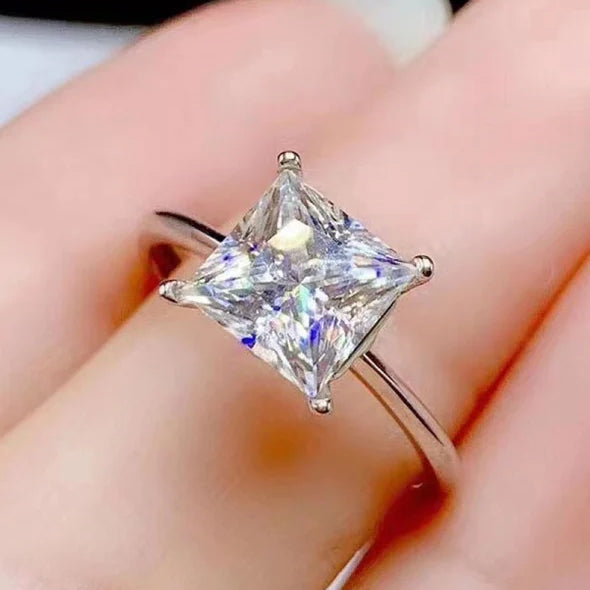
Complete Engagement Rings
Choose a ring with a diamond hand selected by a trained jeweler.

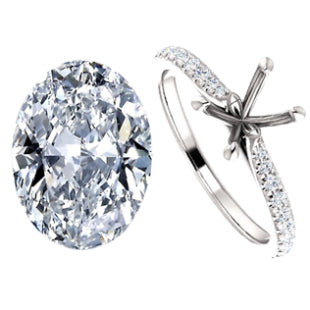

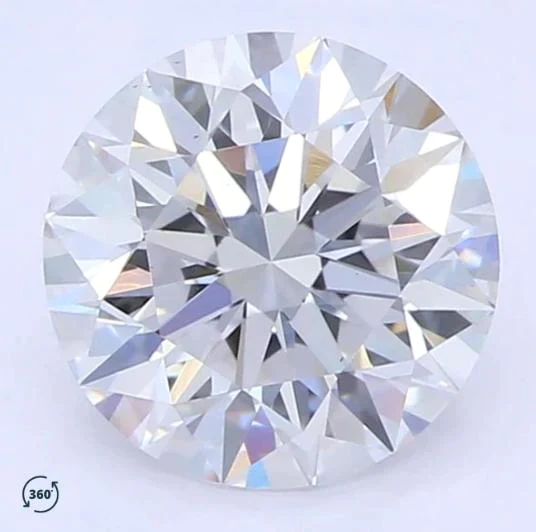
Loose Diamonds
Shop a huge selection of certified natural or lab-grown diamonds. On Sale Now!

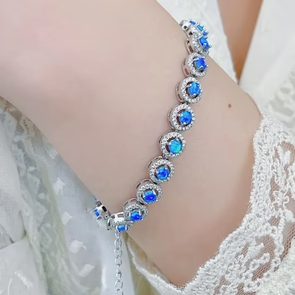
Fashion Jewelry
Fashion rings, necklaces, bracelets & earrings. Take your style to a new level.


Comments