
What Is VVS Moissanite? Clarity, Sparkle & Value Guide


VVS moissanite is an ultra-clear, lab-created gemstone with minimal visible flaws and intense diamond-like sparkle, at a fraction of the price. It’s one of the highest clarity grades available and a popular choice for shoppers seeking brilliance without the markup.
Key Things to Know About VVS Moissanite:
- “VVS” stands for “Very Very Slight” Inclusions; imperfections are nearly invisible under magnification
- Offers extremely high brilliance, often out-sparkling natural diamonds
- Higher clarity can improve resale potential and visual sharpness in step-cut stones
- Most shoppers can’t tell the difference between VVS and VS with the naked eye
- Cut matters more than clarity when it comes to sparkle, always prioritize cut first
At Mikado Diamonds, we help you cut through the clarity confusion and choose the stone that looks stunning, not just perfect on paper.
Keep reading to learn how VVS moissanite compares to diamonds, whether it’s worth the upgrade, and how to shop smart without overpaying.
How Is Moissanite Clarity Graded?

Unlike diamonds, moissanite isn’t graded by the GIA. Most clarity ratings come from independent labs using similar standards, but with less oversight and consistency.
That’s why you’ll see some brands call every stone “VVS,” even when it’s not independently verified.
Clarity grading uses magnification tools like a jeweler’s loupe to examine internal inclusions and surface blemishes.
Stones are graded on a scale similar to diamonds, which typically looks like this:
Moissanite Clarity Scale:
- Flawless (FL): No inclusions or blemishes under 10x magnification
- Internally Flawless (IF): No internal inclusions, only minor surface blemishes
- Very Very Slightly Included (VVS1, VVS2): Minute inclusions, difficult to detect under 10x
- Very Slightly Included (VS1, VS2): Small inclusions visible with effort under magnification
- Slightly Included (SI1, SI2): Noticeable inclusions under magnification, which might impact brilliance
- Included (I): Visible inclusions that may affect transparency and sparkle
VVS1 is slightly cleaner than VVS2, but both are exceptionally high on the clarity scale. For most shoppers, they’re functionally identical in appearance.
Moissanite vs Diamond: The Clarity Comparison
If you're torn between moissanite and diamonds, especially when it comes to clarity, you're not alone. Clarity is one of those specs that sounds technical but quickly turns emotional when you're choosing a stone that symbolizes forever.
Let’s break it down with what matters most: how the stone looks, how long it lasts, and how smart the spend really is.
Clarity Comparison Table
|
Stone Type |
Clarity Grade |
Eye-Visible Inclusions? |
Sparkle/Brilliance |
Avg. Cost (1–2ct) |
|
VVS Moissanite |
VVS1–VVS2 |
No (even under 10x) |
Extremely high (double refraction) |
$500–$1,000 |
|
VVS Diamond |
VVS1–VVS2 |
No |
High (single refraction) |
$7,000–$15,000+ |
|
VS/SI Moissanite |
VS1–SI1 |
No (VS), possibly minor (SI) |
Extremely high |
$300–$800 |
Note: Prices vary based on cut, carat, and brand.
Brilliance: Moissanite’s Fire Factor
One of the reasons moissanite is often mistaken for diamond is its insane sparkle. In fact, moissanite actually reflects more light than a diamond due to its double refraction.
That means fire (the rainbow flashes) and brilliance (the white sparkle) are more pronounced, especially in VVS clarity stones where no inclusions block the light path.
Durability: Daily Wearability
Diamonds are a 10 on the Mohs hardness scale. Moissanite comes in at 9.25, which means it’s incredibly durable for daily wear.
The difference? Unless you're using it to cut glass, you won't notice it. Both are highly scratch-resistant and tough enough for engagement rings.
So… Are Diamonds “Better” at VVS?
Not really. Diamonds may hold more traditional prestige, but when it comes to visual performance at high clarity levels, moissanite holds its own, sometimes even outshining diamonds.
Is VVS Moissanite Worth the Extra Cost?

Let’s be honest, when you’re shopping for a stone that symbolizes forever, you want it to be perfect. But perfection comes with a price, and the question is: Is VVS clarity worth it when most people can’t tell the difference?
The answer depends on your priorities, and we’ve helped enough clients at Mikado Diamonds to know there’s no one-size-fits-all.
The Case for VVS Clarity
- High Brilliance: With fewer internal inclusions, VVS stones allow for maximum light return, hello sparkle.
- Magnification Confidence: If you’re the type to inspect your stone up close (or know your partner will), VVS offers peace of mind.
- Resale/Heirloom Potential: Higher clarity can support long-term value in resale scenarios or if you’re passing it down.
When It’s Probably Overkill
- Most VS moissanite is already eye-clean. Over 90% of VS stones show no visible flaws unless you’re using a loupe.
- The brilliance difference is nearly impossible to spot with the naked eye, especially in brilliant-cut shapes.
- The upcharge for VVS often comes from marketing, not from a meaningful difference in real-world beauty.
When VVS Is Worth Considering
If you’re opting for a step-cut stone like emerald or Asscher, which shows everything, or going big, think 3 carats and up, VVS might be worth it for a cleaner, sharper look.
It can also make sense if the ring is an investment piece meant to be resold later.
But for most engagement ring shoppers? You can confidently go with VS clarity and put your savings toward a bolder cut or better setting, and the result will look just as stunning.
Common Misconceptions About VVS Moissanite
When you're making a big purchase like an engagement ring, it's easy to get overwhelmed by specs, marketing jargon, and half-truths floating around the internet.
Let’s clear the air on a few of the biggest myths we hear about VVS moissanite, so you can shop smart and confidently.
Myth #1: “VVS means flawless.”

Not quite. VVS stands for “Very Very Slightly Included,” which means the stone has tiny imperfections that are incredibly hard to spot, even under 10x magnification.
It’s a high clarity grade, no doubt, but it’s not the same as “Flawless” or “Internally Flawless.” And honestly? Those ultra-clean grades are more of a bragging right than a visual advantage.
Myth #2: “Higher clarity means more sparkle.”
Nope. Sparkle comes from the cut, not the clarity. You could have a flawless stone with a mediocre cut, and it won’t perform half as well as a VS stone that’s been cut to perfection.
At Mikado Diamonds, we always prioritize cut first, because that’s what creates the fire and brilliance people notice.
Myth #3: “Moissanite isn’t as durable as diamond.”
It’s true that diamonds are the hardest gemstone out there (10 on the Mohs scale), but moissanite is no slouch at 9.25. That makes it more durable than morganite, sapphires, emeralds, or virtually any other gem you'd wear every day.
It won’t scratch easily, and it’s more than tough enough for lifetime wear.
The bottom line? Don’t let myths guide your decision.
Stressing Over Specs? Mikado Can Help

Clarity grades, sparkle charts, resale potential, it’s easy to get lost in the weeds. But your engagement ring isn’t a spreadsheet. It’s a symbol. And you deserve to feel confident about the one you choose.
At Mikado Diamonds, we cut through the noise. No pressure. No jargon. Just clear, honest answers, and gorgeous stones to back them up.
👋 Book a virtual consultation with a diamond expert today. We’ll help you decide if VVS moissanite is the smart move, or if there’s a better way to maximize beauty without overspending.
Mikado Collection
Hand Crafted Engagement Rings, Loose Natural and Lab-Grown Diamonds and a Fashion Jewelry Collection of Rings, Necklaces, Bracelets, and Earrings.

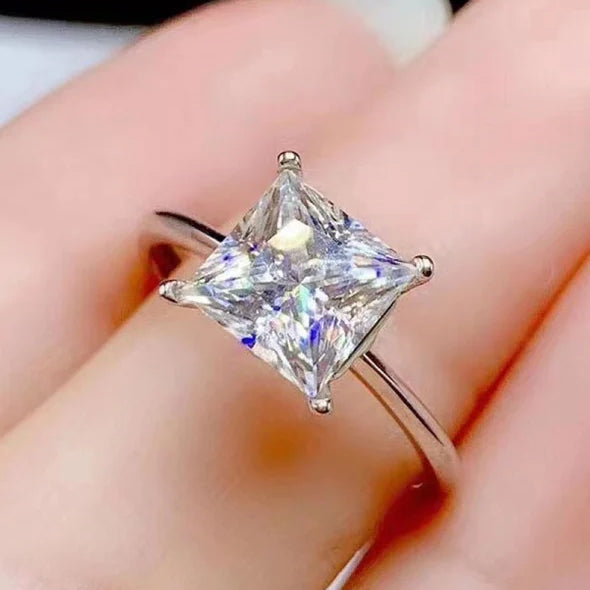
Complete Engagement Rings
Choose a ring with a diamond hand selected by a trained jeweler.


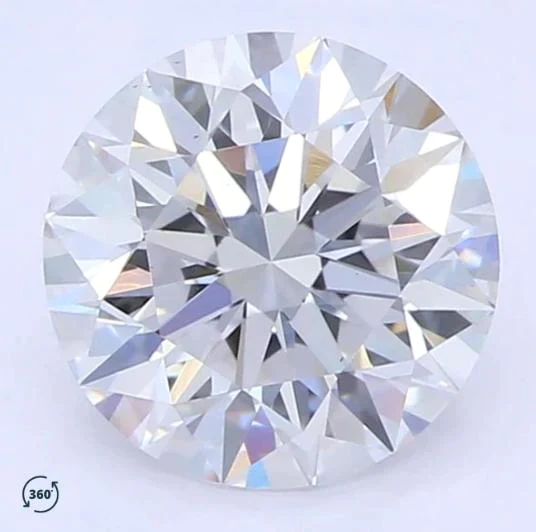
Loose Diamonds
Shop a huge selection of certified natural or lab-grown diamonds. On Sale Now!

Fashion Jewelry
Fashion rings, necklaces, bracelets & earrings. Take your style to a new level.


Comments