
What Is Platinum Jewelry? Why It Might Be Worth the Price


Platinum jewelry is made from one of the rarest, strongest, and most hypoallergenic precious metals. Naturally white, incredibly durable, and heavier than gold, platinum offers a premium feel and timeless elegance, ideal for engagement rings, wedding bands, and daily wear.
I’ve helped hundreds of couples design the ring of their dreams, and when the conversation turns to metals, platinum almost always comes up. Some people love it instantly.
Others are unsure. Is it really better than gold? Why does it cost more? Will it scratch? Is it too heavy? And is that “patina” a bug… or a feature?
Let’s clear things up.
Platinum 101: What It Is and Why It’s Different
If you’re comparing metals for an engagement ring or fine jewelry, here’s what makes platinum stand out:
- Naturally white and incredibly pure: Most platinum jewelry is 95% pure (look for “950 platinum” stamped inside the band). No heavy alloying like gold.
- Heavier than gold: You’ll feel the difference instantly, platinum has a distinct, weighty feel that signals quality and substance.
- Rich, cool-white color that won’t fade: Unlike white gold, platinum doesn’t need rhodium plating. Its brightness is built in, and it stays that way.
- Durability you can trust: Ideal for securing large or fancy-shaped diamonds. We often recommend it for clients who want their ring to hold up for the long haul.
- Hypoallergenic and nickel-free: Perfect for sensitive skin. Platinum is alloyed with iridium, ruthenium, or cobalt, no mystery metals, no irritation.
- Rare and timeless: All the platinum ever mined would barely fill one living room. That rarity adds to its allure, and its legacy.
If you want your ring to last generations, platinum is in a class of its own.
Platinum vs. Gold vs. White Gold vs. Silver: What’s the Real Difference?

When people first see platinum jewelry, they often say, “That looks just like white gold.” And to the untrained eye, they’re not wrong, at first. But how these metals look on day one and how they perform over the years?
That’s where things start to diverge.
Platinum vs. White Gold
White gold is essentially yellow gold that’s been mixed with white alloys (like nickel) and coated with a rhodium layer to give it a bright white shine.
It looks sharp at first. But that rhodium wears off. Eventually, you’ll start to see the yellow tones peek through, especially around the prongs and edges.
Maintenance is part of the deal. To keep that crisp white look, you’ll need to replate it every year or two.
Platinum doesn’t play that game. It’s naturally white. No coating. No fade.
And while it does develop a surface patina over time, a soft, satiny finish, that’s not wear and tear. That’s just how platinum evolves.
You can polish it back to a mirror shine anytime, but many of our clients actually prefer the aged look. It gives the ring character and tells a story.
Platinum vs. Yellow Gold
Now, if you’re comparing platinum to traditional yellow gold, the contrast is obvious. Yellow gold is warmer, softer, and much lighter.
It's also easier to work with, which makes it cheaper to produce, but also more prone to bending and thinning out over time.
Platinum, on the other hand, is tougher. The prongs don’t wear down as easily, which means your diamond is less likely to loosen with time.
That’s why I often recommend platinum to clients who are buying larger center stones or lab-grown diamonds with substantial carat weight.
Yes, the cost is higher upfront. But that cost isn’t just for the metal; it’s for the peace of mind that your ring will stand the test of time.
Platinum vs. Silver
Silver has its place, usually in fashion jewelry or starter pieces. But it’s not in the same league as platinum.
Silver tarnishes quickly. It’s reactive, soft, and loses its shine unless you baby it with regular cleaning and polishing. Platinum, by contrast, is incredibly dense and non-reactive.
You can wear it daily, through workouts, dishwashing, and even sleeping, and it’ll keep its structure. No flaking, no cracking, no dulling from oxidation.
The Benefits of Choosing Platinum Jewelry

Platinum has a distinct set of advantages that make it ideal for long-term, meaningful jewelry. Let’s walk through the biggest ones.
It’s Made to Last, Literally
Platinum doesn’t wear down like other metals. When it scratches, it doesn’t lose metal; it just moves it around. That’s called displacement.
The ring doesn’t thin out over time like gold can. For heirloom pieces, something you want to pass down 30 or 40 years from now, that makes a big difference.
Hypoallergenic and Safe for Sensitive Skin
Platinum is one of the safest metals you can wear on your skin. It’s nickel-free, which is a game-changer for anyone who’s ever broken out from earrings, rings, or necklaces.
I’ve had clients come in thinking they could never wear fine jewelry again, until they try on platinum. No itching, no redness, just comfort.
If you have sensitive skin or a history of metal allergies, this is a no-brainer.
“Is platinum really better for allergies, or just marketing fluff?”
It’s not fluff. It’s chemistry. Platinum’s purity (usually 95%) and non-reactive nature make it one of the most hypoallergenic materials in jewelry.
Your Diamond’s Best Friend
Platinum is strong. Its density makes it the best choice for prongs, especially when you’re working with a large center stone (3 carats or more).
We work with lab-grown diamonds every day, and many of them are sizeable. Platinum prongs give us peace of mind that those diamonds aren’t going anywhere.
It’s also visually neutral.
Platinum won’t reflect yellow tones into your diamond like yellow gold can, and it won’t tint the sparkle like some alloys in white gold. It lets your stone do all the talking, and that’s exactly what you want.
Timeless Look, Minimal Maintenance
Platinum doesn’t fade. Doesn’t tarnish. Doesn’t need to be re-plated. Over time, it develops what we call a patina, a soft, frosted finish that many people love.
It’s subtle. Understated. A sign your ring is living with you.
And if you ever want that high-gloss showroom shine again? A quick professional polish brings it right back.
When Is Platinum the Right Choice?

Platinum isn’t always the default choice, but when it fits, it really fits. Here’s when I recommend it most often to clients at Mikado Diamonds.
You Want an Heirloom
If you’re creating a ring that’s meant to be passed down or worn every day for decades, platinum’s durability makes it ideal.
It won’t wear thin or fade, and it ages gracefully with its signature patina.
You’re Getting a Large Diamond (3ct+)
When you’re investing in a big stone, especially one of our 3+ carat lab-grown diamonds, security matters. Platinum prongs are stronger and hold their shape better than gold.
That means less risk of loosening over time. For large or fancy-shaped stones (like kite, lozenge, or radiant cuts), platinum offers peace of mind.
You Have Sensitive Skin
Platinum is hypoallergenic and nickel-free. If gold alloys have irritated your skin in the past, this is the safer bet.
Many of our clients come to us specifically because they’ve struggled with rashes or discomfort in other metals.
You’re Redesigning or Upgrading
Whether you’re refreshing a wedding ring or turning an old setting into something new, platinum is a popular choice for “second chapter” pieces.
It symbolizes strength, longevity, and love that evolves, something we hear often in our upgrade consultations.
Platinum Maintenance: What to Expect
One of the best things about platinum? It’s low maintenance, but not no maintenance.
Because platinum is such a dense, strong metal, it holds up beautifully to daily wear. That said, it can scratch softer metals. So it’s smart to store your platinum ring separately from other jewelry.
A fabric-lined box or soft pouch works perfectly.
Over time, platinum develops a soft, matte patina. It’s not damage, it’s just how the metal naturally ages. If you ever miss the high-polish shine, a professional jeweler (like us) can restore it with a quick buff.
You don’t need to replate it like white gold, and it won’t tarnish like silver. Still, I recommend removing it when lifting weights, doing heavy yardwork, or anything that might cause direct impact.
It’s tough, but it’s still fine jewelry, and taking care of it ensures it’ll look just as good on your 30th anniversary as it did the day you proposed.
How to Tell if It’s Real Platinum
With how similar white gold and platinum can look at first glance, it’s important to know what you’re really buying.
1. Check the Stamp
Genuine platinum jewelry will always be marked. Look for:
- PT or PLAT
- 950 (meaning 95% pure platinum)
- 900 (90% platinum, less common but still legit)
If there’s no stamp at all, that’s a red flag.
2. Feel the Weight
Platinum is dense, about 60% heavier than 14k gold. If two rings look similar but one feels noticeably more substantial, you’re likely holding platinum.
Many of our clients at Mikado are surprised by this at first, then end up loving the solid, luxurious feel.
3. Still Not Sure? Get It Tested
Any reputable jeweler can verify the metal using industry-standard tests. Better to double-check now than wonder later.
Ready to Go Platinum?

Whether you’re designing an engagement ring, upgrading a wedding band, or exploring heirloom-worthy options, platinum gives you strength, style, and peace of mind that lasts.
- Book a free virtual consultation, and we’ll help you decide if platinum is right for your ring and your life.
- Explore our custom ring process to see how we turn your vision into something rare, beautiful, and built to last.
Because timeless love deserves timeless metal.
Mikado Collection
Hand Crafted Engagement Rings, Loose Natural and Lab-Grown Diamonds and a Fashion Jewelry Collection of Rings, Necklaces, Bracelets, and Earrings.

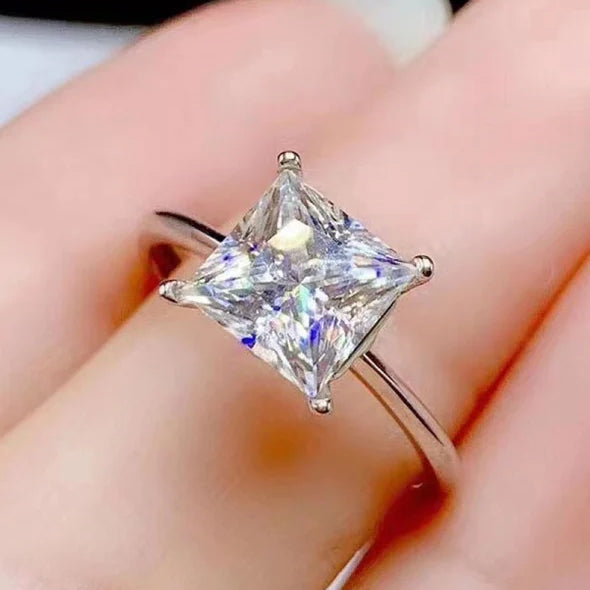
Complete Engagement Rings
Choose a ring with a diamond hand selected by a trained jeweler.


Loose Diamonds
Shop a huge selection of certified natural or lab-grown diamonds. On Sale Now!

Fashion Jewelry
Fashion rings, necklaces, bracelets & earrings. Take your style to a new level.


Comments