
How Are Pink and Yellow Lab-Grown Diamonds Made?


At Mikado Diamonds, two of the most common questions we hear about fancy color stones are simple: where does the color actually come from, and is it real?
Pink and yellow lab-grown diamonds have become some of the most requested stones in our collection, and for good reason. They deliver the saturated, eye-catching hues that once carried six- and seven-figure price tags in the natural market, at a fraction of the cost. But the color isn't painted on, coated, or faked. It comes from the same atomic-level processes that create color in mined diamonds. Here's exactly how it happens.
What Makes a Diamond "Fancy Colored" in the First Place?
A diamond is pure carbon arranged in a rigid crystal lattice. When that lattice is perfect and undisturbed, the diamond is colorless. Color appears when something interrupts that perfection, either a trace element slipping into the structure or a physical distortion in the lattice itself. These interruptions change how the diamond absorbs and reflects light, and your eye reads the result as yellow, pink, blue, or any other fancy color.
This is true whether a diamond forms over a billion years underground or over a few weeks in a laboratory. The difference with lab-grown diamonds is that we can guide those conditions deliberately rather than leaving them to chance, which is why we can offer consistent, repeatable color across our pink lab-grown diamonds and yellow lab-grown diamonds.
The Two Ways Lab-Grown Diamonds Are Created
Before we get to color, it helps to understand how the diamond itself is grown. There are two methods used across the industry.
HPHT (High Pressure, High Temperature) recreates the conditions found deep in the earth. A small diamond seed is placed in a chamber with a carbon source, then subjected to pressures above 870,000 pounds per square inch and temperatures over 2,500°F. The carbon dissolves and crystallizes onto the seed, building a larger diamond layer by layer.
CVD (Chemical Vapor Deposition) takes a different route. A diamond seed sits in a sealed chamber filled with carbon-rich gases like methane. The gas is energized into a plasma, and carbon atoms rain down onto the seed, growing the crystal upward over time.
Both methods produce genuine diamonds with the same hardness, brilliance, and chemical makeup as mined stones. The growth method, along with what happens during and after growth, is what determines the final color.
How Yellow Lab-Grown Diamonds Get Their Color
Yellow is the more straightforward of the two, and it comes down to a single element: nitrogen.
Nitrogen sits right next to carbon on the periodic table, and its atoms are close enough in size to slip into the diamond's crystal lattice during growth. Once embedded, nitrogen absorbs light from the blue end of the spectrum. The light that passes through and reflects back is what remains, and that warm, golden tone is what we recognize as a yellow diamond.
When we grow yellow lab diamonds, nitrogen is introduced into the growth environment in controlled amounts. More nitrogen, more saturation. By dialing that level up or down, the result can range from a soft, buttery canary all the way to the deep, glowing tones our customers know as Fancy Intense and Fancy Vivid Yellow. Because we control the nitrogen precisely, the color stays consistent and even throughout the stone, something that's far harder to guarantee with naturally formed yellow diamonds.
This is also why yellow diamonds were historically one of the more "available" fancy colors in nature: nitrogen is the most common impurity in diamonds, period. Lab growth simply lets us harness that chemistry on purpose.
How Pink Lab-Grown Diamonds Get Their Color
Pink is where the science gets genuinely fascinating. Unlike yellow, pink color does not come from a single trace element. There is no "pink atom" you can add to a diamond.
Instead, pink comes from a physical distortion in the crystal lattice. When the orderly rows of carbon atoms are shifted or strained, they create what scientists call color centers, microscopic structural changes that absorb green light and reflect pink and red tones back to the eye. In natural pink diamonds, this distortion happens through immense geological pressure deep in the earth, which is part of why natural pinks are so extraordinarily rare and expensive.
In the lab, we achieve the same effect through carefully controlled conditions. A diamond is grown, often through CVD, and then refined under precise high-pressure, high-temperature treatment and related processing that encourages those color centers to form. The result is a stable, permanent pink hue that runs through the entire stone, not a surface coating or temporary effect. The pink in our diamonds will not fade or wear off; it's built into the diamond's structure for the life of the stone.
This process is why pink lab-grown diamonds represent such remarkable value. They give you the romantic, blush-to-vivid color that natural pinks are celebrated for, with the same internal brilliance and durability, but without the rarity premium that puts natural pink diamonds out of reach for most buyers.
Are Pink and Yellow Lab-Grown Diamonds Real Diamonds?
Yes, completely. This is the point we want every customer to walk away understanding. A lab-grown diamond is a real diamond, chemically, physically, and optically identical to one mined from the ground. It is graded on the same color, clarity, cut, and carat scales, and the fancy color stones we sell come with independent certification confirming their color grade.
The color in a pink or yellow lab diamond is just as authentic as the color in any natural fancy diamond. The only meaningful difference is the timeline and the price. What takes the earth a billion years and a great deal of luck, we can accomplish with precision in a matter of weeks, and pass the savings on to you.
Choosing the Right Fancy Color Diamond
Whether you're drawn to the sunny warmth of yellow or the romance of pink, the most important factors are color saturation, shape, and how the stone looks in person. Our team hand-selects every fancy color diamond for clean crystal structure, even color distribution, and strong brilliance.
You can browse our full selection of loose lab-grown diamonds, explore ready-made lab-grown diamond engagement rings, or learn more about diamond quality in our education center. And if you'd like guidance choosing the perfect stone, we invite you to book a free virtual consultation with one of our diamond experts. We'll help you find a pink or yellow diamond that's as brilliant as the moment it's meant for.
Mikado Collection
Hand Crafted Engagement Rings, Loose Natural and Lab-Grown Diamonds and a Fashion Jewelry Collection of Rings, Necklaces, Bracelets, and Earrings.

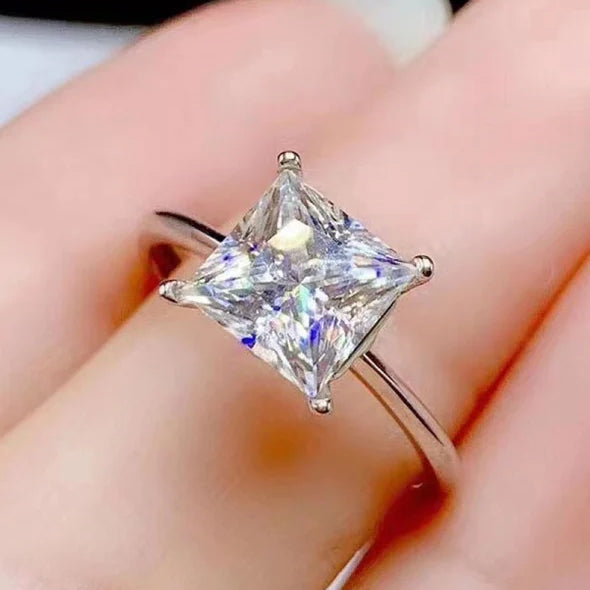
Complete Engagement Rings
Choose a ring with a diamond hand selected by a trained jeweler.

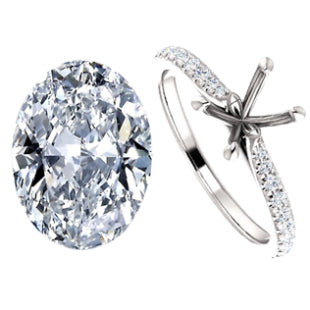

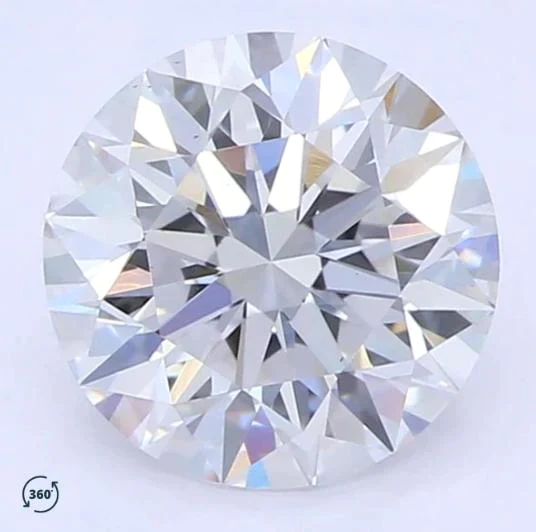
Loose Diamonds
Shop a huge selection of certified natural or lab-grown diamonds. On Sale Now!

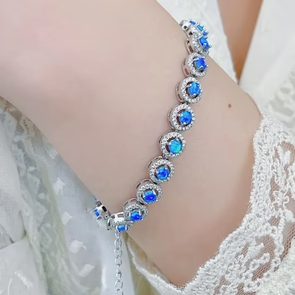
Fashion Jewelry
Fashion rings, necklaces, bracelets & earrings. Take your style to a new level.


Comments