
Best Engagement Rings for Active Lifestyles


The best engagement rings for active lifestyles combine low-profile settings, secure stones, and durable metals. Think bezel or flush settings, round or oval cuts, and tough bands like platinum or 14K gold.
Yes, you can have beauty and durability, and wear it every day, stress-free.
If you’re constantly on the move, lifting weights, scrubbing in, hiking trails, or juggling everything at once, your ring shouldn’t slow you down or cause worry.
The right engagement ring should feel like part of you: secure, comfortable, and stunning.
We design rings that live with you. From custom low-profile halos in yellow gold to protective bezel settings that never compromise on sparkle, we’ve helped countless couples create rings they can confidently wear through real life.
Want to know what actually works for everyday wear?
We’ll walk you through the best ring settings, materials, and designs built for people who do more than just sit still.
The Best Engagement Rings for Active Lifestyles (That You’ll Actually Want to Wear Every Day)

Let’s be honest.
Most engagement rings weren’t designed for real-world wear. They were made to sparkle in still photos, not survive a CrossFit class, a night shift, or a weekend camping trip.
If your daily routine involves anything more intense than sipping wine and scrolling, you’ll quickly run into problems with conventional ring designs:
-
High-set stones snag on gloves, hair, pockets, and gear. Whether you’re pulling on scrubs or strapping into a climbing harness, that elevated center stone becomes a liability, not a luxury.
-
Delicate prongs bend or loosen under pressure. One bump against a countertop or barbell and suddenly your diamond isn’t so secure.
-
Sharp corners chip easily, especially on cuts like princess or marquise. Those pointed tips may look edgy, but they’re prone to cracking under even modest stress.
-
Soft metals like 18K gold dent, scratch, and warp. They may glow in the showroom, but daily wear quickly reveals their vulnerability.
And here’s the emotional side of it.
Many people don’t want to take their ring off. They feel emotionally tethered to it. But traditional designs almost force them to, because wearing them 24/7 just isn’t practical.
That tension between meaningful and manageable is exactly what this guide is here to solve.
What Makes a Ring “Active-Lifestyle Friendly”?
An active-lifestyle ring isn’t just “durable”, it’s thoughtfully designed to minimize stress, resist damage, and stay beautiful no matter how you live.
From the setting and shape to the metal itself, every element matters when your ring has to keep up with your life.
Low-Profile Settings That Stay Out of the Way
The first and most critical factor?
Height.
A ring that sits high on your finger is more likely to catch, snag, or slam into things. That’s why low-profile settings are the go-to for people who live with their hands.
-
Bezel settings fully or partially encircle the diamond in metal, offering unmatched protection while keeping the ring sleek and unobtrusive.
-
Flush and gypsy settings place the stone into the band itself, reducing height and eliminating snag points altogether.
-
Floating bezels are a popular hybrid; they leave the diamond visible from the sides while still keeping it secure and low.
-
Cathedral settings can work if properly reinforced and set low, but they require extra care and expert craftsmanship to avoid catching on gloves or fabric.
We’ve seen countless clients regret choosing high-set prongs early on, only to come back for something more practical. When in doubt, go lower.
Secure Stone Shapes That Won’t Chip or Catch
You can have a stunning diamond that doesn’t put you on edge every time it taps against the countertop. The key is to choose shapes that distribute stress evenly and avoid vulnerable tips.
-
Round, cushion, and oval cuts are the most durable options. They’re smooth, snag-resistant, and better at absorbing daily wear without damage.
-
Sharp-cornered shapes like princess or marquise cuts look edgy, but they’re prone to chips and cracks, especially if you work with your hands.
And here’s the thing.
If you already know you’re “rough on things,” you don’t need to compromise on beauty; you just need to set yourself up for success with a stone that can take a hit.
Durable Metals That Hold Up
Not all metals are created equal. When it comes to an engagement ring that can survive workouts, travel, and everything in between, durability starts with the band.
-
Platinum is the top choice for strength and resilience. It’s naturally hypoallergenic, doesn’t thin out over time, and holds up under pressure.
-
14K gold hits the sweet spot, stronger than 18K thanks to a higher alloy content, while still beautiful and classic.
-
Titanium and tungsten are extremely tough, but be cautious: they’re nearly impossible to cut off in emergencies, which can be risky for medical professionals or athletes.
If you’re unsure which metal is best for you, our Mikado team can walk you through real-life pros and cons, not just the marketing fluff.
Best Ring Styles for People Who Use Their Hands

If you’re in scrubs, gloves, chalk dust, or a climbing harness on a regular basis, you need a ring that’s not just “beautiful”.
You need one that’s built for real movement. These styles aren’t just tough; they’re smart, stylish, and ready for whatever your day throws at you.
Bezel Set Rings (The MVP of Active Lifestyles)
When clients ask me what setting I recommend for someone who works with their hands, my answer is simple: bezel.
-
A full bezel wraps the diamond in metal, sealing off the edges and creating a sleek, smooth silhouette with nothing to snag or chip.
-
A half bezel leaves some of the stone exposed for more light and sparkle, while still offering strong side protection.
Halo Rings with a Twist
You might not expect halo settings to work for active wearers, but when done right, a low-set halo adds both style and protection.
-
Instead of elevating the center stone, we keep the profile low and surround it with smaller diamonds that act like a cushion.
-
It’s a win-win: you get eye-catching sparkle and a layer of impact protection.
Many of our Mikado clients opt for hidden halos or flat-top halos in yellow gold, which combine a warm, vintage feel with serious practicality.
Split Shank Designs for Extra Stability
Don’t underestimate the power of engineering. Split shank bands are a subtle design tweak that adds real functional value:
-
The split design helps distribute stress across the band more evenly, minimizing metal fatigue or bending over time.
-
Visually, it adds an elegant flair that balances out the ring’s structure.
We’ve found that couples who want something strong but still refined love this design.
It supports larger stones without needing a bulky band and helps the ring feel grounded and secure on your finger.
How to Choose Materials That Match Your Lifestyle

Style is just one side of the story; materials are the unsung heroes of long-term wearability.
Whether you’re ring shopping for the first time or rethinking a past decision, choosing the right stone and metal combo can make all the difference between a ring you love… and a ring you’re constantly worried about.
Diamonds vs. Moissanite vs. Sapphires
Let’s talk stones. Here’s what’s worth knowing if you want brilliance and durability:
-
Diamonds are the hardest natural material on earth, but they’re not invincible. Even diamonds can chip, especially at points and corners. Stick with round or oval cuts if you want the most resilience.
-
Moissanite is a lab-grown gem that ranks just below diamond in hardness. It’s bright, fire-filled, and significantly more affordable, making it a great choice if you want to go big without the fear.
-
Sapphires (yes, including white sapphires) are extremely durable and come in a range of rich colors. They’re perfect for someone who wants a non-diamond option with personality and toughness.
We’ve had clients who initially went for softer stones like opal or morganite purely for aesthetics, only to later return with regrets.
For an active lifestyle, hardness and structure aren’t just nice to have; they’re essential.
Platinum vs. Gold vs. Alternative Metals
Your ring’s band takes a daily beating, so the right metal choice matters more than most people realize.
-
Platinum is dense, heavy, and resistant to scratching. It also holds its shape better over time and won’t thin out the way softer metals can. Bonus: it’s hypoallergenic, making it a safe pick for sensitive skin.
-
14K gold (not 18K) hits the sweet spot between beauty and durability. The higher alloy content in 14K makes it harder and more resilient, ideal for daily wear, especially in active settings.
-
Silicone may sound like a runner-up, but it’s a top-tier option for gym days, hiking trips, hospital work, or travel. More and more of our clients now order a second silicone band to wear when they don’t want to risk their primary ring.
One important note: metals like tungsten and titanium are strong but nearly impossible to cut off in emergencies.
If you work in a hospital or high-risk environment, opt for something safer like platinum or silicone.
Ring Care Tips for the Active and Always-On

Even the most durable ring needs a little TLC. Here’s how to make sure yours stays brilliant, secure, and problem-free:
-
Clean it weekly with warm water, a soft brush, and gentle soap. Sweat, lotion, and dirt build up fast, especially for hands-on wearers.
-
Remove your ring during high-impact sports, climbing, or heavy lifting. We’re all for daily wear, but safety comes first.
-
Get your setting professionally checked every 6 months. Whether it’s prongs, bezels, or channel-set stones, regular inspections can prevent problems before they start.
-
Store it safely when you’re not wearing it. Even a tough ring deserves a break. Use a padded jewelry case or ring dish to keep it secure.
Think of your ring like a favorite pair of boots; it can go everywhere with you, as long as you give it the right care along the way.
Should You Get a Second Ring for Work or Travel?
If you’re still hesitant about wearing your main ring to work or on rugged adventures, you’re not overthinking it. In fact, many active couples now opt for two rings: one for the moment, and one for the mission.
-
A traditional engagement ring with a bezel or low-profile setting covers your everyday needs, but for gym days, hospital rounds, camping trips, or beach vacations, a silicone band is often the smarter, safer call.
-
And let’s be real: silicone rings are stylish now. You’ll find them in seasonal colors, metallic finishes, and even stackable sets that feel more like fashion than fallback.
This isn’t about replacing your engagement ring; it’s about having options. One for sentiment. One for sweat.
The Best Ring for Your Lifestyle Is the One You’ll Actually Wear
The truth is simple. A ring isn’t meaningful if you’re afraid to wear it.
Looks matter, but so do comfort, durability, and peace of mind. With the right setting, stone shape, and metal, you can design a ring that’s both stunning and secure.
You don’t need to sacrifice sparkle for strength. We help you craft a piece you’ll be proud to wear, not just on special occasions, but every day you live your life.
Your ring should move with you, not against you. Ready to design yours? Let’s make it happen. Book a consultation now.
FAQ

We hear these questions all the time from couples designing rings at Mikado, and frankly, most jewelry blogs don’t give them the attention they deserve.
So let’s clear the air on a few things that actually matter in everyday wear:
Can I wear my engagement ring while lifting weights?
You can, but it depends on the design.
Rings with ultra-low profiles and reinforced settings can sometimes withstand weightlifting, especially with protective gloves.
But for heavy lifting sessions or CrossFit? A silicone band is safer and stress-free. Save the real ring for after the gym.
Will bezel settings make my diamond look smaller?
This one comes up constantly. The truth? A well-crafted bezel can enhance your diamond’s appearance.
It adds visual definition and can make the stone pop, especially with a high-quality cut. Plus, the tradeoff in security is 100% worth it if you’re living hands-on.
What ring can I wear 24/7, including in the shower?
If you’re set on a 24/7 ring, look for flush or bezel-set stones in platinum. These styles are the least likely to snag or suffer damage. That said, even the toughest rings deserve a break now and then. Soap buildup and chemicals can still take a toll over time.
Can I have a big ring and still be active?
Absolutely, if it’s designed smart. We’ve built stunning 2–3 carat oval diamonds in low-set bezels that our clients wear daily without a second thought.
The key is in the engineering: a sleek profile, durable band, and balanced setting go a long way.
What about metal allergies?
If you’ve got sensitive skin, platinum is your best friend.
It’s naturally hypoallergenic and doesn’t contain nickel or mixed alloys that cause irritation. Medical-grade titanium is another solid option. Just be cautious of emergency removal limitations if you’re in a hands-on field.
Mikado Collection
Hand Crafted Engagement Rings, Loose Natural and Lab-Grown Diamonds and a Fashion Jewelry Collection of Rings, Necklaces, Bracelets, and Earrings.

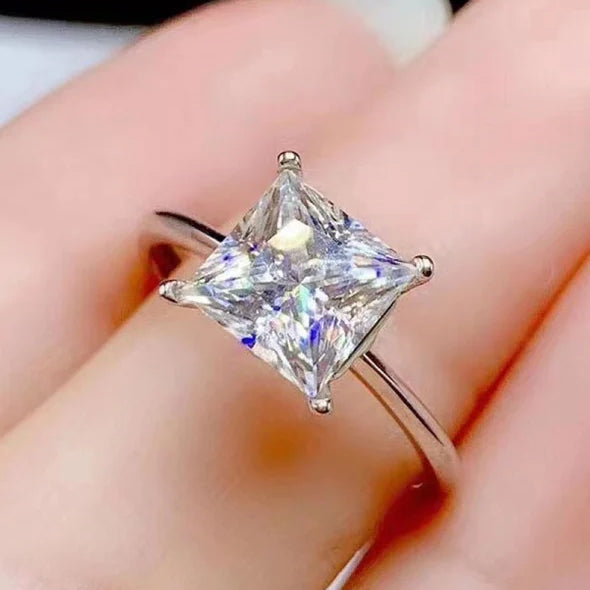
Complete Engagement Rings
Choose a ring with a diamond hand selected by a trained jeweler.

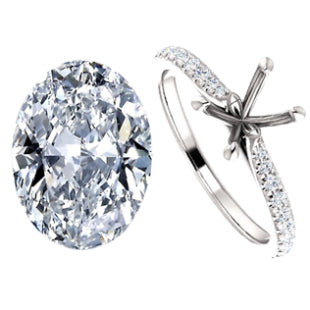

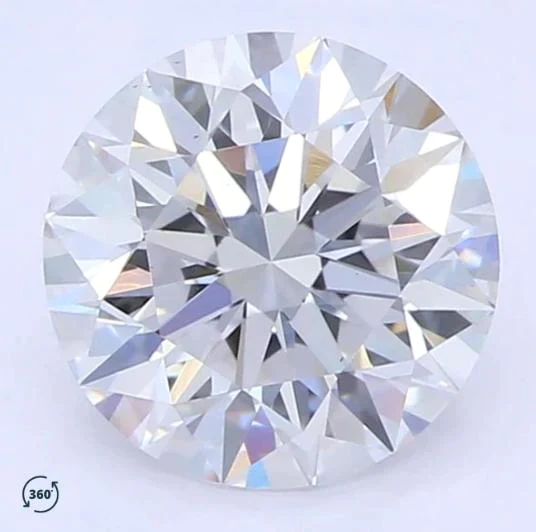
Loose Diamonds
Shop a huge selection of certified natural or lab-grown diamonds. On Sale Now!

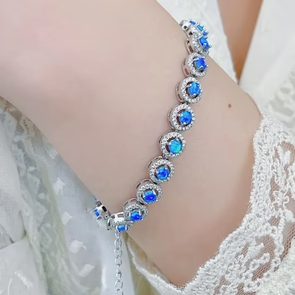
Fashion Jewelry
Fashion rings, necklaces, bracelets & earrings. Take your style to a new level.


Comments