
Are Diamonds Durable? The Truth About Chips & Cracks


Yes, diamonds are hard, but that doesn’t mean they’re unbreakable. In this no-fluff guide, I’ll show you what “durable” really means, how diamonds hold up in real life, and how to choose one that lasts (without falling for industry myths).
Durability isn’t just about scratch resistance; it’s a mix of hardness, toughness, and stability. And while diamonds top the Mohs scale, they’re not immune to chips, cracks, or sudden damage if hit at the wrong angle.
I’ve seen diamonds survive toddlers and honeymoons, and I’ve seen them break during ring setting. The difference? Knowledge, cut, and the right setting.
We design every engagement ring with real life in mind. That means educating our clients on how different shapes, settings, and even lab-grown options affect long-term durability, because a ring shouldn’t just sparkle, it should last.
Want the full breakdown? Keep reading.
First, What Does “Durable” Actually Mean in the Jewelry World?

When people hear “diamonds are the hardest material on earth,” they often assume that means they’re indestructible. Not quite. In the jewelry world, durability isn’t just about hardness; it’s a combination of hardness, toughness, and stability.
-
Hardness refers to a gem’s resistance to scratches. Diamonds score a perfect 10 on the Mohs scale, meaning nothing can scratch a diamond, except another diamond.
-
Toughness is how well a gem can handle impact without breaking or chipping. Here’s the twist: diamonds are hard, but not particularly tough.
-
Stability measures how well a gem withstands heat and chemicals. Thankfully, diamonds are stable under most everyday conditions.
Why a 10 on the Mohs Scale Isn’t the Whole Story
The Mohs scale is often misunderstood. Yes, diamonds rank at the top, but the scale isn’t linear. A diamond isn’t just a little harder than a ruby (Mohs 9), it’s many times harder.
But that says nothing about how easily it might break if you whack it on the edge of your kitchen counter.
For comparison, jadeite jade, which scores a 6–7 on the Mohs scale, is significantly tougher than diamond. You can drop jade on the floor, and it might bounce.
Drop a diamond just right, and it might chip or even cleave along one of its natural fault lines.
“How Can a ‘Forever’ Stone Crack in Year One?”
It’s a fair question.
I’ve had clients come in stunned after their diamond chipped within months. The reality is, a “forever” stone doesn’t mean it’s immune to physics.
Diamonds are forever in terms of scratch resistance and sparkle, but they still require smart design and care.
That’s why we don’t just talk sparkle, we talk structure. We walk you through setting styles, ring height, and even stone shape. So, you’re not just buying a diamond, you’re building one that’s made to last.
Can Diamonds Really Chip or Break? Unfortunately, Yes

Let’s get one thing straight: yes, diamonds can absolutely chip or break. While they’re the hardest natural material on earth, that hardness doesn’t protect them from impact. Why?
It all comes down to their crystal structure.
The Truth About Cleavage Planes
Diamonds are made of tightly bonded carbon atoms arranged in a cubic crystal structure.
This gives them unmatched hardness, but it also creates cleavage planes, which are natural fault lines within the diamond.
If a sharp force hits one of these planes just right (think dropping your ring on tile or knocking it against granite), it can chip, crack, or even split the stone.
Diamond cutters actually rely on these cleavage planes to shape diamonds.
So, if trained professionals use them to break diamonds deliberately, it’s no stretch to imagine that an accidental impact can do the same.
Real-Life Ways Diamonds Get Damaged
I’ve seen it all:
-
A ring slips off during a workout and hits the dumbbell rack, chip.
-
A client slams their hand on a granite countertop, cracks.
-
Someone catches the edge of their ring on a metal railing, cleaving.
They’re accidents where real-life moments of beauty met physics, and physics won.
Fancy Shapes = Fancy Problems
Shapes like marquise, princess, and pear may look stunning, but their pointed edges are more exposed and structurally vulnerable. These tips are the first to take the hit and the most likely to chip.
That’s why I always recommend protective settings like V-prongs or bezels, especially if the ring will be worn every day.
Lab-Grown vs. Natural Diamonds: Is One More Durable?

Let’s settle this up front.
Lab-grown and natural diamonds are chemically and physically identical, which means they’re equally durable. Both score a 10 on the Mohs scale, both have the same cleavage planes, and both can chip under impact.
Durability doesn’t depend on how a diamond was formed; it depends on how it’s cut, set, and worn.
Why Lab-Grown Diamonds May Have a Slight Edge in Real Life
Here’s where things get interesting.
Lab-grown diamonds often have fewer inclusions, particularly in higher-grade stones. That means fewer internal stress points that can lead to chips or cracks if the diamond is struck.
In our experience at Mikado, many clients who go for 3 to 5 carat lab-grown diamonds are pleasantly surprised by how resilient they are, especially when paired with a smart setting.
We recently worked with a couple who chose a 4.2ct oval lab diamond for a custom ring. After a full year, including travel, toddler chaos, and daily wear, it's still flawless. The key?
It was eye-clean, well-cut, and set low with protective prongs.
How Diamonds Compare to Other Stones for Daily Wear

If you’re wondering whether diamonds are the most durable gemstone for everyday wear, the answer is, kind of. They’re the hardest, yes, but not the toughest.
Moissanite: The Quiet Contender
Moissanite ranks lower on the Mohs scale (9.25) but actually outperforms diamond in toughness, meaning it resists breaking and chipping better. If you’re someone who works with your hands or wants a low-maintenance option, moissanite can be a solid alternative.
Gorgeous, But Handle With Care: Emeralds, Opals, Morganite
These stones may be beautiful, but they’re far less durable. Emeralds are known for inclusions that can weaken their structure. Opals are sensitive to water and temperature changes.
Morganite may scratch or dull with daily wear. These are better suited for occasional wear or protective settings.
So, Why Do Diamonds Still Dominate?
Despite their chipping potential, diamonds are still the top choice for engagement rings because:
-
They won’t scratch like softer stones
-
They hold their sparkle with minimal effort
-
They look stunning in every shape and size
Plus, with the right design and education, you can drastically reduce the risk of damage.
Your Setting Can Make or Break It
Even the most flawless diamond won’t stand a chance if the setting doesn’t protect it.
Bezel vs. Prong: The Real Difference
Prong settings showcase more of the diamond, but they leave edges, especially on fancy cuts, exposed. Bezel settings wrap the stone in a rim of metal, offering better impact resistance.
We often recommend bezel or low-set prong designs for larger diamonds and everyday wearers.
Size and Daily Wear
Our clients buying 3+ carat lab diamonds often ask: “Is this too big for daily wear?” The answer depends on the setting.
That’s why we build secure, low-profile mounts that hug the finger and reduce snagging or blunt-force damage. Style doesn’t have to come at the expense of safety.
Check Your Prongs, Seriously
Over time, prongs can loosen. That’s how a perfectly secure diamond ends up bouncing across a parking lot.
We recommend checking your prongs yearly (or after any hard knocks) to catch issues early.
“Will I Ruin My Diamond Just by Wearing It Every Day?”
Not if it’s set right. Not if it’s inspected now and then. And definitely not if you understand what your diamond can handle.
You don’t need to baby it, you just need to know it. And that’s something we walk every Mikado client through from day one.
7 Mistakes That Lead to Chipped Diamonds

Diamonds might be the hardest substance on earth, but that doesn’t mean they’re immune to daily life. Here are the most common (and preventable) ways people damage their rings:
1. Wearing It to the Gym or While Lifting Groceries
Your ring wasn’t made to deadlift. Even a slight knock against a dumbbell, barbell, or shopping cart handle can hit your diamond at just the wrong angle.
That’s especially risky for stones with pointed corners like marquise or princess cuts.
Pro tip: If you’re hitting the gym, leave the ring at home, or switch to a silicone band for workouts.
2. Using Ultrasonic Cleaners Without a Pro Check
Ultrasonic cleaners are great at shaking off grime, but they can also shake loose stones right out of weak prongs.
If your ring hasn’t been professionally checked recently, you could end up damaging more than just dirt.
3. Choosing High-Set Prongs on Pointed Shapes
We all love the floating look of a high-set diamond. But that elevated profile exposes vulnerable edges, especially in fancy cuts. A single bump into a door frame or kitchen counter could mean a chipped tip.
We help clients balance elegance and security, often favoring low, claw-style prongs for added protection.
4. Storing It Loose With Other Jewelry
Diamond vs. diamond is never a fair fight; something’s getting scratched. And your setting?
It’s no match for another stone’s sharp edge. Always store your ring in its own pouch or compartment to avoid unnecessary friction.
5. Ignoring Routine Inspections
Most people wait until something goes wrong to get their ring checked. That’s like skipping oil changes and wondering why the engine failed.
We recommend an annual inspection, or sooner if your ring has had any impact.
6. Choosing Based on Price, Not Cut Quality
Two diamonds might share the same carat, color, and clarity, but one might have better proportions, fewer stress points, and stronger structure.
When people chase the lowest price, they often sacrifice durability without realizing it.
Cut isn’t just about sparkle; it’s also about structural integrity.
7. Not Insuring the Ring
If your diamond chips, cracks, or gets lost, you’ll be glad you had insurance. It’s a small cost for peace of mind, especially when your ring represents something irreplaceable.
Here, we’ll walk you through all these pitfalls before you buy. Because a diamond isn’t just a purchase, it’s a partnership. And we want it to last just as long as the love it represents.
How to Choose a Durable Diamond (That Doesn’t Stress You Out)

You shouldn’t need a gemology degree to buy a ring that holds up in real life. Here’s how to choose a diamond that’s not just beautiful, but built to last.
What to Look for in a GIA Report
The GIA report is your diamond’s resume, but not every stat tells the full story. Don’t just focus on color and clarity. Look closely at:
-
Cut grade: A well-cut diamond distributes stress more evenly and sparkles better.
-
Inclusion type and location: Surface-reaching feathers or cracks near the edges? Those are red flags for chipping.
-
Fluorescence: Usually harmless, but strong fluorescence combined with structural flaws might reduce durability.
Cut Over Clarity, Every Time
Clarity sounds important, but a VS1 diamond with a poor cut is more vulnerable than an SI1 that’s beautifully proportioned. A great cut:
-
Minimizes fragile points
-
Enhances structural integrity
-
Maximizes light performance (aka sparkle)
Mikado’s Approach to Minimizing Durability Risks
We don’t just hand you a GIA report and wish you luck. We walk you through:
-
How that specific diamond looks under magnification
-
What kind of setting protects its weak points
-
Whether that stone actually makes sense for your lifestyle
We’ve saved plenty of clients from overpaying for a “perfect” diamond that would’ve chipped within a year.
Diamonds Are Durable, But They’re Not Indestructible

Diamonds are the hardest natural material on earth, but that doesn’t mean they’re invincible. Hardness protects against scratches, not chips, cracks, or blunt force.
The good news?
When you understand the difference and make smart choices around cut, clarity, setting, and maintenance, your diamond can stand the test of time.
We combine education with custom designs that protect your investment and reflect your story. Whether it’s a lab-grown or a natural diamond, we’ll help you build a ring that lasts for generations, without the stress, gimmicks, or showroom pressure.
Book a consultation or explore our most secure settings.
FAQ
“Do lab-grown diamonds degrade faster?”
No. Lab-grown diamonds don’t yellow, cloud, or break down over time. They’re just as permanent as mined stones, same structure, same performance.
“Are clarity-enhanced diamonds weaker?”
Good question. Clarity-enhanced diamonds have been treated to minimize visible flaws. The core structure is still diamond, but those enhancements can be sensitive to high heat or pressure (like during resizing).
That’s why we always review clarity-enhanced options with extra care at Mikado. If it’s not a smart long-term choice, we’ll tell you.
“Can a ring crack just from dropping it?”
Unfortunately, yes, especially if it lands on a hard surface and strikes a vulnerable edge.
“Why does my diamond have a line across it?”
That could be a fracture along a cleavage plane or an inclusion that’s worsened with impact.
“Is it fake if it chipped that easily?”
Nope. A chipped diamond isn’t fake; it’s just physics. Even the real deal has its limits.
Mikado Collection
Hand Crafted Engagement Rings, Loose Natural and Lab-Grown Diamonds and a Fashion Jewelry Collection of Rings, Necklaces, Bracelets, and Earrings.

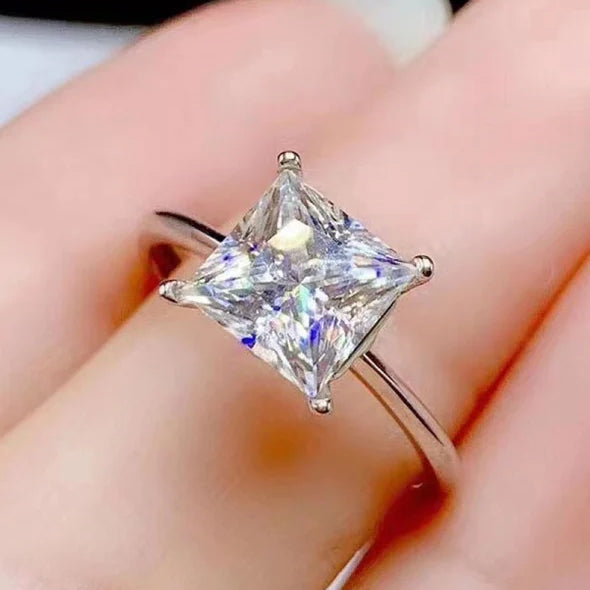
Complete Engagement Rings
Choose a ring with a diamond hand selected by a trained jeweler.


Loose Diamonds
Shop a huge selection of certified natural or lab-grown diamonds. On Sale Now!

Fashion Jewelry
Fashion rings, necklaces, bracelets & earrings. Take your style to a new level.


Comments