
Guide to Engagement Ring Prong Styles & Options


Prong styles shape how your ring looks, sparkles, and wears over time. From 4-prong to 6-prong, claw to tab, the right style balances beauty and durability, and knowing the difference can save you from regret later.
Quick Takeaways:
- 4-prong vs 6-prong: 4-prongs show off more diamond, 6-prongs add extra security, especially for 3+ carat stones.
- Style matters: Claw prongs feel sleek and modern; round and tab prongs offer more vintage or bold vibes.
- Height changes everything: High-set prongs look dramatic but catch on everything. Low prongs are better for everyday wear.
- Diamond shape dictates prong type: V-tip prongs protect sharp corners on pear, princess, and marquise cuts.
- Prongs impact sparkle: Thicker prongs can block light. Slimmer ones make the stone pop.
- Material matters too: Platinum offers strength, white gold can enhance color contrast for yellow gold bands.
- They wear down: Daily wear leads to friction. Annual checkups can prevent costly repairs.
At Mikado Diamonds, we don’t treat prongs like an afterthought. Whether you're choosing from one of our pre-designed settings or going fully custom, we make sure the prong style fits your diamond, your lifestyle, and your priorities.
Not sure which style suits you best? Keep reading, you’ll see how tiny tweaks to prong shape, spacing, or height can completely transform your ring.
What Prongs Actually Do
Prongs are the tiny metal arms that hold your diamond in place. But they do more than just secure the stone, they shape how your ring looks, sparkles, and wears over time. Most customers think prongs are just “part of the setting,” but the truth is, they deserve as much attention as the diamond itself.
The right prong style can:
- Make your diamond look bigger or smaller.
- Let in more or less light (which changes sparkle).
- Impact how easily the ring snags or scratches.
- Change the entire visual vibe of the ring, from delicate to bold.
This is why we take time to walk clients through prong choices during the custom design process. It’s not just technical, it’s personal.
4-Prong vs 6-Prong: What You’re Really Choosing
We get this question constantly: “Should I get four or six prongs?”
Here’s the honest breakdown:
4-Prong:
- Exposes more of the diamond.
- Creates a more open, modern look.
- Lets in more light = more sparkle.
- Works well for everyday wear on smaller stones.
6-Prong:
- Adds extra security, great for active lifestyles or larger diamonds (3+ carats).
- Emphasizes roundness for round cuts.
- Can feel more traditional and balanced.
Some people feel four prongs are “less safe,” but a well-made 4-prong setting is secure. Still, if the diamond is large or you're hard on your hands, six prongs bring peace of mind. At Mikado, we often recommend six or even eight prongs for our lab-grown diamonds over 3 carats, not because they're fragile, but because they're heavier and more valuable.
How Prong Style Affects the Diamond’s Look

This is where things get fun, and where most people don’t realize how much style is packed into those tiny claws.
- Claw Prongs: Pointed, sleek, and popular for their minimal coverage. Petite claw prongs are a top request at Mikado, they disappear into the background and let the diamond take over.
- Round Prongs: Traditional, timeless, and slightly bulkier. They’re more visible but can add a vintage charm.
- Tab Prongs: Square-tipped, rarely seen, but striking in the right design. Brides who love Art Deco or something offbeat tend to go for these.
- Double Prongs: Two slender prongs per corner, great for larger stones or if you want a more refined look without adding bulk.
What surprises clients most? Changing the prong shape can completely shift how the ring feels. A cushion-cut diamond with claw prongs feels airy and modern. The same diamond with square tab prongs leans architectural and vintage.
We preview these changes in CAD so you can feel confident in what you're choosing.
Lifestyle Matters: High vs Low Prongs
One of the most common regrets we hear from clients who come to us after buying elsewhere? “The prongs are too tall, it catches on everything.”
High-set prongs make the diamond look like it’s floating. They also:
- Catch on clothes, hair, gloves.
- Risk scratching kids (yes, new moms notice).
- Make the ring harder to wear every day.
Low-set prongs solve those problems. They’re closer to the finger, less dramatic, but much safer for daily wear.
We design prong height based on real life. If you're a nurse, hairstylist, or someone constantly using your hands, we’ll recommend low rounded prongs. Want drama and you don’t mind the occasional snag? We’ll go higher.
Diamond Shape Dictates the Right Prong

Not every diamond works with every prong style. One of the biggest mistakes we see? Using basic round prongs on shapes that need real protection.
- Princess, pear, and marquise cuts need V-tip prongs to protect the pointed edges. Otherwise, you’re risking chips or breakage.
- Round and oval diamonds can take almost any prong style, but claw and petite claw prongs show them off best.
- Emerald and Asscher cuts benefit from prongs that frame corners without overwhelming the clean lines.
At Mikado, we won’t just “make it work.” We’ll recommend the safest and most flattering prong style for your exact stone. If you’re unsure, we’ll show you CAD renderings of each option side-by-side. No guessing. No pressure.

Absolutely, and this surprises a lot of people. Prongs don’t just hold the diamond; they control how much light gets in and how much of the diamond is visible.
We’ve had clients come in thinking their diamond was flawed, when it was just buried under thick, bulky prongs. At Mikado, we adjust prong width and spacing in the CAD stage so your diamond actually looks like the size (and sparkle) you paid for.
Metal Matters: What to Know About Prong Material
Prongs are usually made from the same metal as the band… but not always. And sometimes that’s a problem.
Here’s what we recommend:
- Platinum is strong, durable, and great for securing large or valuable stones.
- 14k or 18k gold offers more warmth and flexibility, but wears down faster than platinum over time.
- For yellow gold bands, we often use white gold prongs to make the diamond appear whiter from the top view. That little visual trick can make an H or I color diamond look like a D.
One thing to avoid? Mismatched metal tones that weren’t intentional. We've seen yellow gold bands with brassy prong heads that throw off the whole look. We keep a consistent finish so your ring looks cohesive, not cobbled together.
How Lab-Grown Diamonds Impact Prong Style

Lab-grown diamonds are a big part of what we do at Mikado, and they’ve changed how we think about prongs.
Because you can get a larger, higher-quality stone for the same price as a smaller mined diamond, we often see clients choosing 3-carat or even 5-carat lab-grown stones. That’s a lot of sparkle, and a lot more weight sitting in the setting.
This changes a few things:
- Heavier stones need more security. We typically recommend 6 or even 8 prongs for lab-grown diamonds over 3 carats. Not because the stones are less durable, but because the added size increases leverage and makes the setting more vulnerable if the prongs are too minimal.
- Claw prongs + lab-grown = max sparkle. Most lab-grown diamonds are cut to very high standards, and slim claw prongs let that precision shine. Bulky or rounded prongs can dull the effect, especially on brilliant cuts.
- We adjust prong design to match carat weight. We don’t just drop a large stone into a standard head. Whether you go custom or choose a setting from our site, we make sure the prongs are scaled and spaced for your diamond. It’s the difference between “technically works” and “built to last.”
If you're considering a lab-grown diamond, your prongs aren't just structural, they're strategic. They frame the stone and keep it safe without stealing the spotlight.
How to Spot Prongs That Need Repair (Before It’s Too Late)
Prongs wear down. It’s not a flaw, it’s friction. But most people don’t notice until it’s too late and the stone is gone.
What to watch for:
- A prong that feels sharp or rough = it’s thinning.
- A stone that moves when tapped = prong tension is failing.
- A visible gap between prong and stone = it’s lifting.
At Mikado, we design for longevity, but even the best-made prongs should be checked annually if you wear your ring daily. It’s one of the first things we talk about when clients ask how to keep their ring looking perfect for 10+ years.
Prongs in Custom Rings: Why We Sweat the Details

You’d be surprised how many “custom” rings still use generic, pre-made prong heads. That’s not how we work.
Every custom Mikado ring starts from scratch, and prongs are part of that design. Clients often ask us to:
- Slim down bulky prongs that hide the diamond.
- Polish claw tips for a softer look.
- Match prong curves to the diamond’s exact shape.
We even create digital previews showing how different prong styles affect your stone’s visibility and shape. For clients shopping virtually, this is where most of the magic happens. You see everything before we cast a single gram of gold.
Can You Mix Prong Styles? Yes, If You Know What You’re Doing
We’ve had clients ask: “Can I use claw prongs for the center diamond and round prongs for the side stones?” Or “Can I have tab prongs but add V-tips to the corners?” Short answer: Yes. But it takes finesse.
Here’s our philosophy: Every design decision should have a reason. We’ve mixed styles when:
- The center stone needs one style for protection, and the design flow calls for a different look on the sides.
- A vintage-style ring benefits from tab prongs on the center and claw prongs on the halo for contrast.
- A marquise diamond requires V-tips, but the client prefers claw prongs for the other corners.
The key is balance. We’ll show you mockups of how it all fits together so the ring feels cohesive, not chaotic.
Shared Prongs, Hidden Halos, and Fancy Band Designs
When people think of prongs, they usually picture the ones holding the center stone, but side stones matter just as much.
Shared prongs are common in eternity bands and pavé styles. They reduce metal bulk and let the diamonds take center stage. But we don’t take shortcuts, at Mikado, even shared prongs are reinforced for security.
That’s especially critical with lab-grown melee (the small diamonds on the band), which often sparkle brighter and deserve proper framing.
We’re also seeing more hidden halo designs paired with petite claw prongs. This combo gives you all the sparkle without metal clutter, and from the top view, it looks like your diamond is floating.
Every band we design, halo or solitaire, plain or pavé, gets matched with prongs that balance function, beauty, and security. That’s what makes the ring feel whole.
Resizing a Ring with Prongs: What You Should Know
Yes, we can resize rings with prongs. But it’s not a free pass to change sizes often.
Here’s why: resizing affects the ring’s tension, especially near the prongs. If not done carefully, it can loosen the stone or distort the prong angles.
That’s why we recommend:
- Getting the size as accurate as possible upfront (we’ll help with that).
- Checking prong integrity after any resizing, especially for platinum, which can shift subtly.
For major changes (2+ sizes up or down), we may suggest remaking the band to keep everything aligned. It’s about longevity, not shortcuts.
The Long-Term Reality: Do Prongs Hold Up?

If you wear your ring daily, which most of our clients do, your prongs will eventually wear down. Not all at once, not catastrophically, but gradually.
Here’s what happens over time:
- Metal thins out, especially at the tips.
- Prongs flatten slightly, reducing grip on the stone.
- Everyday tasks, hand washing, typing, lifting, add micro-friction.
This isn’t a scare tactic. It’s just physics.
At Mikado, we build prongs to last and use metal weights appropriate for your diamond’s size and shape. Still, we suggest an annual check-in. We’ve seen ten-year-old rings come back still perfect, and others need a tune-up after five. It depends on the wearer.
Do Prong Styles Go Out of Fashion?
Some do. Some don’t. What we’re seeing now:
- Petite claw prongs are very much in.
- Heavy, round prongs feel dated unless you’re going full vintage.
- Hidden halos and clean prong lines are leading the modern aesthetic.
- Tab prongs are quietly making a comeback for clients who want that architectural edge.
That said, our best advice is always this: trends fade, but comfort and personal taste don’t. Choose what makes your diamond look right to you. Choose what fits your life. Choose what you’ll love now and in ten years.
We’ll guide you toward designs that aren’t just stylish, but timeless in your context.
Get the Prongs Right, and Everything Else Falls Into Place

There’s no such thing as a one-size-fits-all prong. What works for a round lab-grown solitaire in white gold might be all wrong for a three-stone emerald cut in yellow gold. And the best prong style for someone who types all day won’t suit a hairstylist who works with her hands.
That’s why at Mikado Diamonds, we don’t just “set the stone.” We help you shape every part of the ring to your life, starting with the smallest details, like prongs.
This isn’t about chasing trends or mimicking a Pinterest photo. It’s about building something that fits your story, lasts decades, and actually makes your diamond look its best.
If you’re unsure about your options, or just want a second set of eyes on your ideas, we’d be happy to walk you through it.
Book a free consultation and let’s design a ring that works just as beautifully in real life as it does in your head.
No pressure. Just the guidance I wish I’d had when I started.
Mikado Collection
Hand Crafted Engagement Rings, Loose Natural and Lab-Grown Diamonds and a Fashion Jewelry Collection of Rings, Necklaces, Bracelets, and Earrings.

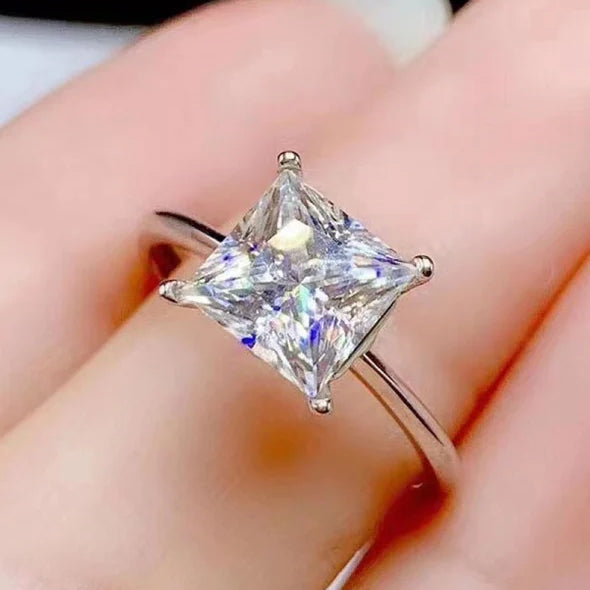
Complete Engagement Rings
Choose a ring with a diamond hand selected by a trained jeweler.

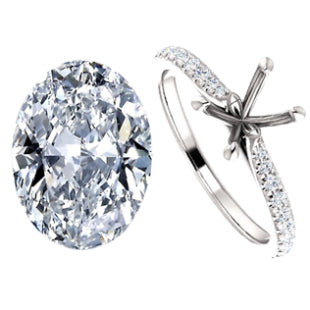

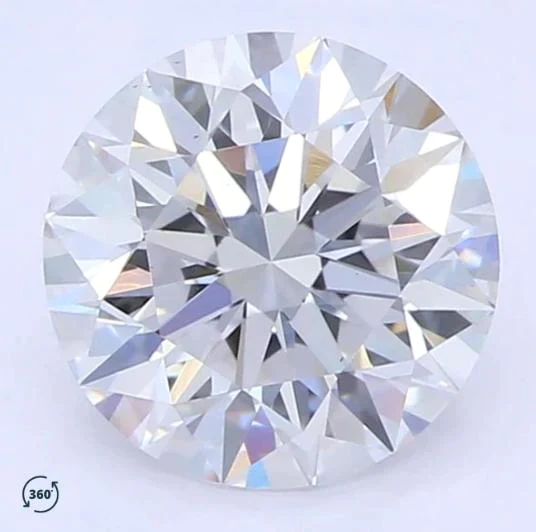
Loose Diamonds
Shop a huge selection of certified natural or lab-grown diamonds. On Sale Now!

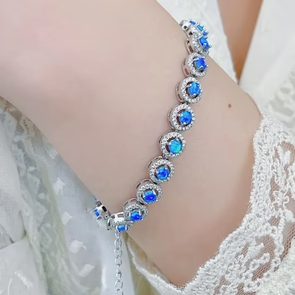
Fashion Jewelry
Fashion rings, necklaces, bracelets & earrings. Take your style to a new level.


Comments