
Cathedral vs Basket Setting: Which Ring Style is Better?


Cathedral settings lift your diamond with elegant arches, adding height and sparkle, while basket settings cradle it low for comfort and durability. Each has its strengths. Your lifestyle, diamond shape, and personal style all play into which one fits you best.
Quick Takeaways:
- Cathedral settings elevate the diamond for maximum brilliance and a dramatic look.
- Basket settings keep the stone low, secure, and snag-free, perfect for daily wear.
- Cathedrals are easier to clean and great for fancy shapes like marquise or kite.
- Baskets offer better protection for fragile stones and are ideal for hands-on lifestyles.
- Cathedral settings catch more light, making diamonds look larger and brighter.
- Basket settings block more light but can be paired with hidden halos or pavé for added sparkle.
- Hybrid designs (cathedral + basket) offer the best of both: height and security.
- Step-cut diamonds typically benefit more from cathedral settings due to their need for extra light.
We don’t believe in one-size-fits-all. At Mikado Diamonds, we help you choose a setting based on your real life, not just your Pinterest board. Whether you want the sparkle of cathedral, the sturdiness of basket, or a hybrid of both, we’ll walk you through every option and show you CAD previews so you know exactly what you’re getting. No pressure, no guesswork, just smart, beautiful design.
Curious which setting fits your diamond, your hand, and your day-to-day life? Keep reading, we’ll break it all down with real examples and honest insights.
What Is a Cathedral Setting?

In a cathedral setting, the center stone is lifted above the band by two elegant arches of metal that rise from each side. It's like placing your diamond on a pedestal, visually powerful, architecturally striking, and perfect for those who want their ring to feel like a crown.
We often recommend cathedral settings for clients looking to maximize brilliance. The elevated position allows light to hit the diamond from more angles, especially if you're working with a well-cut brilliant shape like an oval, radiant, or round. And if you’re going with yellow gold, that extra lift helps counterbalance the warmth of the metal, letting your diamond shine white and bright.
It’s also a go-to for fancy shapes like kite, lozenge, or marquise, designs that already play with angles and symmetry. Cathedral arches enhance that drama and make your finger look longer, which a lot of our clients love.
That said, this setting style isn't for everyone. The higher profile means you’ll want to be a bit more mindful. It can catch on sleeves or bump into things if you're active. And yes, the diamond is more exposed from the sides, which adds to the sparkle, but also to the risk of chipping if struck just right. That’s why we often advise clients to take it off during workouts or hands-on work.
What Is a Basket Setting?

Basket settings take a different approach. Instead of lifting the stone up and away, they cradle it securely with a horizontal metal band around the base, like a woven nest holding a gem. It’s subtle. It’s sturdy. And it’s one of the safest ways to set a diamond.
This design keeps the diamond lower to your finger, which makes it less likely to catch on things or take a hit. For clients who plan to wear their ring 24/7, nurses, teachers, new parents, basket settings are a smart move.
They also come in a variety of prong styles: four, six, double claw, V-prongs, and more. If you're going with a colored stone, moissanite, or even a step cut like emerald or Asscher, the basket provides that extra peace of mind, especially since those shapes can be more fragile at the corners.
One thing to know: because the basket wraps the base of the diamond, it does block some light from entering the pavilion.
If you’re using a brilliant cut, that’s not a big deal. But with step cuts, or diamonds that aren’t well cut to begin with, it can dull things a bit. We sometimes compensate by adding sparkle elsewhere: a hidden halo, pavé band, or accented gallery can all help bring the light back in.
Lab-Grown Diamonds: What to Know When Choosing a Setting

If you’re going with a lab-grown diamond, the setting matters more than you might think. Since lab-grown stones offer more size and quality for the price, most clients end up choosing diamonds that are bigger than what they initially expected.
That extra size changes how the ring needs to function.
- Larger stones need stronger settings. A 3 to 5 carat lab-grown diamond can shine beautifully in a cathedral setting, but the structure has to be solid. That’s why we often suggest hybrid settings with cathedral arches for sparkle and a basket base underneath for added support.
- Basket settings add daily-wear comfort. If you’re a hands-on person or plan to wear your ring all day every day, a lower-profile basket setting keeps the diamond safer. It sits closer to the finger, is less likely to snag, and is easier to wear without worry.
- You can still get big sparkle in a low setting. With lab-grown stones, even a lower basket setting can be upgraded visually by adding a hidden halo, a pavé band, or accent details under the stone. These touches bring back the brilliance without sacrificing security.
- Step cuts benefit from cathedral lift. Step-cut diamonds like emerald or Asscher reflect long flashes instead of glitter. They need more light exposure to shine, which is why we often pair them with cathedral settings to maximize their effect.
Choosing a lab-grown diamond opens the door to more possibilities, but it also means your setting needs to be carefully matched to your stone. We’re here to help you find that balance between beauty, safety, and long-term comfort.
Sparkle and Brilliance: Which One Wins?
Let’s cut to the chase: if your top priority is maximum sparkle, the cathedral setting usually wins.
Why? Because when a diamond is lifted up, more light hits it from all directions. That extra exposure makes brilliant cuts look 10–20% larger to the eye, especially in sunlight or under spotlights. It also means you can get a slightly smaller carat weight and still get that "wow" factor, which many of our value-focused clients appreciate.
Basket settings, by contrast, sit lower. That lower profile means less light hits the stone from the sides, and more of the pavilion is covered.
It’s not a dealbreaker, but it does mean cut quality becomes even more critical. A well-cut round or oval still sparkles beautifully in a basket. A mediocre step cut? Not so much.
If you’re choosing a step cut like emerald or Asscher, cathedral settings can really help. Those cuts already have fewer facets and rely on big flashes rather than sparkle. More light = more fire. Simple as that.
Height and Hand Feel
Cathedral rings make a statement, there’s no denying that. The height lifts the diamond above the finger, creating a sense of drama and presence. That’s amazing for photos, formal events, or just those moments when you catch your ring in the mirror.
But some clients say cathedral settings feel too tall for everyday wear, especially on smaller hands. They can knock against things. They can feel more “in the way.” If you’re someone who rarely wears jewelry or wants something ultra-smooth and subtle, that extra height may not be the best fit.
Basket settings stay close to the skin. That’s part of why they’re so popular for engagement rings that double as daily wear. They don’t shout. They whisper. And for many clients, that’s exactly the vibe they’re going for, especially when paired with a hidden halo or a custom pavé band that adds sparkle without bulk.
Maintenance and Cleaning

One of the most overlooked, but very real, differences between cathedral and basket settings is maintenance.
Cathedral settings are easier to clean at home. The open arches don’t trap as much debris, and there’s plenty of space to get in with a soft cloth or toothbrush. A quick soak in warm water with dish soap and you’re usually good to go.
Basket settings, on the other hand, can be a bit of a dirt magnet. The crevices around the basket, especially underneath the stone, tend to collect gunk over time, hand soap, lotion, pocket lint, you name it.
For this reason, we recommend having basket-set rings professionally cleaned once or twice a year. It's not a dealbreaker, but something worth factoring in if you’re not someone who wants to fuss over your ring.
We’ve had plenty of clients choose cathedral settings simply because they prefer that low-maintenance lifestyle, especially parents with little ones or people always on the go. A ring that’s easy to clean is a ring you’ll enjoy more.
Customization and Design Options
Both settings offer room to get creative, but they do it differently.
Cathedral settings open up design space along the arches. You can line them with pavé diamonds, add milgrain details, or even incorporate colored accent stones that complement your center diamond.
Some clients choose dual-tone metals, yellow gold arches over a white gold band, to add subtle contrast and draw the eye up toward the stone.
Basket settings, while more compact, allow for intricate gallery work underneath the stone. Think French cut details, hidden halos, or delicate scrollwork visible only when the ring is tilted. These small flourishes create that “hidden luxury” effect, a little something extra just for you.
We’ve also built hybrid styles that combine both: cathedral arches to lift the diamond and a basket base to protect it. That combo works beautifully on larger lab-grown diamonds (3+ carats), giving you the sparkle and structure in one seamless design.
Want Help Deciding?

We’d love to hear what you’re thinking. Whether you know exactly what you want or feel completely overwhelmed, we’re happy to walk through options, sketch out ideas, or even show you what a custom ring could look like with your favorite setting style.
At Mikado Diamonds, we don’t believe in pushy sales tactics. We believe in helping you create a ring that feels like yours, sparkling in the ways that matter most to you.
Want to explore cathedral, basket, or hybrid options?
Book a custom ring consultation and we’ll guide you through the process, one step at a time.
Because choosing a setting isn’t just about how it looks, it’s about how it lives with you.
FAQ
What’s the Best Setting for Step-Cut Diamonds?
Step cuts, emerald, Asscher, baguette, are all about elegance, not sparkle. They shine in a totally different way, with long, linear flashes instead of glittery fire. But because they have fewer facets, they need more light to really perform.
That’s why we often steer step-cut lovers toward cathedral settings. Lifting the stone up allows more light to enter from all sides, giving those hall-of-mirrors facets a better chance to shine.
Now, if you’re pairing a step cut with a basket setting, it’s not a dealbreaker, but you’ll want to make sure the diamond is top-notch. Cut quality becomes extra critical, and we usually suggest adding side stones or a pavé band to help boost the overall sparkle factor.
As always, we’ll walk you through the best options based on your diamond and your lifestyle. That’s part of the Mikado experience, helping you see all the trade-offs before you commit.
Which Setting Is Right for You?
If you’ve made it this far, you already know there’s no one-size-fits-all answer.
Cathedral settings give you lift, light, and drama. They’re ideal for sparkle lovers, fancy shapes, and anyone who wants their ring to turn heads.
Basket settings offer low-key strength. They’re the everyday workhorse, quietly protecting your diamond while still looking beautifully crafted and timeless.
And then there’s the middle path: a hybrid design that blends both, giving you the sparkle of elevation with the security of a well-built basket. That’s something we specialize in at Mikado Diamonds, and it’s one of the reasons so many clients come to us for custom work.
Whatever you’re leaning toward, we’re here to help you figure it out, not with pressure, but with clarity.
Can You Combine Cathedral and Basket Settings?
Absolutely. And we do it all the time.
At Mikado, one of our most requested features is a cathedral ring with a basket base. You get the elevated arches that showcase the diamond and increase light exposure, plus the security of a horizontal metal band holding the stone in place. It’s an elegant, practical fusion that solves the sparkle vs. safety debate.
This hybrid is especially popular with lab-grown diamonds in the 2.5 to 5-carat range, stones that deserve both protection and spotlight. It’s also a favorite for clients choosing softer stones like moissanite or colored gems, where a basket adds that extra peace of mind.
So yes, you can have both, and often, you should.
Are Basket Settings Only for Round Diamonds?
Definitely not. Basket settings can accommodate almost any diamond shape, oval, cushion, emerald, pear, and even fancy cuts like kite or hexagon. What matters is how the prongs and the basket are designed to match the stone’s shape and structure.
That said, round brilliants tend to dominate the basket-setting world because they’re the most popular cut overall. But if you’ve got your eye on something unique, like a lozenge or marquise, we can absolutely design a basket setting that fits perfectly, and still brings out the personality of the stone.
In fact, many of our clients go basket because they want something nontraditional.
The structure allows us to add hidden details or secure slightly softer stones like moissanite or colored diamonds, which can require more careful setting work.
Mikado Collection
Hand Crafted Engagement Rings, Loose Natural and Lab-Grown Diamonds and a Fashion Jewelry Collection of Rings, Necklaces, Bracelets, and Earrings.

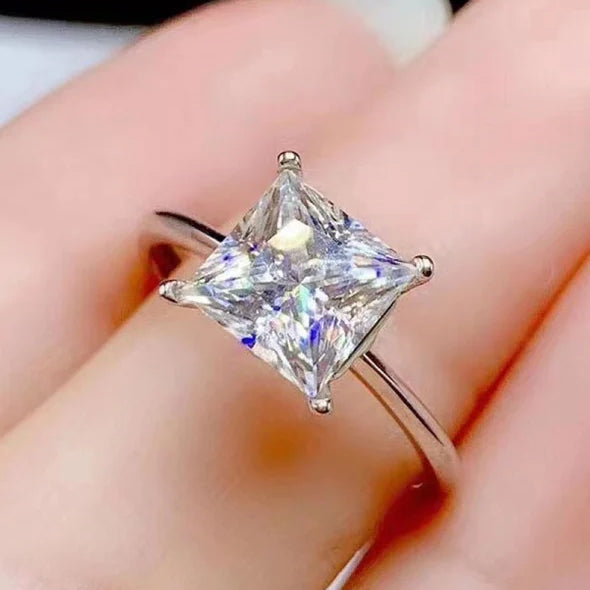
Complete Engagement Rings
Choose a ring with a diamond hand selected by a trained jeweler.

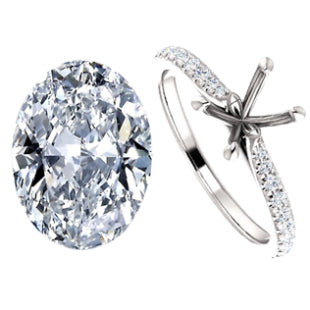

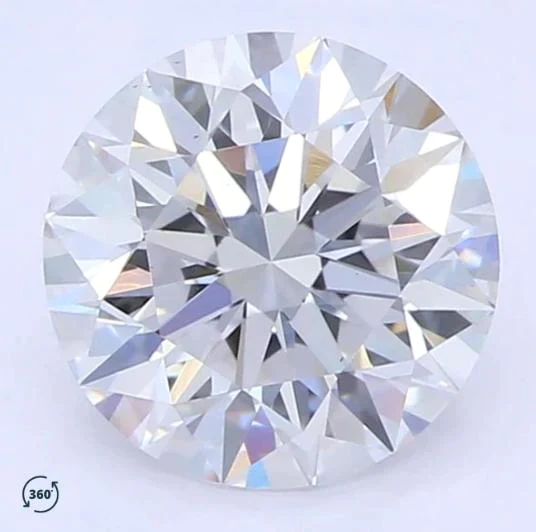
Loose Diamonds
Shop a huge selection of certified natural or lab-grown diamonds. On Sale Now!

Fashion Jewelry
Fashion rings, necklaces, bracelets & earrings. Take your style to a new level.


Comments