
The Difference Between Moissanite and Cubic Zirconia


Moissanite and cubic zirconia both sparkle and are often marketed as affordable diamond alternatives. But once you look closer at how they’re made, how they wear, and how they age, the differences are clear. One can last for decades. The other starts losing its shine in months.
Here’s how moissanite and cubic zirconia really compare at a glance:
-
Moissanite is engineered brilliance with the strength to last decades
-
Cubic zirconia is affordable and convincing at first, but not built for long-term wear
-
One resists scratches and clouding. The other starts to dull within months
-
Moissanite is more expensive, but still far cheaper than a diamond
- Lab-grown diamonds outperform both in every category that matters for engagement rings
At Mikado Diamonds, we walk clients through these options every day. We’re not here to upsell. We’re here to explain. If you’re deciding between moissanite, CZ, or a lab-grown diamond, you deserve real answers without the fluff.
Keep reading to learn the technical and practical differences, how to spot them in real life, and which stone actually makes sense for your forever ring.
Gem Origins: What Are Moissanite and CZ Made Of?

Moissanite and cubic zirconia might both sparkle in the jewelry case, but they come from very different worlds.
Moissanite is made of silicon carbide, a rare mineral first discovered in a meteorite crater in the late 1800s. Natural moissanite is so scarce that it’s nearly impossible to use in jewelry, which is why all moissanite today is grown in labs.
But don’t let “lab-grown” fool you. This isn’t imitation. It’s a precisely engineered material with its own unique optical properties, which I often call engineered brilliance. It wasn’t designed to copy diamonds; it just happens to outperform most of them in sparkle.
Cubic zirconia, on the other hand, is zirconium dioxide. It’s entirely synthetic and created in large-scale production batches, often with the goal of mimicking a diamond’s look at the lowest cost possible.
Unlike moissanite, CZ has no natural counterpart; it exists because we made it. If moissanite is a lab-crafted marvel, CZ is glass in a tuxedo: dressed up, convincing at first glance, but not built for the long haul.
For confused shoppers, that scientific difference matters. Moissanite starts with a harder, more complex chemical structure, and that shows up in everything from brilliance to durability. CZ is simpler, cheaper to produce, and that’s exactly why it’s priced the way it is.
Side-by-Side Comparison: Moissanite vs Cubic Zirconia
Here’s where things start to separate clearly. While moissanite and CZ may look similar at a glance, their performance and how they age couldn’t be more different.
Below is a quick reference chart that sums up the key differences between the two stones:
|
Feature |
Moissanite |
Cubic Zirconia |
|
Material |
Silicon Carbide |
Zirconium Dioxide |
|
Brilliance (RI) |
2.65–2.69 |
~2.15 |
|
Hardness (Mohs) |
9.25 |
8–8.5 |
|
Price |
$$ |
$ |
|
Fire/Sparkle |
High, rainbow-like fire |
Moderate, white light |
|
Longevity |
Decades |
1–5 years (scratches/clouds) |
|
Ethical |
Lab-grown |
Lab-grown |
|
Prestige |
Premium diamond alternative |
Budget-friendly substitute |
This table doesn’t just show differences; it reflects how each stone fits into your life. Moissanite is the one you invest in when you want a ring that lasts, impresses, and performs. CZ is the one you grab when you need something that looks right for now, but isn’t built for forever.
Understanding these specs is how you avoid disappointment later, because that initial sparkle only tells half the story.
Durability & Daily Wear: Which One Lasts?
Let’s talk about what really matters once the honeymoon phase wears off: durability. Sparkle may sell the stone, but how it holds up after a few months or years of daily wear is what defines its real value.
On the Mohs scale of hardness, moissanite scores a 9.25. That’s just behind diamond, which sits at 10. To put that into perspective: the difference between 8.5 (where CZ falls) and 9.25 isn’t just incremental, it’s exponential.
Each step on the Mohs scale represents a significant jump in scratch resistance. In practical terms, moissanite can stand up to the daily bumps, brushes, and friction of life, whether you’re typing, lifting, or even gardening.
Cubic zirconia, at 8–8.5, is much softer. That means over time, it will accumulate micro-scratches just from everyday things: rubbing against keys in your pocket, brushing past a countertop, or even frequent cleaning.
I’ve seen CZ stones that looked beautiful on day one but appeared hazy or dulled just a few months later, not because they were dirty, but because they were scratched.
A common concern we hear is, “Will moissanite chip or scratch with daily wear?”

The answer is: rarely. It’s incredibly resilient, resistant to chipping, scratching, and heat. That’s why we confidently recommend it for engagement rings and daily wear pieces at Mikado Diamonds.
So if you’re choosing a stone that’s meant to last, one that will still look incredible after hundreds of hand washes, hugs, or long days at the office, moissanite is built for it. CZ, unfortunately, isn’t.
Maintenance & Longevity: What Will This Look Like in 2 Years?
This is the part most people overlook when they’re dazzled by sparkle in a jewelry case: how’s it going to look after a few birthdays, vacations, and trips through the sink?
Moissanite has a serious advantage here. Its surface resists buildup from oils, lotions, and soaps. It doesn’t cloud over time, and it’s easy to clean; most clients just use warm water, a soft toothbrush, and dish soap.
Even with heavy wear, moissanite maintains that crisp brilliance for years. That’s why we recommend it not only for engagement rings but for people who actually wear their jewelry every day.
Cubic zirconia is a different story. It’s porous enough to absorb oils from your skin and residue from hand soap, leading to that dreaded dull, filmy look. And because it scratches more easily, the surface starts to scatter light unevenly.
That’s what makes CZ stones look flat, even when they’re clean. As one client bluntly put it after bringing in a CZ ring she'd bought elsewhere: “It looks flat even with a smudge.”
A common question we get is: “Can CZ be polished like new?”
Unfortunately, no, not in any way that lasts. Once CZ starts to lose its clarity and luster, there’s not much you can do short of replacing the stone. Moissanite, by contrast, holds up year after year with basic care.
So if you’re thinking long term, especially for something as meaningful as an engagement ring, this difference isn’t cosmetic. It’s peace of mind. Moissanite stays vibrant. CZ just doesn’t have the staying power.
Price & Value: What Are You Really Paying For?
Let’s get into the dollars, because the budget is almost always part of the conversation. Both moissanite and CZ are far more affordable than diamonds, but the gap between them is still pretty wide.
Cubic zirconia typically falls in the $20–$100 range, depending on size and cut. You’ll find it everywhere, from fast fashion stores to online retailers pushing it as a “diamond alternative.”
But that price tag reflects its purpose: CZ is made to be inexpensive, easy to produce, and disposable. It’s not built for emotional investment or longevity.
Moissanite, on the other hand, ranges from about $300 to $600+ per carat. It’s more expensive than CZ, yes, but still significantly more affordable than a mined diamond of similar size.
And unlike CZ, you’re paying for more than looks. You’re getting real performance: durability, sparkle, craftsmanship, and long-term wearability. Moissanite isn’t a knockoff; it’s its own category. And in the context of custom rings or milestone pieces, that price buys you peace of mind.
Now let’s talk about the psychological side. When someone proposes with a moissanite ring, it feels intentional, chosen with care, and built to last. CZ, by contrast, can sometimes feel like a placeholder or a compromise.
Lab-Grown Diamonds vs. Moissanite and CZ: Why It’s Not Even Close

Moissanite and cubic zirconia get a lot of attention from budget-focused shoppers, but neither comes close to what a lab-grown diamond delivers, especially when carat weight is part of the equation.
Let’s break it down:
- Moissanite is hard and sparkly, but its rainbow fire and double refraction make it easy to spot as not a diamond. For engagement rings, that “off” look can become a distraction.
- Cubic zirconia may shine on day one, but it scratches, clouds, and loses luster fast. It’s not built for long-term wear.
- Lab-grown diamonds are chemically and visually identical to mined diamonds. Same sparkle. Same structure. Same durability. Just without the inflated price.
That last part matters. Lab-grown diamonds let you go bigger, whether that’s 2 carats, 3 carats, or even 5, without crossing into mined-diamond price territory. You’re getting real diamond performance, real beauty, and real staying power.
At Mikado, we work with lab-grown diamonds because they give our clients what they actually want: size, sparkle, and quality that lasts a lifetime.
How to Tell Them Apart: Spotting Differences With the Naked Eye

At first glance, moissanite and cubic zirconia can fool even a sharp eye, especially when they’re freshly cleaned and well-cut.
But over time, and under the right conditions, their differences start to show. And if you know what to look for, you can often tell which one you’re looking at without a loupe or tester.
First, pay attention to the light show.
Moissanite gives off what’s known as double refraction, meaning light entering the stone splits into two beams as it exits, creating a layered or “fuzzy” brilliance under magnification.
To the naked eye, this results in intense fire: bold rainbow flashes that dance when the stone moves. If you catch a quick flash of green, purple, or orange sparkle in sunlight, that’s likely moissanite.
Cubic zirconia, in contrast, reflects mostly white light.
Its sparkle is softer, more uniform, and less fiery. This gives it a more glass-like appearance, especially in dull or indoor lighting.
While that might look clean and subtle at first, it also tends to appear flat or lifeless with wear. If you’ve seen a stone that used to sparkle and now just kind of sits there, there’s a good chance it’s CZ.
Next, check the weight.
CZ is denser than both moissanite and diamond. That means a CZ stone will feel heavier than a moissanite of the same carat weight. Jewelers often notice this difference when handling loose stones, and if you're comparing rings side-by-side, you might feel it too.
Lastly, inspect the edges.
Over time, CZ often shows chipping or wear along its facet edges, particularly on the crown (the top part of the stone). These tiny chips or dull spots are a giveaway.
Moissanite, thanks to its hardness, holds its edges crisp and sharp much longer. If the stone looks slightly rounded or has what we call “windowing,” it’s probably CZ.
Final Verdict: Which One Is Right for You?

Let’s simplify this decision.
If you’re choosing between cubic zirconia, moissanite, and lab-grown diamonds, the right choice depends on your priorities. Here’s a quick guide:
If your top priority is...
- Budget under $100 → Cubic zirconia might work, but know it’s short-term
- Long-term durability → Moissanite will hold up for decades
- Daily sparkle that won’t fade → Moissanite performs well over time
- A ring you’ll wear once in a while → CZ could be an option
- True diamond beauty and performance → Lab-grown is the clear choice
- An heirloom-worthy engagement ring → Lab-grown offers lasting quality and elegance
Cubic zirconia may be fine for temporary wear. Moissanite offers impressive durability and brilliance. But if you want a diamond that’s built to last, looks stunning every day, and offers exceptional value, lab-grown diamonds deliver on all fronts.
If you're still unsure which option fits your goals best, book a virtual consultation with Mikado. We’ll walk you through the differences and help you choose a stone that reflects both your vision and your values.
Mikado Collection
Hand Crafted Engagement Rings, Loose Natural and Lab-Grown Diamonds and a Fashion Jewelry Collection of Rings, Necklaces, Bracelets, and Earrings.

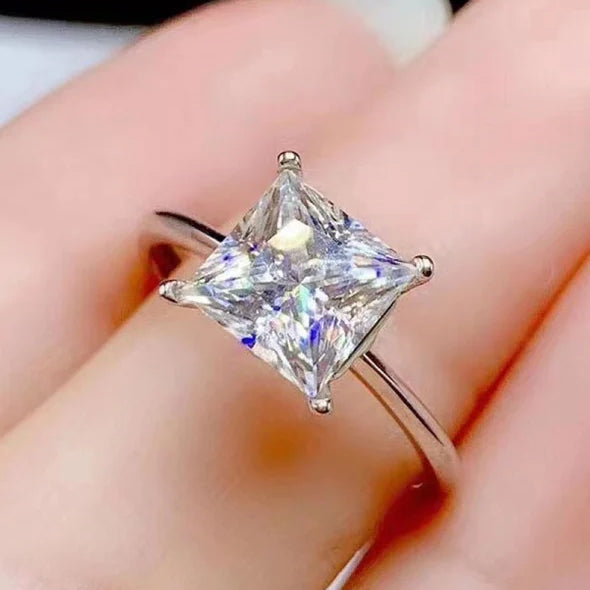
Complete Engagement Rings
Choose a ring with a diamond hand selected by a trained jeweler.


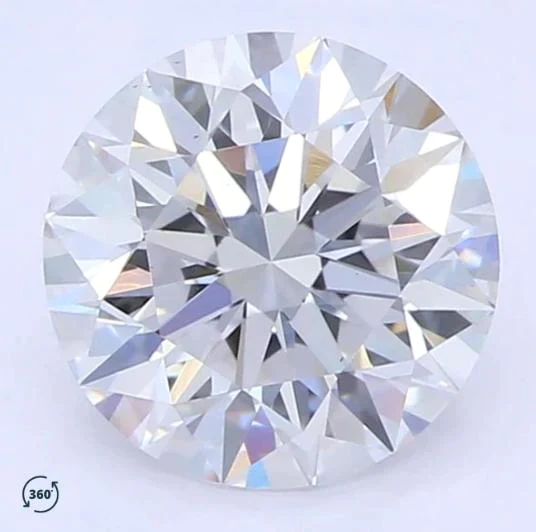
Loose Diamonds
Shop a huge selection of certified natural or lab-grown diamonds. On Sale Now!

Fashion Jewelry
Fashion rings, necklaces, bracelets & earrings. Take your style to a new level.


Comments