
Are Lab Grown Diamonds Good Quality? Expert Quality Guide


Lab grown diamonds are excellent quality: they're chemically identical to natural diamonds and graded using the same 4Cs standards by GIA and IGI. Quality ranges from poor to exceptional, just like natural stones, making selection crucial for value.
Here's what determines lab grown diamond quality and value:
- Same 4Cs grading system applies with identical standards from major gemological institutes
- Cut quality has the biggest impact on brilliance and overall sparkle performance
- G-H color grades offer the best value while maintaining beautiful white appearance
- Eye-clean clarity levels provide stunning beauty without paying for invisible perfection
- Brown and gray undertones in lower grades reduce beauty and resale value
- IGI and GIA certification ensures you get verified quality with detailed specifications
That is where Mikado Diamonds comes in. We’re here to help you navigate the details and find the right diamond with confidence.
Keep reading to learn all about lab grown diamonds.
Quality Standards: How Lab Grown Diamonds Are Graded
Lab grown diamonds follow the exact same grading standards as natural diamonds.
There's no separate or inferior system - both types are evaluated using the identical 4Cs framework that's been the industry standard for decades.
The Same 4Cs Apply to All Diamonds
Every diamond, whether grown in a lab or formed naturally, gets graded on:
- Cut - How well the diamond reflects light and sparkles
- Color - The absence of color, graded from D (colorless) to Z (light yellow)
- Clarity - The presence of internal flaws or inclusions
- Carat - The weight and size of the diamond
The grading process is identical. Gemologists use the same tools, lighting conditions, and evaluation criteria regardless of the diamond's origin.
IGI and GIA Use Identical Standards
The two most respected gemological institutes - GIA (Gemological Institute of America) and IGI (International Gemological Institute) - grade lab grown diamonds using their established protocols.
When you receive a certificate from either institute, the grading standards are identical. A VS2 clarity lab grown diamond meets the exact same criteria as a VS2 natural diamond. The only difference on the certificate is a notation indicating the diamond's lab grown origin.
Quality Ranges from Poor to Exceptional
Just like natural diamonds, lab grown diamonds span the entire quality spectrum. You'll find lab grown diamonds with:
- Poor grades (I2-I3 clarity, J-M color)
- Good commercial grades (SI1-SI2 clarity, G-I color)
- Premium grades (VS1-VS2 clarity, D-F color)
- Exceptional investment grades (FL-VVS2 clarity, D-E color)
At Mikado Diamonds, we've seen this quality range firsthand across our lab grown diamond inventory. The key is understanding that lab grown doesn't automatically mean high quality - you still need to evaluate each stone based on its individual 4Cs grades.
This consistent grading system makes comparing lab grown and natural diamonds straightforward, giving you confidence in your selection process.

What Makes a High-Quality Lab Grown Diamond
The quality of lab grown diamonds varies dramatically, just like natural stones. Understanding the key factors that determine quality helps you identify exceptional stones and avoid costly mistakes.
Cut quality has the biggest impact on how your diamond looks. A poorly cut lab grown diamond will appear dull and lifeless, even with perfect color and clarity grades.
Look for these cut quality indicators:
- Excellent or Ideal cut grades from GIA or IGI
- Proper light return that creates maximum sparkle
- Symmetrical facet alignment for even brilliance
- Appropriate depth and table percentages for the shape
We see many customers initially focus only on carat weight, then realize a smaller, well-cut diamond looks more impressive than a larger, poorly cut stone. The difference in visual impact is striking.
G-H Color Grades Offer the Best Value
Lab grown diamonds in the G-H color range provide exceptional value without visible color tint. These near-colorless grades appear white when mounted in rings, especially in white gold or platinum settings.
Color grade value breakdown:
- D-F (colorless): Premium pricing with minimal visual difference
- G-H (near-colorless): Best value with excellent appearance
- I-J (near-colorless): Slight warmth but still beautiful in yellow gold
- K and below: Noticeable color tint in most settings
The color difference between D and H grades is nearly impossible to detect once mounted, making G-H stones smart choices for maximizing your budget.
Eye-Clean Clarity Levels Maximize Beauty
VS2 and SI1 clarity grades typically offer the best combination of beauty and value. These grades are eye-clean, meaning no inclusions are visible without magnification.
Clarity selection strategy:
- VS1-VS2: Excellent clarity with great value
- SI1: Often eye-clean with maximum budget efficiency
- SI2: Requires careful selection to avoid visible inclusions
- VVS grades: Premium pricing for minimal visual benefit
Each diamond's inclusion pattern is unique, so individual evaluation matters more than grade alone. An SI1 stone can look identical to a VVS2 to the naked eye while costing significantly less.

Common Quality Issues to Avoid in Lab Grown Diamonds
While lab grown diamonds offer exceptional value, certain quality issues can significantly impact their beauty and performance. Understanding these common problems helps you avoid costly mistakes when selecting your diamond.
Brown and Gray Undertones in Lower Color Grades
Lab grown diamonds in the I-K color range often develop noticeable brown or gray undertones that natural diamonds rarely exhibit. These undertones make the diamond appear dull and lifeless, especially in larger stones over 2 carats.
Specific issues to watch for:
- Brownish tint in CVD diamonds, particularly in fancy shapes like oval and radiant cuts
- Gray undertones in HPHT diamonds that become more apparent in natural lighting
- Color inconsistency across the diamond's surface
Solution: Stay within the D-H color range for lab grown diamonds, especially for center stones over 1.5 carats. The slight price increase delivers dramatically better visual appeal.
Growth Method Inclusion Patterns
Each lab grown diamond creation method produces distinctive inclusion patterns that can affect brilliance and durability.
CVD-specific issues:
- Strain lines that create a "layered" appearance under magnification
- Graphite inclusions that appear as dark spots
- Growth sector boundaries visible to the naked eye
HPHT-specific issues:
- Metallic flux inclusions from the growth process
- Cross-shaped strain patterns
- Color zoning that creates uneven appearance
We regularly examine diamonds under 10x magnification to identify these growth-specific patterns before they reach our inventory.
Lab Grown Diamond Quality vs Price: Getting Maximum Value
The biggest advantage of lab grown diamonds is the ability to maximize quality within any budget. Understanding where to invest your money makes the difference between a good purchase and an exceptional one.
What Are the Sweet Spot Grades for Best Value?
For lab grown diamonds, the quality sweet spots differ from traditional natural diamond advice because of the significant cost savings available.
Color Grade Sweet Spot:
- G-H color offers the best value for most buyers
- Nearly colorless appearance in any setting
- 20-30% less expensive than D-F grades with minimal visual difference
- I-J color works excellently for yellow gold or rose gold settings
Clarity Grade Sweet Spot:
- VVS2-VS1 provides optimal value
- Eye-clean appearance with no visible inclusions
- SI1 can work for larger stones (2+ carats) if inclusion placement is favorable
- Avoid paying premium for VVS grades unless you specifically want them
Cut Grade Priority:
- Always prioritize Excellent or Ideal cut grades
- Cut has the biggest impact on brilliance and fire
- Never compromise on cut to save money - it's visually noticeable
Where Should You Prioritize Your Budget?
Smart budget allocation follows this priority order:
- Cut Quality (Highest Priority) - Determines sparkle and brilliance
- Carat Size - Most visually obvious factor
- Color Grade - Noticeable but manageable with setting choices
- Clarity Grade - Least visually important if eye-clean
With lab grown diamonds, you can often achieve excellent grades in all categories without the traditional compromises.

How Much Size Increase Is Possible with Lab Grown Savings?
Lab grown diamonds typically cost 60-80% less than natural diamonds, creating substantial size upgrade opportunities:
- 1 carat natural budget = 2 carat lab grown diamond
- 2 carat natural budget = 3-4 carat lab grown diamond
- 3+ carat stones become accessible to many more buyers
At Mikado Diamonds, we often help clients who planned for a 1.5 carat natural diamond discover they can afford a stunning 3+ carat lab grown stone with superior quality grades. This size increase creates dramatically more visual impact while maintaining excellent cut, color, and clarity standards.
The key is working with experienced guidance to ensure you're selecting the right balance of specifications for your specific setting design and personal preferences.
Certification: Ensuring You Get Quality Lab Grown Diamonds
The most reliable way to verify lab grown diamond quality is through proper certification from reputable gemological institutes. Without certification, you're essentially buying blind and risking significant money on a stone that may not meet quality standards.
IGI vs GIA: Which Certification Should You Choose?
Both IGI (International Gemological Institute) and GIA (Gemological Institute of America) provide reliable grading for lab grown diamonds, but there are key differences to understand.
GIA Certification:
- More conservative grading standards
- Higher industry recognition and resale value
- Typically costs more due to premium reputation
- Slower turnaround times
IGI Certification:
- Specialized expertise in lab grown diamonds
- Faster processing and lower costs
- Equally accurate technical analysis
- More detailed lab grown specific information
At Mikado Diamonds, we work with both certifying bodies and find IGI particularly strong for lab grown diamonds since they've been grading them longer and provide comprehensive details about the growth process.
What to Look for on Your Diamond Certificate
A quality certificate should include these essential elements:
- Complete 4Cs grading (cut, color, clarity, carat weight)
- Origin identification clearly stating "laboratory grown"
- Growth method (CVD or HPHT process)
- Detailed plotting diagram showing inclusions and characteristics
- Unique report number for verification
- High-resolution photographs of the actual stone
The certificate should match the laser inscription on your diamond's girdle. This microscopic engraving contains the report number and certifying institute's logo.
Red Flags in Uncertified Stones
Never purchase a lab grown diamond without proper certification. Here are warning signs to avoid:
- Sellers claiming certification is "unnecessary" or "too expensive"
- Generic certificates from unknown institutes
- Prices significantly below market rates for the stated quality
- Reluctance to provide certificate details before purchase
- Missing or unclear origin disclosure
Uncertified stones often hide quality issues like poor cut grades, treated colors, or misrepresented clarity. The cost of certification is minimal compared to the protection it provides on your investment.
Long-term Durability and Performance

Lab grown diamonds offer identical durability to natural diamonds because they share the exact same crystal structure and hardness rating of 10 on the Mohs scale.
This means your lab grown diamond will resist scratching, chipping, and wear just as well as any natural stone over decades of daily wear.
How do lab grown diamonds hold up in everyday wear?
Lab grown diamonds perform exceptionally well in all types of settings and wear conditions. Whether set in a delicate solitaire or a more protective halo design, the diamond itself maintains its brilliance and structural integrity through:
- Daily activities like typing, exercising, and household tasks
- Temperature fluctuations from hot showers to cold weather
- Contact with lotions, soaps, and cleaning products
- Accidental bumps and impacts during normal wear
The key factor isn't whether your diamond is lab grown or natural, but rather the quality of the cut and the protective design of your setting.
What maintenance do lab grown diamonds require?
Lab grown diamonds need the same basic care as natural diamonds. Clean your ring every 2-3 weeks using warm soapy water and a soft brush to maintain maximum sparkle. Professional cleaning and inspection every 6 months helps catch any setting issues early.
The diamond itself is virtually indestructible, but the setting may need occasional maintenance like prong tightening or rhodium replating for white gold bands.
Performance across different diamond shapes
All lab grown diamond shapes, from classic rounds to unique cuts like kite or hexagonal shapes, demonstrate identical durability.
However, certain shapes like emerald and radiant cuts may show inclusions more readily, making quality selection crucial regardless of whether you choose lab grown or natural.
The performance difference lies in cut quality and clarity grade, not origin. A well-cut lab grown diamond will outperform a poorly cut natural diamond every time.
Finding Your Perfect Lab Grown Diamond

Understanding lab grown diamond quality is what helps you make a confident, value-driven choice for one of the most important purchases of your life.
At Mikado Diamonds, we don't just sell certified diamonds, we help you select the right one with clarity and peace of mind. Every diamond in our collection is hand-selected for cut quality, sparkle, and certification from trusted labs like IGI and GIA.
If you're feeling unsure about how to evaluate color, clarity, or cut, you're not alone. That’s exactly why we offer one-on-one expert consultations to walk you through everything and help you find the perfect stone.
Ready to get started? Book your free consultation today and let’s design a ring that reflects your love story and your standards for quality.
Mikado Collection
Hand Crafted Engagement Rings, Loose Natural and Lab-Grown Diamonds and a Fashion Jewelry Collection of Rings, Necklaces, Bracelets, and Earrings.

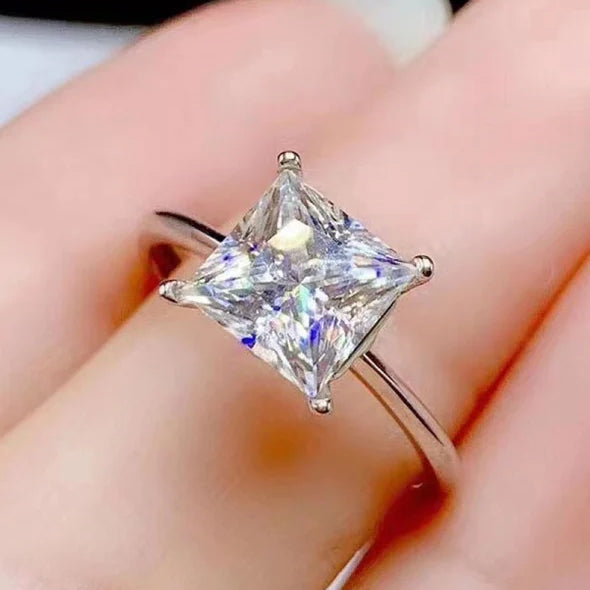
Complete Engagement Rings
Choose a ring with a diamond hand selected by a trained jeweler.


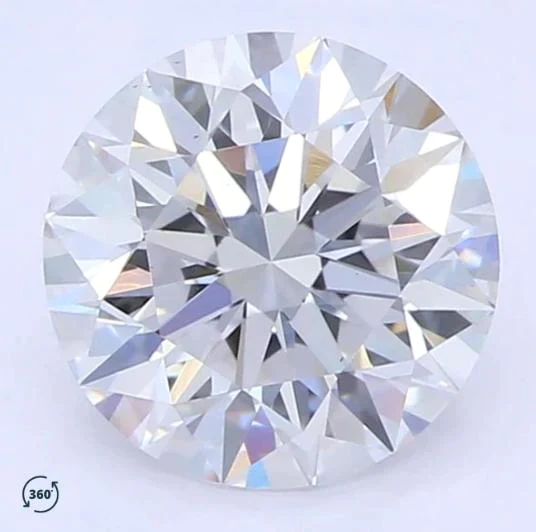
Loose Diamonds
Shop a huge selection of certified natural or lab-grown diamonds. On Sale Now!

Fashion Jewelry
Fashion rings, necklaces, bracelets & earrings. Take your style to a new level.


Comments