
How Are Pink and Yellow Lab Grown Diamonds Made?


At Mikado Diamonds, we believe that color tells a story. A pink diamond whispers romance and rarity, while a yellow diamond radiates warmth, optimism, and sunlit brilliance. For centuries, fancy colored diamonds like these were among the most elusive gems on Earth, mined in vanishingly small quantities and priced far beyond the reach of most jewelry lovers. Today, thanks to advances in gemological science, that has changed. Lab grown pink and yellow diamonds now offer the same dazzling color, chemical structure, and optical properties as their mined counterparts, at a fraction of the environmental and financial cost.
But how exactly are these vibrant, fancy colored diamonds created in a laboratory? The process is a fascinating blend of physics, chemistry, and artistry. Below, we break down how pink and yellow lab grown diamonds are made, why their colors form the way they do, and what makes each hue so distinctive.
The Foundation: Growing a Diamond in a Lab
Before we can explore color, we need to understand how any lab grown diamond comes into being. There are two primary methods used across the industry today.
High Pressure High Temperature (HPHT) replicates the extreme geological conditions deep within the Earth's mantle, where natural diamonds form over billions of years. In an HPHT chamber, a small diamond seed is placed alongside a carbon source and a metallic flux. The chamber is then subjected to pressures exceeding 1.5 million pounds per square inch and temperatures around 1,400 degrees Celsius. Under these conditions, carbon atoms dissolve and migrate onto the seed, crystallizing into a rough diamond over the course of days or weeks.
Chemical Vapor Deposition (CVD) takes a very different approach. A thin diamond seed is placed inside a vacuum chamber, which is then filled with a carbon-rich gas such as methane. The gas is ionized into plasma using microwaves or other energy sources, breaking the molecular bonds and allowing pure carbon atoms to rain down onto the seed. Layer by atomic layer, a diamond grows upward from the seed plate.
Both methods produce real diamonds that are chemically, optically, and physically identical to those pulled from the Earth. The difference between colorless, yellow, and pink diamonds comes down to what happens during and after growth.
How Yellow Lab Grown Diamonds Get Their Color
Yellow is one of the most common fancy colors in the diamond world, and its origin lies in a single element: nitrogen. When nitrogen atoms are introduced into the growth environment, they replace some of the carbon atoms in the diamond's crystal lattice. These nitrogen atoms absorb light in the blue portion of the visible spectrum, which causes the diamond to reflect and transmit yellow tones back to the eye.
In an HPHT growth setup, nitrogen can be intentionally added to the carbon feedstock to produce vivid yellow hues. The concentration and arrangement of nitrogen atoms determine whether the finished diamond appears a soft lemon, a rich canary, or a deep golden yellow. HPHT is generally the preferred method for yellow lab grown diamonds because it produces saturated, evenly distributed color that mirrors the finest natural fancy yellows.
CVD-grown diamonds can also be turned yellow, sometimes through post-growth HPHT treatment or by carefully introducing nitrogen during growth. The result is the same: a gemstone that captures sunlight and returns it with the warmth and radiance that has made yellow diamonds a symbol of joy and celebration.
At Mikado Diamonds, our yellow lab grown diamonds are hand-selected for consistent saturation, clean clarity, and the kind of luminous fire that makes each stone unforgettable.
How Pink Lab Grown Diamonds Get Their Color
Pink diamonds are among the rarest gemstones on the planet in their natural form, and their color origin is far more mysterious than that of yellow diamonds. Unlike yellow, pink is not caused by a trace element like nitrogen or boron. Instead, pink color in diamonds arises from something called a lattice distortion, a subtle warping of the crystal structure itself.
When a diamond's atomic lattice is subjected to intense pressure or heat, certain planes of carbon atoms can shift out of their perfect alignment. These distortions create tiny defects that absorb green light, which in turn causes the diamond to appear pink. The deeper and more concentrated the distortions, the more vivid the pink.
To recreate this in the lab, growers typically start by producing a high-quality colorless or near-colorless diamond using CVD or HPHT methods. The rough diamond is then subjected to a combination of HPHT treatment and irradiation, followed by controlled annealing. This carefully choreographed sequence induces the lattice distortions that give pink diamonds their signature color.
The result is a stone that mirrors the beauty of natural pink diamonds from famed sources like the now-closed Argyle mine, but at a price point that makes fancy pink color accessible to a much wider audience. From soft blush and rose to bold bubblegum and magenta, lab grown pink diamonds offer an incredible range of expressive hues.
Why Lab Grown Pink and Yellow Diamonds Matter
Choosing a lab grown fancy colored diamond is not simply a matter of savings, though the value is substantial. It is also a choice rooted in sustainability, transparency, and creative freedom.
Naturally colored pink and yellow diamonds are extraordinarily rare, and mining them often involves moving enormous quantities of earth for very small yields. Lab grown alternatives dramatically reduce that environmental footprint while producing gemstones that are optically and chemically identical. Every Mikado Diamonds lab grown stone is traceable, ethically produced, and graded by independent laboratories to the same standards used for mined diamonds.
Just as importantly, lab grown color diamonds allow designers and clients to dream bigger. A center stone in vivid canary yellow or a halo of pink accents that would have been financially out of reach a decade ago is now within grasp, opening the door to jewelry that feels genuinely personal.
The Science of Beauty
Pink and yellow lab grown diamonds are the result of decades of research into how nature paints its rarest gems, and how human ingenuity can honor that process. Whether you are drawn to the sunlit charm of a yellow diamond or the romantic softness of a pink one, you are choosing a stone forged by science and finished with the same care and craftsmanship that has defined fine jewelry for centuries.
At Mikado Diamonds, we are proud to bring these radiant creations to you, ready to become the centerpiece of your next heirloom.
Mikado Collection
Hand Crafted Engagement Rings, Loose Natural and Lab-Grown Diamonds and a Fashion Jewelry Collection of Rings, Necklaces, Bracelets, and Earrings.

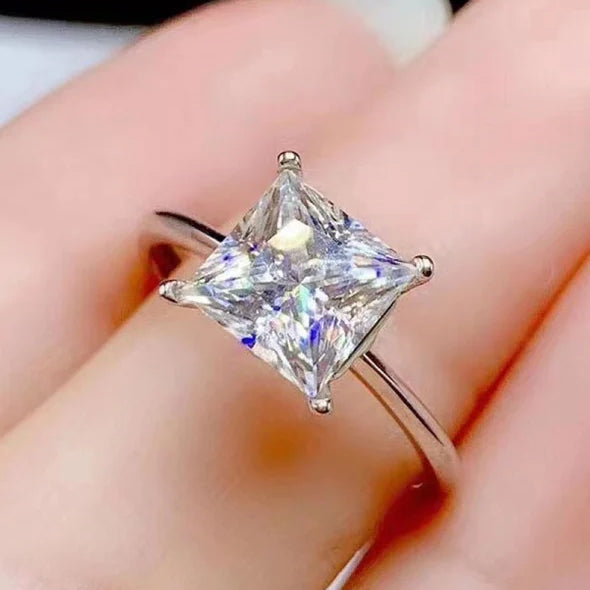
Complete Engagement Rings
Choose a ring with a diamond hand selected by a trained jeweler.


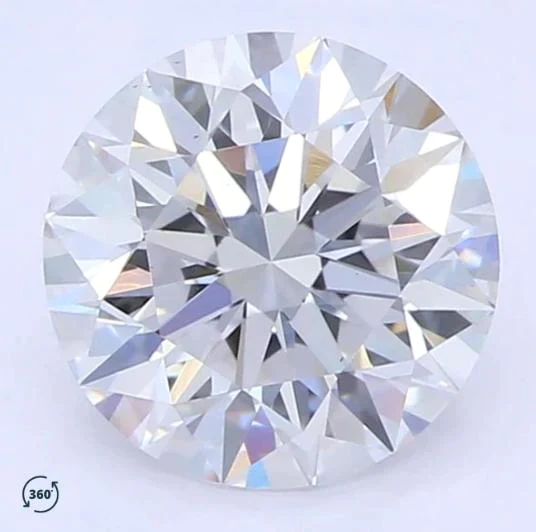
Loose Diamonds
Shop a huge selection of certified natural or lab-grown diamonds. On Sale Now!

Fashion Jewelry
Fashion rings, necklaces, bracelets & earrings. Take your style to a new level.


Comments