
Why Lab Grown Diamonds Cheaper | The Complete Cost Breakdown


Lab grown diamonds cost 60-80% less than natural diamonds because they're created in weeks using controlled processes, eliminating mining costs, transportation expenses, and multiple middlemen markups that inflate natural diamond prices.
Understanding these key points helps you make informed decisions:
- Lab diamond creation takes weeks versus millions of years naturally
- Controlled environments eliminate mining, transportation, and middleman costs
- Identical chemical composition means no quality compromise despite lower prices
- Market forces and artificial scarcity drive natural diamond premium pricing
- Production scaling and technology advances continue reducing lab grown costs
Mikado Diamonds specializes in custom engagement rings featuring certified lab grown diamonds with transparent pricing and expert guidance. Our process includes diamond selection first, custom design renderings, IGI/GIA certification, and a Best Price Guarantee, allowing couples to maximize their budget while creating unique designs that reflect their personal love story.
The price difference seems too good to be true for many couples. Keep reading to see exactly where every dollar of savings comes from.

The Real Production Cost Differences
The fundamental cost difference between lab grown and natural diamonds comes down to time and complexity. Natural diamonds form over millions of years under extreme pressure deep in the earth, while lab grown diamonds are created in just 2-4 weeks using controlled technology.
Mining vs. Laboratory Production Costs
Natural diamond mining involves massive operational expenses that lab grown diamonds completely eliminate:
Mining Operation Costs:
- Heavy machinery and equipment maintenance
- Large-scale excavation and earth removal
- Transportation from remote mining locations
- Multiple sorting and processing facilities
- Environmental compliance and restoration
Lab Production Costs:
- Controlled chamber equipment and maintenance
- Electricity for high-pressure, high-temperature processes
- Skilled technicians and monitoring systems
- Direct-to-market distribution
The controlled laboratory environment eliminates the need for extensive mining operations, transportation from remote locations, and multiple middlemen who each add markup along the supply chain.
Energy Costs: Lab vs. Mining Operations
While creating lab grown diamonds does require significant energy for the high-pressure, high-temperature process, this cost is still dramatically lower than mining operations. A single mining operation requires:
- Diesel fuel for heavy excavation equipment
- Processing facilities to sort through tons of earth
- Transportation across multiple countries
- Multiple facility operations from mine to market
Lab grown diamond production uses concentrated energy in a controlled environment for weeks rather than maintaining large-scale operations for years.
At Mikado Diamonds, we've seen how these production cost savings translate directly into value for our customers. The same specifications that might cost $15,000 in a natural diamond can often be achieved with a lab grown diamond for $3,000-4,000, allowing couples to invest in larger carat weights or higher quality grades within their budget.
This cost structure explains why lab grown diamonds offer identical beauty and quality at 60-80% lower prices without any compromise in the final product.
Market Forces Driving Natural Diamond Prices

The natural diamond industry has built its pricing structure on decades of carefully orchestrated marketing and distribution systems that inflate costs far beyond the actual value of the stones themselves.
The De Beers Marketing Legacy Creates Artificial Demand
Since the 1930s, De Beers' "A Diamond is Forever" campaign convinced generations that natural diamonds were essential for engagement rings. This marketing created artificial scarcity by controlling supply and promoting the idea that bigger, more expensive diamonds equal greater love.
The campaign also established arbitrary "rules" like spending three months' salary on an engagement ring. These marketing-driven expectations have no basis in diamond quality or beauty, yet they continue to drive up natural diamond prices today.
Multiple Middlemen Add Layers of Markup
Natural diamonds pass through numerous hands before reaching consumers, with each step adding significant markup:
- Mining companies extract and sort rough diamonds
- Cutting and polishing facilities process the stones
- Diamond dealers buy and sell to distributors
- Wholesalers distribute to retail networks
- Retail jewelers add final markup to consumers
Each middleman typically adds 20-50% markup, compounding the final price. By the time a natural diamond reaches a traditional jewelry store, it may cost 300-400% more than its production value.

Why Lab Grown Quality Doesn't Compromise Despite Lower Cost
The biggest misconception about lab grown diamonds is that lower price equals lower quality. This simply isn't true.
Lab grown diamonds are chemically, physically, and optically identical to mined diamonds because they're made of the exact same material: pure carbon arranged in a crystal lattice structure.
Lab Grown Diamonds Have Identical Chemical Composition
Lab grown diamonds aren't diamond "alternatives" or simulants. They're real diamonds with the same hardness (10 on the Mohs scale), brilliance, and fire as natural diamonds. The only difference is their origin story.
The Economics of Lab Grown Diamond Scaling
The lab grown diamond industry has experienced dramatic cost reductions as production scales up and technology improves. What started as an expensive laboratory process has become increasingly efficient, driving prices down while maintaining quality standards.
Production Efficiency Improvements Over Time
Lab grown diamond manufacturers have refined their processes significantly since commercial production began.
Modern production facilities have reduced energy consumption per carat by approximately 40% compared to early methods. Automated monitoring systems now track temperature, pressure, and chemical composition in real-time, minimizing waste and failed growth cycles that previously increased costs.
At Mikado Diamonds, we've seen this scaling effect firsthand. The improved availability and pricing of larger lab grown diamonds over 3 carats has allowed us to offer exceptional value on statement pieces that would be prohibitively expensive in natural diamonds.
What This Means for Your Diamond Budget
The 60-80% savings on lab grown diamonds fundamentally changes what's possible within your engagement ring budget. Instead of stretching financially for a smaller natural diamond, you can redirect those savings toward a significantly larger stone or invest in a custom setting that truly reflects your love story.
Size Upgrades That Actually Matter
Here's what the savings look like in practice:
- 1 carat natural diamond budget → 2-2.5 carat lab grown diamond
- 2 carat natural diamond budget → 3.5-4+ carat lab grown diamond
- $5,000 natural diamond budget → $8,000-12,000 worth of diamond quality in lab grown
We regularly help couples upgrade from their original 1.5 carat goal to stunning 3+ carat lab grown diamonds within the same budget. The visual impact difference is dramatic, and the quality remains identical to what they would have received in a natural stone.
Smart Budget Reallocation Options
Your lab grown diamond savings open up three strategic paths:
- Go bigger: Use the full savings toward a larger carat weight that makes a real visual statement
- Upgrade quality: Maintain your target size but jump to higher color and clarity grades you couldn't afford before
- Invest in customization: Allocate savings toward a fully custom setting with intricate details, unique design elements, or premium metals
Making Your Lab Grown Diamond Decision

Understanding why lab grown diamonds cost significantly less than natural diamonds removes the biggest barrier to making a smart, confident decision. The price gap isn’t about quality, it’s about eliminating outdated markups and inefficiencies.
At Mikado Diamonds, we specialize in lab grown diamonds because they offer the best value, period. Our IGI and GIA certified stones come with a Best Price Guarantee and a 30-day money-back policy, so you can shop with peace of mind.
If you’re curious how much more diamond your budget can actually buy, let’s talk. Book a free consultation, and we’ll walk you through everything, no pressure, just expert guidance and options worth getting excited about.
Mikado Collection
Hand Crafted Engagement Rings, Loose Natural and Lab-Grown Diamonds and a Fashion Jewelry Collection of Rings, Necklaces, Bracelets, and Earrings.

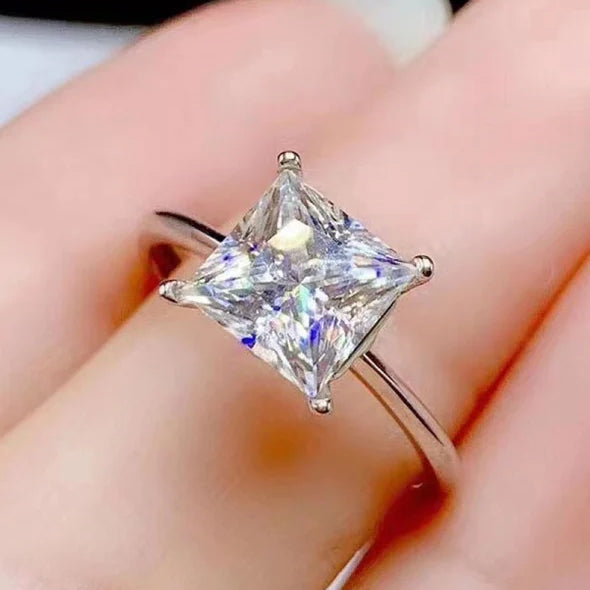
Complete Engagement Rings
Choose a ring with a diamond hand selected by a trained jeweler.

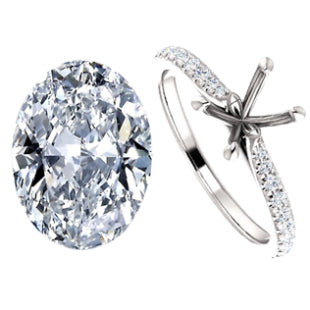

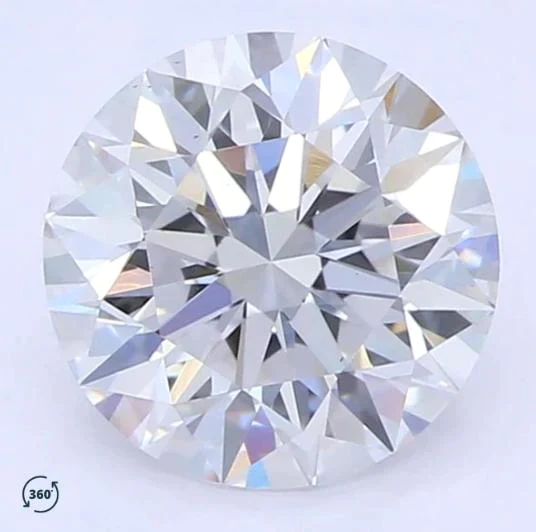
Loose Diamonds
Shop a huge selection of certified natural or lab-grown diamonds. On Sale Now!

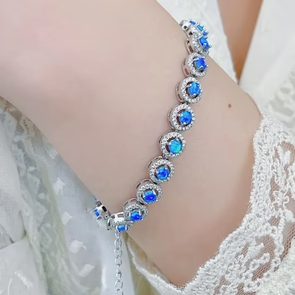
Fashion Jewelry
Fashion rings, necklaces, bracelets & earrings. Take your style to a new level.


Comments