
What Is White Gold Jewelry? Pros, Cons & Care Tips


White gold is a man-made alloy of yellow gold mixed with white metals like nickel or palladium, then coated in rhodium for a bright white finish. It’s durable, versatile, and popular for engagement rings, but requires periodic maintenance to keep its shine.
Is White Gold Right for You?
- White gold is not naturally white, it’s made by mixing yellow gold with white metals and plating it in rhodium for shine.
- It offers the platinum look without the platinum price, making it a top choice for lab-grown diamonds over 3 carats.
- Requires maintenance: the rhodium plating wears off over time but can be easily reapplied.
- Not all white gold is hypoallergenic, ask if it’s nickel-free if you have sensitive skin.
- Solid white gold ≠ plated white gold, don’t get fooled by imitations.
- It’s a versatile, modern metal that looks amazing in both minimalist and vintage-inspired designs.
At Mikado Diamonds, we walk you through this decision step by step, comparing metals side-by-side, reviewing CADs, and talking through your lifestyle, preferences, and budget. Most of our clients end up loving white gold because it gives them flexibility to invest more in cut or carat, without sacrificing beauty.
If you want to dig deeper, compare metals, and hear real examples from couples we’ve worked with, keep reading. We’ve laid it all out, no fluff, no pressure. Just real guidance.
What Is White Gold, Really?

White gold is crafted. What you're actually getting is pure yellow gold alloyed with white metals like nickel, palladium, or silver.
These extra metals lighten the tone and add durability. To complete the transformation, most white gold is plated with rhodium, a bright, reflective metal that gives it that high-shine, icy finish.
While “white gold plated” may sound similar, it’s not the same thing. That label usually means a cheaper base metal (like brass or silver) has been coated to look like white gold.
With solid white gold, you’re getting actual gold alloyed throughout, not just on the surface.
14K vs. 18K: What's the Difference?
We get this question a lot. Here’s the quick breakdown:
- 14K white gold: 58.3% gold + more alloy metals = stronger, more scratch-resistant. Great for daily wear.
- 18K white gold: 75% gold = richer yellow base, softer, warmer tone underneath the rhodium.
If you’re active or you’re hard on your hands, we usually suggest 14K.
It holds up better and keeps its structure over time. But if purity and color richness matter more to you, 18K might be worth the upgrade; just know it may need replating a bit more often.
Not sure? We walk clients through this all the time during consults and compare options based on wear habits and visual preferences.
How White Gold Ages (and Why That’s Not a Bad Thing)
Here’s the truth most jewelers won’t tell you: white gold changes over time.
What people call “tarnish” is really just the rhodium plating fading. Underneath, white gold has a slightly warm undertone that can peek through after months (or years) of wear.
Some clients love that, it adds a soft, vintage feel. Others want to keep that icy shine locked in, which just means reapplying the rhodium every 1–2 years.
We offer advice to extend plating life, like removing rings when lifting weights or using harsh soaps. And no, it’s not damage. It’s natural.
Fading doesn’t mean your ring is ruined. It’s just aging in a way that’s easy to refresh when you’re ready.
Is It Safe for Sensitive Skin?

It all depends on the alloy. Some blends include nickel, which can cause reactions. That’s why we always ask about sensitivities during consults. If needed, we steer clients toward palladium-alloyed white gold, which is hypoallergenic.
What surprises people is that not all 14K white gold is nickel-free. Just because it’s labeled 14K doesn’t guarantee comfort. We’ll show you how to check hallmarks or confirm alloy specs before you commit, because itching, rashes, or irritation shouldn’t be part of your love story.
White Gold vs. Platinum (and the Truth About “Prestige”)

Platinum has long been seen as the “premium” metal, but let’s break that down. Platinum is naturally white and never needs rhodium plating.
It’s denser and heavier than white gold, which some clients love. But it’s also more expensive, not just the metal itself, but the labor. It’s harder to work with, and that translates to higher design and repair costs.
White gold, on the other hand, gives you the same crisp, clean look with a lot more flexibility.
Want to put your budget toward a larger diamond or hidden halo setting? White gold is the smarter move.
Does White Gold Hold Up Over Time?
White gold is tougher than yellow gold thanks to the alloy mix. It’s scratch-resistant and holds prongs well, which matters when you’re setting a high-value stone.
The only thing it truly needs is occasional rhodium replating to refresh the finish.
Some of our clients treat their rings like heirlooms-in-progress and bring them in annually for inspection and cleaning. Others wait until the rhodium fades, then decide if they want to refresh it, or lean into the soft patina.
Either way, it ages gracefully.
Why It Works So Well with Diamonds

If you want your diamond to take center stage, white gold is one of the best metals to make that happen. Its neutral, silvery tone acts like a spotlight, especially in pavé, halo, and prong-heavy settings.
The contrast brings out the diamond’s brilliance and minimizes any hint of body color.
That’s why so many of our clients choose white gold for their lab-grown diamonds, especially those in the G–H range. These diamonds can look nearly colorless in a white gold setting, but might show more warmth in yellow or rose gold.
It also plays well with different styles. Whether you’re going modern-minimalist or vintage with milgrain detailing, white gold adapts. And yes, it photographs beautifully, which matters when you’re capturing a once-in-a-lifetime moment.
Maintenance
We recommend checking your ring once a year. That doesn’t always mean you need re-plating, but it’s a good chance to inspect the setting, clean the diamond, and make sure nothing’s shifted.
We’ll guide you on when it’s time, and how to stretch that timeframe longer with good habits.
Some tips we share with clients:
- Take your ring off before lifting weights, gardening, or deep cleaning.
- Avoid bleach, chlorine, and harsh beauty products.
- Store it separately to prevent scratching.
It’s not about babying your ring, it’s about giving it the same care you'd give anything that means something.
How Mikado Helps You Decide (Without Pressure)

We don’t believe in “best metal” claims, only best for you.
That’s why we show side-by-side CAD renders in different metals. We explain how skin tone and diamond color affect your options.
We break down pricing clearly so you can decide where to splurge and where to save. And if you’re unsure between platinum and white gold? We’ll talk through your lifestyle, budget, and style to help you get there with zero pressure.
If that sounds like the kind of ring-buying experience you want, you’re exactly where you need to be. Book a consultation now.
Mikado Collection
Hand Crafted Engagement Rings, Loose Natural and Lab-Grown Diamonds and a Fashion Jewelry Collection of Rings, Necklaces, Bracelets, and Earrings.

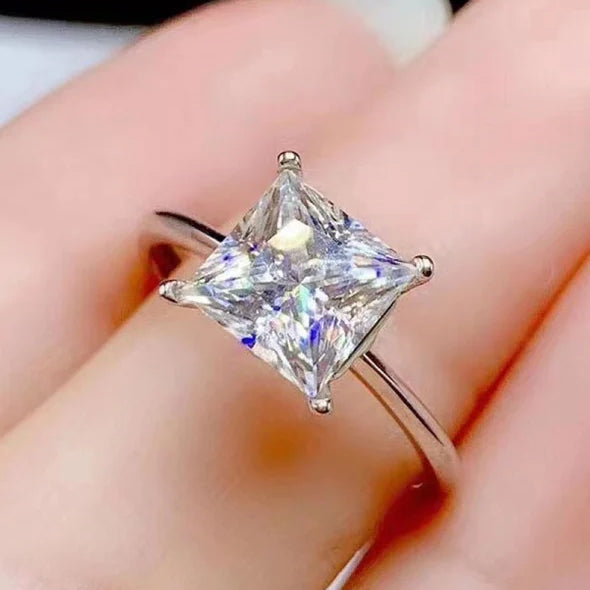
Complete Engagement Rings
Choose a ring with a diamond hand selected by a trained jeweler.

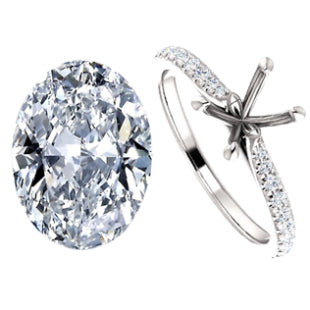

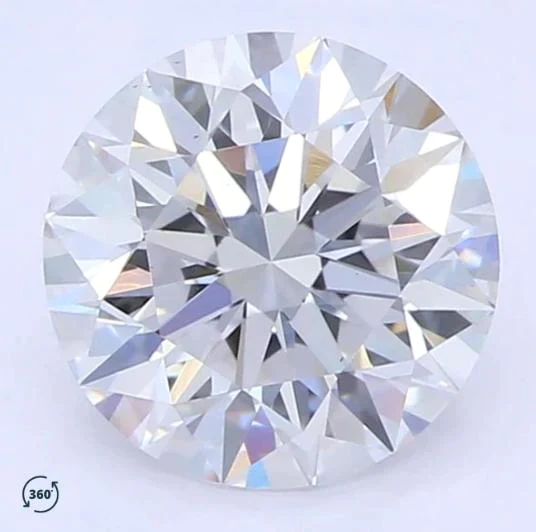
Loose Diamonds
Shop a huge selection of certified natural or lab-grown diamonds. On Sale Now!

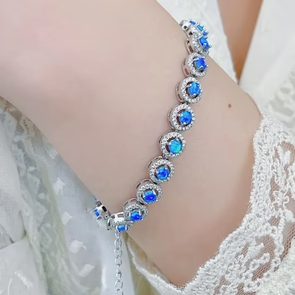
Fashion Jewelry
Fashion rings, necklaces, bracelets & earrings. Take your style to a new level.


Comments