
What Is an Asscher Cut Diamond? Pros, Cons & Settings


An Asscher cut diamond is a square step-cut stone with cropped corners and a deep, hall-of-mirrors sparkle. It looks vintage, shows inclusions easily, and offers architectural elegance over fiery brilliance. Ideal in VS1+ clarity, it suits solitaires, halos, and vintage-inspired settings.
We’ve worked with hundreds of clients who wanted something clean, architectural, and deeply personal, something that doesn’t just sparkle, but pulls you in.
That’s exactly what the Asscher cut does. It’s bold without being loud. Vintage without feeling outdated. And when done right, it becomes one of the most mesmerizing shapes you can put on a hand.
- Square step-cut with cropped corners (looks octagonal when unset).
- Deep, hall-of-mirrors sparkle, not the flash of round or princess cuts.
- Requires high clarity (VS1 or better) since flaws are easier to see.
- Looks smaller per carat than round, so size perception matters.
- Best in solitaires, halos, or channel bands with a vintage vibe.
At Mikado Diamonds, we design custom Asscher cut engagement rings that balance geometry with emotion, always handpicked, never rushed, and never chosen by AI.
We use 360° diamond videos and expert eyes (mine included) to ensure you’re getting the best value and beauty, even when details like clarity quirks or subtle color undertones aren’t visible on paper.
If all you wanted was the quick answer, that’s it. But if you want to know why the Asscher cut stands out, and how to know if it’s right for you, keep reading. Let’s dig deeper.
Quick Summary for Shoppers in a Hurry

If you’re comparing shapes or just heard of an Asscher cut for the first time, this section’s for you. It’s the highlight reel, quick and to the point.
- Shape: Square with cropped corners; looks like an octagon when loose, square when set.
- Cut style: Step-cut facets (think hall-of-mirrors, not disco ball).
- Sparkle: Deep flash, not surface glitter like round or princess.
- Best clarity: VS1 or VS2 minimum, Asschers are brutally honest about flaws.
- Best color: H or higher; step cuts don’t hide color tints.
- Face-up size: Smaller than brilliant cuts; go up in carat if size matters.
- Settings that work: Solitaire, hidden halo, three-stone, channel band.
- Best for: Custom rings with vintage, minimalist, or architectural vibes.
- Who it’s not for: Buyers chasing max sparkle or lowest price per carat.
Where Did the Asscher Cut Come From?
The Asscher cut was first introduced in 1902 by Joseph Asscher of the Asscher Diamond Company in Holland. It hit its stride during the roaring 1920s, right alongside Art Deco architecture and vintage glamour.
The clean lines, symmetry, and bold geometry made it a perfect match for that era’s design language.
Fast forward 100 years, Royal Asscher reintroduced the cut with more brilliance, adding extra facets (74 instead of the original 58). That subtle tweak brought new life to the shape, giving it a slightly brighter, more modern feel while retaining its old-school charm.
Today, we still refer to both versions as “Asscher,” but if you’re buying loose stones, the extra facets in modern Asschers give them a bit more light return, especially useful for lab-grown diamonds with excellent clarity.
How the Asscher Cut Compares to Other Shapes

People often think they’re looking for an emerald or princess cut, until they meet the Asscher. Let’s break it down.
Asscher vs. Emerald Cut

Emerald cuts are rectangular and more stretched out. Asscher cuts are square and deeper. Both have step-cut facets and that hall-of-mirrors flash, but the Asscher has a higher crown and smaller table, which creates more depth and visual pull. We like to say: If emerald cuts whisper, Asschers hum.
Asscher vs. Princess Cut

Princess cuts are brilliant-style, they sparkle more like a round. Asschers are calm, structured, and don’t rely on surface glitter. If you’re choosing between the two, it usually comes down to vibe: modern flash vs. vintage depth.
Asscher vs. Cushion Cut

Cushions are rounder and softer. Asschers are bold, sharp, and architectural. Cushions feel romantic. Asschers feel intentional. We've had clients who love both, but rarely the same person.
Anatomy of the Asscher Cut
You don’t have to be a gemologist to appreciate the mechanics of a diamond, but understanding a few key parts will help you avoid buying a stone that just doesn’t perform.
- Table: The flat top of the diamond. Smaller tables (61–65%) tend to increase depth and fire.
- Crown: The raised area below the table, Asscher crowns are typically higher than in princess cuts.
- Girdle: This is the diamond’s edge. For Asschers, aim for “very thin to slightly thick.” Too thin = chipping risk; too thick = dull appearance.
- Pavilion: The bottom portion. Asschers taper evenly with a visible cutlet at the tip.
- Length-to-width ratio: Should fall between 1.00 and 1.05 for a proper square look.
- Facets: Classic Asschers have 58; Royal Asschers have 74. Either way, the facet arrangement should pull your eye into the stone’s center, like looking down a kaleidoscope hallway.
Who Should Consider an Asscher Cut?
If you’re drawn to balance, symmetry, and timelessness over flash and fad, this shape might be calling your name. We’ve worked with artists, architects, minimalists, and vintage lovers who all end up in the same place: an Asscher cut engagement ring.
It’s especially popular with clients who:
- Want something unique, but not trendy.
- Love emerald cuts but prefer a more compact, balanced shape.
- Are upgrading from a round and want a dramatic shift.
- Are drawn to lab-grown diamonds and want a shape that showcases clarity.
- Prefer clean lines and visible structure in their jewelry.
We’ve even seen a rise in clients choosing Asscher as the center stone in men’s bands or mixed-metal two-tone rings. It’s a shape that doesn’t try to please everyone, and that’s why it works so well.
Is the Asscher Cut Right for You?

If you’re drawn to clean lines, vintage detail, and honest sparkle… if you want something that feels considered rather than copied… if you’re building a ring you’ll still love decades from now, the Asscher cut might be it.
And if you're not sure? Let’s talk. We’ll walk you through real diamond options, show you side-by-sides, and help you weigh sparkle vs. structure, size vs. clarity, style vs. daily wear.
Because the best ring isn’t the most expensive or most popular. It’s the one that tells your story, clearly, beautifully, and without compromise.
Mikado Collection
Hand Crafted Engagement Rings, Loose Natural and Lab-Grown Diamonds and a Fashion Jewelry Collection of Rings, Necklaces, Bracelets, and Earrings.

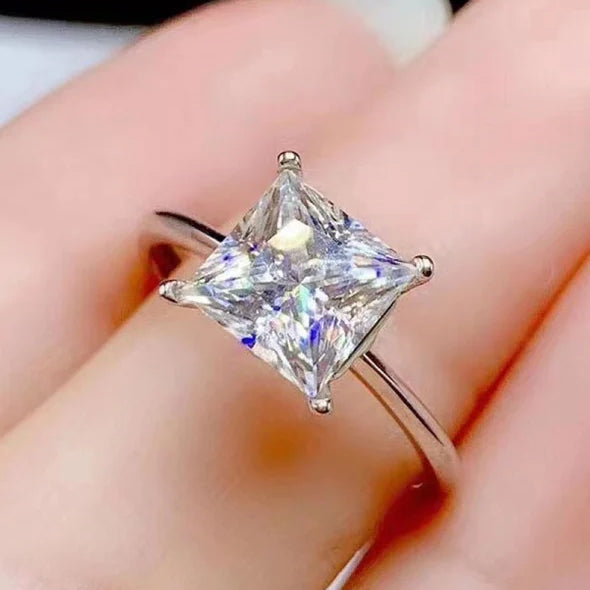
Complete Engagement Rings
Choose a ring with a diamond hand selected by a trained jeweler.


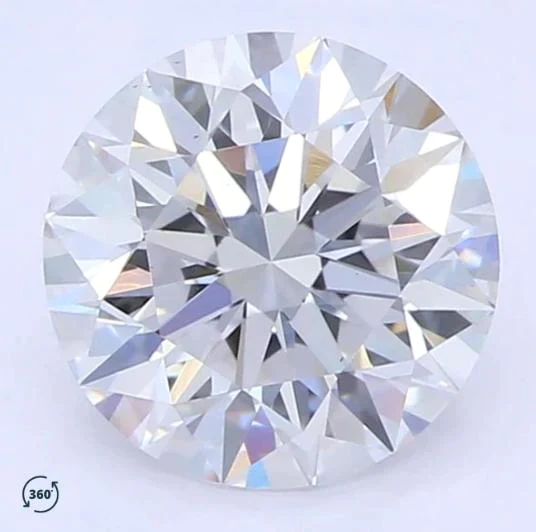
Loose Diamonds
Shop a huge selection of certified natural or lab-grown diamonds. On Sale Now!

Fashion Jewelry
Fashion rings, necklaces, bracelets & earrings. Take your style to a new level.


Comments