
What Are Lab Grown Diamonds Made Of? The Complete Scientific Breakdown


Lab grown diamonds are made of pure carbon atoms arranged in the exact same crystal lattice structure as natural diamonds. This identical atomic composition gives them the same hardness, brilliance, and fire as mined diamonds.
Understanding these key points helps you make informed decisions:
- Lab grown diamonds have identical carbon crystal structure to natural diamonds
- CVD and HPHT processes replicate nature's diamond formation in controlled environments
- Physical properties like hardness and brilliance are scientifically identical between lab and natural
- IGI and GIA certifications prove lab grown diamonds meet same quality standards
Mikado Diamonds specializes in custom engagement rings featuring certified lab grown diamonds with expert guidance throughout the selection process. Our approach combines diamond-first selection, custom design renderings, and transparent pricing to create unique rings that reflect your personal love story while delivering exceptional value.
The science proves lab grown diamonds are real diamonds with superior value. Keep reading to discover how certification standards validate their identical quality to natural stones.
The Identical Chemical Foundation: Pure Carbon Crystal Lattice
At the most fundamental level, both lab grown and natural diamonds consist of exactly the same thing: pure carbon atoms arranged in a specific three-dimensional crystal structure called a diamond cubic lattice.
How Carbon Atoms Create Diamond Properties
In this crystal lattice, each carbon atom bonds with four other carbon atoms in a tetrahedral arrangement. These covalent bonds form at precise angles of 109.5 degrees, creating an incredibly strong and rigid structure that extends throughout the entire diamond crystal.
Why Crystal Structure Determines Everything
The diamond cubic lattice is what makes a diamond a diamond. Without this exact atomic arrangement, carbon becomes graphite, coal, or other carbon forms with completely different properties. The crystal structure determines how light travels through the stone, how hard it feels, and how it interacts with its environment.
How Lab Creation Achieves Perfect Atomic Replication
Lab grown diamonds achieve this identical structure through two main methods that replicate natural diamond formation conditions. At Mikado Diamonds, we work exclusively with lab grown diamonds that achieve this perfect atomic replication, certified by IGI and GIA to confirm their identical crystal structure.
Our collection includes unique shapes like kite, hexagonal, and lozenge cuts that showcase how this crystal lattice creates brilliance regardless of the final diamond shape.
The result is a stone that's chemically, physically, and optically identical to natural diamonds - because at the atomic level, there's no difference to detect.
Lab Grown Diamond Creation: Replicating Nature's Process

Scientists have developed two primary methods to recreate the extreme conditions that form diamonds deep within the Earth's mantle. These laboratory processes produce diamonds with identical crystal structures to natural stones, but in controlled environments that ensure consistent quality.
The CVD method grows diamonds by breaking down carbon-rich gases in a vacuum chamber. CVD diamonds typically have fewer metallic inclusions and can be grown in larger sizes more easily.
HPHT replicates the natural diamond formation process more directly by mimicking Earth's mantle conditions. HPHT was the first successful lab diamond method, developed in the 1950s. It's particularly effective for creating colored diamonds and smaller stones under 3 carats.
Physical Properties Comparison: Lab vs Natural Diamonds
When tested side by side, lab grown diamonds and natural diamonds produce identical results across every measurable physical property.
Hardness and Durability Testing
Both lab grown and natural diamonds score exactly 10 on the Mohs hardness scale. This means they can scratch any other material but cannot be scratched by anything except another diamond. In practical terms, your lab grown diamond engagement ring will resist chips, scratches, and daily wear just as well as a natural diamond.
The crystal lattice structure that gives diamonds their legendary durability is identical in both types. Each carbon atom bonds with four others in a tetrahedral arrangement, creating the strongest natural material known.
IGI and GIA Grading for Lab Grown Diamonds

Both the International Gemological Institute (IGI) and Gemological Institute of America (GIA) grade lab grown diamonds using identical standards to natural diamonds. The only difference is clear labeling that identifies the diamond as laboratory grown.

Finding Your Perfect Lab Grown Diamond
Understanding the science behind lab grown diamonds reveals they're chemically identical to natural diamonds, made of pure carbon atoms arranged in the same crystal lattice structure.
However, knowing the composition is just the first step toward finding a certified, high-quality stone that meets your specific vision and budget.
That's where Mikado Diamonds comes in, specializing in IGI and GIA certified lab grown diamonds in both classic and unique shapes like oval, radiant, emerald, and even rare cuts like kite and hexagonal. Our extensive collection focuses on larger stones over 3 carats, offering the same brilliance and durability as natural diamonds at exceptional value.
Explore our certified lab grown diamond collection today and discover how scientific precision creates the perfect foundation for your custom engagement ring.
Mikado Collection
Hand Crafted Engagement Rings, Loose Natural and Lab-Grown Diamonds and a Fashion Jewelry Collection of Rings, Necklaces, Bracelets, and Earrings.

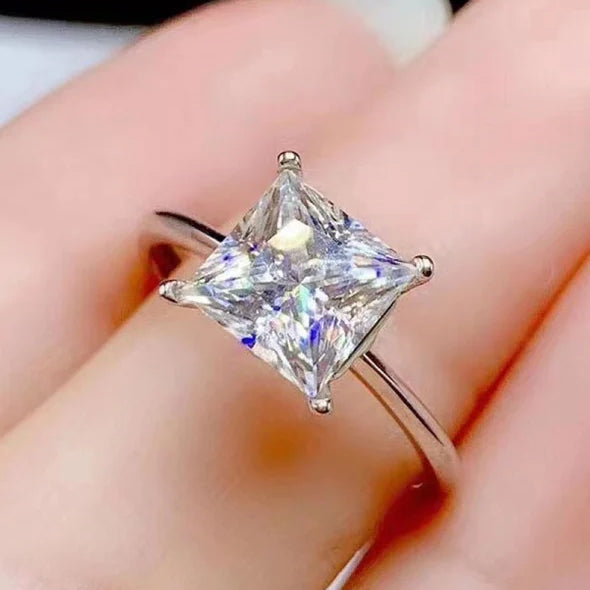
Complete Engagement Rings
Choose a ring with a diamond hand selected by a trained jeweler.

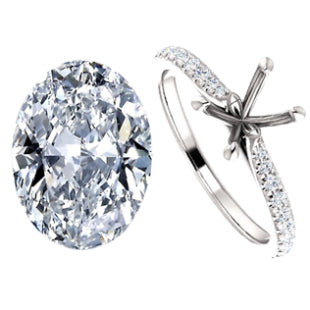

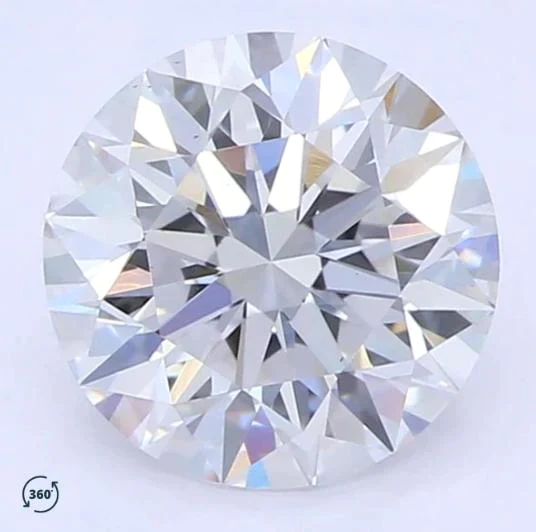
Loose Diamonds
Shop a huge selection of certified natural or lab-grown diamonds. On Sale Now!


Fashion Jewelry
Fashion rings, necklaces, bracelets & earrings. Take your style to a new level.


Comments