
Prong Styles Explained: Choosing the Best for Your Diamond


Prong styles affect both the look and safety of your diamond. This guide explains 4 vs 6 prongs, types like claw or v-tip, which are best for each shape, and how to avoid loose or snagging prongs. Clear advice from expert jewelers, without the pressure or confusion.
You want the stone to shine. You don’t want it to snag. And you absolutely don’t want to find out later that the prongs weren’t strong enough.
Quick Picks for Prong Styles:
- 4 prongs = more visibility but slightly less secure.
- 6 prongs = more secure, especially for daily wear.
- Claw/V-prongs = sleek but can catch on fabric.
- Flat/double prongs = sturdy, better for bigger stones.
- V-tip prongs = must-have for pear, marquise, princess.
- Thicker prongs = longer lifespan, thinner = more sparkle.
- Gold prongs = softer, platinum = tougher over time.
At Mikado Diamonds, we offer custom settings where every prong is placed based on your diamond’s shape, size, and wearability, not a mass-produced mold.
If you want help figuring out the best combo for your lifestyle and look, you can book a free consultation with us here.
If you’re the kind of person who wants to really know why one prong works better than another, not just be told, keep reading.
Why Prongs Matter More Than You Think

We’ve seen it a hundred times: someone spends weeks obsessing over the diamond, then picks the prong style in 30 seconds. But here’s the deal, those tiny pieces of metal do way more than just "hold the diamond."
They shape how the ring looks, how it wears, and how it lasts.
Prongs control the diamond’s security, yes, but they also control how much light gets in. More light means more fire, more sparkle. Get them wrong and your diamond can look dull, shift out of place, or even get lost.
Every diamond we work with, especially lab-grown, which tends to have sharper fire, needs the right setting to show off what makes it special. And the prongs? They’re the front line.
Why Lab-Grown Diamonds Deserve the Right Prongs

If you're considering a lab-grown diamond, especially one over 3 carats, the prong style you choose matters more than you might think.
Lab-grown diamonds are chemically and optically identical to mined ones, but they often come with sharper brilliance and larger sizes for the same price. That extra fire means the setting needs to do more than just hold the stone. It needs to show it off.
Here’s why prongs play a crucial role with lab-grown diamonds:
- Bigger stones need stronger support. A 3 or 4 carat lab-grown diamond looks amazing but carries more weight. We often recommend double prongs or thicker tabs to protect your investment.
- More sparkle deserves better framing. Sleek claw or tulip prongs let light in from all angles, making the most of a lab-grown diamond’s natural brilliance.
- Prongs can fine-tune the shape. A well-placed claw or v-tip can visually elongate or soften a diamond’s profile, especially with fancy shapes like oval, radiant, or kite.
- Color and clarity tricks matter more. For diamonds in the G–J range, choosing yellow or rose gold prongs can mask warmth or minor inclusions in a way white gold or platinum won’t.
At Mikado, we’ve built thousands of lab-grown rings, and prong style is one of those details we never leave to chance. It’s a small piece of metal, but it has a big job, making sure your diamond looks as incredible as it is.
The 6 Most Popular Prong Styles
We build custom rings every day, and these are the styles that come up again and again, each with its own tradeoffs.
- Rounded Prongs: Classic, smooth, discreet. Creates an "invisible support system" for the diamond to be the focus.
- Claw (Pointed) Prongs: Sleeker, edgier. Grabs less of the diamond, making it pop more, but has a higher chance of snagging, especially for active wearers or parents.
- V-Tip Prongs: Essential for pear, marquise, or princess cuts to protect vulnerable corners from chipping.
- Flat Tab Prongs: Square, modern, strong. Sits lower on the diamond, ideal for emerald or Asscher cuts, and popular with clients with active lifestyles.
- Double Prongs: Perfect for larger stones (3+ carats). Splits metal into two thin arms per corner for strength without bulk. Can subtly elongate the diamond's silhouette.
- Tulip Prongs: A "sleeper hit" that adds floral curves around the basket, complementing hidden halos or vintage-style rings. Offers elegance and structure at the cost of a little light.
Choosing Prongs for Your Diamond’s Shape and Size

Here’s where things get more personalized. No two diamonds are alike, even with the same shape on paper.
- Round diamonds work with almost anything, but we often suggest claw or tulip for a modern spin.
- Oval and radiant cuts? Clients worry most about the tips, V-prongs or double claws give security and symmetry.
- Princess and cushion shapes should always get corner protection, usually with v-tip or flat prongs.
- For lab-grown diamonds above 3 carats, we usually go thicker or double. The bigger the stone, the higher the risk of damage if dropped or knocked.
Also: the wrong prong can visually shorten or elongate the diamond. We’ve helped clients tweak the prong layout just to shift how the shape plays on their hand, and the difference is night and day.
Metal Type Matters: Gold vs Platinum Prongs
You’d be surprised how often prong metal is an afterthought. But it can make or break the longevity and look of your ring.
- Platinum: Stronger. Less likely to bend or wear down. Perfect if you’re going thin on prong size.
- Gold (white, yellow, rose): Softer. Easier to reshape or repair, but wears faster, especially white gold, which is usually rhodium-plated.
Pro tip: If you’re pairing white gold with a G or H color diamond, make sure the rhodium is fresh. As it wears off, it can reveal warmer tones that change how your diamond looks.
If you’re worried about clarity in lab diamonds, yellow gold prongs can help mask tiny inclusions, especially in the I–J range. It’s one of those visual tricks that doesn't show up on a grading report, but makes a big difference in real life.
Maintenance Matters: Keeping Your Prongs Safe
Even the strongest prongs wear down with time, and that's normal. Just like a car tire, they take the hits so your diamond doesn’t have to.
Here’s what we recommend:
- Inspect every 6–12 months, especially if you wear your ring daily.
- Have prongs checked after resizing. Stretching the band can pull on the prong tension.
- Catch problems early. A loose prong doesn’t mean the ring is bad, it means it's doing its job. We can retighten quickly before it turns into a real issue.
Think of prong maintenance as your insurance policy. It’s a 15-minute appointment that can save you thousands.
Still Not Sure? Here’s What We Recommend

When in doubt, schedule a free consult with us. We’ll look at your diamond shape, your lifestyle, your design preferences, and walk you through the prong options that make the most sense.
We know how overwhelming all of this can feel. But you don’t have to guess, and you don’t have to settle for a default setting because it’s what’s “usually done.”
At Mikado Diamonds, every prong we set is personal. It's shaped for your stone, your hand, your life. If that sounds like what you’re looking for, we’d be honored to help.
Mikado Collection
Hand Crafted Engagement Rings, Loose Natural and Lab-Grown Diamonds and a Fashion Jewelry Collection of Rings, Necklaces, Bracelets, and Earrings.

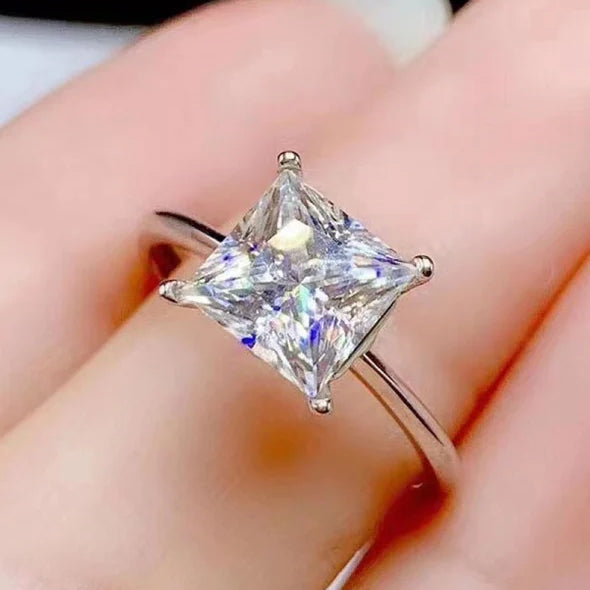
Complete Engagement Rings
Choose a ring with a diamond hand selected by a trained jeweler.


Loose Diamonds
Shop a huge selection of certified natural or lab-grown diamonds. On Sale Now!

Fashion Jewelry
Fashion rings, necklaces, bracelets & earrings. Take your style to a new level.


Comments