
Pear vs Round Diamond: Shape, Size, Sparkle & Cost


Pear diamonds look larger and cost less than rounds, but aren’t as sparkly. Round diamonds offer top brilliance and timeless style.
When someone asks us, “Which is better, pear or round?” we don’t jump into technicals. We ask a different question first: What matters more to you? Because that’s really what this choice comes down to:
- Need max sparkle? Round wins. It’s cut to reflect light from every angle.
- Want a bigger look for less money? Pear is the pick. Elongated shape = more finger coverage.
- Classic, timeless feel? Round is the most traditional.
- Unique, romantic style? Pear feels bold, artistic, and a little less expected.
- Worried about durability? Round has no vulnerable points. Pear’s tip needs a secure setting.
- Struggling to compare pears online? That’s normal. Pears don’t have standardized cut grades. You need a jeweler’s eye and a real video, not just a certificate.
Want help deciding? Book a 1:1 consult. We’ll talk sparkle, budget, and how the ring will actually look on your hand, not just on paper.
If you're deciding and want more than just a highlight reel, keep reading. We'll walk through every factor, from sparkle to price to long-term style, so you can feel confident choosing the diamond that fits you.
Visual Size & Finger Coverage

If you’re shopping with size in mind, pears have an edge. The elongated silhouette stretches across the finger, giving the illusion of a larger stone, even when the carat weight is the same.
At Mikado, clients are often surprised when we show them a 2.5 carat pear next to a 2.5 carat round. The pear almost always looks noticeably bigger. And because lab-grown diamonds allow for more size at a lower price, this effect is amplified.
That said, round diamonds can appear deeper and more compact. They carry more weight below the surface, which can reduce their face-up size.
If you want your diamond to make an impression across the hand, pear might be your best bet.
Sparkle & Light Performance

Round brilliant cuts are designed for one thing: maximum sparkle. With 57 or 58 facets and symmetrical light return, they’re unmatched when it comes to brilliance.
Pear diamonds, on the other hand, are a bit more complex. They can still sparkle beautifully, but because they’re asymmetrical, their light performance can vary widely. Some pear shapes show a “bow-tie” shadow across the middle.
A little of this is normal. Too much, and the stone can look dark or uneven. This is why we never recommend choosing a pear diamond based on the grading report alone.
If sparkle is your top priority, stick with round. If you’re open to a little nuance and love the shape of a pear, we’ll help you find one that shines.
Cost & Value for Budget (Go Lab Grown)

One of the biggest upsides to choosing a pear diamond is price. Pear shapes typically cost 10–30% less than round diamonds of the same quality and carat weight.
Why? Rounds waste more of the rough diamond during cutting, and they’re in higher demand.
For our clients looking to maximize size without breaking the bank, pears, especially lab-grown, offer exceptional value. You can often move up half a carat or more for the same budget when choosing pear over round.
In short: If you're looking for the biggest look for your dollar, pears deliver. And at Mikado, we’ll help you use that budget wisely, balancing size, clarity, and cut for the best overall beauty.
Style, Symbolism & Personality

Round diamonds are the most classic, most worn, most universally accepted diamond shape on earth. They’re timeless. They work in every setting.
If tradition, symmetry, and broad appeal matter most to you, you can’t go wrong with round.
But pears are different.
They’re emotional. Romantic. A little rebellious.
Some of our clients say they feel like the pear shape mirrors their personality, artistic, independent, not afraid to stand out. Others choose it because it feels more personal, like a teardrop frozen in time.
We’ve also seen more clients using pear diamonds for ring upgrades or second marriages, when they’re choosing what they want, not what tradition dictates.
Both shapes are beautiful. But they speak different visual languages. If you’re drawn to the idea of creating something that reflects your story, pear might be the better fit.
Durability & Setting Protection
Here’s the one drawback of pears you need to know: the point is vulnerable.
That pointed tip can snag on clothing or chip if not properly protected.
We always recommend a V-prong, bezel, or halo to shield that end, especially if you plan to wear the ring every day. It’s a small design detail that makes a huge difference in long-term durability.
Round diamonds don’t have this issue. Their shape is enclosed and naturally strong. If you're hard on your hands or prefer a ring that doesn’t require extra care, round may offer a little more peace of mind.
That said, we’ve created hundreds of pear engagement rings at Mikado without a single durability issue, because we build the setting right the first time. Protection isn’t complicated. It just needs to be done thoughtfully.
Cut, Symmetry & Quality Control

Here’s something most shoppers don’t realize: round diamonds are graded for cut quality by GIA. Pears are not.
That means with rounds, you can look at the certificate and know, at least on paper, how well the diamond was cut.
With pears, it’s more subjective. There’s no formal grading for cut, symmetry, or proportions. You have to judge it by eye. And the truth is, not all pears are created equal.
If you're someone who values balance and precision, round diamonds offer more consistency. If you're open to expert guidance and want a unique shape, a pear can still be an excellent choice, as long as it’s vetted properly.
Color, Clarity & Light Behavior
Pear diamonds tend to show more color than rounds, especially toward the pointed end. This is due to how light moves through the shape. If you're choosing a lower color grade (say, I–J), that warmth may be more visible in a pear than in a round.
That doesn’t mean you need to max out your color budget. We often recommend H for round diamonds and G–H for pears, especially in white gold or platinum. For yellow gold settings, an I or even a J pear can look stunning.
Clarity-wise, both shapes can hide inclusions well, especially when the stone is well-cut. But be aware: the narrow tip of a pear isn’t as forgiving as the rounded edges of a round.
You don’t want inclusions near the point where the diamond is more exposed.
This is where working with a jeweler matters. We review every diamond’s flaws, not just the grade, but where they are and how they affect beauty. It’s not about picking the highest number. It’s about getting the best-looking stone for your eye.
Finger Size Influence

Pear diamonds are flattering on nearly every finger type, but their impact is especially noticeable on smaller hands. The tapering point and elongated body stretch the appearance of the finger, adding elegance and length.
Round diamonds, while universally flattering, don’t visually alter the proportions of your hand as much. If you’re looking for something that elongates or slims, a pear might deliver that subtle boost of drama.
We factor this in during your design consultation, not to steer you, but to make sure you’ve seen what works for your hand, not just what’s trending.
Still deciding between pear and round?

You don’t have to figure it out alone. We’ve helped hundreds of couples explore both shapes side by side, on video, on hand, and on budget. Whether you want timeless brilliance or something a little bolder, we’ll guide you to the diamond that feels like you.
Book a free consultation with Mikado Diamonds.
No pressure. Just straight answers, and one-on-one support from someone who actually cares what this ring means to you.
Mikado Collection
Hand Crafted Engagement Rings, Loose Natural and Lab-Grown Diamonds and a Fashion Jewelry Collection of Rings, Necklaces, Bracelets, and Earrings.

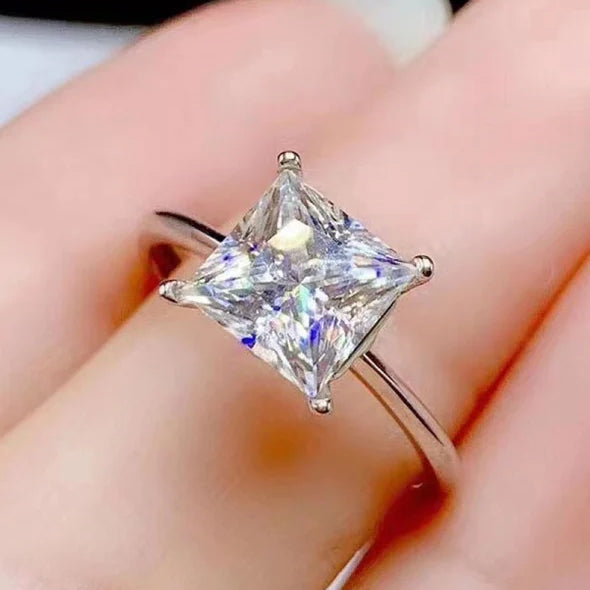
Complete Engagement Rings
Choose a ring with a diamond hand selected by a trained jeweler.


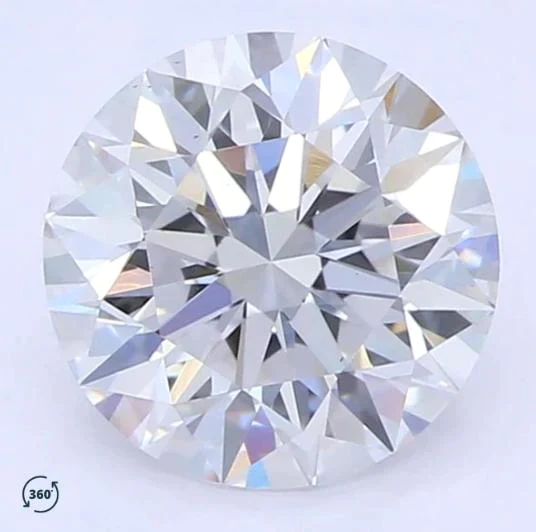
Loose Diamonds
Shop a huge selection of certified natural or lab-grown diamonds. On Sale Now!

Fashion Jewelry
Fashion rings, necklaces, bracelets & earrings. Take your style to a new level.


Comments