
Why Moissanite Is Outselling Diamonds (and Is It Right for You?)


In the world of engagement rings, a surprising shift is underway. Many soon-to-be couples are bucking the diamond tradition in favor of moissanite – a dazzling, lab-created gemstone that’s redefining what “engagement sparkle” means. Recent trends show explosive growth in moissanite popularity (one retailer saw a 300% jump in moissanite sales in a year), and studies indicate over 70% of millennials would choose a moissanite or lab-grown gem over a mined diamond for ethical reasons. For budget-aware shoppers close to a decision, it’s crucial to understand why moissanite is gaining ground and whether this diamond alternative aligns with your priorities. In this guide, we’ll compare moissanite vs. natural and lab-grown diamonds on sparkle, durability, price, sourcing, and long-term value – all to help you make a confident choice. We’ll even show real Mikado Diamonds ring examples to illustrate the differences, and offer tips on deciding if moissanite is the right fit for you. Let’s dive in.
Sparkle & Brilliance: Which Stone Shines Brightest?
When it comes to sparkle, moissanite takes the crown in pure flash. This gemstone has a higher refractive index (2.65–2.69) than diamond (about 2.42), meaning it bends and reflects more light. The result is a burst of brilliance and fire: moissanite doesn’t just sparkle – it throws off rainbow flashes that can even outshine diamonds of similar size. In fact, moissanite’s light dispersion (fire) is around 0.104 vs. diamond’s 0.044, giving it roughly 2x the fire of a diamond. If you love an eye-catching “disco ball” sparkle, moissanite delivers unrivaled brilliance and colorful flashes in all lighting conditions.
Diamond sparkle, by contrast, is often described as a classic white shimmer. Natural and lab-grown diamonds sparkle with exceptional brightness, but their fire is a bit more subdued and icy compared to moissanite’s prismatic dazzle. Some traditionalists prefer the diamond’s balanced brilliance – it’s intense but with smaller rainbow flashes. Moissanite’s extra fire is a double-edged sword: many adore its head-turning look, while a few find it “too much” in certain lights. To an untrained eye, however, a well-cut moissanite can look virtually identical to a diamond. Unless someone is a jeweler or very observant about gemstone optics, they’ll simply see a stunning, sparkly ring.
Bottom line: If maximum sparkle is your top priority, moissanite wins this round – it’s literally more refractive and fiery than diamond. But if you prefer the traditional flash of a diamond (with a touch less rainbow effect), you might value the diamond’s signature look. In either case, all three options – moissanite, lab-grown diamond, and mined diamond – will give you a beautiful sparkle on your finger. It’s mostly a matter of personal taste in the quality of light each stone emits.
Durability & Daily Wear: Can Moissanite Handle Life?
An engagement ring should endure everyday life. Diamonds are famed for being the hardest natural material – ranking 10 on the Mohs hardness scale – which means they resist scratches better than any other gem. However, “hardness” isn’t the whole story for durability. Diamonds, while scratch-proof, can still chip or fracture if struck at the wrong angle, especially along certain cleavage planes or in fragile cuts (a princess cut diamond, for example, has sharp corners that need protection). Both natural and lab-grown diamonds share this hardness and have equal durability in real-world use (lab diamonds are, after all, chemically identical to mined ones). With normal wear and some care, a diamond ring will last for generations – which is part of its appeal.
Moissanite holds its own impressively well here. It ranks 9.25 on the Mohs scale, harder than any gemstone except diamond. In practical terms, moissanite is extremely scratch-resistant – you won’t easily mar its surface even with daily wear. In fact, moissanite is such a “tough cookie” that jewelers note it can handle heat and handling during repairs better than diamonds (which risk burning or chipping in some settings). Because of this combination of hardness and toughness, we confidently recommend moissanite for active lifestyles. Whether you’re hitting the gym, traveling, or just someone a bit rough on jewelry, a moissanite engagement ring can keep up with minimal worry.
What about long-term durability? Both diamond and moissanite are highly stable – they won’t cloud or degrade over time. Moissanite is lab-grown in controlled conditions, so it’s typically internally flawless and doesn’t have natural inclusions that could pose weak points. It’s a stone you can wear every day without “babying” it, much like a diamond. The only caution is that moissanite, being slightly softer than diamond, could pick up microscopic scratches over many years, but this is rare and often remedied by a routine polish. For context, household dust is Mohs ~7 – both diamond and moissanite are well above that, so daily surface wear is not a concern.
Bottom line: Moissanite is more than durable enough for a lifetime of wear. It’s second only to diamond in hardness, and in some cases, it’s even more tough against chips. If you lead an active life or worry about damaging a ring, know that moissanite (and diamonds, of course) are top-tier choices for durability. Other popular diamond alternatives (like morganite or emerald) are much softer and risk damage, but moissanite’s strength is a big reason it’s overtaking those in popularity.
Price Comparison: Moissanite vs Natural & Lab Diamonds
Perhaps the biggest reason budget-smart shoppers are flocking to moissanite is price. Simply put, moissanite offers the look of a large diamond at a fraction of the cost. A 1-carat moissanite gem typically costs only around $400–$600. Even the highest grade, branded moissanites (such as Charles & Colvard’s Forever One) will be in the low hundreds per carat. In contrast, a 1-carat natural diamond can range from $5,000 to $15,000 depending on quality. And even a 1-carat lab-grown diamond averages around $1,500–$3,000 today. In practical terms, for the price of a modest 0.5 ct mined diamond, you could buy a show-stopping 2–3 ct moissanite. This is game-changing for couples who want a bigger stone without breaking the bank.
To illustrate, here are some real examples from Mikado Diamonds’ offerings:
-
Moissanite example: Unpredictable Day 3 Carat Moissanite Ring – a simple classic solitaire in sterling silver – retails for $752. Yes, that’s 3 carats of sparkle for well under $1k (silver metal helps keep it very affordable). Even in 14k gold, a 1 carat moissanite solitaire would typically land under ~$1,000 in many cases. Moissanite allows you to maximize size dramatically on a budget.
-
Lab-grown diamond example: A comparable 1-carat lab diamond solitaire ring in 14k gold might cost around $1,275 (on sale from $2,450) for a high color/clarity stone. Mikado currently lists a 1.03 ct E/VVS2 lab-grown diamond ring in white gold for about $1.3k – a great value relative to mined stones, but still roughly double the moissanite price for a much smaller carat weight.
-
Natural diamond example: A similar 1.00 ct natural diamond solitaire (G color, SI2 clarity, 14k gold) is priced around $1,560 on Mikado (on clearance from an original $3,600). Notably, that stone is a clarity-enhanced diamond, which lowers the cost – a typical untreated 1 ct natural diamond ring often exceeds $3k–$5k. So even at ~$1.5k, you’re likely looking at a discounted or treated diamond option to hit that price.
As you can see, moissanite delivers massive savings. You’re often paying 70–90% less than a comparable natural diamond, and easily 50–80% less than an equivalent lab-grown diamond of the same size. This price gap opens up possibilities: you might put those savings toward a more intricate ring setting, a wedding or honeymoon fund, or simply enjoy getting a larger stone for the same spend. For budget-conscious buyers, moissanite’s affordability is its most compelling advantage.
Of course, price isn’t everything – but it certainly helps. Lab-grown diamonds occupy a middle ground: they are more expensive than moissanite but significantly cheaper than mined diamonds (often by 60% or more). If you must have a “real” diamond but are price-sensitive, lab diamonds are a fantastic option (Mikado offers many Lab-Grown Diamond Engagement Rings to choose from). Yet, even lab diamonds can’t beat moissanite on price-per-carat. With moissanite, you truly get the biggest bang for your buck in terms of size and sparkle.
Bottom line: If budget is a primary concern, moissanite is the clear winner. It enables couples to get a stunning ring without the sticker shock. Many Mikado customers find they can afford a ring that looks like it came from a luxury jeweler, but was comfortably within a modest budget. That confidence – knowing you didn’t overspend – is priceless. Just keep in mind that the lower cost comes with some differences in material (as we cover in other sections), so weigh what matters most to you.
Ethical Sourcing: Lab-Made vs Earth-Mined
Another driver behind moissanite’s rise is ethics and sustainability. Traditional diamond mining has long been associated with environmental disruption and, in worst cases, human rights issues (the classic “blood diamonds” concern in conflict regions). While the industry has made improvements with certified conflict-free diamonds, some shoppers still feel uneasy about the opaque supply chain and ecological toll of mining. Lab-grown diamonds provide a compelling alternative since they are created in controlled facilities with no mining required – drastically reducing environmental impact and ensuring no conflict funding. Moissanite shares these ethical advantages: it’s entirely lab-created (the mineral was originally discovered in meteorites, but now all jewelry-quality moissanite is grown in labs). There’s no mining, no questionable labor practices, and a much smaller carbon footprint per carat.
In fact, moissanite could be considered one of the most eco-friendly gemstones available. Producing moissanite uses relatively modest energy and resources compared to digging up tons of earth for a small diamond. One study noted moissanite’s creation uses 90% less water than mining an equivalent diamond. Plus, moissanite is composed of silicon carbide – a readily created compound – so it doesn’t require scarce resources. For the socially and environmentally conscious couple, moissanite checks the “green” box with ease. You get a conflict-free gem with a clean origin story (literally from the stars to the lab!).
Natural diamonds, on the other hand, rely on responsible sourcing initiatives if you want peace of mind. Many jewelers, Mikado included, can provide ethical natural diamonds that are Kimberly Process compliant and often Canadian or Botswana mined, for example. However, if avoiding mining altogether is important to you, then it comes down to lab-grown diamond vs moissanite. Lab diamonds give you an authentic diamond without the mining, whereas moissanite gives you a diamond-like gem without mining and at a lower cost. Both are solid ethical choices.
One more angle: some people have emotional reservations about diamonds (due to the history of the industry’s marketing or perceived deception in pricing). Choosing moissanite can feel like a small rebellion – an ethical luxury without compromise. You’re not paying into a system you disagree with; instead, you’re embracing a modern gemstone that aligns with values of sustainability. That aspect resonates with many modern couples.
Bottom line: Moissanite stands out as an ethical, sustainable choice. If you love the idea of a beautiful ring free from mining and conflict, moissanite (and lab diamonds) let you wear your values proudly. Mikado offers all three options – including fully traceable lab diamonds and ethically sourced natural stones – so you can’t go wrong. It just boils down to whether you’re comfortable with a diamond alternative or prefer a stone that is chemically a diamond. Ethically speaking, there’s no penalty for choosing moissanite – in fact many see it as a plus.
Long-Term Value & Resale Considerations
Buying an engagement ring isn’t like buying an investment stock – the true “value” is emotional. That said, it’s natural to wonder about resale value or how your ring holds value over time. Here’s the truth:
-
Natural Diamonds: Traditionally have some resale or trade-in value, but often far below what you originally paid. The retail markup on diamonds is high, and unless your diamond is large or very rare, you might recover only ~30-60% of its purchase price if you resell. (There are exceptions for investment-grade diamonds, but for typical engagement rings, you shouldn’t count on profit.) Still, a natural diamond from a reputable lab (GIA-certified, etc.) is seen as having inherent value due to rarity, and some people like knowing their stone is “forever” in that sense.
-
Lab-Grown Diamonds: Currently have limited resale value. Because labs can produce more stones continuously (and prices for new lab diamonds keep dropping), the market for second-hand lab diamonds is weak. Think of it like electronics – new models get cheaper and better, so used models aren’t in high demand. Most buyers of lab diamonds want the latest tech or a custom choice, not a used stone. If you try to resell a lab diamond, you may find offers are very low. However, this is offset by the fact you paid much less to begin with. Also, as lab diamonds become more common, this may change, but it’s hard to predict.
-
Moissanite: Generally has minimal resale value as well. Moissanite isn’t scarce (it can be made as needed), so the stone itself doesn’t hold monetary value once purchased – similar to buying a new car that depreciates. Most jewelry stores will not “buy back” a moissanite ring for anywhere near what you paid; they may instead offer trade-in credit at most. That said, moissanite rings often cost so little relative to diamonds that there isn’t nearly as much money at stake. If you spend $800 on a moissanite ring, the resale question isn’t as critical as if you spent $8,000 on a diamond. You likely chose moissanite for its practical value, not as a financial asset.
Importantly, none of these stones truly appreciate in value over time in the way, say, gold bullion might. The diamond industry historically tried to position natural diamonds as heirloom investments, but the reality is a bit different. Unless your diamond is truly exceptional, you won’t get what you paid if you sell it – that’s just a market reality. Moissanite and lab stones simply make this more apparent because their second-hand market is newer and smaller. But remember: you’re buying this ring for a lifetime of personal value, not for the resale. The “return on investment” is in the memories, the daily sparkle that reminds you of your commitment, and the symbolism of the gem – not in dollars back.
One more aspect of long-term value is appearance over time. Here, moissanite shines (literally). Moissanite is extremely resistant to clouding or changing color. Over years of wear, it will remain as brilliant as Day One with basic care (just occasional cleaning to remove oils). It doesn’t yellow or get hazy. Some buyers of softer gems (like morganite or cubic zirconia) report their stones looking dull or scratched after a few years – that won’t happen with moissanite. Diamonds likewise keep their beauty indefinitely (they’re famous for it). Both moissanite and diamonds can attract dirt or grease, but a quick wash brings back the sparkle. There’s no worry about durability-related degradation with either stone.
As for perception: Will the value (or lack thereof) of moissanite matter to you or others? Only you can answer that. To the outside world, your moissanite will look as gorgeous as a diamond. In fact, moissanite is convincing to the untrained eye – most people will assume it’s a diamond unless told otherwise. If your social circle is concerned with “how big is the diamond?”, a moissanite can comfortably fill that role without anyone the wiser. But if you plan to one day upgrade or trade in your stone, know that a moissanite won’t have trade-in value at a typical jeweler (whereas some jewelers offer upgrade programs for natural diamonds). At Mikado, we’re transparent: moissanite and lab stones are not about resale – they’re about getting the most beautiful ring for your budget today. And many couples find that value proposition more than worth it.
Bottom line: In terms of long-term financial value, moissanite (and lab diamonds) won’t hold value like a natural diamond might. But even natural diamonds aren’t great investments unless they’re extremely high-end. We recommend choosing your stone based on sentimental value and practical value, not future resale. If you love the ring you get and you didn’t overspend, that in itself is tremendous value. Moissanite scores high there by giving you lifelong beauty at a low cost. Diamonds carry a prestige and tradition that some value, and that’s a form of intangible “value” too. Consider what matters more to you: the symbolism and enjoyment of the ring, or the notion of intrinsic value. Most people propose with a ring to symbolize love, not as a financial strategy!
Pros and Cons of Moissanite at a Glance
To summarize the discussion, here’s a quick rundown of moissanite’s key pros and cons:
-
Pros of Moissanite:
-
Affordable luxury: Get a larger, stunning center stone for a fraction of a diamond’s price. Budget-friendly without looking cheap.
-
Brilliant sparkle: Higher refractive index means eye-catching fire and brilliance – often even flashier than a diamond.
-
Durable: Hardness of 9.25 Mohs – suitable for daily wear, highly scratch-resistant and tough against chipping.
-
Ethical & Sustainable: Lab-grown with no mining, so it’s conflict-free and eco-conscious. A guilt-free gemstone.
-
Visually diamond-like: Colorless (or near-colorless) and usually flawless to the eye. To most, it looks indistinguishable from a diamond of excellent quality.
-
Cons of Moissanite:
-
“Not a diamond”: It’s a different gemstone (silicon carbide vs carbon). Purists may feel it lacks the traditional prestige or emotional gravitas of a natural diamond.
-
Different type of sparkle: Moissanite’s fiery rainbow flashes are bolder. In very large sizes, some can notice a slight “disco ball” effect or double refraction in the stone’s facets. This is subjective – some love it, a few don’t.
-
Low resale value: As discussed, moissanite isn’t an investment piece. You likely won’t recoup much if you ever sell or trade it in.
-
Color nuance: High-quality moissanite is generally graded as colorless (equivalent to diamond D-F range) or near-colorless (G-H range). However, in certain lights or in larger stones, some moissanites can show a warm tinge. Most people don’t notice this, but a diamond of the exact same color grade might face-up a touch whiter due to different crystal structure. If you’re extremely color-sensitive, you’ll want to buy a premium colorless moissanite.
-
Tradition factor: If part of your dream is owning a “real diamond” like your mother or grandmother had, you may miss that aspect with moissanite. There’s an emotional component to consider – and no right or wrong answer.
As you weigh these pros and cons, remember that lab-grown diamonds share many of the same pros (ethical, relatively affordable compared to natural, real diamond sparkle) and cons (resale value, still not “rare”). Natural diamonds have the well-known pros of tradition, natural rarity, and established status, but come with the cons of high cost and ethical concerns for some. In the end, each option shines in its own way.
Is Moissanite Right for You?
With all this information, the final question is personal: Should you choose a moissanite engagement ring? The answer depends on your priorities, lifestyle, and what makes you feel excited when you open that ring box.
Choose moissanite if… you want a big, brilliant stone on a moderate budget. If you’ve been eyeing a 2-carat or 3-carat look but thought it was out of reach, moissanite is your ticket to that dream ring without debt. It’s ideal if you value practicality and sparkle over tradition – perhaps you love the idea of saving money or allocating more of your budget to an elaborate ring setting, honeymoon, or future home. Moissanite is also great for the ethically minded who want zero mining impact. And if you have an active or hands-on lifestyle (nurses, athletes, chefs, etc.), you can wear moissanite with peace of mind knowing it won’t easily chip or scuff.
Importantly, choose moissanite if you (and your partner) simply love how it looks. At the end of the day, you should get the ring that makes your heart sing when you see it. If you adore moissanite’s fiery sparkle and what it represents, that’s what matters. Many couples tell us that once they saw a well-cut moissanite in person, any lingering worries about it “not being a diamond” vanished – it was beautiful, period.
Consider a diamond (natural or lab-grown) if… you or your partner place high sentimental value on the idea of a diamond specifically. For some, the tradition of a diamond engagement ring is deeply meaningful, and that’s completely valid. You might have always envisioned passing down a diamond ring as an heirloom – natural diamonds carry that sense of permanence and story. Also, if you’re the type who cares about symbolic value or rarity, you might lean toward a natural diamond. There is something unique about a precious stone formed over billions of years that appeals to our emotions. If that aspect resonates with you strongly, a moissanite might not satisfy in the same way a diamond would.
A lab-grown diamond can be a perfect compromise: it gives you a “real” diamond that’s virtually identical to a mined one, but at a much friendlier price. This is a great route if you want the technical authenticity of diamond (carbon crystal, 10 Mohs hardness, GIA/IGI certification, etc.) without the huge cost or ethical baggage. Mikado has a full range of Lab-Grown Diamond Engagement Rings and even the ability to design your own ring with a lab diamond center.
In short, moissanite is right for you if value, size, and sparkle top your list – and you’re okay with an alternative gem. If you crave tradition, consider a diamond (and remember you can always accent a diamond ring with moissanite side stones or vice versa; there are creative ways to blend). Many couples nowadays even openly choose moissanite for the engagement and plan to perhaps get a diamond for a future anniversary. There are no rules – just what works for your relationship and budget.
Finding Your Perfect Ring: Next Steps
If you’ve made it this far, you’re well-equipped to make an informed decision. Moissanite is outselling diamonds for good reason – it offers incredible beauty, durability, and value that align with modern couples’ needs. But the “right” ring is ultimately the one that feels right to you.
To further guide your choice, we invite you to see these stones up close. Browse our collections online or schedule an appointment (virtual or in-person) to view samples. Often, seeing a moissanite vs a diamond side by side settles the debate for folks. You might be astonished how similar they appear, or you might find you simply prefer one over the other on sight – trust that instinct.
At Mikado Diamonds, we carry a curated selection of all three options:
-
Explore our hand-picked Moissanite Engagement Rings – including certified Charles & Colvard Forever One moissanites in a variety of classic and modern designs.
-
If a diamond is calling your name, check out our Natural Diamond Engagement Rings or Lab-Grown Diamond Engagement Rings collections. You’ll find rings at every price point – from affordable solitaire settings to elaborate halos – thanks to our competitive pricing (e.g., 1 ct rings starting around $1,200).
We stand behind every ring with a lifetime warranty and a commitment to quality, so whichever stone you choose, you can purchase with confidence. Our team is happy to answer any questions and help you compare options one-on-one. We know it’s a big decision, and we’re here to support you, not pressure you.
Ready to choose your forever ring? Browse our collections or use our online ring builder to customize the perfect engagement ring that fits your vision. Whether you ultimately say “Yes” to a dazzling moissanite or a brilliant diamond, you’ll be getting a beautiful symbol of love that suits your lifestyle and budget. And that’s something to celebrate.
Discover the ring that’s meant for you. Visit our Moissanite Engagement Rings showcase or contact us for personalized guidance. We’re excited to help you find the one – both the ring and the person, at a price that lets you focus on what truly matters: the start of your next chapter together.
Mikado Collection
Hand Crafted Engagement Rings, Loose Natural and Lab-Grown Diamonds and a Fashion Jewelry Collection of Rings, Necklaces, Bracelets, and Earrings.

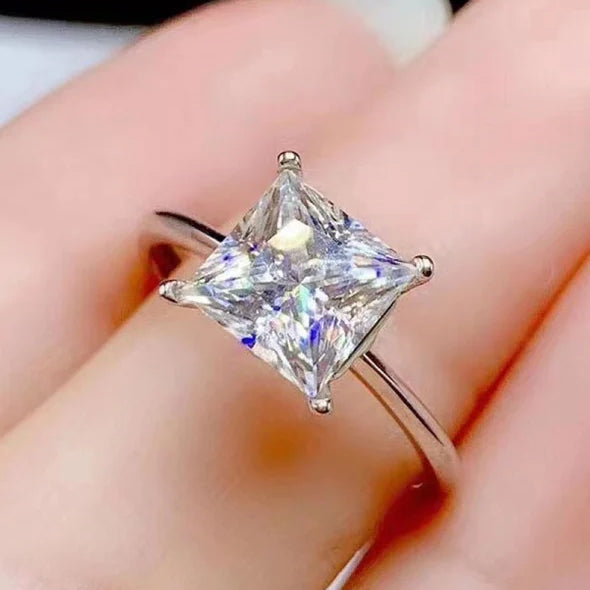
Complete Engagement Rings
Choose a ring with a diamond hand selected by a trained jeweler.


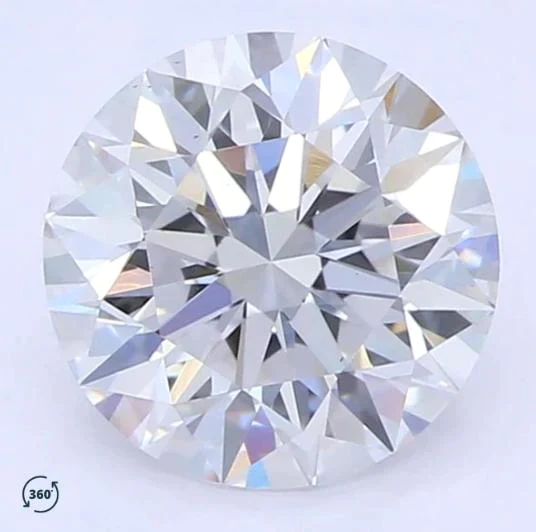
Loose Diamonds
Shop a huge selection of certified natural or lab-grown diamonds. On Sale Now!

Fashion Jewelry
Fashion rings, necklaces, bracelets & earrings. Take your style to a new level.


Comments