
Lab-Grown Diamonds vs Natural Diamonds vs Moissanite: Key Differences Buyers Should Know


Choosing a sparkling stone for an engagement ring can feel nothing short of overwhelming. Lab-grown diamonds, natural diamonds, and moissanite all look stunning at first glance, but they’re not the same thing. Each option comes with its own story, price point, and personality.
If you’re trying to decide which stone fits your lifestyle, values, and budget, good news: you’re in the right place. Here are the key differences between lab-grown diamonds, natural diamonds, and moissanite that every buyer should know:
All About Natural Diamonds
Natural diamonds are the originals. Formed deep within the Earth over billions of years under intense heat and pressure, they’re mined from the ground and cut into the gems we recognize instantly. Their age and rarity give them a powerful emotional appeal: many buyers love the idea that their diamond is a tiny piece of the planet’s ancient history.
Having said that, though, natural diamonds usually come with a higher price tag. Their cost reflects mining expenses, limited supply, and market demand. Some people also consider ethical and environmental concerns when shopping for mined diamonds, although responsible sourcing and certification have improved a lot in recent years. If tradition, rarity, and long-term value matter the most to you, then a natural diamond might be the ideal choice.
What Makes Lab-Grown Diamonds Different
Don’t be fooled by the name: lab-grown diamonds are just as real as natural diamonds, only they’re made in a lab instead of the Earth’s mantle. Chemically, physically, and visually, they’re absolutely the same as mined diamonds. Even trained gemologists need specialized equipment to tell the best lab-grown diamonds apart from the natural kind. The main differences are origin and price.
Because they’re grown using advanced technology that mimics natural conditions, lab-grown diamonds usually cost 30 to 50 percent less than mined diamonds of similar quality. They also appeal to eco-conscious consumers by eliminating the need for traditional mining practices. However, one downside of opting for lab-grown diamonds is that they don’t usually hold resale value as well as natural diamonds, which matters to some buyers and not at all to others.
Moissanite: The Brilliant Alternative
Moissanite often gets lumped in with diamonds, but it’s actually a different gemstone entirely. It was originally discovered in the crater of a meteor, which already gives it a cool backstory right out of a science fiction movie or novel. Today’s moissanite, though, is lab-created and known for its intense sparkle.
Compared to diamonds, moissanite reflects more light, which can create a rainbow-like fire that some people love and others find a bit “flashy”. Another advantage of moissanite is that it’s also extremely durable and suitable for everyday wear, though it’s slightly softer than a diamond. Price is moissanite’s biggest draw: it’s significantly more affordable than diamonds (natural or lab-grown), making it a popular choice among buyers on a tight budget who still want maximum sparkle.
Visual Differences
Most people worry about whether others will be able to tell what kind of stone they’re wearing. The good news is that lab-grown diamonds and natural diamonds are visually identical, as stated above, and someone would need special equipment to tell them apart.
Moissanite, however, has a different type of sparkle. It reflects light in a way that creates more rainbow flashes, known as “fire”. In everyday lighting, moissanite can look larger and more brilliant than a diamond of the same size. That can either be a bonus or a drawback, depending on your taste: some people love moissanite for being bold and flashy, while others feel it appears slightly too sparkly, even disco-like compared to the classy brilliance of a diamond.
Durability and Everyday Wear
Engagement rings are typically worn daily, which is why the durability of the stones you choose for one matters more than most people realize.
Everyone knows that diamonds are the hardest substance on the planet. Both natural and lab-grown diamonds rank a perfect 10 on the Mohs hardness scale, which means that they’re incredibly resistant to scratches and ideal for lifelong wear.
However, moissanite isn’t far behind and shouldn’t be discounted. It scores around 9.25: technically not as hard as a diamond, but tough enough for everyday use and won’t easily scratch, either.
Ethical and Environmental Considerations
Many modern buyers care about where their jewelry comes from, and for good reason.
Natural diamond mining has improved over the years, but it can still involve environmental disruption and ethical concerns, depending on the source. Certifications certainly help, but transparency varies.
Lab-grown diamonds, meanwhile, tend to have a smaller environmental footprint and avoid mining-related issues entirely. That appeals to buyers who want a more sustainable, conflict-free option.
Moissanite is also created in a lab, which means it avoids mining altogether. From an ethical standpoint, both lab-grown diamonds and moissanite check a lot of boxes for socially conscious shoppers.
Find the Best Lab-Grown Diamonds, Natural Diamonds, and Moissanite Right Here on Mikado Diamonds
Whether you choose a lab-grown diamond, a natural diamond, or moissanite for your engagement ring, you won’t find a better selection than right here on Mikado Diamonds. Choose from our extensive catalog of ready-to-ship engagement rings or work with us on a fully custom piece by using the ring creator tool available right here on our website.
Mikado Collection
Hand Crafted Engagement Rings, Loose Natural and Lab-Grown Diamonds and a Fashion Jewelry Collection of Rings, Necklaces, Bracelets, and Earrings.

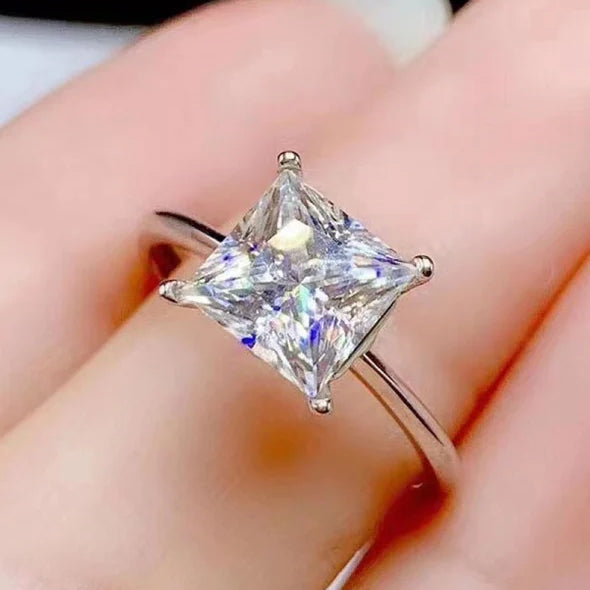
Complete Engagement Rings
Choose a ring with a diamond hand selected by a trained jeweler.

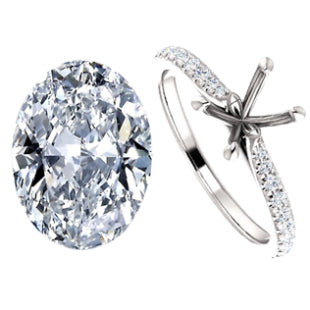

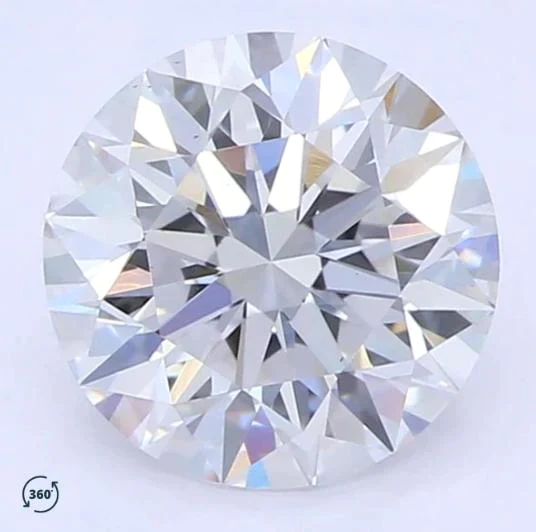
Loose Diamonds
Shop a huge selection of certified natural or lab-grown diamonds. On Sale Now!

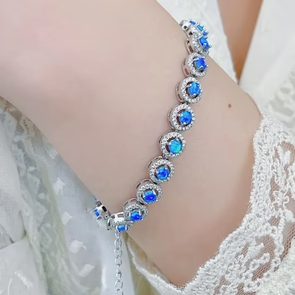
Fashion Jewelry
Fashion rings, necklaces, bracelets & earrings. Take your style to a new level.


Comments