
How to Pick a Diamond (Even If You’re Clueless)


Buying a diamond shouldn’t feel like gambling with your life savings, but for many, it does.
You're expected to drop thousands on a rock that “should” sparkle, all while decoding confusing grades and hoping you're not getting ripped off.
I’ve been there, and that’s exactly why I created Mikado Diamonds.
Before we get into the details, here are the top insights you need to shop smart and avoid costly mistakes:
- Cut Matters Most: A well-cut diamond sparkles more than a larger or higher-grade stone.
- Don’t Overpay for Specs: G–H color and VS2–SI1 clarity often look identical to premium grades.
- Online Can Be Smarter: Use certification, 360° image/video, and return policies to shop confidently.
- Lab Diamonds = Big Value: Get a stunning 3–5ct look for less, especially with a halo setting.
Below, we’ll walk through what really matters in a diamond (hint: it’s not just the 4Cs), how to spot misleading deals, and why buying online is safer and smarter than you’ve been led to believe, if you do it right.
How to Pick a Diamond Without Getting Ripped Off
Let’s start with the foundation.
The stuff that actually determines whether your diamond dazzles or disappoints. This matters. It’s the line between sparkle and disappointment.

Prioritize Cut Above All
Cut isn’t just “one of the 4Cs.” It’s the C. A diamond with a top-tier cut will outshine one twice its size with a mediocre cut, every time.
Why?
Because cut controls how light hits the stone, reflects internally, and bounces back to your eye.
You could buy a diamond that’s graded “Excellent” but still looks flat.
That’s because labs grade based on ranges, and not all “Excellents” are equal. I’ve reviewed hundreds of stones with perfect papers that sparkle less than a VS2 because the angles were off.
Pro tip: Look for ideal table percentages (53–58%), depth (61–62.5%), and symmetry tools like Hearts & Arrows or IdealScope images. If your diamond doesn’t sparkle, it’s not your eyes; it’s the cut.
Color: Go Lower Than You Think
D-color diamonds are the highest possible color grade. They’re technically “perfect”, but you don’t need a D to have a beautiful white diamond. In fact, D, E, and F are all considered colorless, and G and H are often great value picks, especially when paired with white gold or platinum.
That said, not all diamonds within a given color grade are the same. Each grade represents a range, and factors like undertone or tint, whether it leans yellow, brown, or even slightly blue, can have a big impact on how the diamond actually looks in real life and under different lighting.
This is especially important to keep in mind when considering lab-grown diamonds. In the lower color ranges like G–J, some lab diamonds can show more noticeable tints, which can make them appear less crisp or bright, even if the color grade sounds acceptable on paper.
Whenever possible, I recommend having a trusted jeweler review the diamond you’re considering. We often catch subtle tints or optical quirks that a lab report doesn’t fully explain, and we can usually recommend a better option for the same budget, or even less, once we understand your goals for size, shape, and setting.
Color is important, but it’s not everything. A well-cut G or H can outshine a poorly cut D any day. Let’s make sure you get the diamond that looks best on your hand, not just on paper.
Clarity: Don't Overpay for Invisible Perfection
Here’s a dirty secret of the industry.
Most people can’t tell the difference between a VVS1 and an SI1 without a microscope. And yet, clarity is one of the biggest price drivers.
A VS2 or SI1 diamond that’s eye-clean (no visible inclusions when viewed normally) can look indistinguishable from a “flawless” diamond, and cost significantly less.
We see clients all the time paying thousands extra for clarity levels that serve only lab reports, not actual aesthetics.
Want a smarter move?
Put that savings into a killer cut or a more stunning setting.
Carat: Know the Price Triggers
Diamond prices jump hard at the magic numbers, 0.50 ct, 1.0 ct, and 1.5 ct. That’s why a 0.90 ct stone often costs a lot less than a 1.0 ct but looks practically identical on the hand.
Think of it like sneaker sizes, an 11.5 might be way cheaper than a 12, but your foot won’t know the difference.
We help customers find “off-size” diamonds all the time, 0.93, 1.42, 1.98, stones that hit the visual sweet spot but sidestep the price spikes.
It's one of the easiest ways to get more ‘diamond’ for your dollar.
Beyond the 4Cs: What the Diamond Industry Doesn’t Tell You

You’ve probably heard of the 4Cs: cut, color, clarity, and carat. They’re a solid starting point. But they don’t tell the whole story.
Two diamonds with identical 4C grades can look shockingly different side by side.
Here’s why, and what to watch for.
Two Diamonds with the Same Specs Can Look Very Different
Think of diamond grading reports like résumés. They highlight the basics, but not the personality, or in this case, the sparkle.
Two diamonds can both be “Excellent Cut,” “G Color,” “VS2 Clarity,” and 1.0 ct.
But one might look radiant while the other feels dull.
Why?
It’s all about proportions, angles, and details like:
- Table percentage: Too large, and the diamond looks flat.
- Depth percentage: Too shallow or deep, and light escapes.
- Fluorescence: A strong glow can make the diamond look hazy or make it look whiter.
- Girdle thickness and symmetry: Impacts brilliance and durability.
- Inclusion placement: A crystal dead center? Bad. One near the edge? Maybe invisible.
Cut Grading Gaps in Fancy Shapes
If you’re shopping for anything other than a round brilliant, oval, emerald, cushion, or pear, here’s something the report won’t tell you: GIA doesn’t assign cut grades to fancy shapes.
That means you’re flying blind unless you know what to look for.
For example, a poorly cut oval might show a harsh bow-tie effect or look lopsided. An emerald might lose light through a shallow pavilion.
Bottom line: don’t just trust the report. Review the 360° looping videos online, which are usually shown in 20 - 30x magnification. Better yet, let someone who knows their stuff take a look (we are here for virtual consultation).
Fluorescence Isn’t Evil
One of the most misunderstood factors in diamond shopping is fluorescence.
Here’s the truth: in diamonds rated H through J, moderate fluorescence can actually make the diamond look whiter. That means you can buy a warmer-colored diamond and still get that icy look, often at a lower price.
The only time you might want to be cautious is in colorless diamonds (D–F) with strong or very strong fluorescence, which can make the diamond appear milky.
So when someone says, “Avoid fluorescence,” ask them: “Always? Or just in high-color grades?” If they can’t answer that, walk away.
The “Milky” Diamond Trap
Ever seen a diamond that looked foggy or dull, even though the specs were “perfect”? That’s the milky trap, and it’s more common than you think.
Milky diamonds usually have internal graining or cloud inclusions that reduce transparency and light return. The problem is, these don’t always show up clearly in the clarity grade.
You could buy a “VS1” that looks like a frozen windshield.
Every diamond we sell is all about sparkle, brilliance, and eye-clean clarity, not just paper specs.
How to Shop for a Diamond Online (Without Regretting It)
Shopping online for a diamond used to sound crazy. Today, it’s one of the smartest ways to get more for your money, if you know how to shop like a pro.
These five tips will keep you confident, not clueless.
Use 360° Images + High Zoom

Never, ever buy a diamond online without seeing a 360° video of the actual stone. Stock photos are worthless, and a grading report gives general specifications but does not, in any way, define the beauty or brilliance of a diamond.
Look for retailers that provide high-resolution, 360° images or videos so you can inspect the stone from every angle.
Check for symmetry, brilliance, and any inclusions that stand out. If a vendor doesn’t offer that level of transparency, move on.
Lucky for you, we only show you real diamonds, never generic placeholders. What you see is exactly what you get.
Check the Certification: GIA or IGI Only
If the diamond isn’t certified by a legitimate lab, walk away. GIA (Gemological Institute of America) is the gold standard for natural diamonds. IGI (International Gemological Institute) is highly trusted for lab-grown stones.
Both are reputable, but here’s the nuance: GIA tends to grade more strictly.
So, a GIA VS1 may be cleaner than an IGI VS1. That said, IGI is widely respected and transparent for lab diamonds, and we use them often at our shop.
The bottom line? If you are considering buying an uncertified diamond, speak to the jeweler to understand the details of the diamond. We are seeing more lab-grown diamonds that are not graded by a laboratory. This doesn't mean there's anything wrong with the diamond. It is usually done to cut costs so the manufacturer can offer the diamond at a lower price point.
Look for Return Policies and Secure Checkout
One of the biggest fears of online diamond shopping is: “What if I hate it when it arrives?”
That’s fair. That’s why you should only shop from retailers with 30-day (or longer) return policies and clearly stated guarantees.
You need time to inspect the diamond in natural light, get a second opinion, or just see how it feels emotionally.
We offer a risk-free buying experience: full transparency, secure payment, a refund policy, and personalized consultation before and after you buy.
Compare Like a Pro (Even as a Beginner)
You don’t need to be a gemologist to spot a good diamond; you just need a checklist:
- Table %: Aim for 53–58%
- Depth %: 61–62.5% for rounds
- Polish & symmetry: “Very Good” or better
- Bow-tie visibility: Critical for ovals, pears, marquise
- Fluorescence: Fine in moderation, avoid strong in D–F color stones
Use this list when comparing stones online. If a seller hides these details, that’s your sign to move on.
Order of Operations: Diamond First, Then Setting

This one trips people up all the time: “Should I pick the setting or the diamond first?”
Always start with the diamond.
Your center stone is the star. The setting is there to complement it, not constrain it. We’ve seen buyers fall in love with a ring design only to realize it won’t work well with their ideal diamond shape or size.
We often reverse-engineer the perfect ring after helping you find a stunning stone. That way, everything works in harmony, from sparkle to setting.
What No One Tells You (But You’ll Be Glad You Knew)
Some of the most helpful diamond advice?
You won’t find it on a grading report. These are the behind-the-scenes truths I wish more buyers knew before they spent thousands, and exactly the kind of guidance we offer here.
The Setting Makes All the Difference
Think of your setting like the frame to your artwork.
It enhances and protects the diamond. A halo or hidden halo can visually boost a 1.0 carat diamond to look more like 1.5 carats, simply by adding strategic sparkle around the center stone.
Also, certain settings are better for specific shapes. Pears, marquise, and kites all have delicate tips that need protection from chips and snags. A well-built setting can extend the life of your ring, plus its look.
This is why we custom-build every setting here to fit the diamond, not the other way around.
Thin Bands Aren’t Always Durable
Skinny bands and micro-pavé details might be trendy, but they’re not always practical, especially for everyday wear. Bands under 1.5mm thick can bend, break, or lose side stones over time.
We help clients balance dainty looks with long-term durability. We’ve had too many people come to us for repairs/customization after buying something “pretty” but fragile elsewhere.
Every Diamond Has Tradeoffs
The idea of a “perfect” diamond? It’s a myth. Every stone has its quirks, maybe a tiny inclusion near the edge, or a slightly warmer tone.
What matters is how it looks to your eyes, not what it says on paper. Does it sparkle? Do you love it? That’s the real standard.
Chasing flawless reports will burn your budget and suck the fun out of the process. We help you find the diamond that’s perfect for you, not for a lab tech with a loupe.
You Can Get a Giant Diamond (Without a Giant Budget)
Thanks to lab-grown diamonds, getting a 3–5 carat stone isn’t just for celebrities anymore. These diamonds are chemically identical to mined ones, but cost dramatically less, especially at the higher carat sizes.
So if your dream is a big sparkle without the six-figure price tag, lab-grown might be your best-kept secret.
We source some of the cleanest, most impressive lab diamonds on the market, and we’ll help you find one that looks like a million bucks (without costing it).
Where to Buy (and What to Look For)
Buying a diamond online doesn’t have to feel risky if you’re buying from the right kind of place.
Here's what to look for when choosing a vendor, and why we might be exactly what you didn’t know you needed.
Trusted Vendors Only
A good diamond seller makes it easy to verify what you're getting and feel great about it. The best vendors offer:
- High-resolution, 360° images or videos of every diamond
- Independent certifications (GIA or IGI)
- Clear, honest pricing (no hidden “discounts”)
- Return policies of 30 days or more
- Responsive, real human customer support
If a site makes you guess, hides details, or pushes urgency tactics, walk away.
What We Do at Mikado Diamonds

This is where Mikado Diamonds is different.
I built this company after a disappointing ring-buying experience of my own.
I wanted to create the kind of place I wish had existed back then. Genuine guidance, no pressure, and no games.
Here’s how we work:
-
One-on-one virtual consultations
You get genuine advice from people who care. No upsells. Just smart, calm support from people who care about your story. -
Transparent pricing
No fake “limited-time offers” or made-up retail prices. What you see is fair, honest, and reflects the actual value of the diamond. -
Visual clarity and customization
We show you how your diamond will look in real life, on your hand, in your chosen setting, from different angles, and under different lighting. -
Lifetime Warranty
Your piece is covered by a manufacturer’s warranty from the day you buy it. If anything’s wrong due to materials or workmanship under normal use, we’ll make it right. -
Free Ring Sizing
Contact us for a free tool to check your ring size. Free ring sizing within 6 months of purchase. -
30-Day Returns
100% money-back guarantee
Here’s What Our Clients Say

“I appreciate your service with my beautiful engagement ring. Thank you for working with us to find the perfect diamond! The service was excellent and diamond was as expected! Sincerely, Toni & Kris”, Toni & Kris.
“Very nice ring my wife was very pleased good people to do business with”, Charles White.
“One of the Best Experiences in Retail. The process was super easy. I got exactly what I wanted after months of searching. Very Happy with the prompt customer service. Thank You Mikado,” Clayson Myers.
When you're ready to find a diamond that actually feels right, we’re here to help.
What to Do Next (Even If You’re Still Deciding)

If you’ve made it this far, you’re already ahead of most diamond shoppers. You understand what actually matters and what to ignore.
Now it’s time to take the next step toward finding a diamond you’ll be proud to give (or wear).
Here’s how Mikado can make that next step simple, smart, and pressure-free:
- Use our diamond filter tool: Browse real diamonds with verified specs, high-res images or videos, and industry-approved proportions. No guesswork, no fluff.
- Book a virtual consultation: We’ll answer your questions, compare diamonds side-by-side, and guide you through options, without pushing a sale. Think of it like FaceTiming your friend who knows diamonds inside out.
- Save your favorites: Not ready to buy today? No problem. You can save or ‘add to cart’ your favorite diamonds or ring styles to revisit later. When you’re ready, we’ll be here.
Ready to go? Explore our best-selling lab-grown and fancy-shape diamonds by size, style, or budget. We’ll help you find the one that checks every box, sparkle, story, and value.
Whatever your timeline, Mikado’s here to make sure you never feel rushed, confused, or second-guessing your decision.
The Bottom Line on Buying a Diamond
If you’ve been stressing about how to pick the right diamond, I hope this guide gave you clarity, not just more jargon. You don’t need to be a professional; you just need to know what actually matters.
Here’s what I want you to remember:
Buying online is smart when you know what to look for. You get more options, better prices, and full control, without showroom pressure or sales gimmicks.
You don’t need to overspend to get something amazing. With the right guidance, you can maximize sparkle, size, and meaning without blowing your budget.
Mikado feels like the trusted guide you didn’t know you needed. We’re not here to sell you the most expensive diamond. We’re here to help you find the right one for your story, your style, and your peace of mind.
Whenever you're ready, we're here.
Common Questions First-Time Buyers Ask (and What to Actually Do)
These are the questions I hear most often from clients, especially those buying a ring for the first time. Let’s clear them up so you can move forward with confidence.
How do I know which C to focus on?
Start with ‘cut’. Always.
Cut determines how much light the diamond reflects, aka, how much it sparkles.
After that, look at color, then clarity. Most people overpay for clarity and color grades that make zero difference to the naked eye.
A well-cut diamond with G color and SI1 clarity can look ten times better than a flawless D-grade that’s poorly cut.
Is a bigger diamond always better?
Not if it’s poorly cut.
A larger diamond that doesn’t sparkle will never impress like a slightly smaller one with perfect proportions and light return.
Plus, fancy shapes like oval and radiant can actually look larger than rounds of the same carat weight. So if size is your goal, you’ve got options beyond chasing raw carat weight.
Will I get ripped off buying online?
Not if you do it right.
The real risk is buying from sellers who don’t offer certification, don’t show the actual diamond, or hide behind vague language.
Look for retailers who provide full specs, 360-degree images or videos, independent lab reports, and direct access to a professional. That’s how you shop smart, not blind.
How do I know if a diamond is a good deal?
Use the carat trickery to your advantage. For example, a 0.93 ct diamond can be hundreds cheaper than a 1.00 ct diamond but look nearly identical in size. The same goes for 1.43 ct vs 1.50 ct.
And remember, clarity grades are your negotiation lever. Going from VVS1 to VS2 can drop the price fast, without affecting how the diamond looks to the naked eye.
What’s the best shape for sparkle?
If you want maximum fire and brilliance, stick with:
- Round Brilliant – classic and most sparkly by design
- Radiant – rectangular but brilliant cut, very lively
- Oval – elegant and larger-looking, with lots of shine
Other shapes can be beautiful too, but these three consistently deliver that “wow” factor when cut well.
Mikado Collection
Hand Crafted Engagement Rings, Loose Natural and Lab-Grown Diamonds and a Fashion Jewelry Collection of Rings, Necklaces, Bracelets, and Earrings.

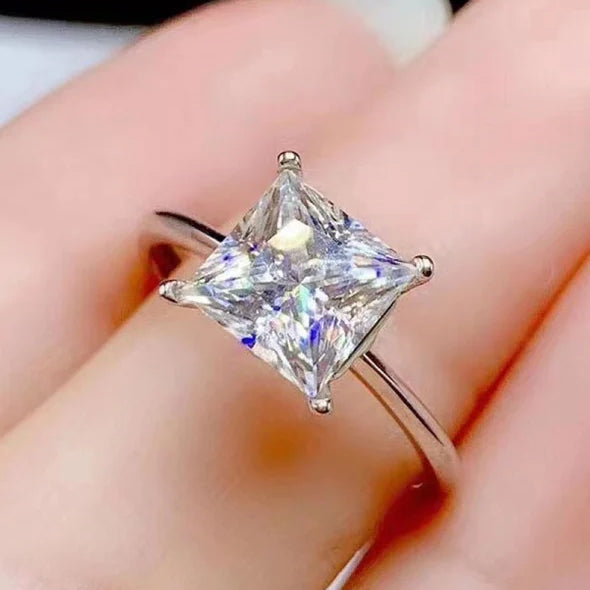
Complete Engagement Rings
Choose a ring with a diamond hand selected by a trained jeweler.

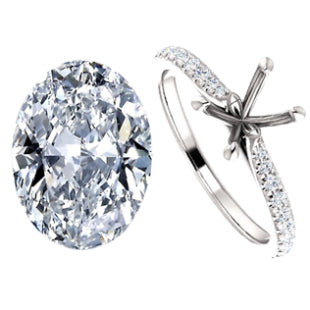

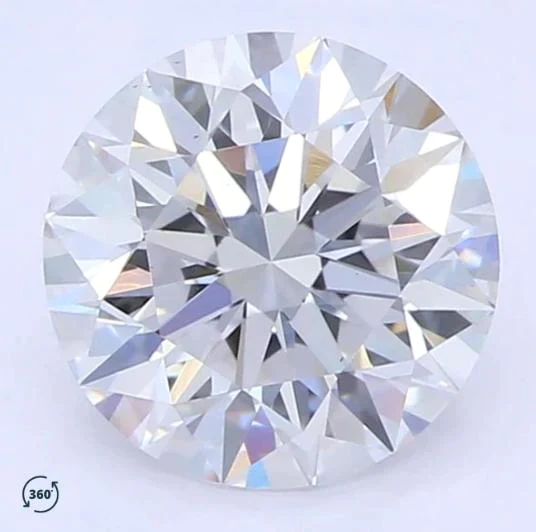
Loose Diamonds
Shop a huge selection of certified natural or lab-grown diamonds. On Sale Now!

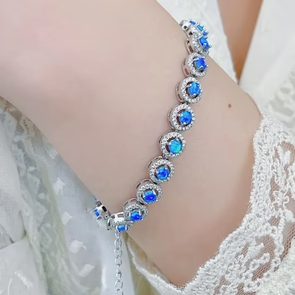
Fashion Jewelry
Fashion rings, necklaces, bracelets & earrings. Take your style to a new level.


Comments