
How to Buy an Engagement Ring: The Ultimate Guide


If the thought of cuts, carats, settings, and sizing has you stressed, you’re not alone. This guide breaks down everything you need to know to buy an engagement ring that feels right (without the pressure or the guesswork).
Steps to Follow to Buy an Engagement Ring:
- Focus on cut for sparkle; don’t overspend on color/clarity.
- Choose shape & setting to match style and personality.
- Pick a metal that suits your lifestyle (gold, platinum, or rose).
- Set a budget that feels right; lab-grown offers max value.
- Ensure proper ring sizing for comfort.
At Mikado Diamonds, we’ve helped hundreds of couples cut through the noise and design rings that actually reflect their story, not someone else’s sales pitch.
Keep reading and you’ll learn exactly what to look for, what to avoid, and how to move forward with confidence.
Start with the Sparkle, Understanding the 4Cs

Let’s start where it matters most: the diamond. You’ve probably heard of the 4Cs, cut, color, clarity, and carat, but if you’re like most people I talk to, you’re unsure which actually matters and which just inflate the price.
Here's the truth: they don’t all carry equal weight. Let’s break them down.
Cut Is King (Here’s Why)
If you remember anything from this section, remember this: cut is the #1 factor that determines how much a diamond sparkles. Not color. Not clarity. Cut.
A diamond with a “Triple Excellent” or “Ideal” cut reflects light in a way that gives it brilliance and fire. That’s what makes it pop across the room. If you’ve ever seen a high-clarity diamond that somehow looks dull, it’s almost always a bad cut.
Color: How White Is White Enough?
Diamond color ranges from D (colorless) to Z (noticeable yellow). D-F diamonds get priced like luxury cars, but most people can’t tell the difference between a D and a G, especially once the diamond is set.
G-H range offers incredible value because it still looks icy white, especially in white gold or platinum settings.
Shape also affects perceived color. Emerald cuts and ovals show more color than round brilliants, so if you’re choosing one of those, it may be worth nudging up a grade.
Only splurge on D-F color if you're super particular or going for a high-clarity emerald or step cut. Otherwise, save your money and invest in a better cut.
Clarity: Don’t Get Fooled by the Microscope
Clarity sounds like a big deal. Who wants flaws in a diamond, right? But the truth is clarity is about what you see under 10x magnification, not what’s visible to the naked eye.
Most people can’t tell the difference between a VS1 and an SI1 without a loupe. What matters is whether a diamond is eye-clean, meaning no visible flaws without magnification.
There’s no shame in going for SI clarity if it looks clean. In fact, it’s a smart move. Just make sure any inclusions aren’t dead-center or affecting light performance.
This is where working with a jeweler you trust makes a huge difference.
Carat: Yes, Size Matters, But Not Like You Think
Everyone wants a big diamond. I get it. But the jump from 0.90ct to 1.00ct or 1.50ct to 2.00ct jumps the price significantly. Why? These are psychological thresholds and inventory benchmarks, not just weight differences.
Want a little secret? A well-cut 1.80ct oval can look larger than a poorly cut 2.00ct round.
And remember, carat is a weight, not a size. A shallow diamond might weigh more but look smaller. Shape also matters. Oval, pear, and marquise cuts give you more surface area per carat, aka more finger coverage for your money.
And this is where lab-grown diamonds change the game.
Because they cost significantly less than mined diamonds, you can often size up without blowing your budget. A few years ago, one carat was a stretch. Today, thanks to lab-grown, many of our clients are comfortably landing in the 2–3 carat range.
Shape, Style & Settings, The Personality of the Ring

A diamond’s shape and setting are more than just design choices; they’re reflections of personality. This is where the ring starts to tell your story. You’ve got the specs down. Now let’s talk about the feel.
Popular Diamond Shapes
- Round Brilliant: Timeless, versatile, and full of fire. Perfect if you want that iconic sparkle.
- Oval: Elegant and elongated with extra flair; looks larger per carat and pairs beautifully with yellow gold or hidden halos.
- Radiant: Crushed-ice sparkle and bold energy. Great for a modern, high-impact look.
- Emerald: Sleek, architectural, and sophisticated; ideal for someone who loves clean lines.
- Pear: Romantic and feminine, with a unique teardrop shape that stands out.
- Cushion: Soft pillow of sparkle that feels vintage yet luxurious.
Ring Settings 101
- Solitaire: Minimalist and timeless, putting all the attention on your center stone.
- Halo: Tiny diamonds surround the center stone to create the illusion of a much larger diamond.
- Pavé: Diamonds set into the band for added sparkle that doesn’t overpower the center.
- Three-Stone: Symbolizes past, present, and future; adds meaning and symmetry.
- Vintage-Inspired: Milgrain, engraving, and storybook details for an heirloom feel.
-
Halo Upgrades:
- Hidden halos add subtle sparkle underneath the center stone.
- Double halos go bold with layered brilliance.
- Seamless halos blur the line between center and halo for a floating effect.
Metal Choices: White Gold, Yellow Gold, or Platinum?

Choosing the right metal for the band isn’t just about aesthetics; it’s about durability, maintenance, and making sure the ring fits seamlessly into your partner’s daily life.
- White Gold: Sleek and modern with a silver tone; more affordable than platinum but needs rhodium replating every few years to stay bright.
- Yellow Gold: Classic and warm; pairs beautifully with vintage-inspired or hidden halo designs and warmer diamond tones.
- Rose Gold: Romantic with a blush tone; flatters all skin tones and offers a unique, non-traditional look that still feels timeless.
- Platinum: Naturally white, hypoallergenic, ultra-durable, and the most premium choice. Great for active lifestyles or metal sensitivities.
Mike’s Tip: Look at what your partner already wears.
Ring Sizing Matters (Here’s How to Get It Right)
It’s one of the most common worries I hear:
“What if the ring doesn’t fit, and she hates how it feels?”
And it’s a fair concern. Sizing is more nuanced than people realize. A ring that’s just slightly off can spin, feel tight, or even slip off altogether. Let’s break down how to get it right, without ruining the surprise.
Why Top-Heavy Rings Spin
Rings with large center stones (especially 2ct+) are top-heavy by nature. If the band is too loose or too thin, gravity takes over.
At Mikado, we solve this in a few ways:
- Adding sizing beads to stabilize the fit without altering the ring.
- Using a slightly thicker band to counterbalance the diamond.
- Custom shaping the band to hug the finger more snugly, especially for tapered hands or larger knuckles.
These are details most chain stores skip entirely.
Getting the Size Right (Without Spoiling the Surprise)
If you’re trying to keep things under wraps, here are a few sneaky (but effective) sizing tricks:
- Borrow a ring your partner wears on their ring finger (left hand!) and trace it.
- Ask a close friend or family member; chances are, they’ve talked about ring size.
- Go slightly bigger if unsure. It’s much easier to size down than up.
And if you still miss the mark? No big deal. We resize most rings once they’re gifted, and we design them in a way that protects structural integrity through adjustments.
Planning for Life Changes (Yes, Fingers Change)
A lot of people don’t realize this, but fingers fluctuate over time.
- Seasonal swelling is real, especially in hot or cold climates.
- Pregnancy, weight changes, and aging can all affect ring size.
That’s why I always advise building in flexibility. Don’t over-correct for a snug fit.
If you’re designing custom, let’s talk about future resizing options or upgrade paths from the start. That’s the benefit of working one-on-one: we’re not just fitting a ring for today, but for the long haul.
How to Budget Without Getting Burned

Let’s start by killing the biggest myth in the engagement ring world: you do not need to spend three months’ salary. That’s not tradition, that’s marketing. It was invented by diamond companies in the 1930s to boost sales. And it stuck.
In reality, what you should spend comes down to one thing: what feels right for your finances and your relationship.
Build Your Budget Around What Matters
A smart engagement ring budget balances:
- Cut quality (the sparkle factor)
- Stone size and shape
- Setting style and metal
- Your timeline and comfort level
The good news? Lab-grown diamonds have completely shifted the game.
With the same chemical makeup as mined diamonds, lab-grown stones give you more size, more sparkle, and more options, without the markup. That’s why so many of our clients are choosing 2–3 carat lab diamonds today at prices that used to barely get you 1 carat.
So… How Much Should You Spend in 2025?
Here’s a real-world breakdown of what I see customers spending at Mikado Diamonds:
- $2,000–$3,500: A beautiful 1–1.5ct lab-grown diamond with a simple solitaire or pavé band.
- $4,000–$6,500: 2–2.5ct lab diamond in a hidden halo or three-stone setting with custom touches.
- $7,000+: 3ct+ center stone with yellow gold, seamless halo, or colored diamond accents, fully custom.
And yes, you can absolutely go above or below those numbers. Some clients come in with $1,500. Others spend $10K+.
What If You Want to Upgrade Later?
One of the best trends I’ve seen lately? Engagement ring upgrades. Thanks to affordable lab-grown diamonds, more couples are replacing or enhancing their original rings years later, often for anniversaries, vow renewals, or just because life has changed.
That’s why I always recommend choosing a ring you’ll love now, not one you feel pressured into affording. You can always evolve the design later. At Mikado, we even build rings with upgrades in mind, so they’re easy to evolve when the time is right.
Where to Buy (and What to Watch Out For)

Let’s talk about the shopping experience, because where you buy matters just as much as what you buy.
Online vs. In-Store: Pros & Cons
More and more couples are buying engagement rings online, and for good reason. Online gives you:
- Access to a broader inventory of diamonds and settings.
- Better pricing (no overhead, no middlemen).
- The ability to compare options on your terms, not a sales rep’s schedule.
But here’s the catch: not all online jewelers are created equal.
Before you buy online, vet your jeweler. Make sure they:
- Offer certified stones (look for GIA or IGI lab reports).
- Provide real, high-resolution images and videos of your diamond.
- Have a transparent return policy and reviews that aren’t copy-pasted.
At Mikado, we take it a step further. Every client gets personal, one-on-one guidance, virtual consults, 3D mockups, and diamond sourcing help, so buying online feels just as secure (and more personalized) than walking into a store.
Red Flags to Avoid
If you're wondering, “How can I tell if an online deal is legit or a scam?”, here’s what to look out for:
- Bait-and-switch tactics: Some sites show stunning photos but ship out lower-grade diamonds. Always match the stone's report to what’s advertised.
- Vague or missing grading reports: If a diamond doesn’t come with GIA, IGI, or GCAL certification, walk away. “In-house” grading = zero accountability.
- Too-good-to-be-true pricing: A 3ct flawless diamond for $1,500? Not a deal. That’s a red flag. Be wary of marketplaces and overseas sellers without established reputations.
- Hidden fees: Some jewelers lowball the ring cost, then hit you with surprise charges for resizing, insured shipping, or even setting the stone.
The best defense? Work with a jeweler who’s transparent from day one. We believe clarity and confidence go hand in hand, and we put every quote in writing so you’re never left guessing.
Buy With Confidence

Buying an engagement ring shouldn’t feel like walking into a high-pressure showroom, or like you need a gemology degree just to keep up. When done right, it’s exciting, personal, and meaningful. You’re not just checking boxes. You’re creating something that tells your story.
At Mikado Diamonds, we make that experience clear, honest, and pressure-free. Whether you’re just starting out or narrowing down your final choice, we’re here to help.
Here’s your next step:
- Book a virtual consultation for one-on-one, expert guidance.
- Explore our lab-grown engagement rings, including halo, oval, radiant, and more.
This isn’t just a ring. It’s the ring. Let’s get it right.
Mikado Collection
Hand Crafted Engagement Rings, Loose Natural and Lab-Grown Diamonds and a Fashion Jewelry Collection of Rings, Necklaces, Bracelets, and Earrings.

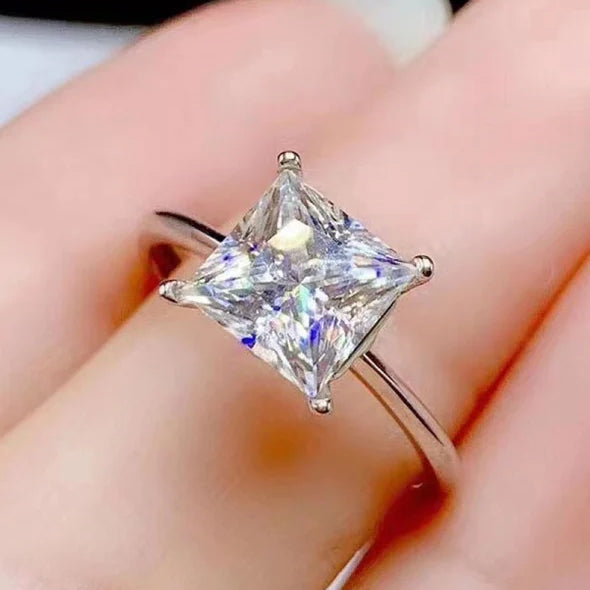
Complete Engagement Rings
Choose a ring with a diamond hand selected by a trained jeweler.

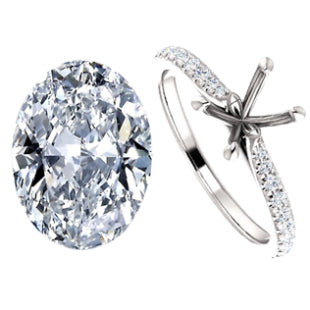

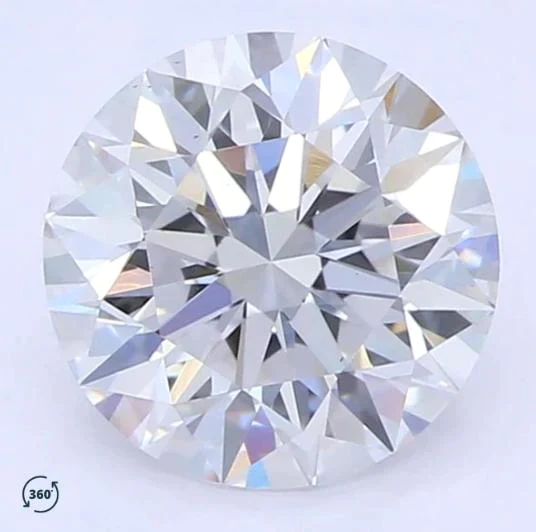
Loose Diamonds
Shop a huge selection of certified natural or lab-grown diamonds. On Sale Now!

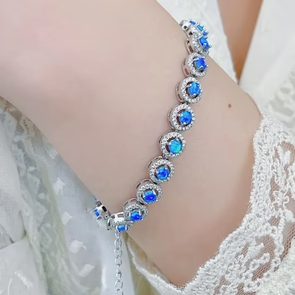
Fashion Jewelry
Fashion rings, necklaces, bracelets & earrings. Take your style to a new level.


Comments