
Diamond Color vs. Clarity: What Actually Matters?


If you’re choosing between diamond color or clarity, prioritize eye-clean clarity over perfect grading and pick a color that looks white in your setting. Cut quality affects sparkle more than either. Most buyers can save thousands by skipping D/IF grades.
Because here’s the truth: neither of those grades matter if the diamond doesn’t look beautiful to the naked eye.
What You Actually Need to Know:
- Color is more visible than clarity in most diamonds.
- An “eye-clean” SI1 or VS2 can look identical to a flawless stone.
- White gold makes lower color grades (like J–K) look whiter.
- Cut determines sparkle, not clarity or color.
- A G–H color with strong cut often outshines a D with poor cut.
- Bigger stones = more visible flaws and color.
- You can hide inclusions under prongs in a custom design.
- Real-life videos matter more than the cert.
At Mikado Diamonds, we help you make smart, pressure-free decisions around what truly matters, offering personalized guidance, real diamond reviews (not just lab reports), and expert help balancing size, beauty, and budget.
Every custom ring we build starts with the actual diamond, not just a spec sheet.
If you want to understand why these trade-offs work, and how to avoid overspending on things you’ll never see, keep reading. We’ll walk you through it, step by step.
Diamond Color vs. Clarity: What’s the Real Difference?

Color and clarity are often the first things people fixate on when shopping for a diamond. And it makes sense, grading charts are everywhere, and the industry loves to sell you on perfection.
But here’s what those charts don’t show:
- Color is about how much yellow or brown tint the diamond shows. The scale runs from D (colorless) to Z (noticeably tinted). Most engagement-ring diamonds fall between D and J.
- Clarity refers to internal inclusions or external blemishes. Grades range from Flawless (FL) to Included (I1–I3), but most diamonds sold fall between VS1 and SI2.
Both are graded under magnification, not with the naked eye. That’s where the confusion starts. We see people paying thousands more for specs they’ll never notice.
That’s why we say: color and clarity should be considered only after you’ve locked in a well-cut diamond that actually looks beautiful in your setting.
What Affects a Diamond’s Beauty the Most?
Ask any seasoned jeweler, or better yet, look at a few diamonds side by side, and you’ll learn this fast: cut is king.
A well-cut diamond reflects light brilliantly. It can make a G or H color appear icy white, and even mask small inclusions. Meanwhile, a poorly cut D/FL stone can look dull and lifeless.
Here’s how we think about it:
- Cut = performance. It's the difference between a diamond that dances in the light and one that looks flat.
- Color = tone. You’ll notice a yellow or brown tint faster than a tiny internal inclusion, especially in larger diamonds.
- Clarity = zoom level. Unless the flaw is visible without magnification, it likely won’t matter once set.
Bottom line: Sparkle grabs the eye. Not a certificate grade.
When to Focus on Color (and When You Can Let It Slide)
There are definitely situations where color should be your priority:
- Step cuts (like emerald or Asscher) reveal more body color, so a higher color grade matters.
- White metal settings (platinum, white gold) contrast with warmer diamonds, making any yellow tint more obvious.
- Diamonds over 2 carats show color more clearly because of the larger surface area.
That said, color is not absolute. Some Gs lean blue, some Js lean brown. A good jeweler (yes, like us) can help you spot the undertone differences even within the same grade.
And if you’re setting the diamond in yellow or rose gold? You have more wiggle room. A J or even a K can still look bright and beautiful, especially with a strong cut and the right prong placement.
When to Focus on Clarity (and When You Really Don’t Need To)

Clarity is one of those things that sounds more serious than it is. The word inclusion makes people nervous. But here’s what most sellers won’t tell you: you don’t need flawless clarity for a diamond to look flawless.
Here’s when to prioritize clarity:
- You’re buying a 2ct+ stone, where flaws become more noticeable.
- The inclusion is right under the table (the top window of the diamond).
- You’re going with a minimalist solitaire, where the diamond is front and center.
But most of the time, an eye-clean VS2 or SI1 will do just fine. Especially in brilliant cuts like oval, radiant, or round, which naturally hide inclusions.
With a custom design, we can even hide a flaw under a prong. That’s a common trick we use to stretch our clients’ budgets while still delivering a stunning result.
Smart Trade-Offs That Save You Thousands
Let’s get specific. Here's where we find the best balance between beauty and budget for most of our clients:
- Color: G–H.
- Clarity: VS2–SI1.
- Cut: Always Excellent or Ideal.
We call this the “sweet spot” because it hits that magic formula: the diamond looks beautiful on the hand, but you’re not paying for invisible perfection.
That's the power of knowing what matters to your eye, not just on paper.
Why Lab-Grown Diamonds Give You an Advantage

The traditional diamond industry has long thrived on secrecy, status, and steep markups. Lab-grown diamonds don’t play that game. They bring transparency, value, and beauty to the forefront.
Here’s how lab-grown diamonds give you a real edge:
- You Get More for Your Money: That 3-carat oval that felt out of reach with a mined diamond? Totally doable with lab-grown. You’re not sacrificing quality, you’re skipping the inflated pricing tied to rarity and mining overhead.
- Better Grades, Less Compromise: Because lab diamonds are grown in controlled environments, you’re far more likely to find stones with excellent cut, eye-clean clarity, and near-colorless tones, even in larger sizes. You can hit that “sweet spot” of G-H color and VS2-SI1 clarity without playing the needle-in-a-haystack game.
- Bigger Stone, Same Budget: We’ve seen it time and again: couples walk in thinking they’ll walk away with a 1.5-carat, and end up thrilled with a 3-carat lab diamond for the same price. And no, it’s not “too big.” It’s just what’s possible now.
At Mikado, we specialize in lab-grown diamonds. Whether you're after a 3-carat radiant or something rare like a lozenge or kite, we’ll help you find the one that actually looks stunning, not just sounds good on paper.
What You Can Actually See with Your Eyes
Let’s get real: most people can’t tell the difference between a D and an H unless they’re side by side under bright lights. Same with VS1 vs SI1 clarity.
What they can see is:
- Whether the diamond looks white (or a little yellow).
- Whether it sparkles like crazy.
- Whether there’s anything distracting in the center of the stone.
This is why we always prioritize eye-clean clarity and bright face-up color. Not lab scores, not theoretical flaws, just what it looks like on your hand, under normal lighting, in the real world.
Why One “Grade” Doesn’t Fit All
Here’s something we remind every client: two diamonds with the exact same color and clarity grades can look completely different.
Why?
- One SI1 might have a single tiny crystal hidden on the edge.
- Another SI1 might have a feather smack in the middle, right under the table.
- One G-color may have a cool undertone that looks crisp.
- Another might lean slightly warm, especially in indoor lighting.
The lab report won’t tell you any of that. That’s why we never rely solely on grading reports.
We always pair them with 360° video, lighting analysis, and our own review, so you don’t just get “G/SI1.” You get the G/SI1 that actually looks stunning.
How We Help You Buy With Confidence

We don’t believe in high-pressure sales. We don’t work on commission. And we don’t push high-clarity or color grades just because they’re more profitable.
What we do:
- Filter out the fluff, so you're only looking at diamonds that will look great once set.
- Match the diamond to the design, so flaws get hidden and sparkle gets maximized.
- Focus on what you see, not what the certificate says.
- Stay within your budget, without sacrificing beauty.
It’s not about finding the “best” diamond on paper. It’s about finding the one that looks incredible, makes sense financially, and fits the moment you're planning for.
If you’re feeling unsure, overwhelmed, or just want someone to cut through the noise, we’re here. We offer free consultations, hand-review every diamond we recommend, and walk you through the trade-offs that actually matter.
Explore our process. See what makes Mikado Diamonds different. And when you’re ready, we’ll be here.
Mikado Collection
Hand Crafted Engagement Rings, Loose Natural and Lab-Grown Diamonds and a Fashion Jewelry Collection of Rings, Necklaces, Bracelets, and Earrings.

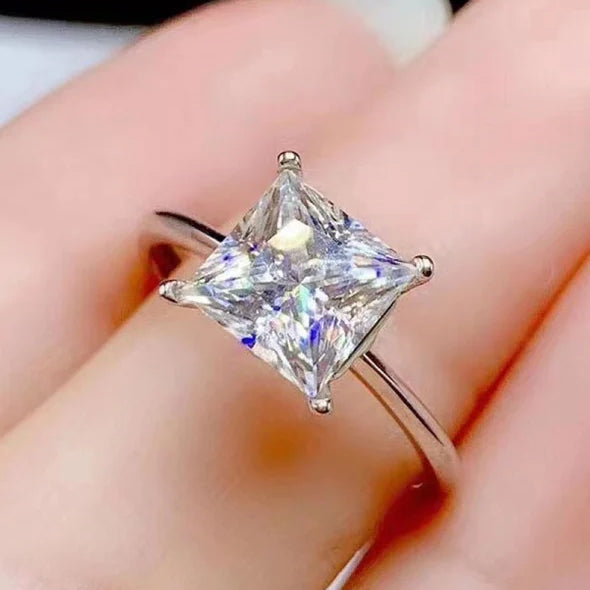
Complete Engagement Rings
Choose a ring with a diamond hand selected by a trained jeweler.

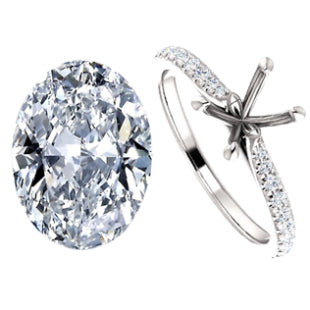

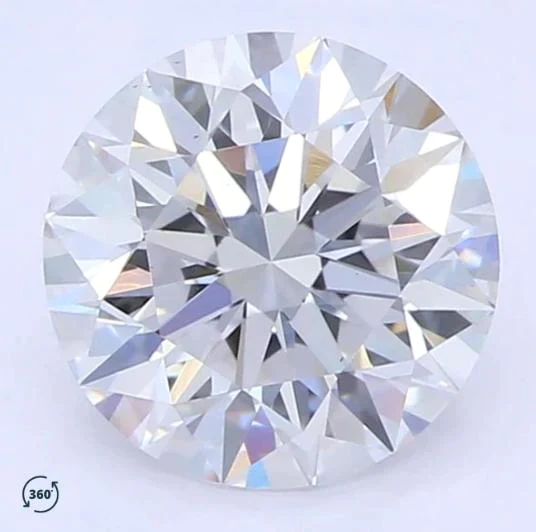
Loose Diamonds
Shop a huge selection of certified natural or lab-grown diamonds. On Sale Now!

Fashion Jewelry
Fashion rings, necklaces, bracelets & earrings. Take your style to a new level.


Comments